
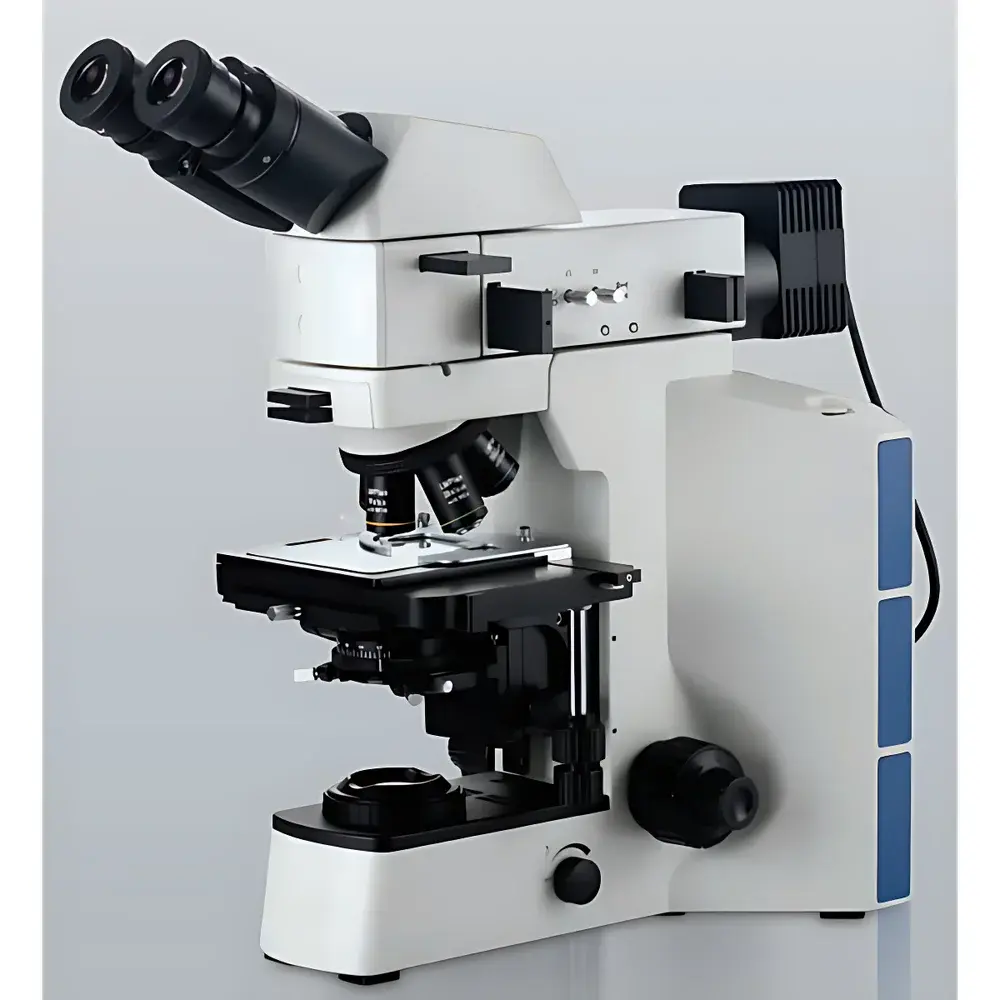
Lei-Tech LK-53M Research-Grade Upright Metallurgical Microscope
| Brand | Lei-Tech |
|---|---|
| Origin | Tianjin, China |
| Manufacturer Type | Direct Manufacturer |
| Category | Domestic |
| Model | LK-53M |
| Integrated Image Analysis System | Yes |
| Total Magnification Range | 50×–1000× |
| Eyepieces | Widefield Plan Eyepieces PL10×, 22 mm Field of View |
| Objectives | 5×, 10×, 20×, 50×, 100× (Oil Immersion Capable) |
| Optical System | Infinity-Corrected, Dual-Achromatic UISC Design |
| Illumination | High-Stability Warm-White LED (CCT: 3700–5000 K), Köhler Illumination with Adjustable Field & Aperture Diaphragms |
| Observation Modes | Brightfield (BF), UC-3D Differential Contrast, Simple Polarization |
| Viewing Head | 30° Inclined, Trinocular, Interpupillary Adjustment 54–75 mm, ±5 Diopter Compensation per Eye, Beam Splitter Ratio R:T = 100:0 or 50:50 |
| Focus Mechanism | Coaxial Coarse/Fine Drive, 28 mm Coarse Travel, 0.002 mm Fine Step Resolution, Anti-Drift Tension Control, Upper Limit Stop |
| Stage | Dual-Layer Mechanical Stage with Low-Profile X/Y Controls, Max Specimen Height 28 mm |
| Reflected-Light Module | Integrated Oblique Illumination Unit |
| Transmitted-Light Module | Swing-Out Achromatic Condenser (NA 0.9), Variable Aperture Diaphragm |
| Camera Interface | C-Mount, Compatible with 20 MP (5440 × 3648) Digital Imaging Sensors |
| Software | Full-Featured Metallurgical Image Analysis Suite Supporting ASTM E112, E3, E1245, ISO 643, GB/T 6394, GB/T 10561, JIS G 0551–G 0555, and 570+ Standardized Quantitative Modules |
Overview
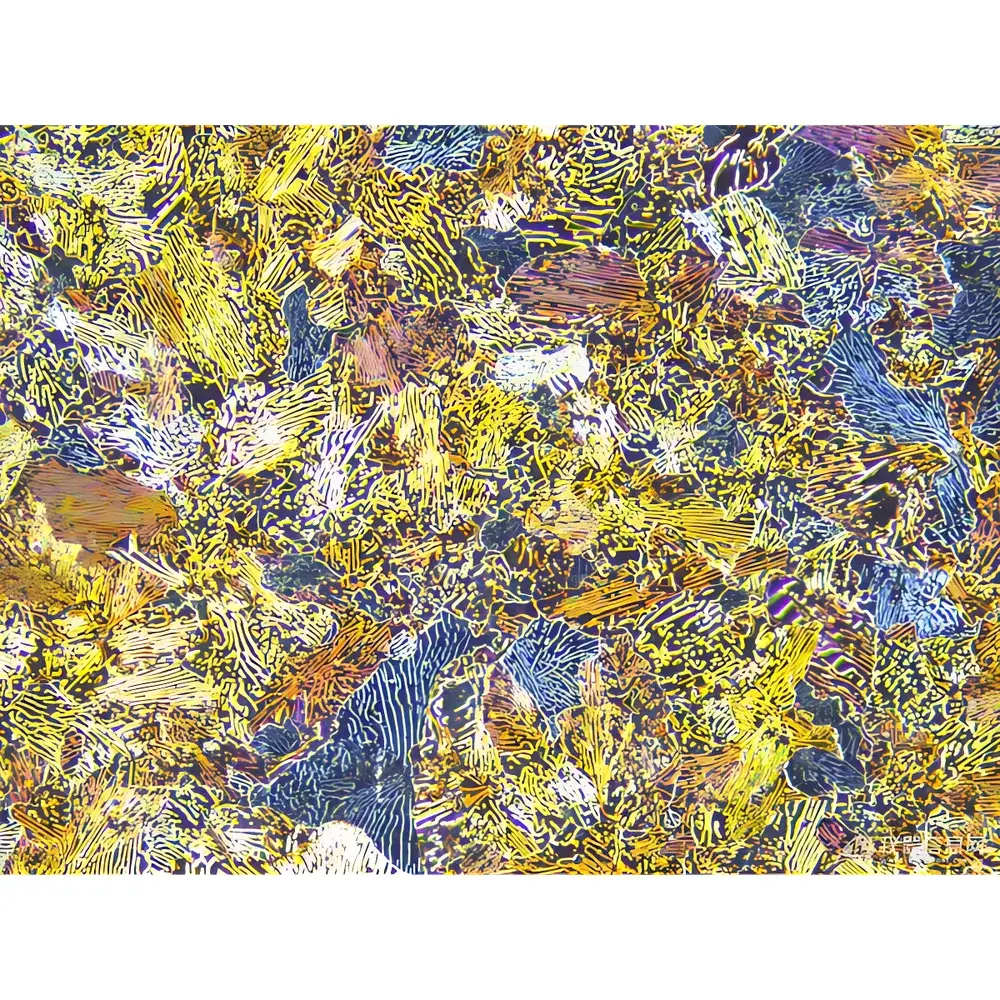
The Lei-Tech LK-53M is a research-grade upright metallurgical microscope engineered for high-fidelity microstructural characterization of opaque, polished metallic and alloy specimens. It employs an infinity-corrected optical architecture (UISC—Universal Infinity Space Correction), eliminating chromatic and spherical aberrations across the full magnification range (50× to 1000×). Unlike finite-conjugate systems, the UISC design ensures consistent resolution, flatness of field, and lateral color fidelity regardless of accessory insertion (e.g., polarizers, analyzers, or beam splitters). The system supports three primary contrast modalities: brightfield (BF) for high-contrast grain boundary delineation; UC-3D (Ultra-Contrast 3D), a proprietary oblique illumination technique that enhances surface topography perception without requiring phase plates or differential interference components; and simple polarization for birefringent phase identification in alloys such as titanium, zirconium, or duplex stainless steels. Its dual-LED illumination system—separately optimized for reflected and transmitted light paths—delivers stable 3700–5000 K correlated color temperature, enabling accurate color rendering essential for oxide layer assessment, coating thickness estimation, and thermal etch interpretation.
Key Features
- Infinity-corrected UISC optical path with parfocal, apochromatically matched objective set (5×, 10×, 20×, 50×, 100× oil)
- Dual LED illumination: Warm-white (3700–5000 K) sources for both epi- and trans-illumination, each equipped with independent Köhler alignment, field diaphragm, and aperture diaphragm controls
- UC-3D contrast mode enabled via integrated mechanical oblique illumination unit—no external add-ons or alignment required
- Trinocular viewing head with 30° inclination, adjustable interpupillary distance (54–75 mm), ±5 diopter compensation, and selectable beam-splitting ratio (100:0 or 50:50) for simultaneous visual observation and digital capture
- Precision coaxial focusing system featuring 28 mm coarse travel and 0.002 mm fine-step resolution, with anti-slip tension control and programmable upper limit stop
- Double-layer mechanical stage with low-profile coaxial X/Y controls, accommodating specimens up to 28 mm in height
- C-mount interface compliant with industry-standard 20 MP (5440 × 3648) sensors, supporting real-time extended depth-of-field (EDF/EFI) synthesis and multi-image mosaic assembly (MIA)
Sample Compatibility & Compliance
The LK-53M is validated for routine and advanced metallurgical evaluation of polished metallographic sections—including ferrous and non-ferrous alloys, sintered powders, weld zones, heat-affected regions, and coated substrates. Its optical design conforms to ISO 8578 (Metallographic Microscopy — Requirements for Optical Systems) and supports compliance workflows aligned with ASTM E3 (Standard Guide for Preparation of Metallographic Specimens), ASTM E112 (Grain Size Determination), ASTM E1245 (Quantitative Microscopy of Inclusions), and ISO 643 (Steel — Micrographic Determination of Ferrite Grain Size). Polarization capability meets requirements for ASTM E407 (Microetching) and ISO 4967 (Non-Metallic Inclusions in Steel). All hardware and software components are compatible with GLP and GMP documentation protocols, including audit-trail-enabled image metadata logging (timestamp, magnification, objective ID, illumination mode, calibration status).
Software & Data Management
The bundled metallurgical image analysis platform provides 570 standardized quantitative modules covering 150 international standards (GB, JB, QC/T, DL, TB/T, ISO, ASTM, JIS, DIN). Core analytical functions include automated grain size classification per ASTM E112 and ISO 643; inclusion rating per ASTM E1245 and ISO 4967; decarburization depth measurement per ISO 3887; phase-area fraction quantification; and stereological parameter extraction (equivalent circle diameter, aspect ratio, perimeter-to-area ratio). The software supports FDA 21 CFR Part 11-compliant user authentication, electronic signatures, and immutable audit trails for all image acquisition, annotation, measurement, and report-generation events. Reports export natively to PDF, DOCX, and XLSX formats with embedded calibrated scale bars, metadata headers, and traceable reference to applicable standard clauses. Optional DICOM export enables integration into laboratory information management systems (LIMS) and enterprise digital pathology archives.
Applications
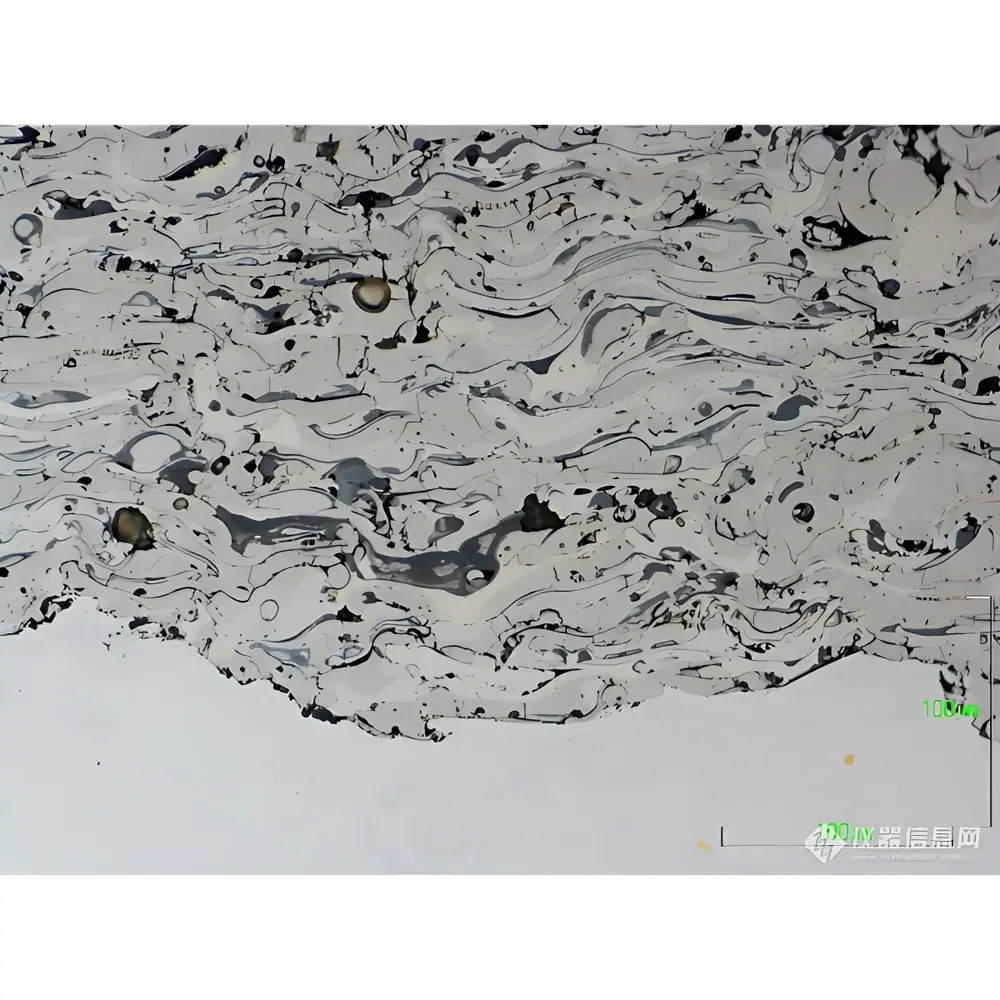
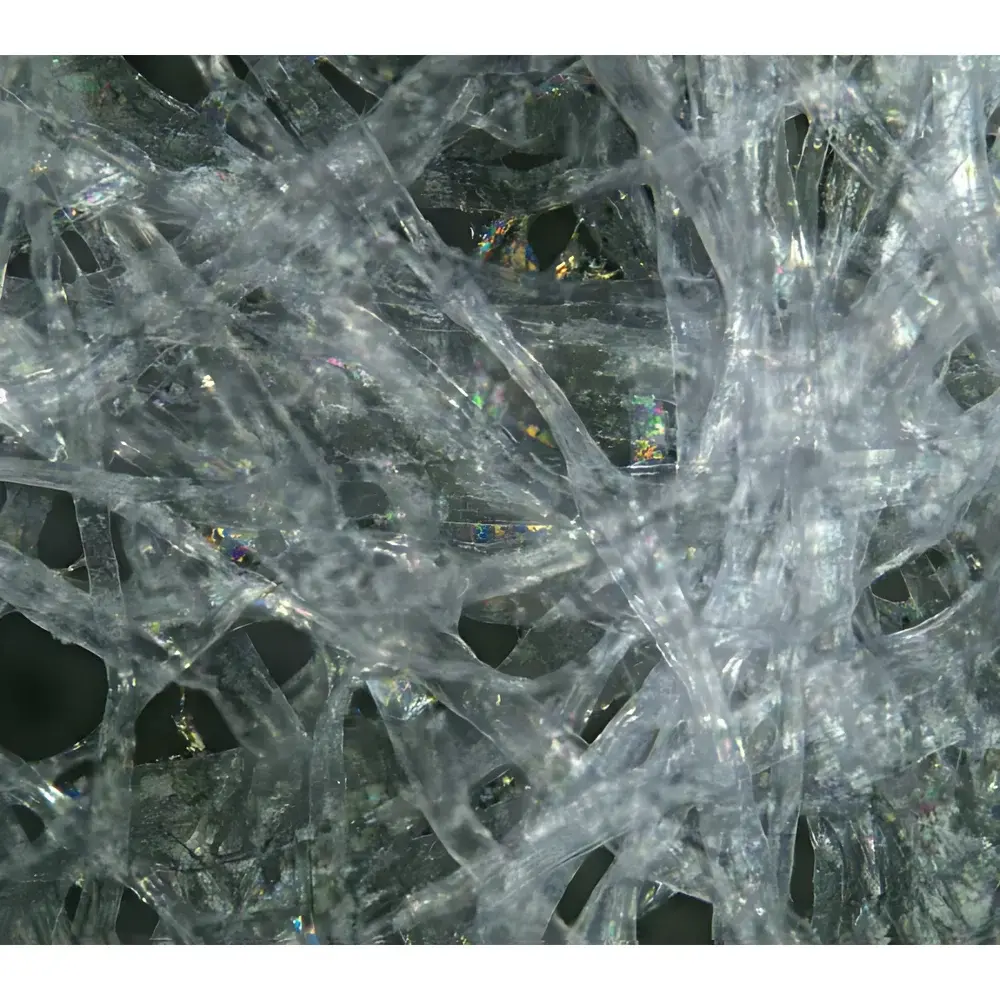
The LK-53M serves as a primary tool in academic metallurgy labs, national materials testing centers, automotive powertrain R&D facilities, aerospace component qualification labs, and steel manufacturing QA/QC departments. Typical use cases include: grain structure mapping of austenitic stainless steels after solution annealing; graphite nodule morphology and count analysis in ductile iron per ISO 945-1; intermetallic phase identification in nickel-based superalloys using polarization contrast; oxide scale thickness measurement on turbine blade coatings; inclusion type and distribution analysis in bearing steels per ASTM E45; and failure analysis of fractured gear teeth or welded joints. Its UC-3D mode proves especially valuable for rapid topographic screening of machined surfaces, electroplated layers, and additive-manufactured lattice structures where traditional BF lacks sufficient relief discrimination.
FAQ
Does the LK-53M support oil immersion at 100×?
Yes—the 100× objective is designed for oil immersion and achieves numerical aperture ≥1.25, enabling diffraction-limited resolution down to ~220 nm under optimal Köhler illumination.
Is the UC-3D contrast mode compatible with all objectives?
UC-3D is fully functional across the entire objective range (5×–100×), with contrast optimization automatically adjusted via the oblique illumination aperture linkage.
Can the analysis software generate reports compliant with ISO/IEC 17025 accreditation requirements?
Yes—software audit logs, calibration records, user access controls, and version-stamped report templates meet ISO/IEC 17025 clause 7.7 (Reporting of Results) and clause 8.9 (Management of Nonconforming Work).
What is the warranty coverage and service response time?
Lei-Tech provides a comprehensive 24-month limited warranty, backed by a global technical support network with 7×24 remote diagnostics and onsite service dispatch within 72 business hours in Tier-1 markets.
Is the microscope compatible with third-party camera systems beyond the supplied 20 MP sensor?
Yes—the C-mount interface adheres to ANSI/ISO 10110-4 specifications and supports all standard 1″ and 4/3″ format scientific CMOS and CCD cameras with C-mount adapters.




