
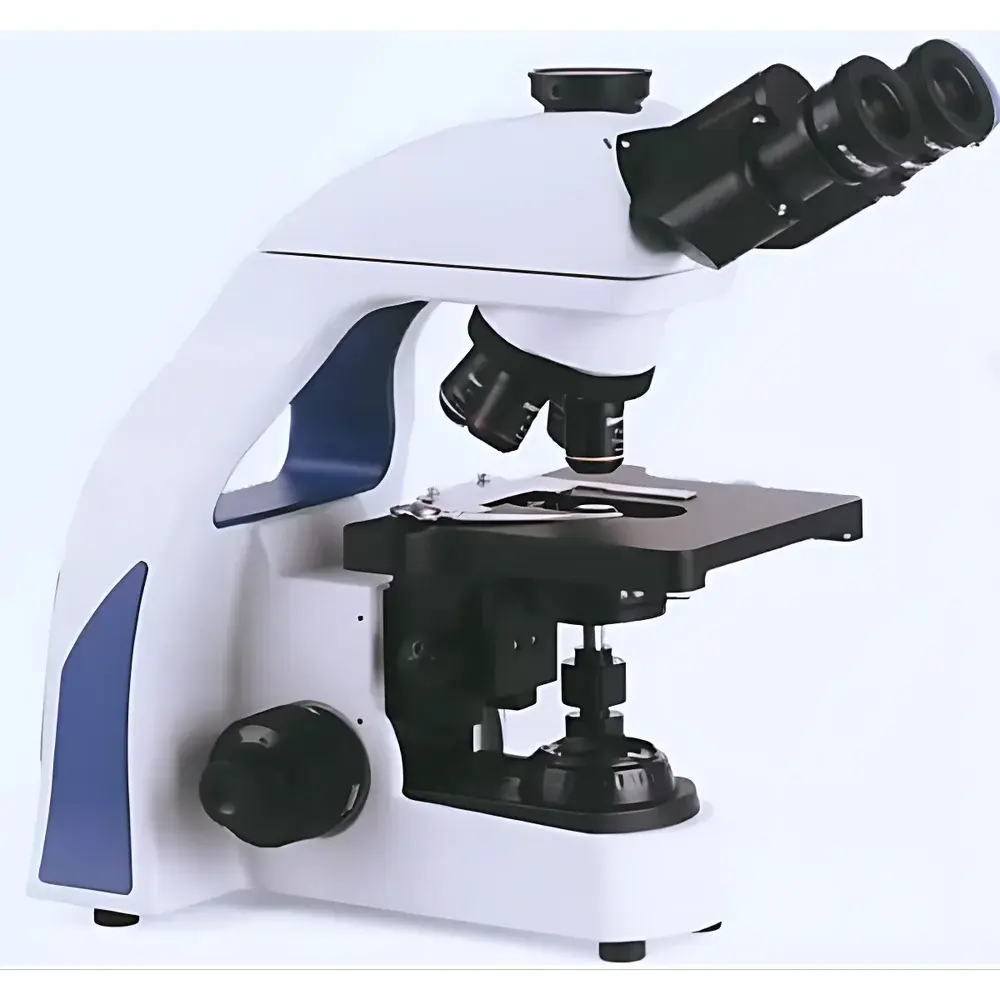
LEI-TECH LK-81 Research-Grade Biological Microscope
| Brand | LEI-TECH |
|---|---|
| Origin | Tianjin, China |
| Manufacturer Type | Direct Manufacturer |
| Product Category | Domestic |
| Model | LK-81 |
| Instrument Type | Upright Microscope |
| Eyepiece Configuration | Trinocular |
| Total Magnification Range | 40×–1000× (with 4×, 10×, 20×, 40×, 100× objectives) |
| Optical System | Infinity-Corrected Dual-Achromatic (UISC) |
| Illumination | Adjustable White LED (CCT 2850K–5500K, selectable warm/cool), ≥50,000 hr lifetime |
| Observation Modes | Brightfield (BF), Darkfield (DF), Simple Polarization, Phase Contrast (PH) |
| Condenser | N.A. 1.25 Koehler-optimized Abbe condenser with built-in fly-eye illuminator, modular slot for DF/PH accessories |
| Eyepieces | Wide-field PL10×/20 mm, high-eye-point, adjustable diopter |
| Nosepiece | Inclined quintuple objective turret |
| Focus Mechanism | Coaxial coarse/fine focusing with tension control and upper limit stop |
| Stage | Dual-layer mechanical stage (76 mm × 50 mm travel, 0.1 mm resolution, dual slide clips) |
| Image Capture | 20 MP CMOS sensor (5440 × 3648), C-mount interface, focusable photo tube |
| Software Features | Real-time extended depth-of-field (EDF) stacking, multi-field mosaic stitching, HDR (DHR) image enhancement, calibrated measurement tools |
Overview
The LEI-TECH LK-81 is a research-grade upright biological microscope engineered for consistent optical performance across academic, clinical, and industrial life science laboratories. It employs an infinity-corrected dual-achromatic optical pathway (UISC), ensuring minimal chromatic and spherical aberration while enabling modular integration of contrast-enhancing accessories without compromising resolution or field flatness. Designed for routine and advanced light microscopy applications—including live-cell observation, histology, cytology, and developmental biology—the LK-81 delivers high-fidelity imaging under brightfield, darkfield, simple polarization, and phase contrast modalities. Its optomechanical architecture prioritizes stability, repeatability, and ergonomic usability—critical for extended daily use in teaching labs and quality-controlled research environments.
Key Features
- Infinity-corrected UISC optical system with fully apochromatically matched objectives and wide-field PL10×/20 mm eyepieces, delivering flat, high-contrast images across the entire 20 mm field of view.
- Fly-eye Köhler illumination system with integrated LED light engine (CCT 2850K–5500K, selectable warm/cool output), offering uniform brightness distribution at all magnifications—including periphery—and eliminating hotspots or vignetting.
- Modular contrast capability: Darkfield observation achieved via plug-in annular aperture; phase contrast enabled through dedicated slider-based PH plates; simple polarization supported by removable polarizer/analyzer sets—all compatible with the same N.A. 1.25 Abbe condenser.
- Ergonomic trinocular head with 30° inclination, interpupillary adjustment range of 47–75 mm, and fixed 80:20 beam-split ratio for simultaneous visual observation and high-resolution digital capture.
- Real-time computational imaging functions including dynamic high-dynamic-range (DHR) processing, calibrated on-screen measurement, extended depth-of-field (EDF) stacking, and automated multi-field mosaic stitching—accessible via bundled software with export compliance to TIFF, JPEG, and BMP formats.
- Robust mechanical construction: Inclined quintuple nosepiece with precision ball-bearing rotation; coaxial coarse/fine focusing with adjustable torque and hard-stop limiter; dual-layer mechanical stage with 0.1 mm vernier-scale positioning accuracy and anti-slip slide clamps.
Sample Compatibility & Compliance
The LK-81 accommodates standard glass slides (26 mm × 76 mm), coverslips (0.13–0.17 mm thickness), and live specimens in petri dishes or chambered slides when used with optional long-working-distance objectives. Its optical design complies with ISO 8578:2017 (microscope mechanical tube length and parfocality requirements) and supports GLP-aligned documentation workflows via timestamped image metadata, user-identifiable acquisition logs, and audit-trail-enabled measurement reports. While not FDA 21 CFR Part 11-certified out-of-the-box, the system’s software architecture permits integration with validated third-party LIS/PACS platforms meeting clinical laboratory accreditation standards (e.g., CLIA, CAP, ISO 15189).
Software & Data Management
The bundled imaging suite provides native support for Windows 10/11 (64-bit) and includes drivers certified for USB 3.0–compatible 20 MP cameras. All captured images embed EXIF metadata—including objective magnification, illumination intensity, exposure time, and stage coordinates—enabling traceable sample localization and reproducible protocol replication. Measurement tools adhere to ISO 9276-1:2014 for particle size analysis and include calibration against NIST-traceable stage micrometers. Exported datasets retain full bit-depth fidelity and support batch annotation, ROI tagging, and CSV-formatted quantitative output for downstream statistical analysis in MATLAB, Python (OpenCV), or commercial bioimage informatics platforms.
Applications
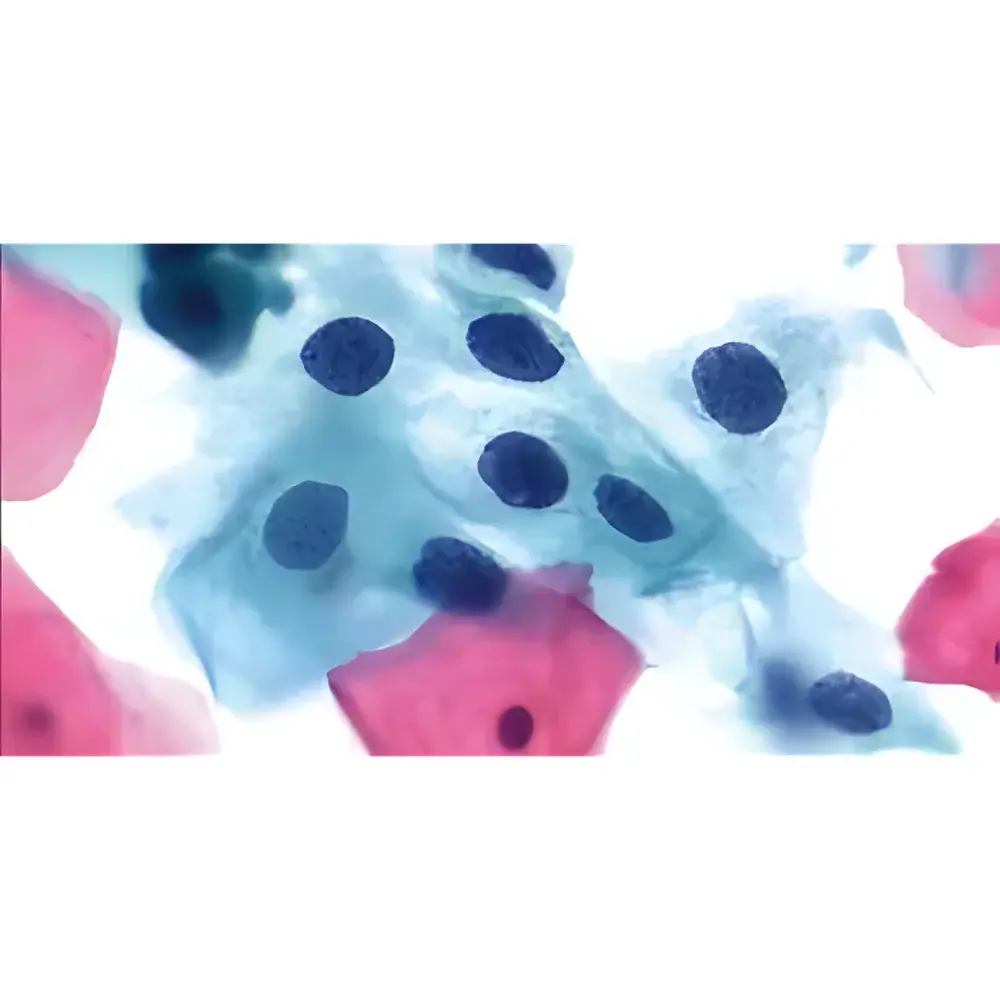
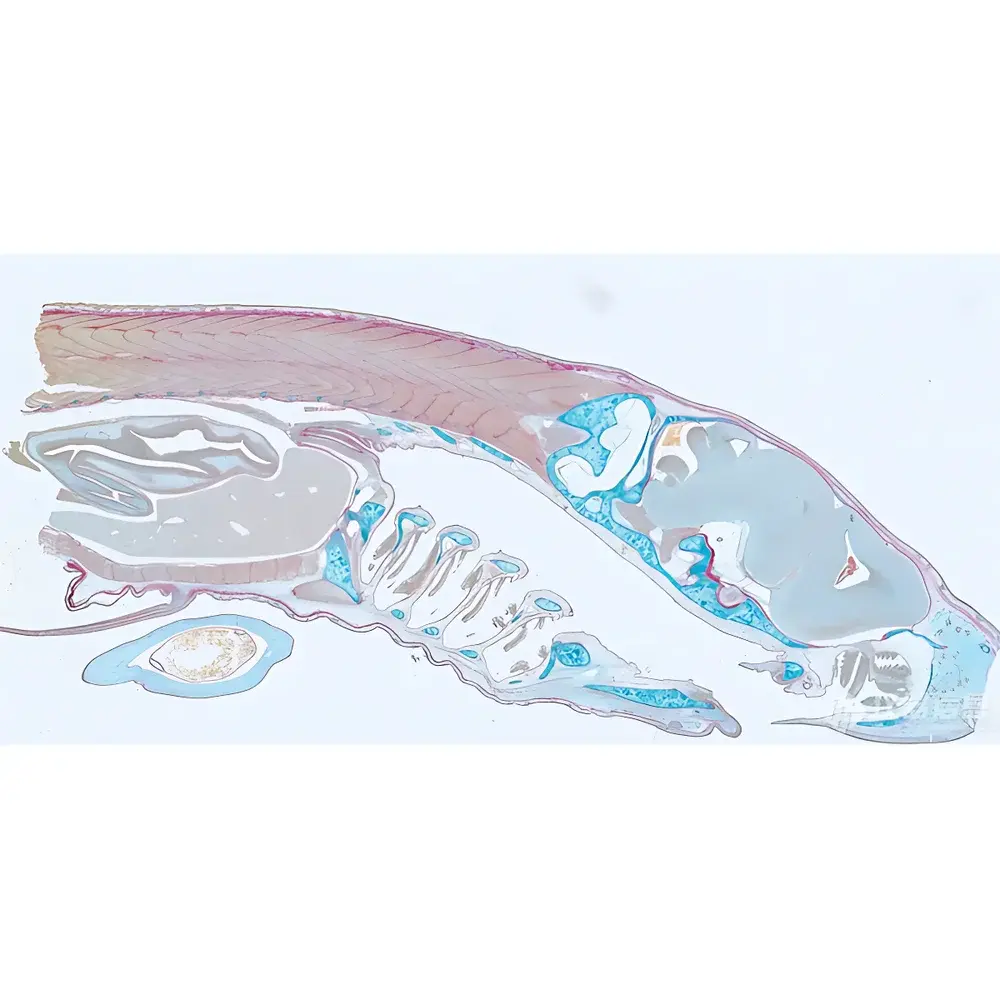
- Undergraduate and graduate histology instruction: Rapid switching between BF, DF, and PH modes allows comparative study of tissue architecture, bacterial motility, and unstained cellular morphology without staining artifacts.
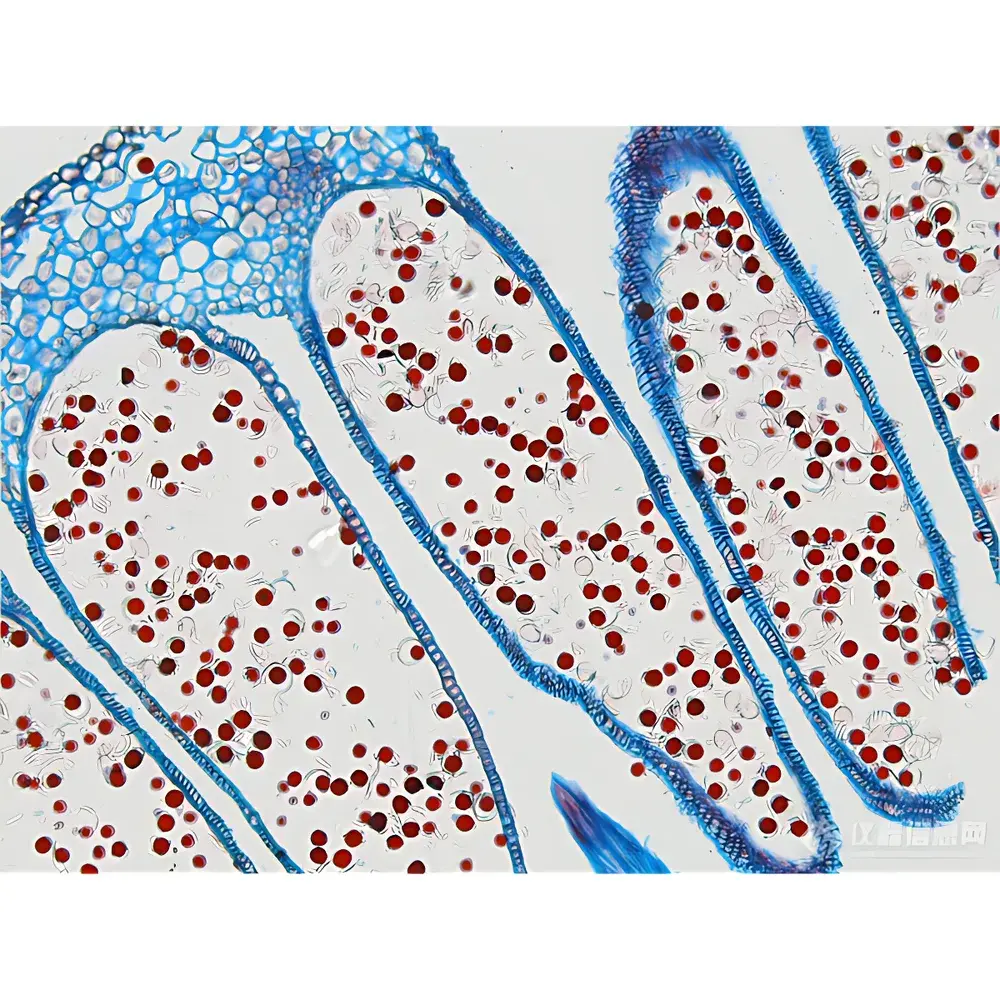
- Plant science labs: High-contrast brightfield imaging of root meristems and leaf cross-sections; polarization mode for identifying starch granules, cellulose orientation, and crystal deposits in xylem elements.
- Microbiology QA/QC: Phase contrast visualization of non-fixed, non-stained prokaryotic cultures; darkfield detection of spirochetes and flagellated organisms in liquid suspensions.
- Preclinical cytotoxicity screening: Time-lapse monitoring of adherent mammalian cell lines using EDF stacking to maintain focus across uneven monolayers during drug treatment assays.
- Industrial QC of biological reagents: Verification of particulate contamination in serum-free media or buffer solutions via darkfield illumination and automated particle counting.
FAQ
What is the maximum usable magnification with oil immersion?
The LK-81 supports 100× oil-immersion objectives (N.A. 1.25), yielding a theoretical resolution limit of ~0.22 µm under optimal Köhler illumination and proper immersion medium application.
Is the LED illumination intensity digitally controllable?
Yes—intensity is continuously adjustable via rotary encoder on the base unit and synchronized with camera exposure settings in software to maintain consistent photometric scaling across acquisitions.
Can third-party objectives be mounted on the LK-81?
The microscope accepts standard RMS-thread (0.796″–36 TPI) and M25×0.75 objectives; however, only LEI-TECH–certified infinity-corrected optics are guaranteed to preserve parfocality and field flatness across the full magnification range.
Does the system support DIC or fluorescence?
No—DIC requires specialized Nomarski prisms and strain-free optics not included in the base configuration; fluorescence capability would necessitate external epi-illumination, filter cubes, and emission-blocking dichroics, which are outside the LK-81’s optical design scope.
What warranty and service coverage is provided internationally?
LEI-TECH offers a 24-month limited hardware warranty, remote technical support via secure screen-sharing, and on-site installation/training by regionally deployed engineers in North America, EU, and APAC—subject to local distributor agreements and service-level commitments.





