

English Product Name
| Brand | GuanCe Instruments |
|---|---|
| Origin | Beijing, China |
| Manufacturer Type | Authorized Distributor |
| Country of Origin | China |
| Model | GEST-20042I |
| Price | USD 1,550 (FOB Beijing) |
Overview
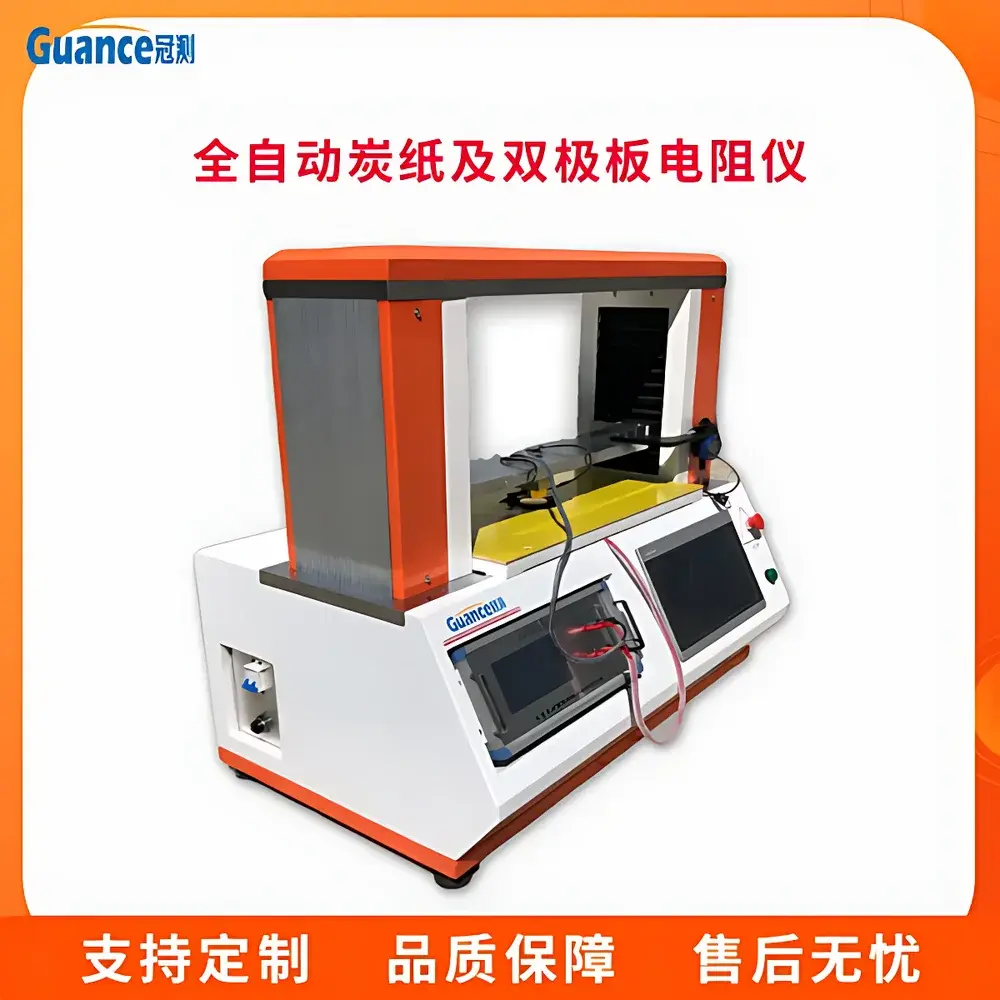
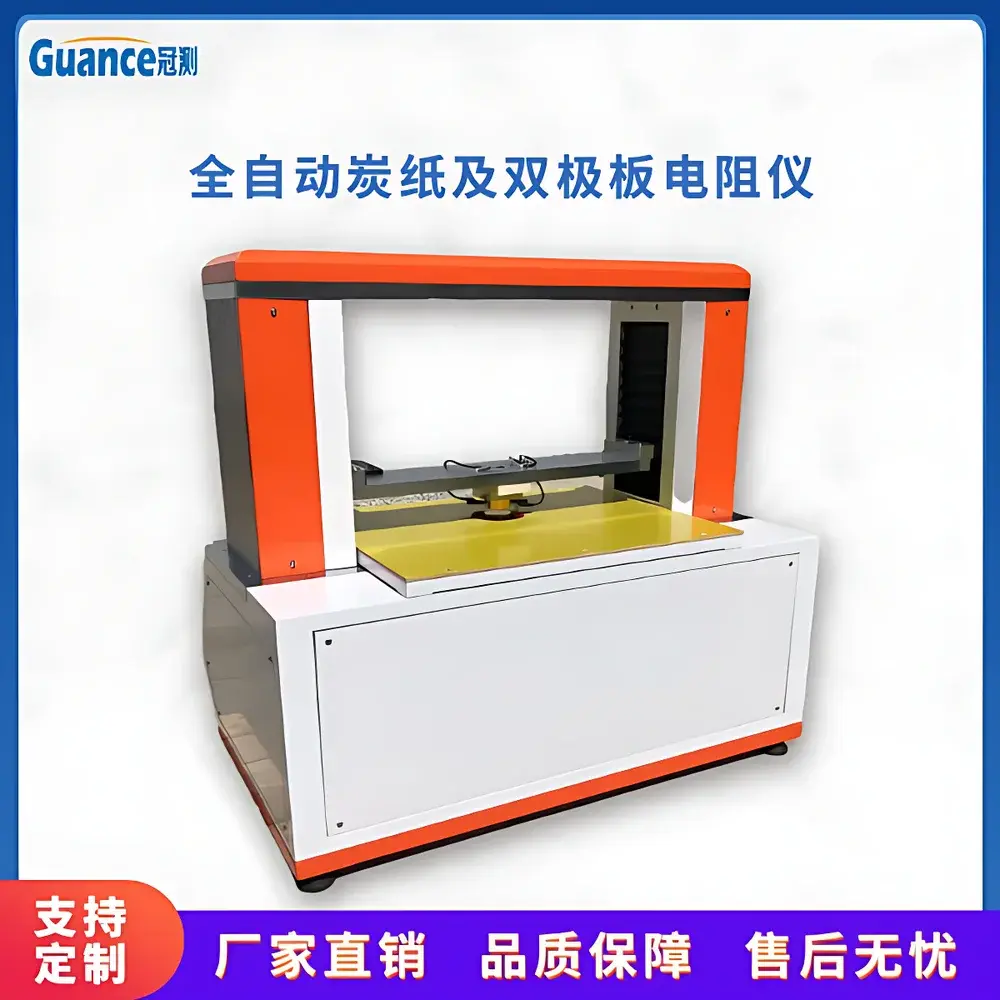
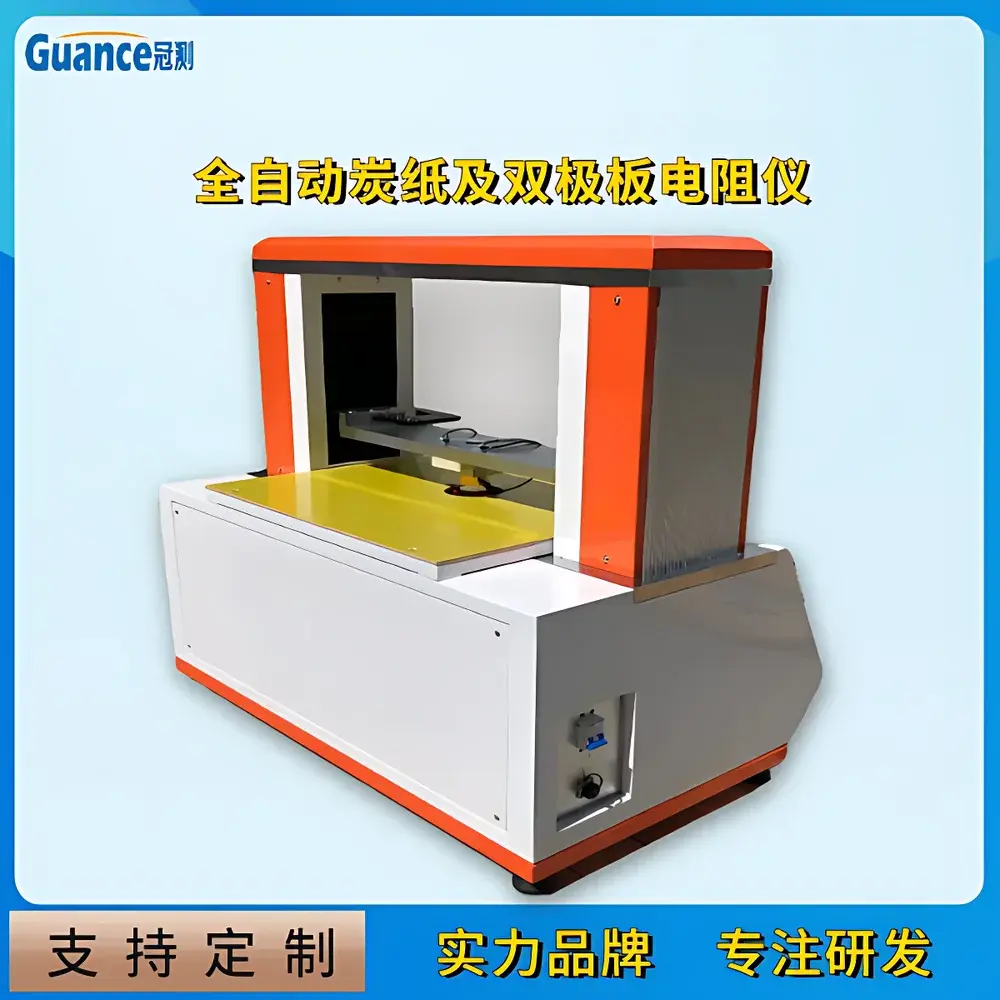
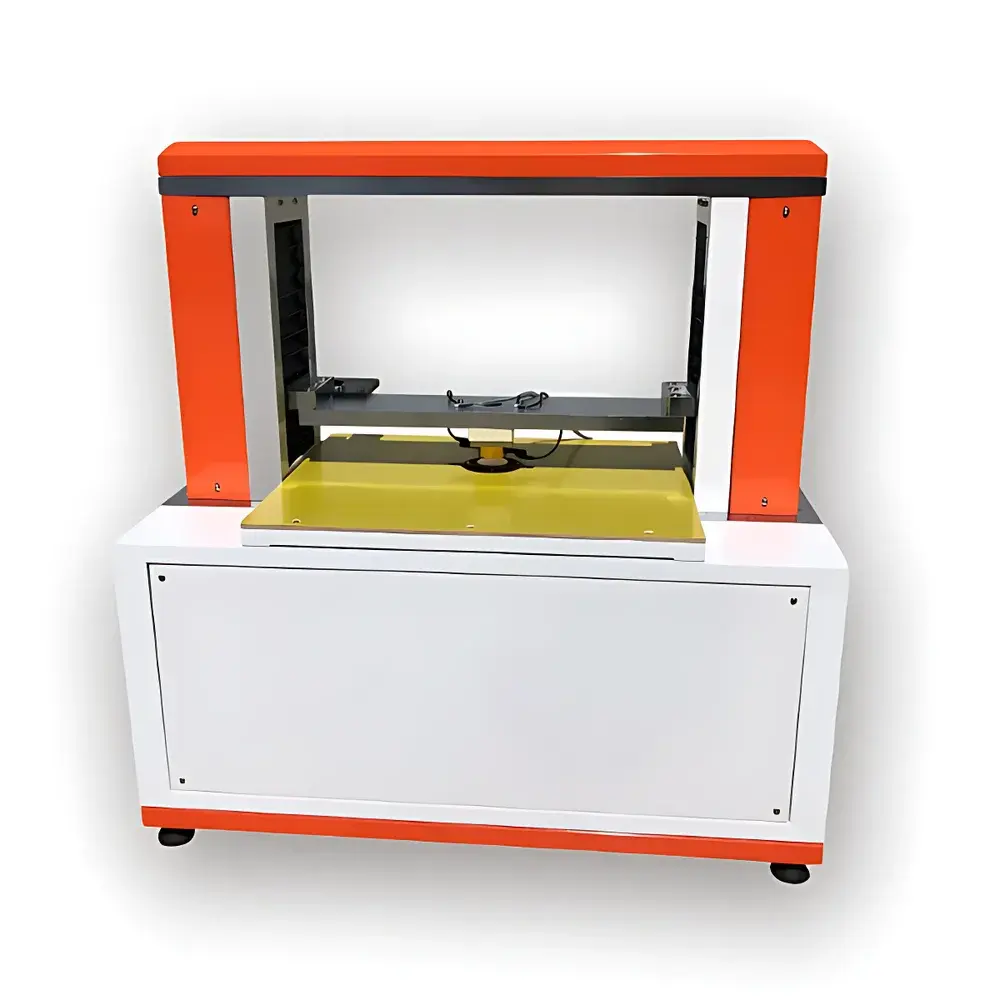
The GuanCe GEST-20042I Automated Carbon Paper & Bipolar Plate Resistivity Tester is a purpose-built instrumentation system engineered for precise, repeatable measurement of through-plane (vertical) and in-plane (horizontal) electrical resistivity of gas diffusion layers (GDLs), carbon papers, and graphite/composite bipolar plates used in proton exchange membrane fuel cells (PEMFCs). It operates on two fundamental electro-physical principles: the two-probe method for through-plane resistivity under controlled compressive load (per ASTM D257 and ISO 3915), and the four-point probe (van der Pauw-compatible) method for in-plane sheet resistance, eliminating contact resistance errors. Designed to comply with GB/T 20042.6–2011 and GB/T 20042.7–2014 — China’s national standards aligned with ISO 14687 and DOE Fuel Cell Technical Targets — the instrument delivers traceable, GLP-compliant data essential for R&D validation, supplier qualification, and stack design optimization. Its integrated servo-driven loading mechanism enables programmable mechanical compression profiles, replicating real-world interfacial contact conditions between GDL and bipolar plate within PEMFC assemblies.
Key Features
- Bi-directional resistivity measurement: Simultaneous support for vertical (through-plane) resistivity using dual-probe compression geometry and horizontal (in-plane) resistivity via guarded four-point probe configuration
- Precision electromechanical loading: Servo-motor-driven force application with closed-loop control; adjustable load range from 0.1 N to 5,000 N (±0.5% full scale), enabling accurate pressure/pressure gradient testing up to 5 MPa
- Real-time multi-parameter acquisition: Synchronized display and logging of compressive force, applied pressure, sample thickness reduction, compression ratio, voltage drop, current, resistance, volume resistivity (Ω·cm), and conductivity (S/cm)
- Gold-plated electrode system: 50 mm diameter coaxial gold-plated electrodes ensure low-contact-resistance interfaces and long-term corrosion resistance during repeated high-current measurements
- Intuitive human-machine interface: 10-inch industrial-grade capacitive touchscreen with embedded Linux OS; supports firmware over-the-air (OTA) updates and localized multilingual UI (English, Chinese)
- Flexible test protocols: Seven programmable modes — constant force, constant pressure, stepwise force ramp, stepwise pressure ramp, fixed compression ratio, dynamic cycling, and custom gradient sequences
Sample Compatibility & Compliance
The GEST-20042I accommodates standard fuel cell material specimens: carbon paper rolls (e.g., Toray TGP-H series), sintered metal or graphite bipolar plates (up to 300 × 300 mm), and microporous layer (MPL)-coated substrates. Sample thickness range: 0.05–3.0 mm. All test routines adhere to metrological requirements defined in GB/T 20042.6–2011 (equivalent to ISO/IEC 17025-aligned methodology for bipolar plate characterization) and GB/T 20042.7–2014 (harmonized with ASTM D374 for dielectric thickness and D257 for volume/surface resistivity). The system supports audit-ready data integrity: timestamped raw readings, operator ID tagging, and electronic signature capability compliant with FDA 21 CFR Part 11 when integrated with validated LIMS environments.
Software & Data Management
Embedded firmware provides real-time graphical visualization of resistivity vs. compression curves, automatic calculation of relative resistance change (ΔR/R₀) across pressure gradients, and statistical summary (mean, SD, CV%) for multi-point datasets. Export formats include CSV, XLSX, and PDF reports with embedded calibration certificates. Data files retain full metadata: environmental temperature/humidity (via optional external sensor input), electrode alignment status, and force transducer zero-drift compensation logs. Optional PC-based analysis suite (GEST-DataSuite v3.2) adds advanced curve fitting (exponential decay, power-law models), comparative overlay of multiple samples, and batch report generation meeting ISO 17025 documentation requirements.
Applications
- Quantifying contact resistance hysteresis in GDL/bipolar plate interfaces under cyclic compression
- Evaluating the effect of MPL composition, hydrophobic treatment, and thermal annealing on through-plane conductivity
- Validating graphite composite plate homogeneity and anisotropic conduction behavior
- Supporting DOE target validation for interfacial contact resistance (<10 mΩ·cm² at 1.4 MPa)
- Quality control screening of incoming carbon paper lots per automotive OEM specifications (e.g., Toyota, Hyundai FCV supply chain protocols)
- Accelerated durability testing via resistance drift monitoring during mechanical fatigue cycles
FAQ
Does the GEST-20042I meet international standards for fuel cell material certification?
Yes — it implements test methodologies fully traceable to GB/T 20042.6–2011 and GB/T 20042.7–2014, which are technically equivalent to ISO 14687 Annex B and ASTM D257 for resistivity, and align with U.S. DOE and European FCH JU validation frameworks.
Can the system measure both dry and humidified samples?
The base configuration operates under ambient lab conditions (23 ± 2°C, 40–60% RH). For controlled humidity testing, optional environmental chamber integration (GEST-ENV-25L) enables operation from 10% to 95% RH at temperatures up to 80°C.
Is calibration verification supported for regulatory audits?
Yes — the system includes NIST-traceable shunt resistor kits (0.001 Ω to 10 MΩ) and certified force calibration adapters. Full calibration logs, uncertainty budgets, and as-found/as-left reports are exportable in PDF format.
What is the minimum resolvable resistivity value in through-plane mode?
At 1.0 MPa compression and 10 mA test current, the system achieves <0.1 mΩ·cm resolution for typical carbon paper (0.1–10 Ω·cm range), with repeatability ≤±1.2% RSD (n=10, same specimen).
How is electrode wear managed during long-term use?
The gold-plated electrodes are designed for >50,000 compression cycles without measurable surface degradation; periodic cleaning with isopropyl alcohol and visual inspection per maintenance schedule ensures consistent contact geometry.



