
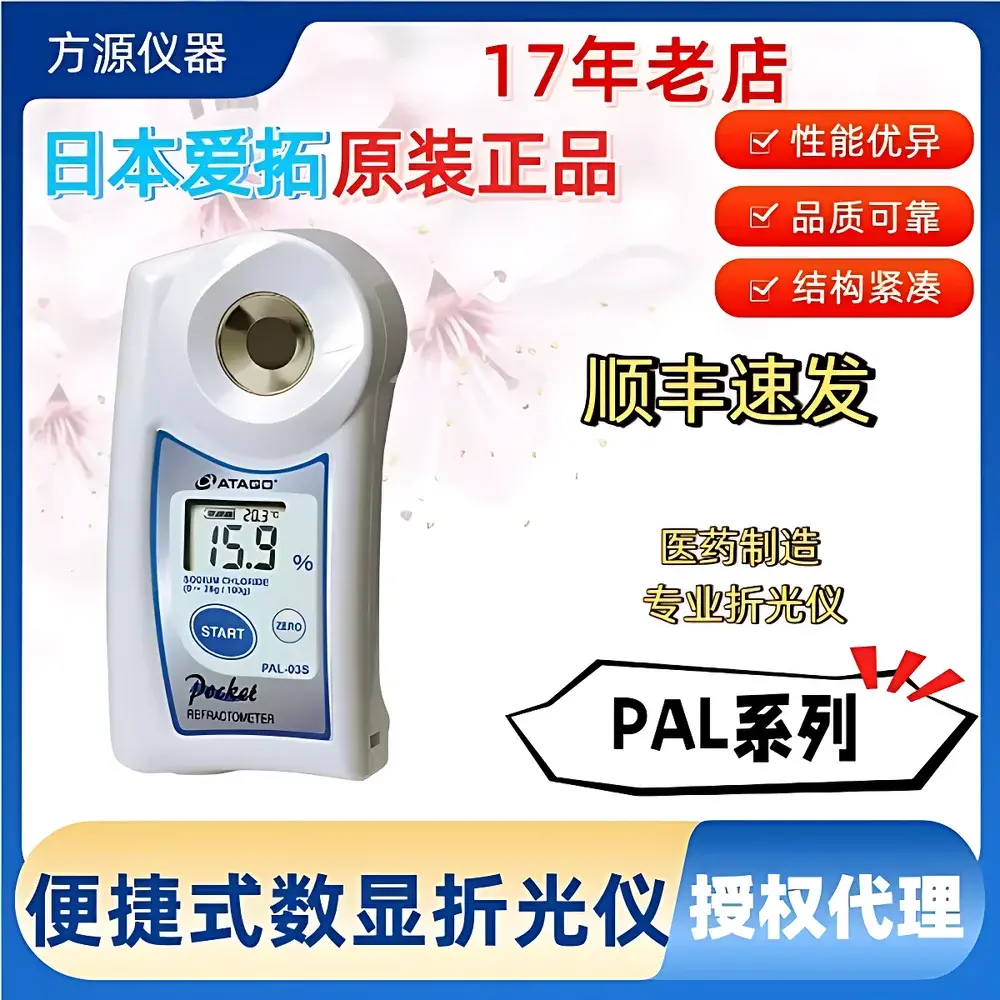
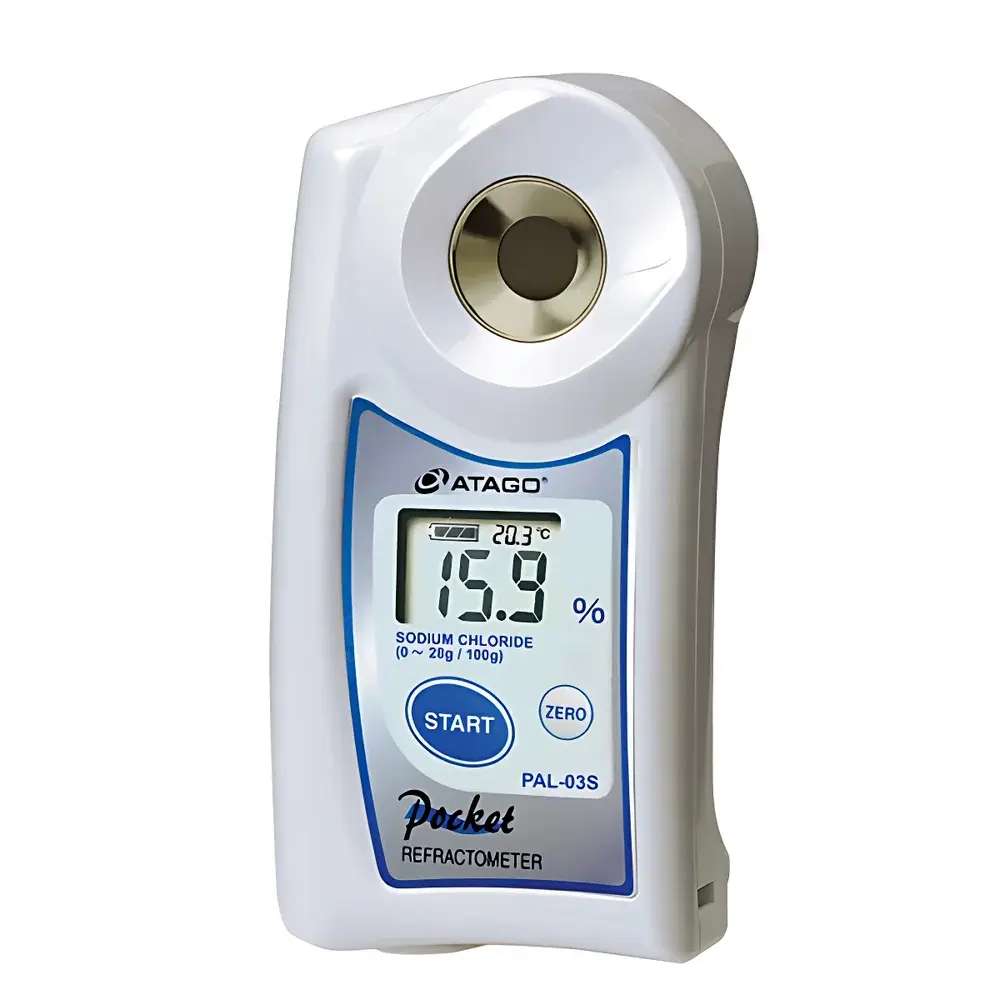
ATAGO PAL Series Automotive & Aerospace Heat-Treatment Dedicated Digital Portable Refractometer
| Brand | ATAGO |
|---|---|
| Origin | Japan |
| Model | PAL Series (Automotive, Aerospace, Heat-Treatment Dedicated) |
| Type | Handheld Refractometer |
| Display | Digital LCD |
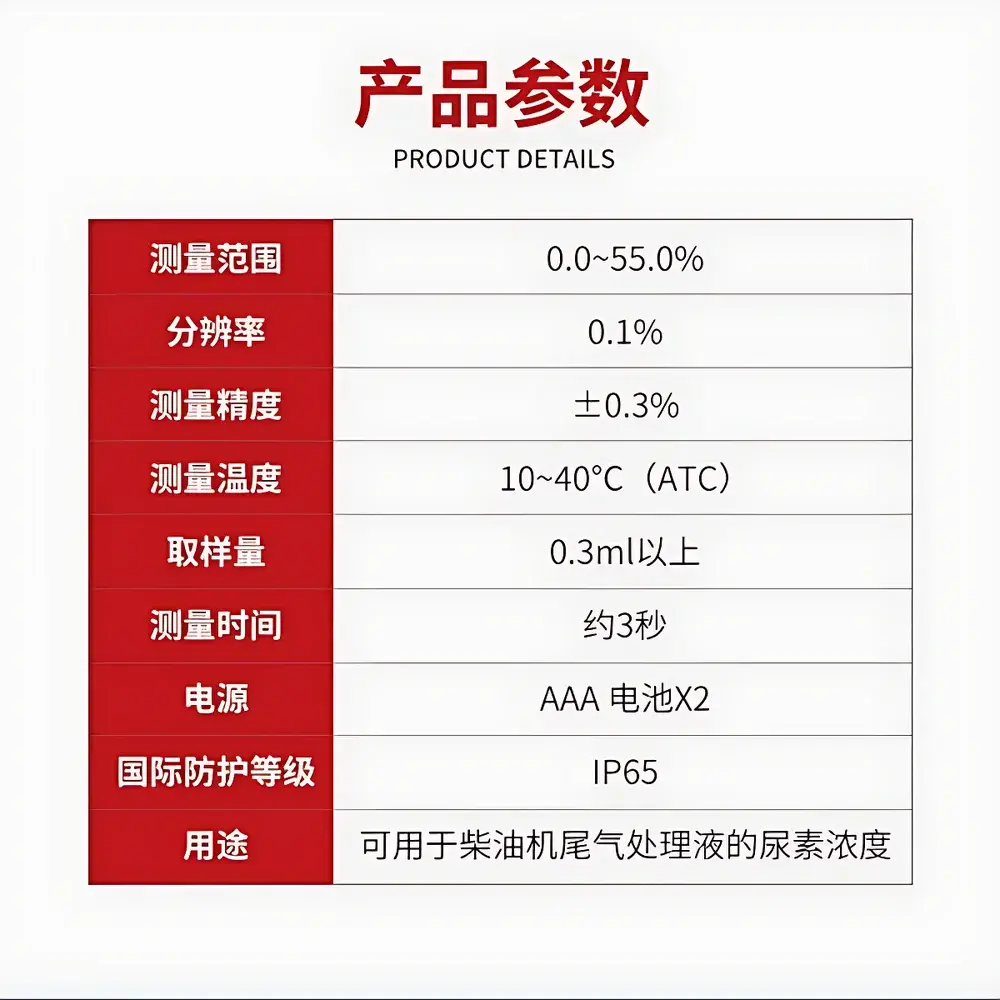
| Temperature Compensation | Automatic (ATC, 10–40 °C) |
| Measurement Range | 0.0–45.0% Brix |
| Accuracy | ±0.4% Brix |
| Operating Temperature | 10–40 °C |
| Sample Volume | ~0.3 mL |
| Calibration | Single-point with distilled water or standard sucrose solution |
| Compliance | ISO 2173, AOAC 932.12, ASTM D1074 |
Overview
The ATAGO PAL Series Automotive & Aerospace Heat-Treatment Dedicated Digital Portable Refractometer is a precision optical instrument engineered for rapid, field-deployable concentration measurement in demanding industrial environments. Based on the fundamental principle of total internal reflection at the prism-sample interface, this refractometer quantifies the refractive index of aqueous solutions and correlates it to solute concentration—expressed as % Brix (sucrose mass fraction)—using a calibrated optical scale. Unlike general-purpose handheld units, the PAL Series variant is specifically optimized for process-critical applications in automotive coolant formulation, aerospace hydraulic fluid monitoring, and heat-treatment quenching bath control, where thermal stability, mechanical robustness, and consistent repeatability under variable ambient conditions are non-negotiable. Its solid-state optical path, sapphire-coated measuring prism, and sealed optical chamber ensure long-term calibration integrity even after repeated exposure to oils, glycols, and high-temperature quenchants.
Key Features
- Digital LCD display with backlight for high-contrast readability in low-light shop-floor or hangar environments
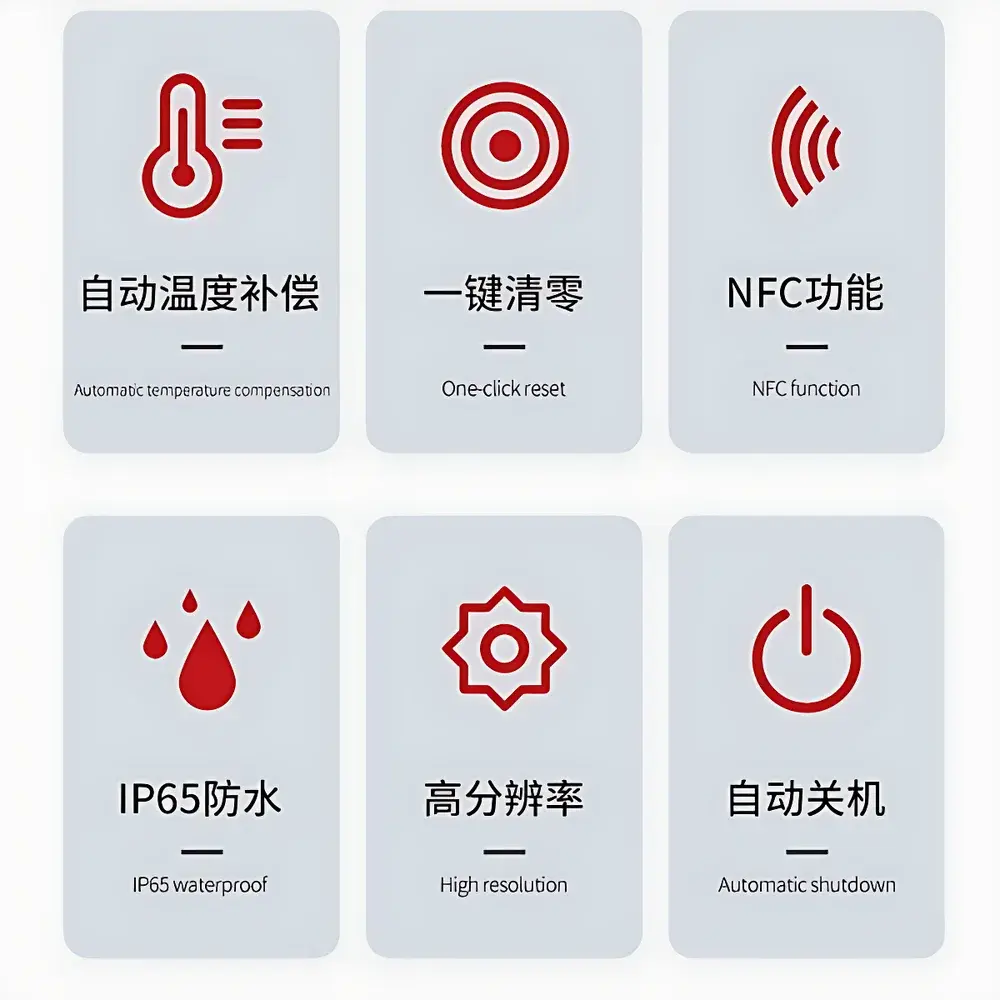
- Automatic Temperature Compensation (ATC) across 10–40 °C, eliminating manual correction and minimizing drift during transient thermal conditions typical in heat-treatment lines or aircraft maintenance bays
- IP65-rated enclosure certified for dust ingress protection and resistance to water jets—enabling safe operation near coolant splashes, quench tank mist, or hydraulic fluid handling zones
- Compact ergonomic design (138 × 64 × 39 mm) and lightweight construction (<150 g) for one-handed use during mobile QA inspections or in-flight fluid checks
- Sapphire-hardened measuring prism surface resists scratching from abrasive contaminants commonly found in metalworking fluids and heat-treat salts
- Fast measurement cycle (<2 seconds) with auto-hold function to capture stable readings without operator-induced parallax error
- Non-destructive, solvent-free analysis requiring only 0.3 mL sample volume—ideal for limited-access sampling points or precious fluid batches
Sample Compatibility & Compliance
The PAL Series refractometer is validated for direct measurement of ethylene glycol–water antifreeze mixtures (automotive), phosphate ester and synthetic hydrocarbon-based hydraulic fluids (aerospace), and polymer-based aqueous quenchants (heat treatment). It maintains accuracy across viscosity ranges up to 100 mPa·s and accommodates mildly turbid or colored samples without filtration, thanks to its high-intensity LED illumination and optimized optical aperture. The instrument conforms to ISO 2173 (fruit juice and related products), AOAC Official Method 932.12 (refractometric determination of soluble solids), and ASTM D1074 (standard test method for refractive index of asphaltic materials), providing traceable metrological alignment for quality control documentation. While not FDA 21 CFR Part 11–compliant out-of-the-box (as it lacks audit-trail logging), its measurement output supports GLP/GMP-aligned record-keeping when paired with external digital logbooks.
Software & Data Management
This standalone refractometer operates without proprietary software or PC connectivity. All calibration, measurement, and unit conversion functions are embedded in firmware. Zero-point verification (“START ZERO”) is performed via distilled water or certified Brix standards; no external software update is required for routine operation. For enterprise integration, users may manually transcribe results into LIMS or SAP QM modules using standardized Brix reporting templates. Optional accessories—including a ruggedized carrying case with calibration kit and NIST-traceable reference standards—support documented calibration intervals per ISO/IEC 17025 requirements.
Applications
- Verification of ethylene glycol concentration in engine coolants to prevent freezing point deviation and corrosion inhibitor depletion
- Routine monitoring of phosphate ester hydraulic fluid dilution in aircraft landing gear systems during scheduled maintenance
- Real-time control of polyalkylene glycol (PAG) quenchant concentration in batch heat-treatment furnaces to ensure consistent hardness profiles and minimize distortion
- On-site validation of cleaning agent concentration in aerospace component degreasing baths
- Field inspection of brake fluid hygroscopicity via refractive index correlation (supplemental to boiling point testing)
FAQ
Does this refractometer require periodic recalibration?
Yes—ATAGO recommends daily zero-point verification before first use and full calibration against a certified standard at least once per shift in production environments. Calibration frequency should be adjusted per internal SOPs based on usage intensity and criticality of measurement.
Can it measure non-sucrose solutions accurately?
It provides reliable relative concentration tracking for glycols, glycerol, and PAGs when calibrated with application-specific reference curves. Absolute % Brix values for non-sucrose analytes should be interpreted as equivalent sucrose concentration unless empirically correlated.
Is the ATC function compatible with hot quenching baths above 40 °C?
No—the ATC range is strictly 10–40 °C. Samples exceeding 40 °C must be cooled to within this range prior to measurement to maintain specified accuracy.
What is the expected service life of the LED light source?
The high-efficiency LED has a rated lifetime of >50,000 hours under normal operating conditions, effectively eliminating light-source replacement during the instrument’s operational lifespan.
How does the sapphire coating improve durability compared to standard glass prisms?
Sapphire (Al₂O₃) exhibits a Mohs hardness of 9, making it highly resistant to abrasion from metallic particulates, salt crystals, and carbonaceous residues common in heat-treatment and aviation maintenance settings.




