
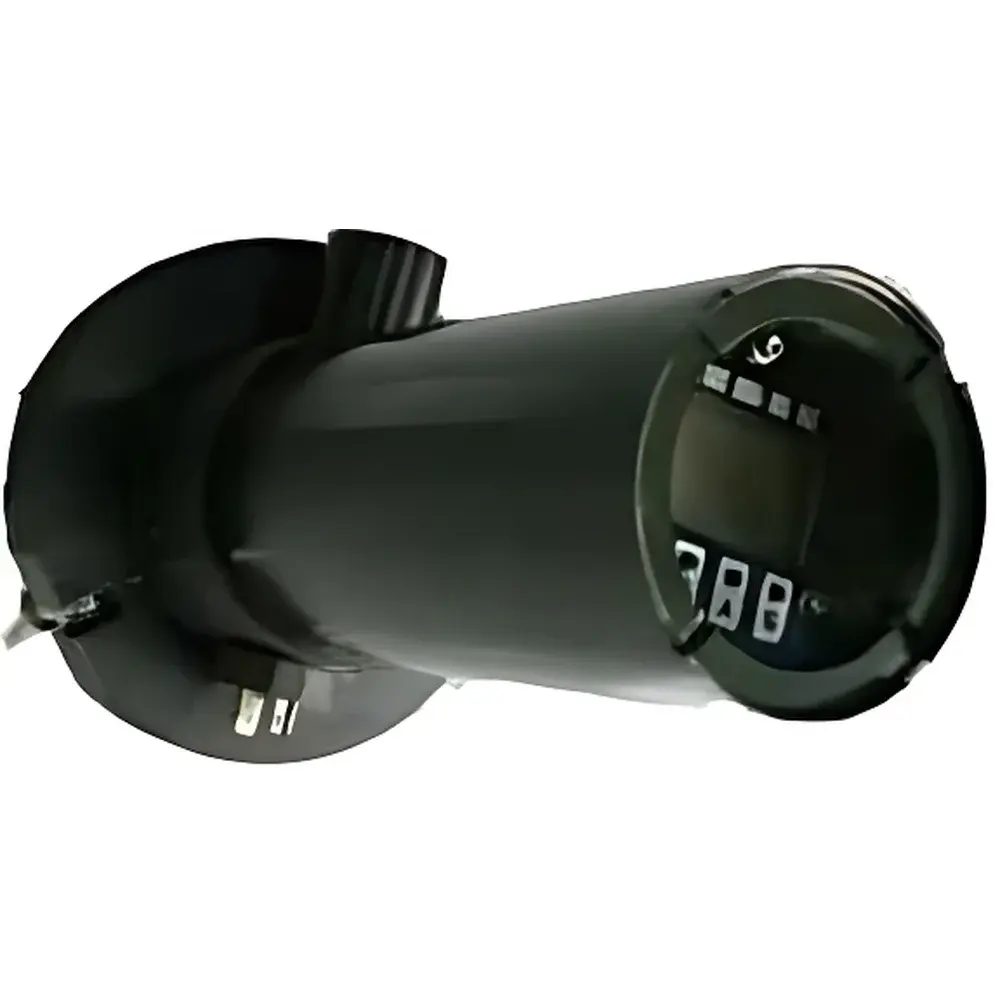
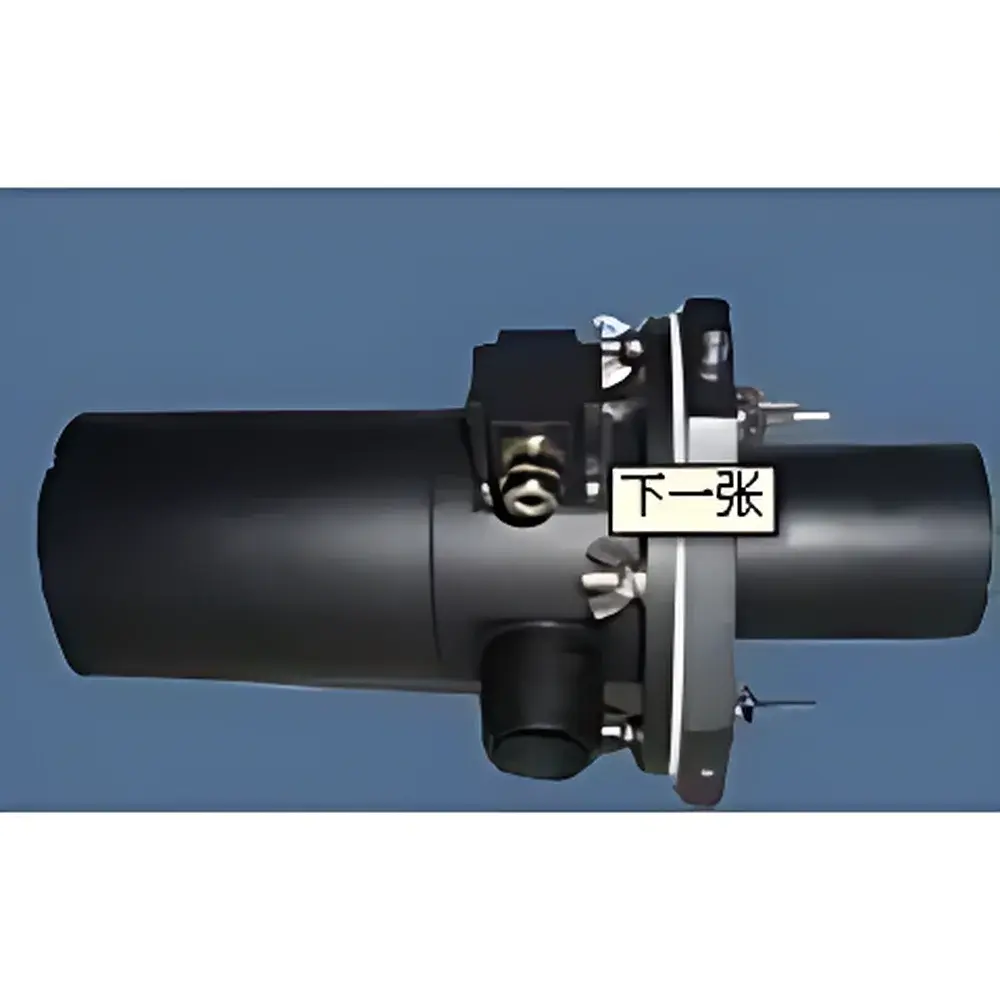
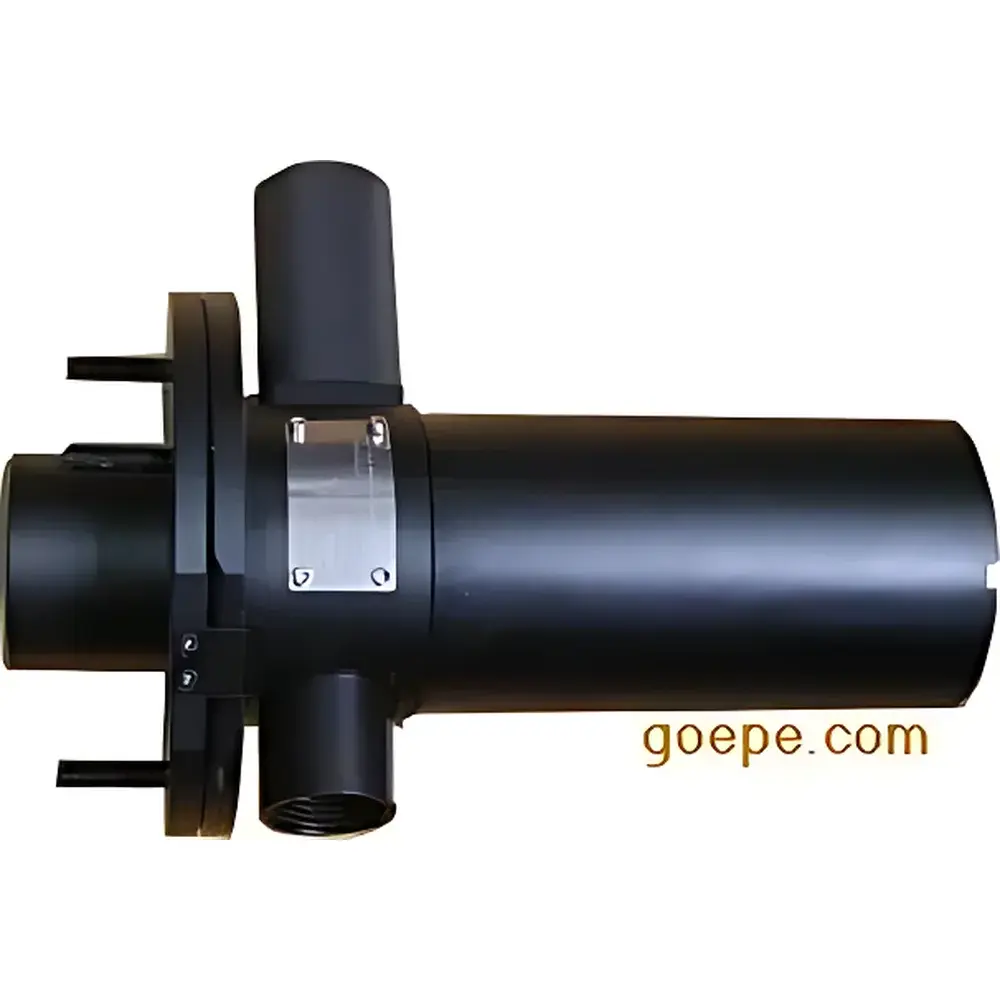
Laser Backscatter Dust Concentration Analyzer MODEL3020
| Origin | Beijing, China |
|---|---|
| Manufacturer Type | Authorized Distributor |
| Origin Category | Domestic (China) |
| Model | MODEL3020 |
| Pricing | Available Upon Request |
| Measurement Principle | Laser Backscatter |
| Output Signal | 4–20 mA (max. load 500 Ω) |
| Power Supply | DC 16–24 V ±10% |
| Power Consumption | ≤3 W |
| Operating Temperature | −40 °C to +65 °C |
| Relative Humidity | 0–100 % RH |
| Max. Process Gas Temperature | 300 °C (custom high-temp option available) |
| Accuracy | ±2 % FS |
| Detection Limit | 2 mg/m³ |
| Measurement Range | 0–200 mg/m³ (standard), extendable to 0–10 g/m³ (configurable) |
| Flue Diameter Compatibility | 1–15 m |
| Flue Wall Thickness Limit | ≤400 mm |
| Optical Installation | Single-ended, alignment-free |
| Enclosure Dimensions | 160 × 160 × 250 mm |
| Weight | 4 kg |
| IP Rating | IP65 (with optional rain shield) |
Overview
The Laser Backscatter Dust Concentration Analyzer MODEL3020 is an industrial-grade, in-situ particulate matter (PM) monitoring instrument engineered for continuous, real-time measurement of dust concentration in hot, humid, and turbulent flue gas streams. It operates on the principle of laser backscatter photometry—where a collimated near-infrared laser beam interacts with suspended particles in the measurement zone, and the intensity of the retro-reflected light is quantitatively correlated to mass concentration via calibrated Mie scattering models. Unlike transmission-based optical methods, this single-ended configuration eliminates sensitivity to optical misalignment, mechanical vibration, or refractive index gradients induced by non-uniform gas temperature profiles—making it especially robust for deployment in power plants, iron & steel mills, cement kilns, and waste incineration facilities.
Key Features
- Single-ended, alignment-free optical design: No opposing transmitter/receiver pair required; installation completed in under 10 minutes using only one screwdriver—no bolts, nuts, or optical calibration tools.
- High environmental resilience: Rated for operation at −40 °C to +65 °C ambient, 0–100 % RH, and compatible with flue gas up to 300 °C (high-temperature probe variants available upon specification).
- Low-power architecture: Total system consumption ≤3 W, enabling integration into energy-constrained monitoring networks or solar-powered remote sites.
- Industrial-standard analog output: Isolated 4–20 mA current loop compliant with IEC 61000-6-2/4 EMC standards; supports load up to 500 Ω for direct connection to DCS, PLC, or CEMS front-end systems.
- Configurable measurement range: Factory-default 0–200 mg/m³ optimized for regulatory compliance monitoring; extended range up to 0–10 g/m³ available for process control applications such as baghouse leak detection or cyclone efficiency assessment.
- Ruggedized mechanical design: IP65-rated enclosure (with optional integrated rain shield); compact footprint (160 × 160 × 250 mm) and lightweight (4 kg) facilitate mounting on circular or rectangular ducts from 1 m to 15 m in diameter.
Sample Compatibility & Compliance
The MODEL3020 is validated for use with heterogeneous particulate phases typical of combustion and industrial processes—including fly ash, cement kiln dust, sinter plant fumes, and lime slurry aerosols. Its measurement algorithm accounts for particle size distribution effects within the Mie regime (typical dp = 0.1–20 µm), and factory calibration traceability is maintained per ISO/IEC 17025-accredited procedures. The analyzer complies with key regulatory frameworks for continuous emissions monitoring systems (CEMS), including EN 15267-3 (QAL1 certification readiness), EPA Method 9 and PS-11 equivalency for opacity-independent PM monitoring, and supports audit-ready data logging for GLP/GMP and ISO 14001-aligned environmental management systems. Optional firmware modules enable 21 CFR Part 11-compliant electronic signatures and audit trails when integrated with validated data acquisition platforms.
Software & Data Management
While the MODEL3020 operates autonomously as a hardwired analog sensor, its 4–20 mA output is fully interoperable with industry-standard SCADA, CEMS, and cloud-based IoT platforms (e.g., Siemens Desigo, Honeywell Experion, or custom MQTT-enabled gateways). Configuration parameters—including zero/span offsets, range scaling, damping time constants, and alarm thresholds—are accessible via local IR interface or optional RS-485 Modbus RTU port (addressable as slave ID 1–247). All parameter changes are timestamped and logged internally (non-volatile memory) to support traceability requirements under EU Industrial Emissions Directive (IED) reporting obligations. Remote diagnostics—including laser diode health status, detector signal-to-noise ratio, and internal temperature drift compensation—are exposed via Modbus register mapping for predictive maintenance planning.
Applications
- Regulatory CEMS integration for stack emission reporting (e.g., China’s HJ 75–2017, EU’s BREF documents, US EPA 40 CFR Part 60).
- Real-time feedback control of electrostatic precipitators (ESPs), fabric filters, and wet scrubbers.
- Leak detection and performance verification of dust collection systems during commissioning and routine maintenance.
- Process optimization in rotary kilns, clinker coolers, and raw mill exhaust streams.
- Distributed monitoring networks: Multiple MODEL3020 units can share a centralized data acquisition unit (DAU) with unified HMI visualization and alarm management.
FAQ
Is the MODEL3020 certified for use in hazardous areas (e.g., ATEX or IECEx)?
No—standard units are rated for Zone 2 / Class I Div 2 environments. Explosion-proof variants (ATEX II 2G Ex db IIB T4 Gb) are available under separate model designation and require factory customization.
Can the measurement range be adjusted in the field without recalibration?
Yes—range scaling (e.g., switching between 0–200 mg/m³ and 0–2 g/m³) is software-configurable via Modbus; however, full span verification with NIST-traceable reference aerosol is recommended after any major range change.
What flue wall thickness and material compatibility should be considered during installation?
The standard probe accommodates wall thicknesses up to 400 mm. For refractory-lined ducts or insulated stacks, thermal lag compensation and probe insertion depth must be verified against ASME PTC 29 guidelines.
Does the analyzer require periodic optical cleaning or purge air?
No—its sealed optical head and hydrophobic window coating resist fouling under typical flue conditions; optional ultrasonic transducer-based window cleaning kits are available for high-dust applications.
How is measurement accuracy verified during routine QA/QC?
Field validation is performed using portable beta attenuation monitors (BAM) or gravimetric sampling per ISO 12141, with correlation analysis conducted over ≥72 hours to meet EN 15267-3 QAL2 requirements.
Related Products







