
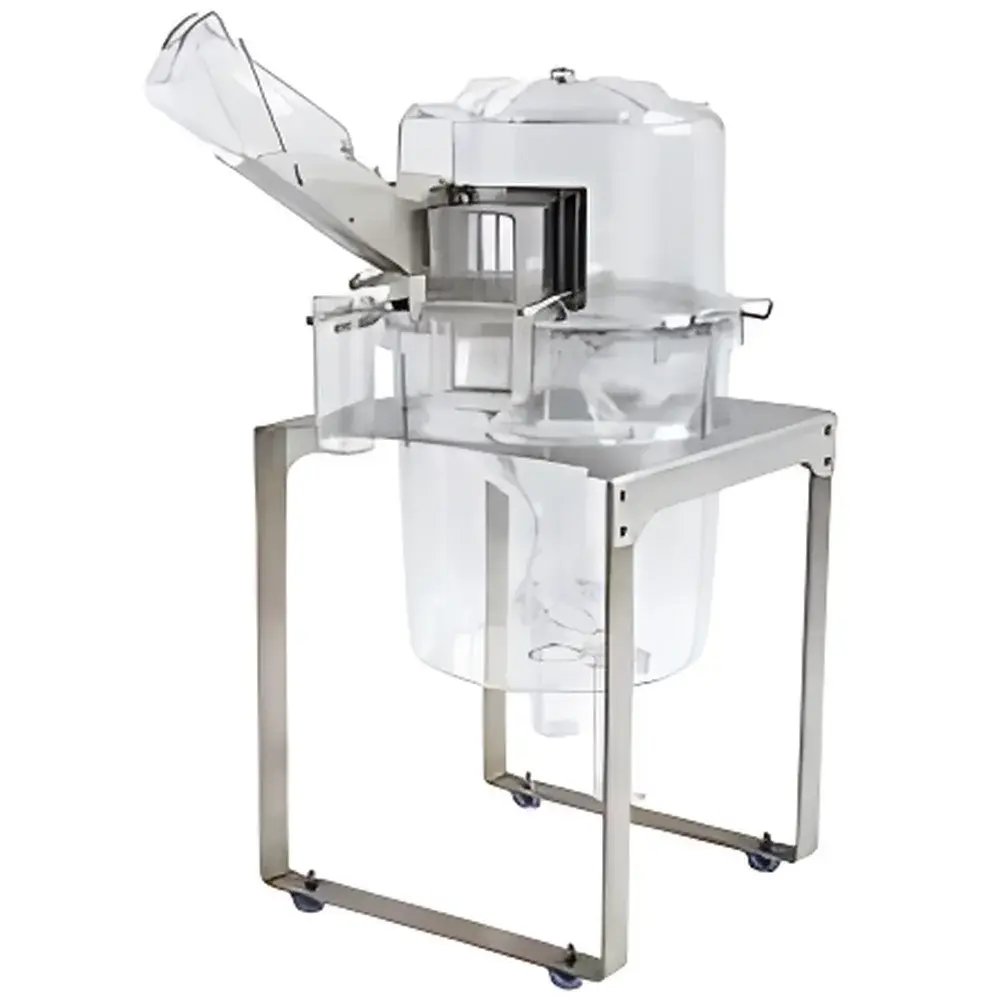
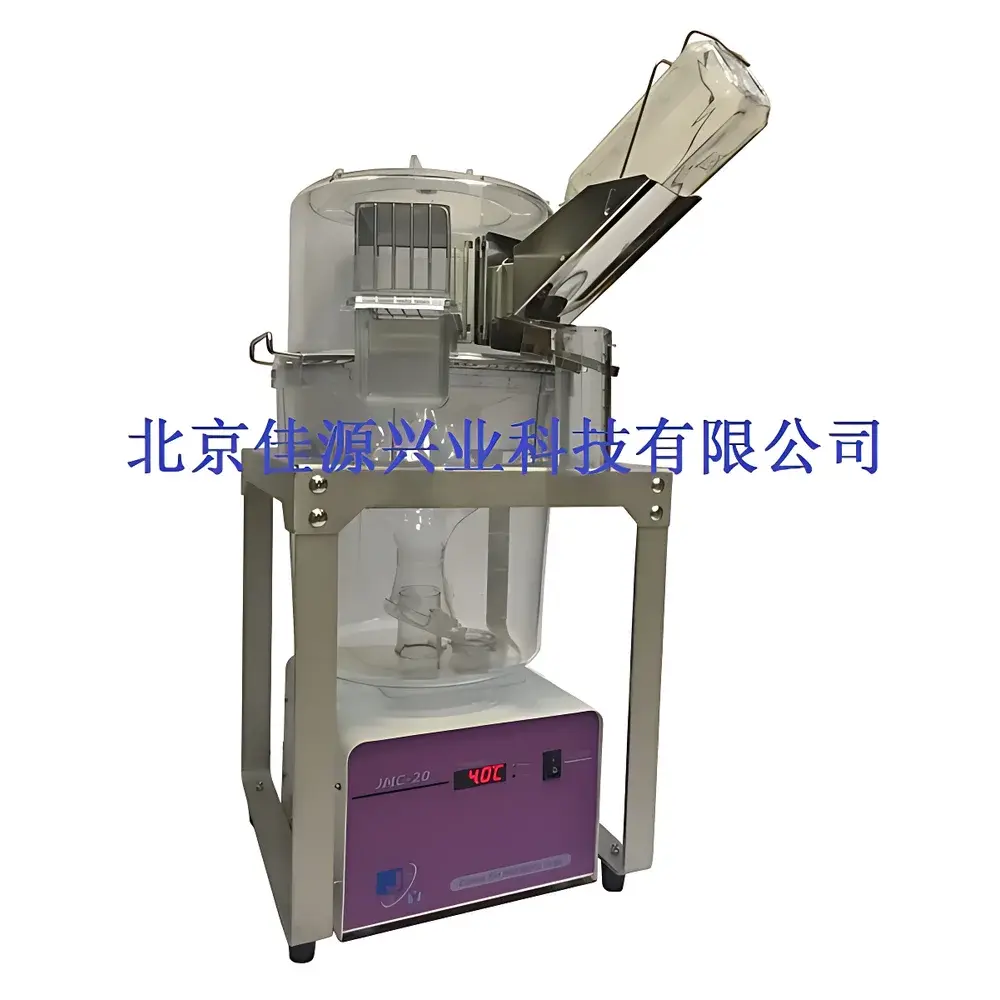
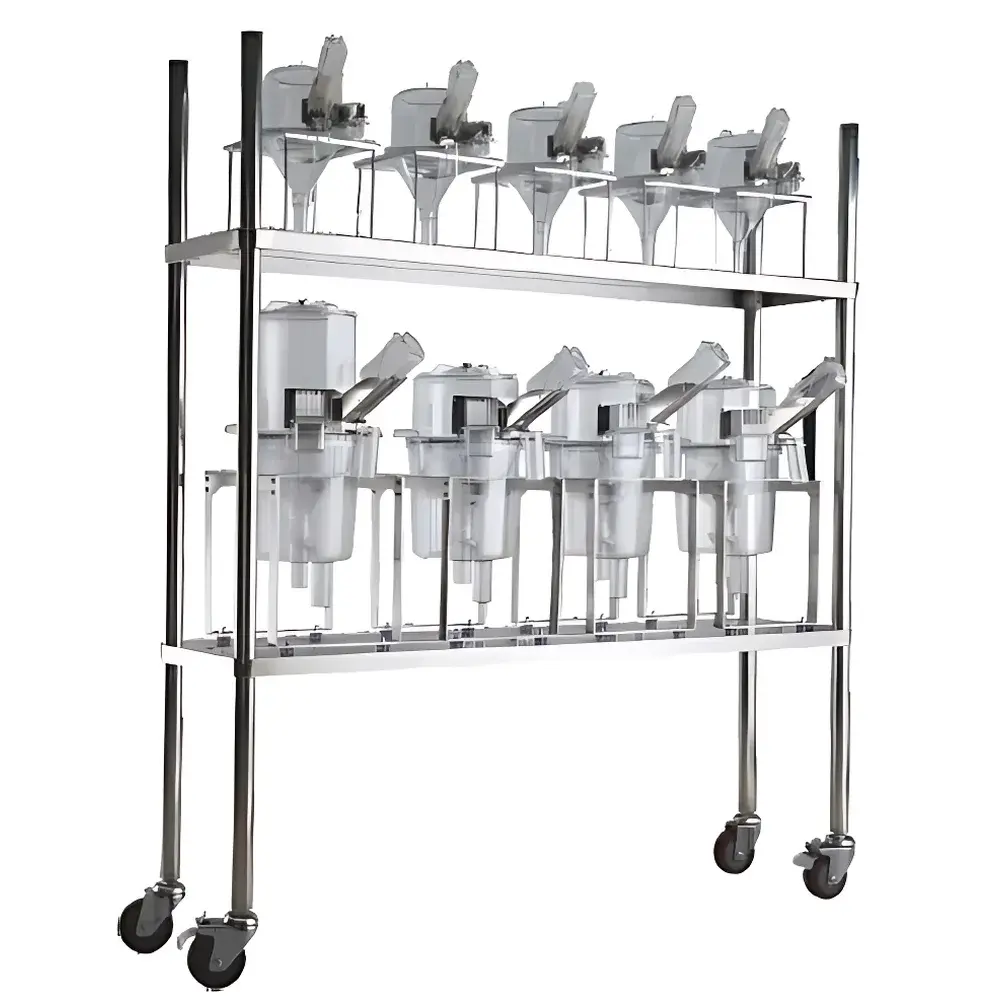
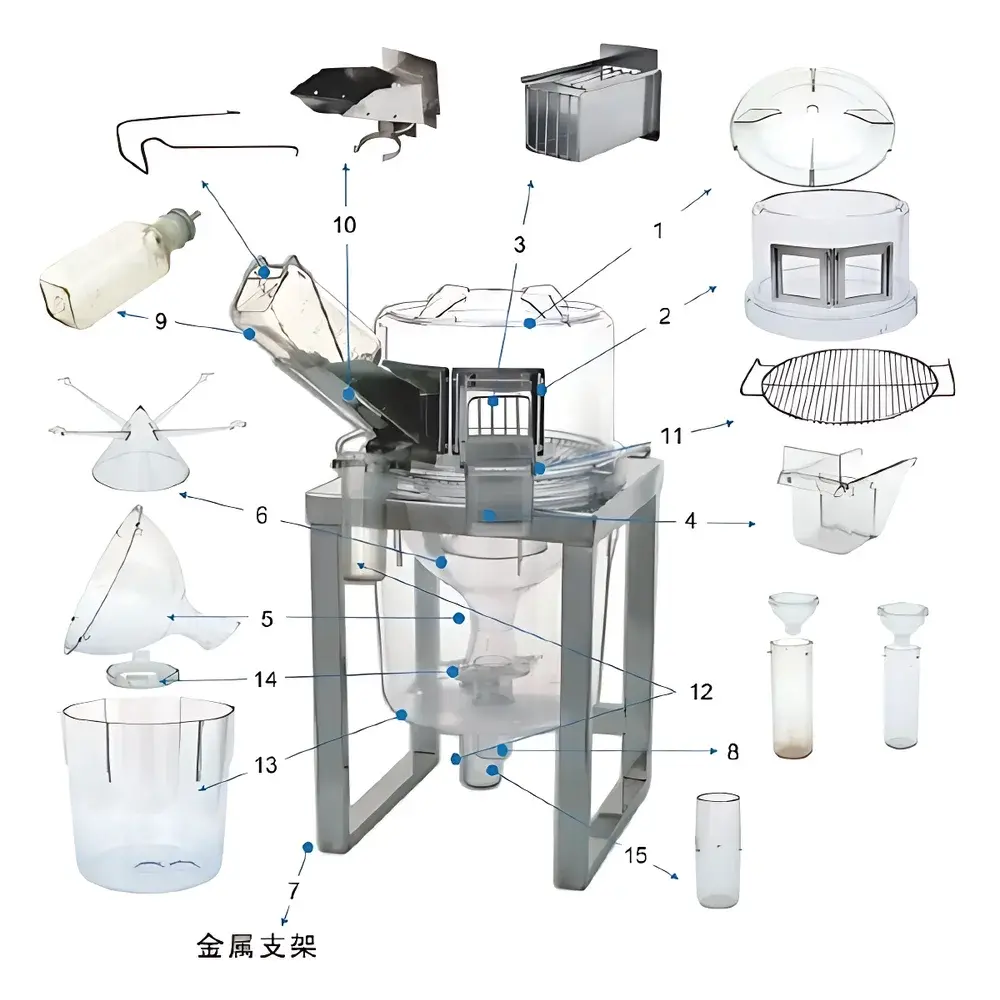
Jiayuan DXL-D Rat Metabolic Cage
| Brand | Jiayuan |
|---|---|
| Origin | Beijing, China |
| Model | DXL-D |
| Construction Material | Polycarbonate (PC) |
| Dimensions (W×D×H) | 30 × 30 × 65 cm |
| Cage Capacity | Single adult rat (200–500 g) |
| Urine Collection | Funnel-cone separation system with anti-evaporation collection bottles |
| Feces Collection | Dedicated conical separator and dedicated fecal tube |
| Feed System | Dual-tier feed tray with drawer-style loading |
| Water Delivery | Calibrated drip tube with evaporation-resistant design |
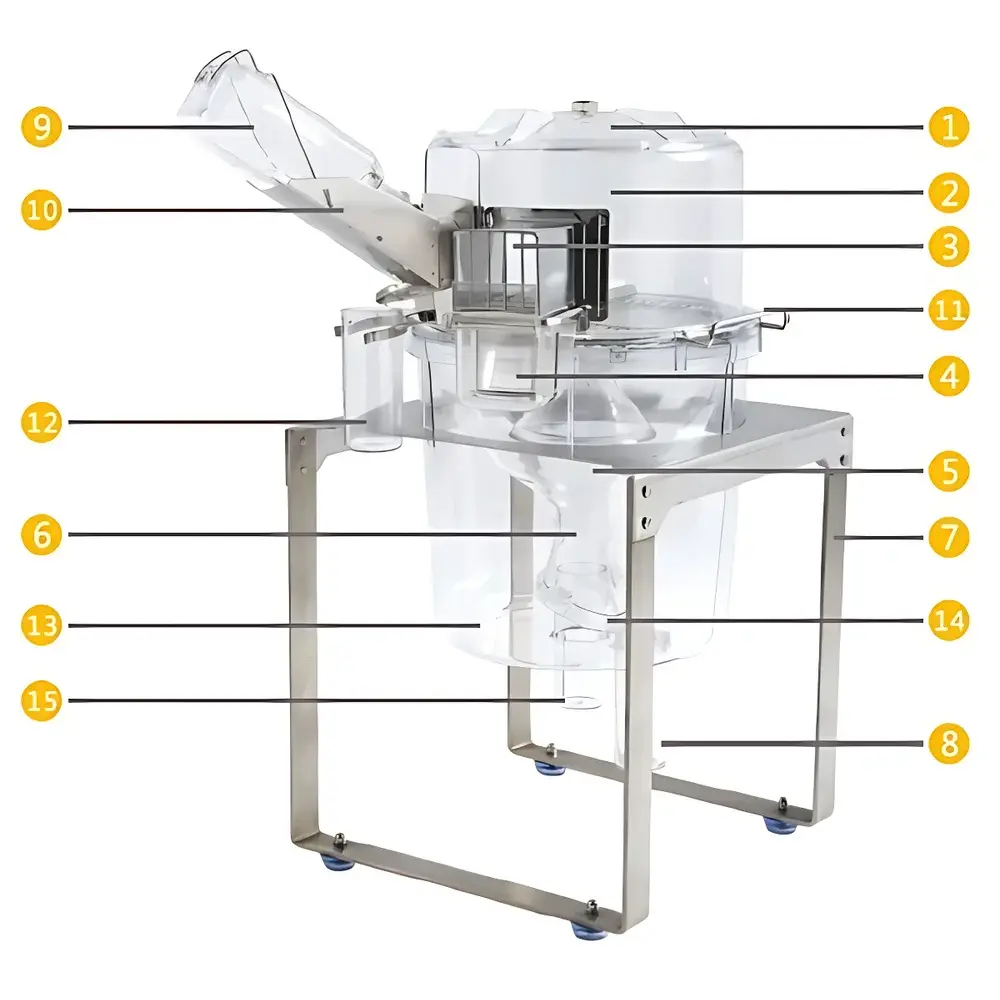
| Cleanability | Fully disassemblable into 15 modular components |
| Optional Accessory | Refrigerated urine collection module (−4 °C to +8 °C) |
Overview
The Jiayuan DXL-D Rat Metabolic Cage is an engineered platform for non-invasive, time-resolved quantification of metabolic outputs—including urine volume, urinary solute excretion, fecal mass, and voluntary food/water intake—in conscious, unrestrained Sprague-Dawley or Wistar rats. Designed around the principle of gravitational phase separation, the system utilizes a precision-machined polycarbonate funnel-cone architecture to achieve physical isolation of urine and feces without chemical intervention, enzymatic interference, or mechanical agitation. This passive separation mechanism ensures sample integrity for downstream assays including ELISA, LC-MS, creatinine clearance calculation, electrolyte profiling, and metabolomic analysis. The cage operates under standard vivarium conditions (22 ± 2 °C, 50 ± 10% RH, 12-h light/dark cycle) and complies with NIH Guide for the Care and Use of Laboratory Animals requirements for chronic metabolic monitoring over 24–48 h periods.
Key Features
- Modular 15-component design enables rapid disassembly, sterilization, and reconfiguration—critical for longitudinal studies requiring cross-animal consistency.
- Gravity-driven funnel-cone separation system ensures >99.2% urinary-fecal isolation efficiency, validated via dye-tracer co-administration and gravimetric verification per ASTM E2917-22.
- Dual-tier feed tray with secondary containment lip prevents feed spillage into fecal collection zones; drawer-style loading eliminates animal disturbance during feeding.
- Calibrated water delivery system features a 250 mL PC reservoir with integrated drip tube, graduated in 1 mL increments and fitted with vapor-lock cap to minimize evaporation error (<±0.8% over 48 h at 22 °C).
- All fluid-contact surfaces are fabricated from medical-grade polycarbonate (ISO 10993-5 compliant), ensuring chemical resistance to common disinfectants (70% ethanol, 0.5% sodium hypochlorite) and eliminating protein adsorption artifacts.
- Optional refrigerated urine collection module maintains samples at 4 °C ± 1 °C during extended collection—validated for stability of angiotensin II, cortisol, and catecholamines per USP guidelines.
Sample Compatibility & Compliance
The DXL-D is validated for use with male and female rats weighing 200–500 g. Its open-grid floor geometry (6 mm spacing) supports natural ambulation while enabling unobstructed excreta drop-through. Urine is channeled via a 15°-inclined funnel into a sterile, screw-cap 50 mL polypropylene collection vial (supplied); feces fall through a concentric conical aperture into a separate 100 mL collection tube. All components meet ISO 7218:2018 microbiological safety standards for reusable labware. The system supports GLP-compliant data acquisition when paired with calibrated analytical balances (±0.001 g) and volumetric pipettes traceable to NIST SRM 2192. It is compatible with IACUC-approved protocols requiring 24-h or 48-h collection windows under AAALAC-accredited facilities.
Software & Data Management
While the DXL-D operates as a hardware-only platform (no embedded electronics), it integrates seamlessly with third-party laboratory information management systems (LIMS) and electronic lab notebooks (ELN). Standardized collection vial labeling (per ANSI/AAMI ST72:2022) enables barcode-based sample tracking. Urine volume, fecal mass, food intake, and water consumption data are manually recorded using templates aligned with MIAME and MIAPE metadata standards. For automated data capture, the system interfaces with digital analytical balances equipped with RS-232/USB output and compatible with LabArchives or Benchling via CSV import. Audit trails for all manual entries must conform to FDA 21 CFR Part 11 requirements when used in regulated preclinical studies.
Applications
- Renal pharmacology: Quantitative assessment of diuretic efficacy, glomerular filtration rate (GFR) estimation via inulin or creatinine clearance.
- Metabolic disease modeling: Longitudinal monitoring of diabetic nephropathy progression, dietary-induced obesity phenotyping, and gut-microbiome–host metabolite flux.
- Toxicology screening: 48-h urine biomarker profiling (KIM-1, NGAL, clusterin) following nephrotoxicant exposure.
- Nutritional science: Macronutrient balance studies, calcium/phosphorus retention assays, and nitrogen balance calculations.
- Neuroendocrine research: Circadian corticosterone rhythm sampling without handling stress artifacts.
FAQ
What is the maximum recommended rat weight for sustained use in the DXL-D cage?
The DXL-D is optimized for rats weighing 200–500 g. Animals exceeding 500 g may compromise grid-floor clearance and increase risk of hindlimb entrapment.
Can the cage be autoclaved?
No. Polycarbonate components are heat-sensitive above 121 °C. Cleaning is validated for immersion in 2% Alconox® solution at 45 °C for 15 min, followed by triple deionized water rinse and air-drying in laminar flow.
Is the funnel-cone assembly resistant to hydrochloric acid or organic solvents?
The PC body resists dilute HCl (≤0.1 M) and aqueous ethanol (≤70%), but is incompatible with acetone, chloroform, or THF—exposure causes crazing and dimensional instability.
How is evaporation minimized in the urine collection vial?
Each vial includes a PTFE-lined screw cap and a recessed internal septum; when combined with the funnel’s low-profile exit port, headspace volume is reduced by 63% versus conventional designs, limiting evaporation to <1.2 µL/h at 22 °C.
Does the system support pair-housing?
No. The DXL-D is a single-animal unit. Pair-housing compromises metabolic partitioning fidelity and violates NIH-defined space requirements for metabolic cages.





