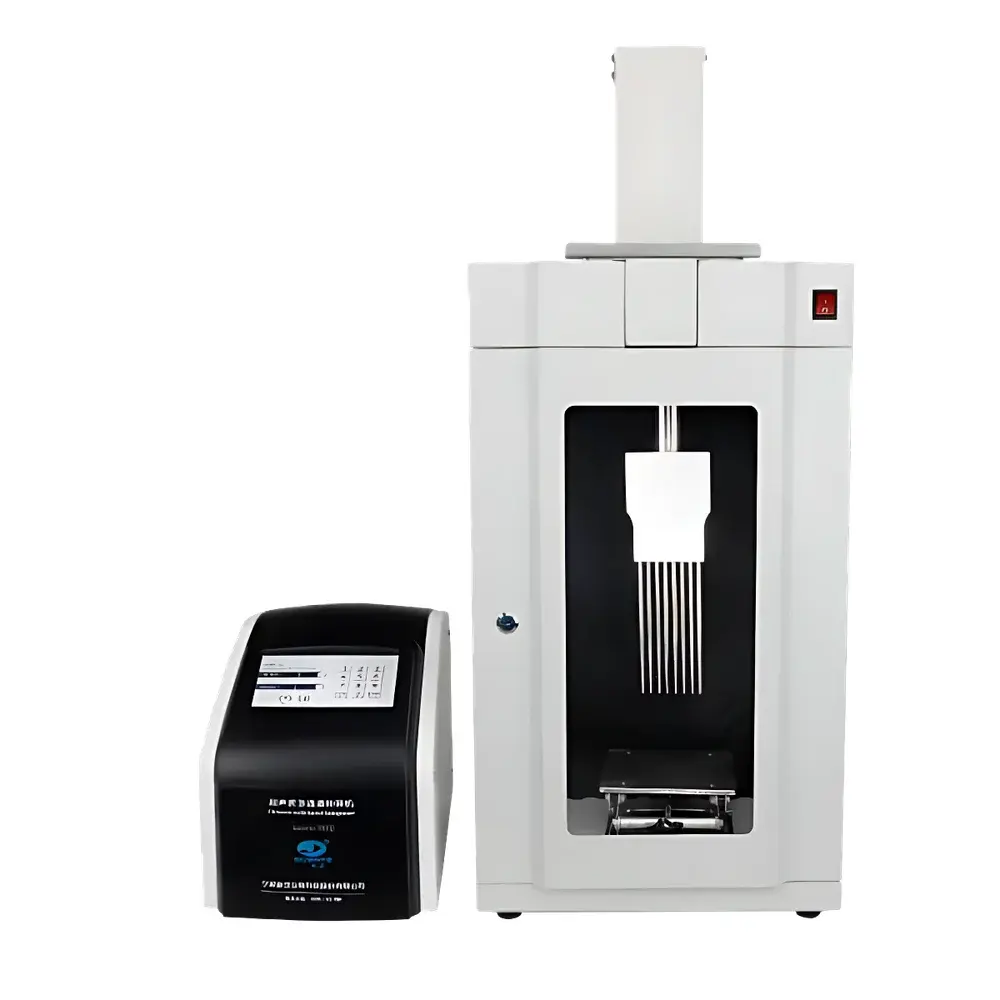
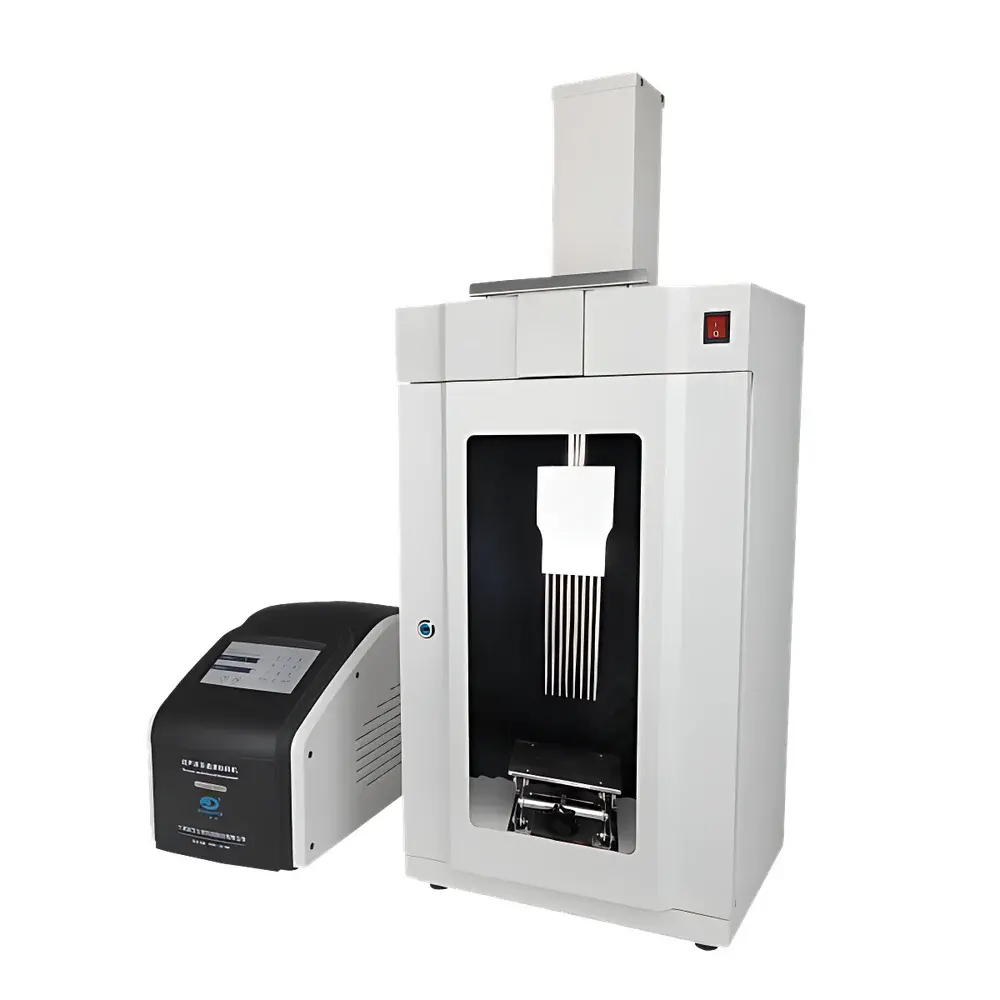
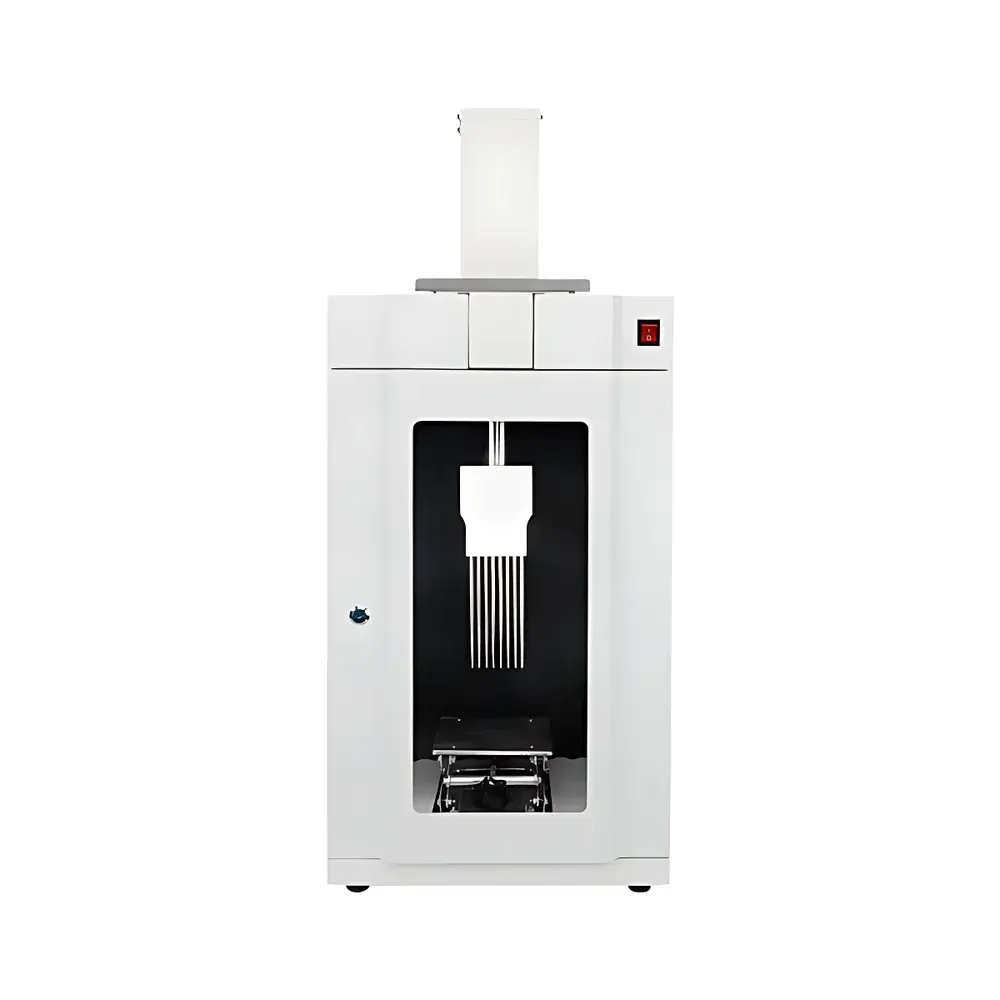
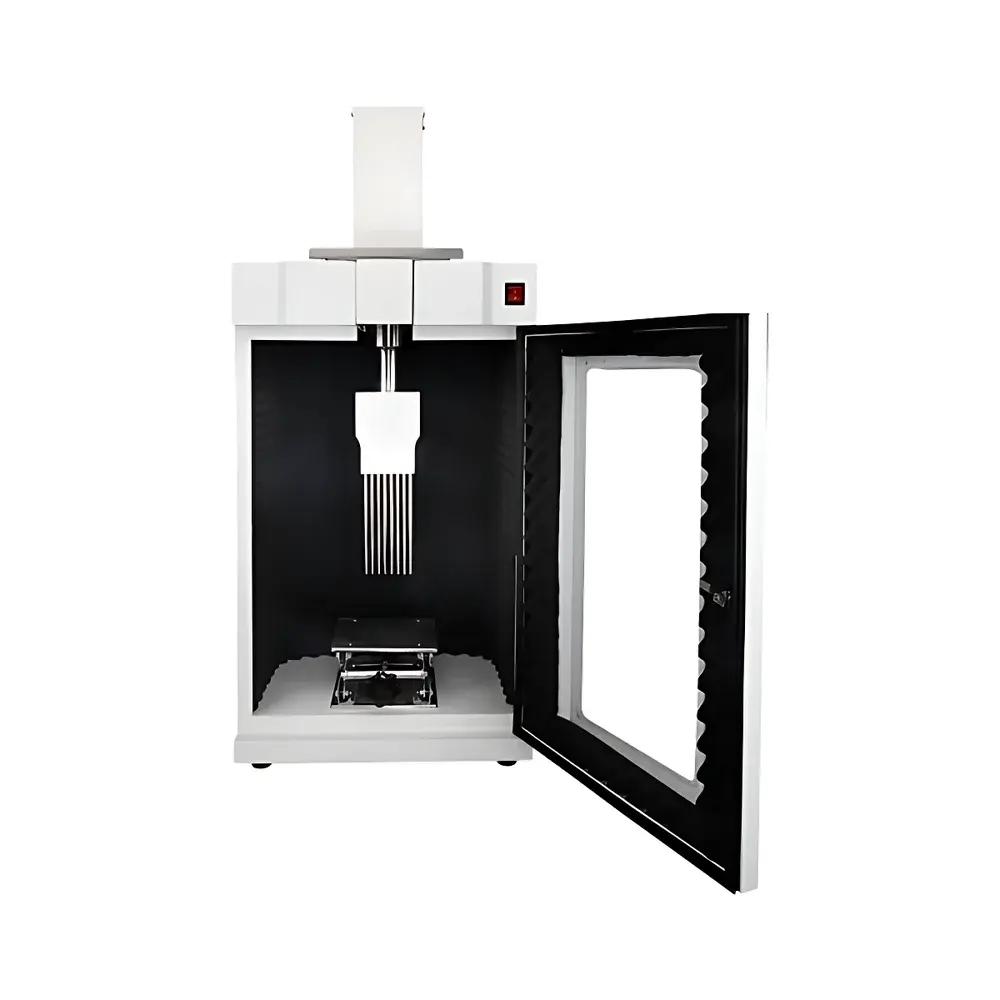
Ningbo Scientz SCIENTZ-6TD Multi-Sample Ultrasonic Cell Disruptor
| Brand | Ningbo Scientz |
|---|---|
| Origin | Zhejiang, China |
| Manufacturer Type | Direct Manufacturer |
| Instrument Type | Ultrasonic Cell Disruptor |
| Model | SCIENTZ-6TD |
| Operating Frequency | 20 kHz ± 0.5 kHz |
| Ultrasonic Output Power | 2400 W |
| Sample Volume per Tube | 1–50 mL |
| Number of Simultaneous Samples | 6 |
| Cooling Method | Integrated Temperature-Controlled Jacket (External Circulator Required) |
| Pulse Mode | Adjustable Continuous or Intermittent (Duty Cycle Programmable) |
| Control Interface | Touchscreen with Embedded Microprocessor |
| Program Storage | Up to 20 User-Defined Protocols |
| Safety Features | Real-Time Overtemperature & Overload Monitoring, Auto-Shutdown, Fault Diagnostics |
Overview
The Ningbo Scientz SCIENTZ-6TD Multi-Sample Ultrasonic Cell Disruptor is an engineered solution for high-throughput, reproducible lysis of biological samples under controlled acoustic conditions. It operates on the physical principle of acoustic cavitation: high-intensity ultrasound at 20 kHz generates oscillating pressure waves in liquid media, inducing transient microbubble formation and violent implosive collapse. This process delivers localized shear forces exceeding 10⁴ Pa and transient temperatures >5,000 K—sufficient to disrupt membranes of eukaryotic cells, prokaryotes, viruses, and subcellular organelles without significant thermal denaturation when properly cooled. Unlike single-probe systems, the SCIENTZ-6TD integrates six synchronized titanium alloy probes driven by a centralized high-efficiency transducer array, enabling parallel processing while maintaining amplitude uniformity across all channels—a critical requirement for comparative omics workflows such as ChIP-seq, ATAC-seq, and microbial lysate preparation for proteomics.
Key Features
- Six-channel synchronized ultrasonic delivery ensures inter-sample consistency (<±3% amplitude deviation), minimizing batch-to-batch variability in nucleic acid yield and fragment size distribution.
- 2400 W total output power with digitally regulated amplitude control (0–100% in 1% increments) supports scalable lysis—from delicate mammalian nuclei to resilient Gram-positive bacteria and fungal spores.
- Programmable pulse mode (on/off duration adjustable from 0.1–99.9 s) mitigates sample heating and preserves labile epitopes or enzymatic activity during immunoprecipitation workflows.
- Integrated temperature-sensing circuitry interfaces with external recirculating chillers (recommended: 10–25°C coolant supply) to maintain sample integrity during extended runs (>10 min).
- Touchscreen HMI stores up to 20 validated protocols with timestamped execution logs, supporting GLP-compliant documentation requirements.
- Self-diagnostic firmware continuously monitors transducer impedance, cooling flow rate, and thermal load—triggering automatic shutdown if thresholds exceed ISO 13849-1 Category 3 safety limits.
Sample Compatibility & Compliance
The SCIENTZ-6TD accommodates standard 1.5–50 mL conical tubes (including polypropylene, glass, and borosilicate variants) and is compatible with common lysis buffers (RIPA, SDS, Tris-EDTA, guanidinium salts). It meets IEC 61000-6-3 (EMC emission) and IEC 61000-6-2 (immunity) standards. While not certified for ISO 13485 or FDA 21 CFR Part 11 out-of-box, its audit-trail-capable protocol storage and error-logging architecture align with GMP/GLP documentation expectations for preclinical research environments. Validation packages—including amplitude mapping reports and inter-channel reproducibility data—are available upon request for IQ/OQ qualification.
Software & Data Management
No proprietary PC software is required; all configuration and operation occur via the onboard embedded controller. Protocol parameters (power %, duration, pulse ratio, cycle count) are saved locally with date/time stamps and user ID fields. Exportable CSV logs include real-time power delivery metrics, temperature readings, and fault codes—facilitating integration into LIMS or ELN platforms via USB flash drive. Firmware updates are delivered as signed binary files to ensure system integrity.
Applications
- High-yield nuclear extraction for chromatin shearing in epigenetic studies (ChIP-qPCR, CUT&RUN).
- Consistent bacterial cell lysis for recombinant protein purification (E. coli, Bacillus spp., Pseudomonas).
- Fragmentation of genomic DNA for library prep in next-generation sequencing platforms.
- Dispersion of nanomaterials (carbon nanotubes, graphene oxide, metal oxides) in aqueous or organic suspensions.
- Accelerated solvent extraction of phytochemicals from plant tissues and mycelial biomass.
- Homogenization of soil and sediment samples for metagenomic DNA isolation.
- Emulsification of lipid-based pharmaceutical formulations under non-thermal conditions.
FAQ
What is the recommended cooling method for sustained operation?
A recirculating chiller set to 10–15°C with ≥2 L/min flow rate is required for runs exceeding 5 minutes or when processing heat-sensitive samples (e.g., native protein complexes).
Can the SCIENTZ-6TD be used for non-contact sonication (e.g., water bath mode)?
No—this is a direct-probe system. For bath-based multi-sample disruption, consider the Scientz-12ND series.
Is probe calibration traceable to national standards?
Amplitude calibration is performed using laser vibrometry against NIST-traceable reference transducers; calibration certificates are issued with each instrument shipment.
What maintenance intervals are specified for the titanium probes?
Probes require visual inspection before each use; replacement is advised after 2,000 cumulative operating hours or upon visible pitting/cavitation erosion at the tip.
Does the device support remote monitoring or network connectivity?
Not natively—but RS-232 serial output is available for integration with building management systems or custom SCADA interfaces.