
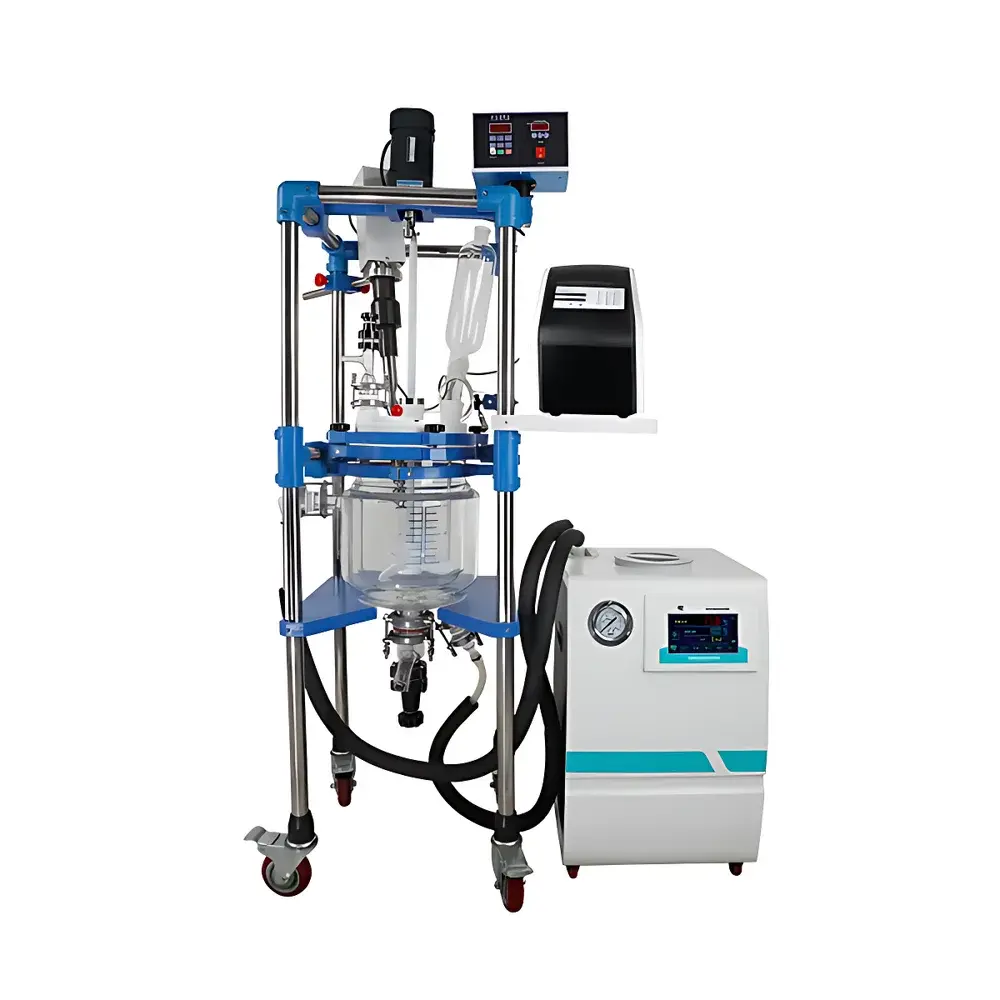
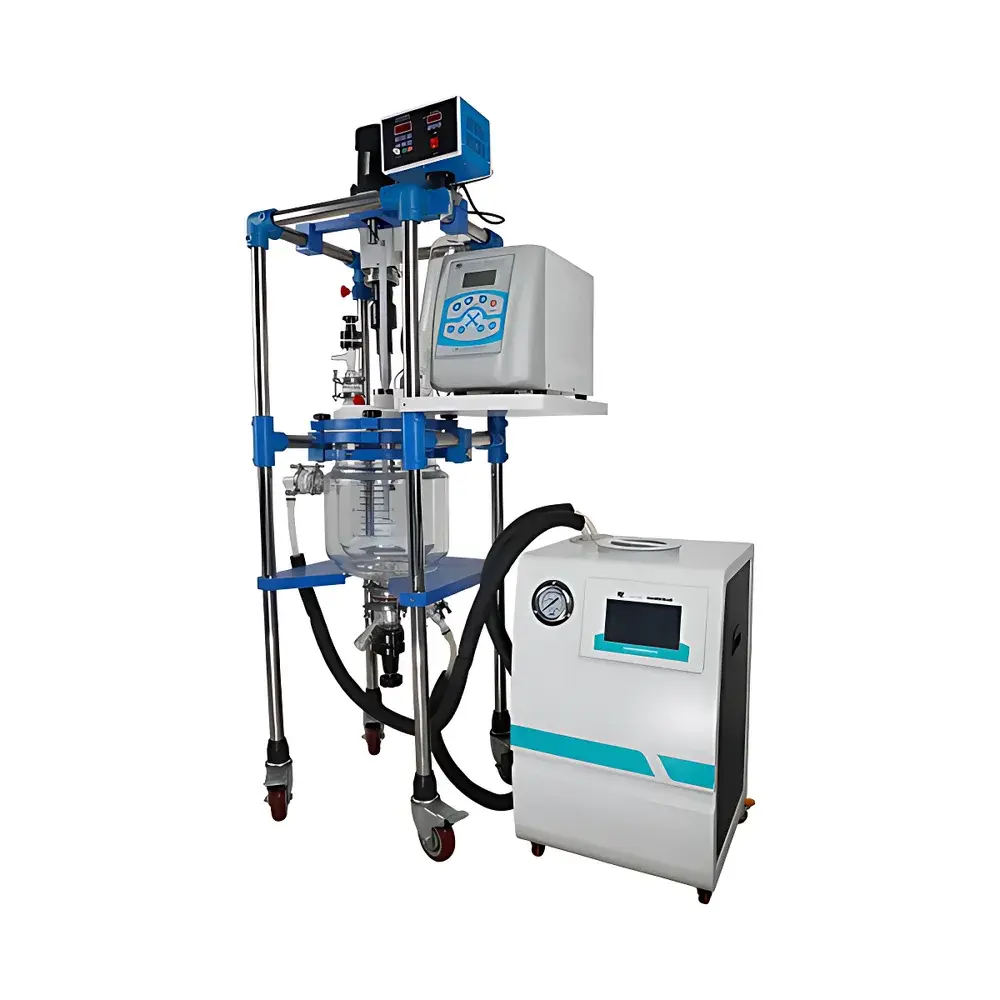
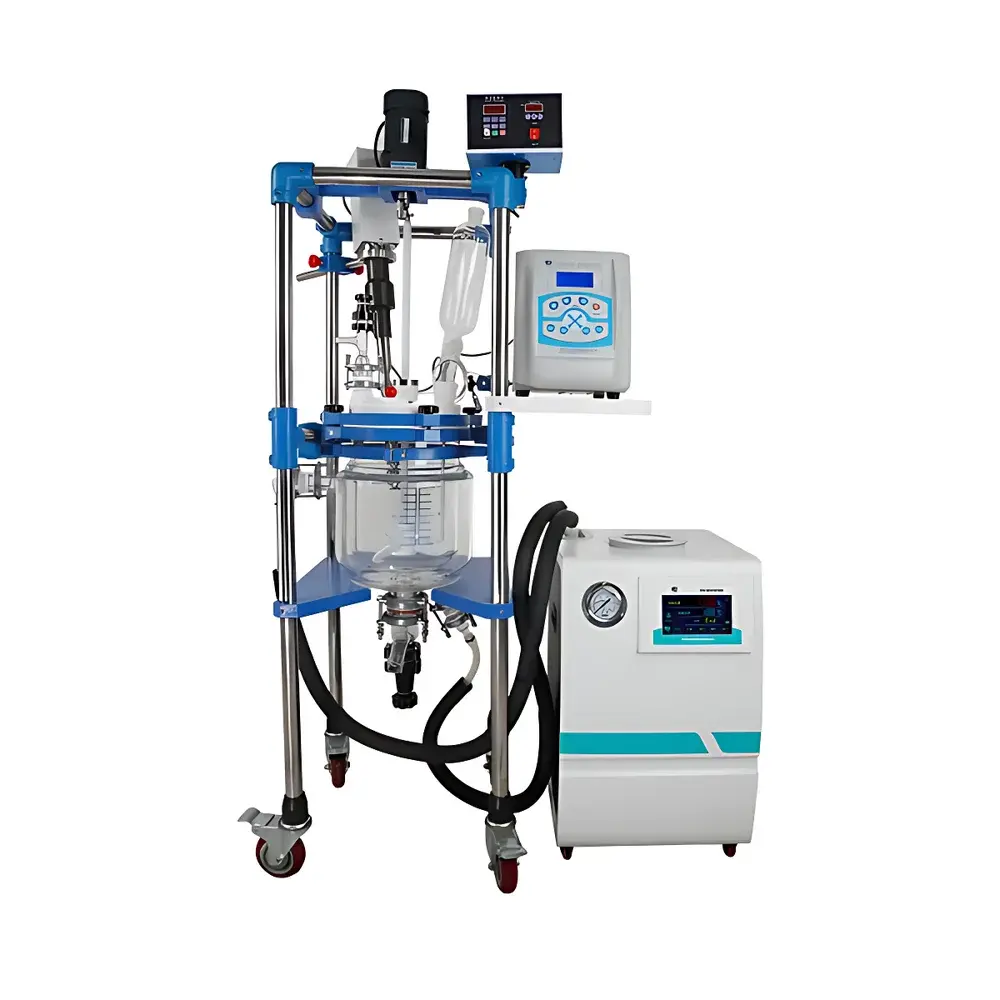
Ningbo Scientz SCIENTZ-50T Ultrasonic Extraction System
| Brand | Ningbo Scientz |
|---|---|
| Origin | Zhejiang, China |
| Manufacturer Type | Direct Manufacturer |
| Product Origin | Domestic (China) |
| Model | SCIENTZ-50T |
| Ultrasonic Power Range | 250–2400 W |
| Ultrasonic Frequency Range | 20–25 kHz |
| Temperature Control Range | −5 °C to ambient |
| Vessel Capacity | 50 L |
| Heating Power | Not specified (contact manufacturer) |
Overview
The Ningbo Scientz SCIENTZ-50T Ultrasonic Extraction System is an integrated bench-to-pilot scale platform engineered for controlled, reproducible ultrasonic-assisted extraction (UAE) of bioactive compounds, natural products, and functional ingredients. It operates on the principle of acoustic cavitation—where high-intensity ultrasound (20–25 kHz) induces transient microbubble formation, growth, and violent collapse in liquid media, generating localized shockwaves, microstreaming, and shear forces that disrupt cell walls and enhance mass transfer across solid–liquid interfaces. Unlike standalone ultrasonic probes or bath systems, the SCIENTZ-50T integrates a dual-layer glass reactor, intelligent temperature-regulated circulating bath, and digitally tunable ultrasonic generator into a single synchronized architecture—enabling simultaneous control of sonication intensity, thermal environment (−5 °C to ambient), agitation speed, and exposure duration. This architecture supports both batch-mode extractions and process-development studies under defined thermodynamic and hydrodynamic conditions, making it suitable for method transfer from R&D to pre-GMP pilot batches.
Key Features
- Modular three-component design: ultrasonic generator with digital frequency selection (20–25 kHz), double-jacketed borosilicate glass reactor (50 L capacity), and energy-efficient refrigerated circulator with real-time PT100 temperature feedback.
- Wide dynamic power range (250–2400 W) enables optimization across sample types—from delicate plant tissues to resilient microbial biomass—without probe erosion or thermal runaway.
- Integrated safety interlocks: automatic shutdown on overtemperature, low coolant level, ultrasonic transducer overheating, or reactor lid misalignment.
- Corrosion-resistant stainless-steel chassis and IP54-rated electronics enclosure ensure durability in humid or solvent-rich laboratory environments.
Microprocessor-based controller with programmable protocols: independent adjustment of sonication time (0–999 min), power output (% of max), stirring speed (0–300 rpm), and target temperature (±0.5 °C accuracy).
Sample Compatibility & Compliance
The SCIENTZ-50T accommodates heterogeneous matrices including dried herbs, algal biomass, fungal mycelia, animal tissue homogenates, and polymer-bound resins. Its jacketed reactor permits solvent compatibility with polar (e.g., ethanol/water), semi-polar (e.g., ethyl acetate), and non-polar (e.g., hexane) systems—provided vapor pressure and flash point are within safe operating limits. The system supports documentation practices aligned with GLP (Good Laboratory Practice) frameworks; all parameter logs—including timestamped power, temperature, and runtime—are exportable via USB for audit trails. While not certified to IEC 61000-6-3 or UL 61010-1 out-of-box, its electrical architecture conforms to CE-marked industrial safety principles, and users may validate performance per ASTM E2928-13 (Standard Guide for Ultrasonic Extraction Optimization) or ISO 22377:2021 (Ultrasonic Processing—Terminology and Performance Metrics).
Software & Data Management
The embedded control interface provides local parameter configuration and real-time monitoring via a 7-inch TFT LCD touchscreen. All operational parameters—including actual ultrasonic power (W), measured bath temperature (°C), stirring RPM, and elapsed time—are continuously logged to internal flash memory (16 GB). Data export is supported in CSV format via USB 2.0 port for downstream analysis in MATLAB, Python (Pandas), or statistical packages such as JMP or Minitab. No cloud connectivity or remote access functionality is included; data sovereignty remains fully on-site, consistent with institutional IT security policies common in regulated pharmaceutical and academic research settings.
Applications
- Pharmaceutical R&D: Extraction of alkaloids, flavonoids, and polysaccharides from botanicals; preparation of nanoemulsions for parenteral delivery; cell lysis for recombinant protein recovery.
- Food & Beverage: Accelerated polyphenol extraction from grape pomace or green tea leaves; enzymatic inactivation via sono-thermal synergy; accelerated aging of spirits through controlled free-radical generation.
- Cosmeceuticals: Micronization of botanical actives (e.g., curcumin, resveratrol) into stable colloidal dispersions; enhancement of transdermal permeation via lipid bilayer disruption.
- Industrial Biotechnology: Solvent-free extraction of intracellular lipids from microalgae; depolymerization of lignin-carbohydrate complexes in biomass pretreatment.
- Academic Research: Kinetic modeling of UAE mass transfer coefficients; comparative studies of cavitation efficiency across frequency bands; validation of predictive models (e.g., Peleg, Weibull) for extraction yield curves.
FAQ
What is the maximum allowable solvent volume for continuous operation?
The 50 L reactor is rated for up to 40 L working volume to maintain adequate headspace for cavitation bubble dynamics and prevent overflow during vigorous agitation.
Can the system operate without active cooling?
Yes—the refrigerated circulator can be bypassed; however, uncontrolled exothermic reactions may exceed 45 °C, risking thermal degradation of heat-labile analytes.
Is the ultrasonic transducer replaceable in-field?
Yes—transducers are modular and field-swappable using standard torque tools; replacement requires recalibration of power output against reference load (water calorimetry per IEC 61847).
Does the system support automated cleaning-in-place (CIP)?
No CIP functionality is built-in; manual cleaning with ethanol/water followed by nitrogen purge is recommended between solvent changes.
Are validation documents (IQ/OQ) available?
Factory-issued IQ/OQ templates are provided upon request; final protocol execution and acceptance criteria must be defined by the end user’s quality unit per internal SOPs.
Related Products



