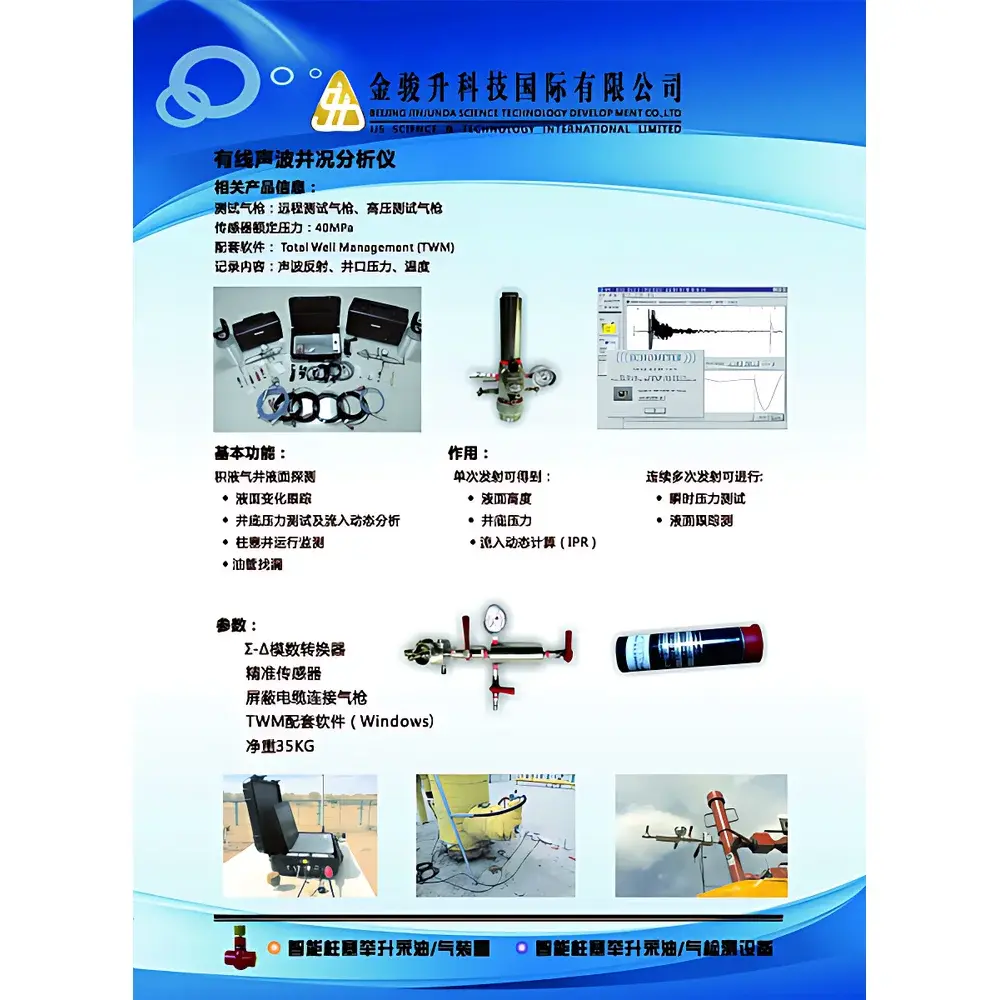
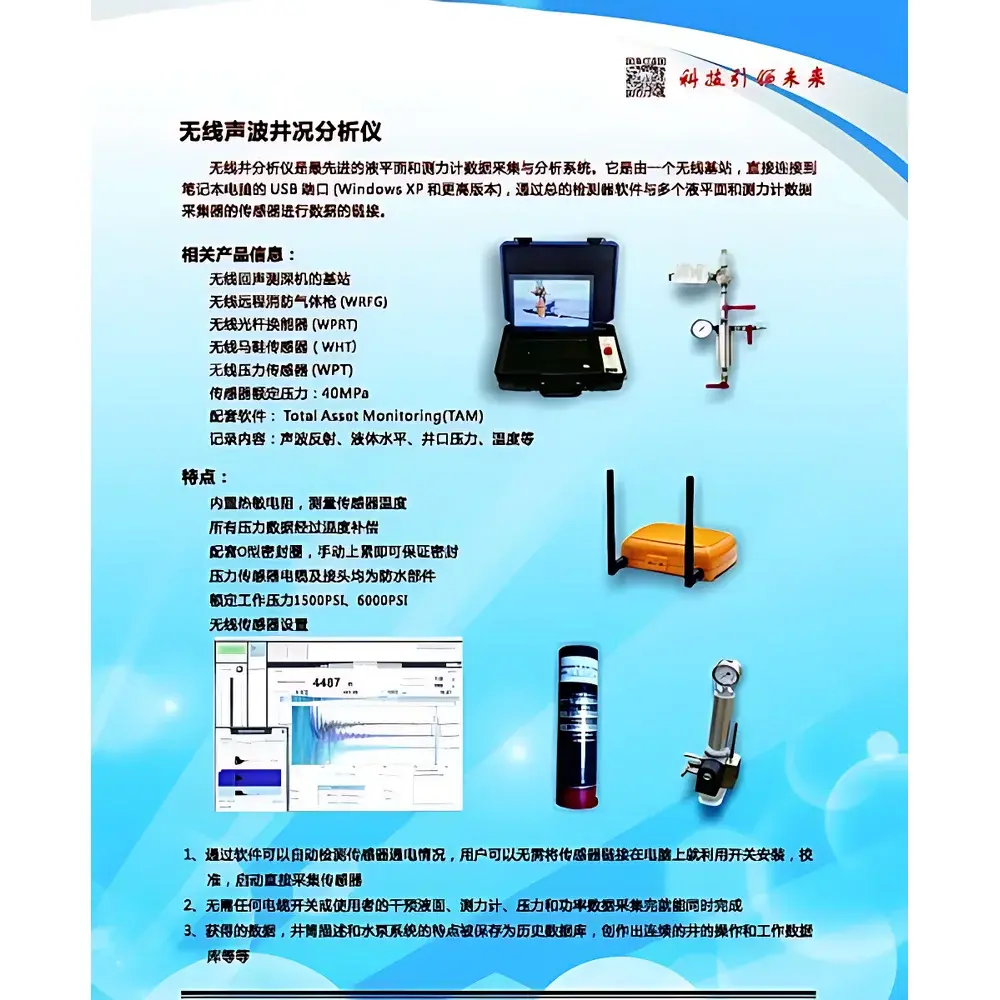
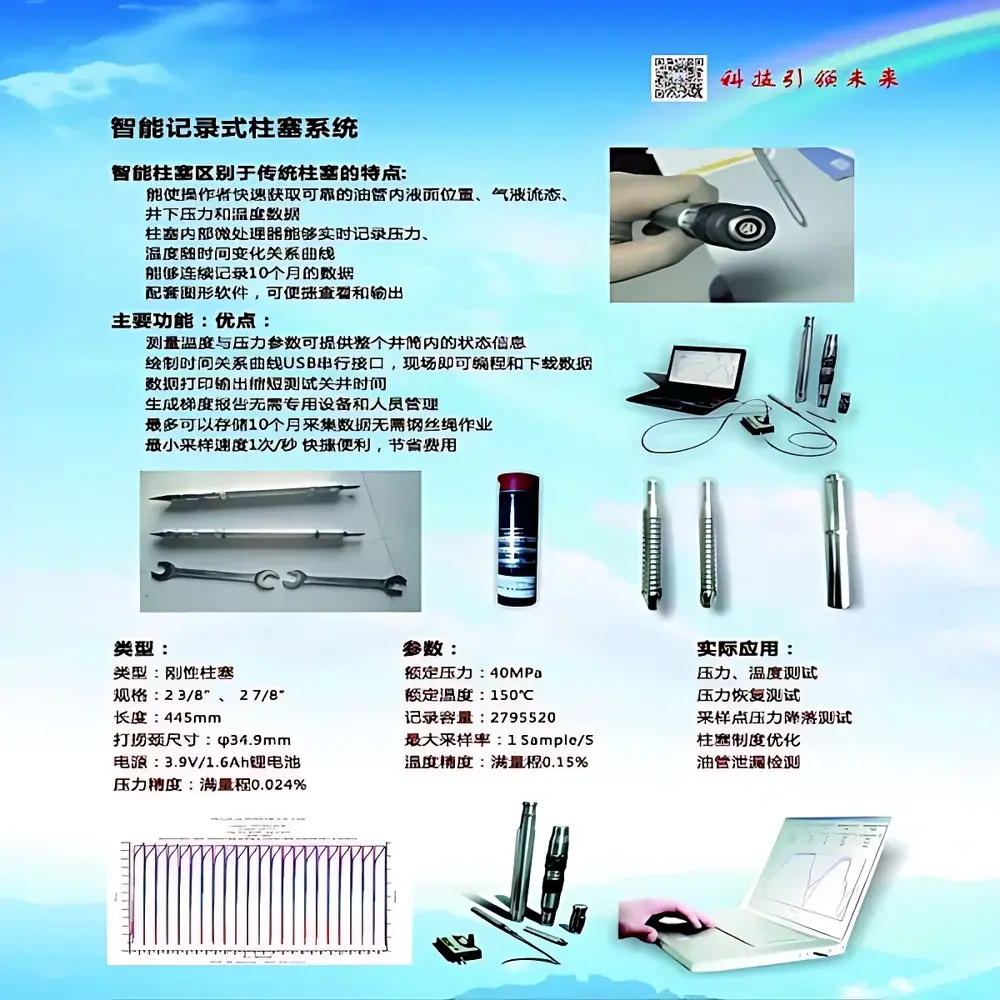
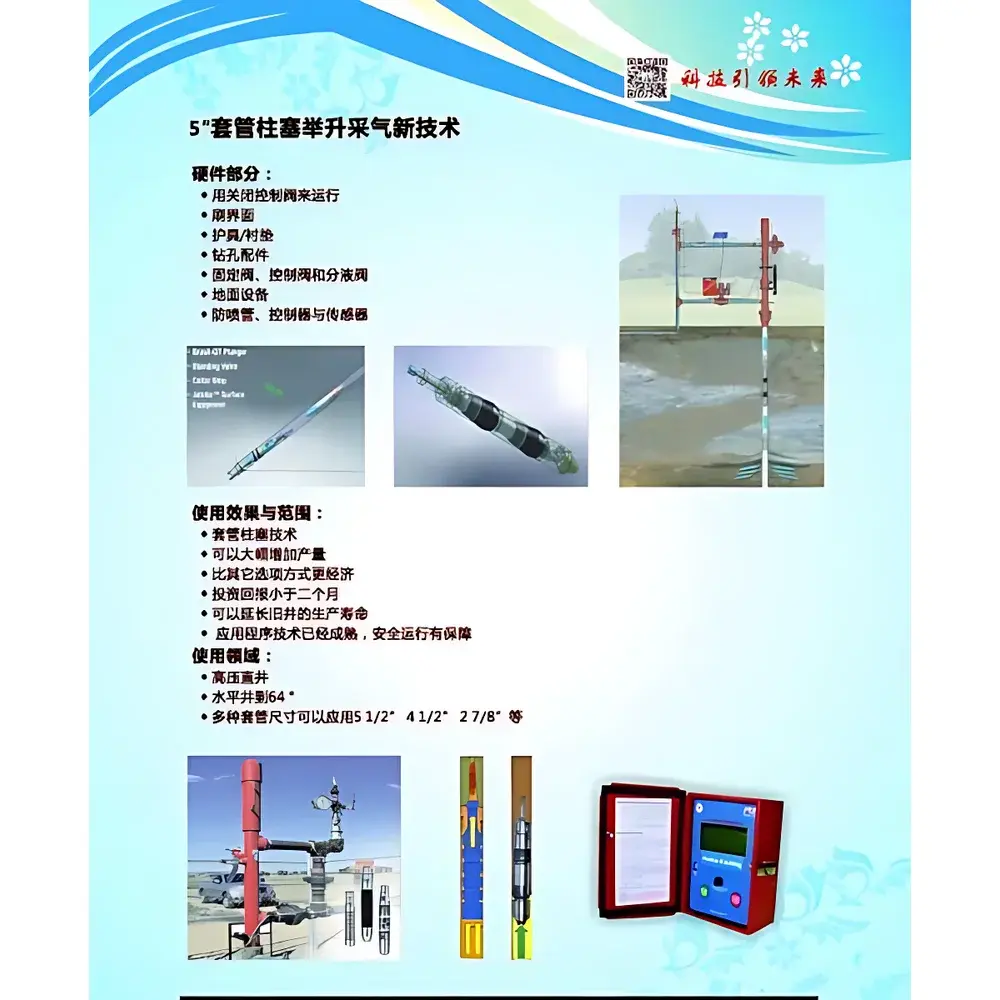
JJS PCS Intelligent Plunger Lift System for Oil & Gas Production
| Brand | JJS |
|---|---|
| Origin | USA |
| Manufacturer Type | Authorized Distributor |
| Product Category | Imported |
| Model | JJS-PCS |
| Pricing | Available Upon Request |
Overview
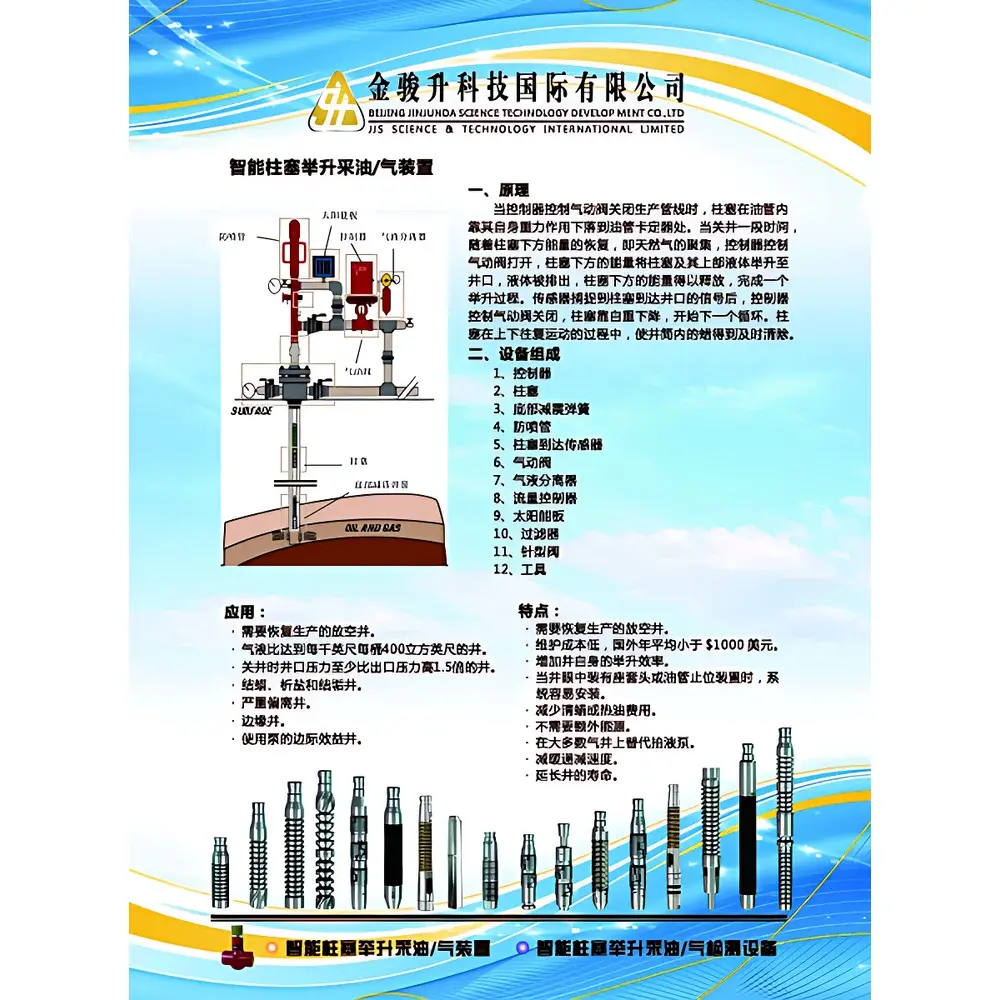
The JJS PCS Intelligent Plunger Lift System is an automated, energy-efficient artificial lift solution engineered for marginal, low-productivity, and gas-rich oil and gas wells. It operates on the principle of intermittent gas-assisted plunger lift—leveraging reservoir energy (primarily natural gas pressure buildup) to cyclically lift accumulated liquid slugs from the wellbore to surface. During the “shut-in” phase, the production valve closes, allowing the plunger to descend under gravity to a mechanical stop (e.g., tubing bumper or catcher). As gas accumulates below the plunger, pressure increases until it exceeds the hydrostatic head of the fluid column above. The controller then actuates the pneumatic valve to open, enabling the stored gas energy to drive the plunger upward, carrying liquid to the surface via the production tubing. Upon detection of plunger arrival at the surface (via magnetic or proximity sensor), the valve re-closes, initiating the next descent cycle. This continuous reciprocation also provides mechanical cleaning of paraffin, scale, and salt deposits along the tubing wall—reducing maintenance interventions and enhancing long-term well integrity.
Key Features
- Self-powered operation: No external electricity or hydraulic power required; fully compatible with solar panel integration (included as standard)
- Intelligent adaptive control: Microprocessor-based controller with programmable cycle timing, pressure-triggered logic, and real-time diagnostics
- Low-maintenance architecture: Solid-state pneumatic actuation, stainless-steel plunger body, and corrosion-resistant components rated for sour service (NACE MR0175 compliant options available)
- Integrated safety and separation: Includes API 14A-compliant pneumatic valve, ASME Section VIII-rated separator, and in-line filtration (5–10 µm nominal)
- Tubing-friendly installation: Designed for retrofit into existing completions with tubing anchors or subsurface stops—no workover required
- Field-configurable flow management: Adjustable needle valve and integrated flow controller enable precise gas-liquid ratio (GLR) optimization per well dynamics
Sample Compatibility & Compliance
The JJS PCS system is validated for use in vertical, deviated, and moderately horizontal wells (up to 30° deviation) producing crude oil, condensate, and associated gas with GLRs ranging from 400 to >5,000 scf/bbl. It accommodates fluid densities from 0.7–1.0 g/cm³ and operating temperatures from −20 °C to +85 °C. All pressure-containing components conform to ASME B31.4 / B31.8 design standards. The control system meets IEC 61508 SIL 2 functional safety requirements for process shutdown applications. Documentation supports compliance with API RP 14C, API RP 14E, and ISO 13702 for offshore and onshore installations. Audit-ready electronic logs satisfy GLP/GMP-aligned data retention protocols per 21 CFR Part 11 when paired with optional secure firmware.
Software & Data Management
The embedded controller supports Modbus RTU/ASCII and optional Modbus TCP communication for integration into SCADA, DCS, or cloud-based remote monitoring platforms (e.g., OSIsoft PI, Seeq, or AWS IoT Core). Local HMI enables configuration of cycle parameters—including shut-in time, lift duration, pressure setpoints, and sensor thresholds. All operational events (valve actuations, plunger arrival signals, pressure transients, solar charge status) are timestamped and stored onboard for ≥90 days. Remote firmware updates and diagnostic telemetry are supported via cellular or satellite backhaul (LTE-M/NB-IoT or Iridium Certus modules available as add-ons). Data export formats include CSV and OPC UA—facilitating alignment with digital twin modeling workflows and predictive maintenance algorithms.
Applications
- Reactivation of shut-in or flared wells where conventional rod pumps are uneconomical
- Gas wells with high GLR (>400 scf/bbl) and declining bottom-hole pressure
- Wells exhibiting paraffin deposition, salt precipitation, or carbonate scaling
- Highly deviated or crooked-hole wells unsuitable for ESPs or progressive cavity pumps
- Remote or unmanned locations where solar autonomy and minimal intervention are critical
- Marginal wells where lift cost per barrel must remain below $1.50—validated by field deployments with annual OPEX < $1,000 USD
FAQ
What is the typical cycle frequency for the JJS PCS system?
Cycle intervals are fully programmable—from 5 minutes to 24 hours—based on reservoir pressure recovery rate, fluid loading, and production target. Most field deployments operate between 30–120 minute cycles.
Can the system operate without solar power?
Yes. While solar panels are standard, the controller accepts 12–24 VDC input from alternative sources including battery banks, small wind turbines, or loop-powered instrumentation wiring.
Is third-party certification available for hazardous area classification?
All explosion-proof variants carry ATEX II 2G Ex db IIB T4 Gb and IECEx certification for Zone 1 gas environments. CSA C/US Class I, Div 1, Groups B, C, D approval is also available upon request.
How does the system handle liquid fallback during descent?
The plunger incorporates precision-machined bypass ports and optional elastomeric seals to control descent velocity and minimize liquid fallback. Field calibration ensures optimal balance between lift efficiency and controlled descent rate.
What maintenance is required annually?
Annual tasks include visual inspection of plunger wear surfaces, verification of sensor alignment, replacement of filter elements, and functional testing of pneumatic valve response time—typically completed in <2 man-hours per well.
Related Products