Smart Plunger Lift Gas Production System
| Brand | JJS |
|---|---|
| Origin | USA |
| Model | PCS-001 |
| Type | Intelligent Plunger Lift System for Natural Gas Well Production |
| Compliance | API RP 14E, API RP 11V1, NACE MR0175/ISO 15156 Compatible |
| Power Supply | Solar-powered (integrated photovoltaic panel with battery backup) |
| Control Logic | Programmable cycle timing & pressure-triggered actuation |
| Sensor Interface | Dual redundant proximity sensors (ATEX-certified, IP68) |
| Actuation | Pneumatic valve (N2 or field gas–actuated, ANSI Class 150) |
| Max Operating Pressure | 5,000 psi |
| Ambient Temp Range | –40°C to +70°C |
Overview
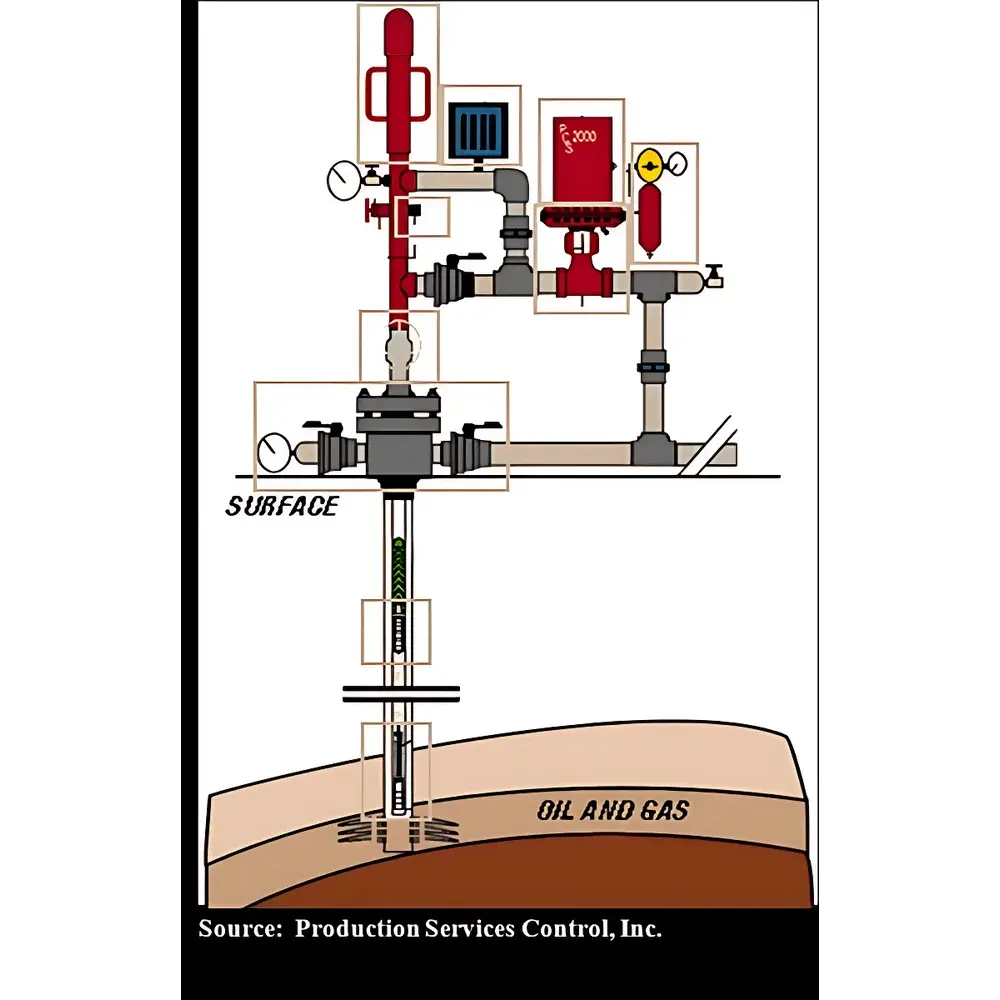
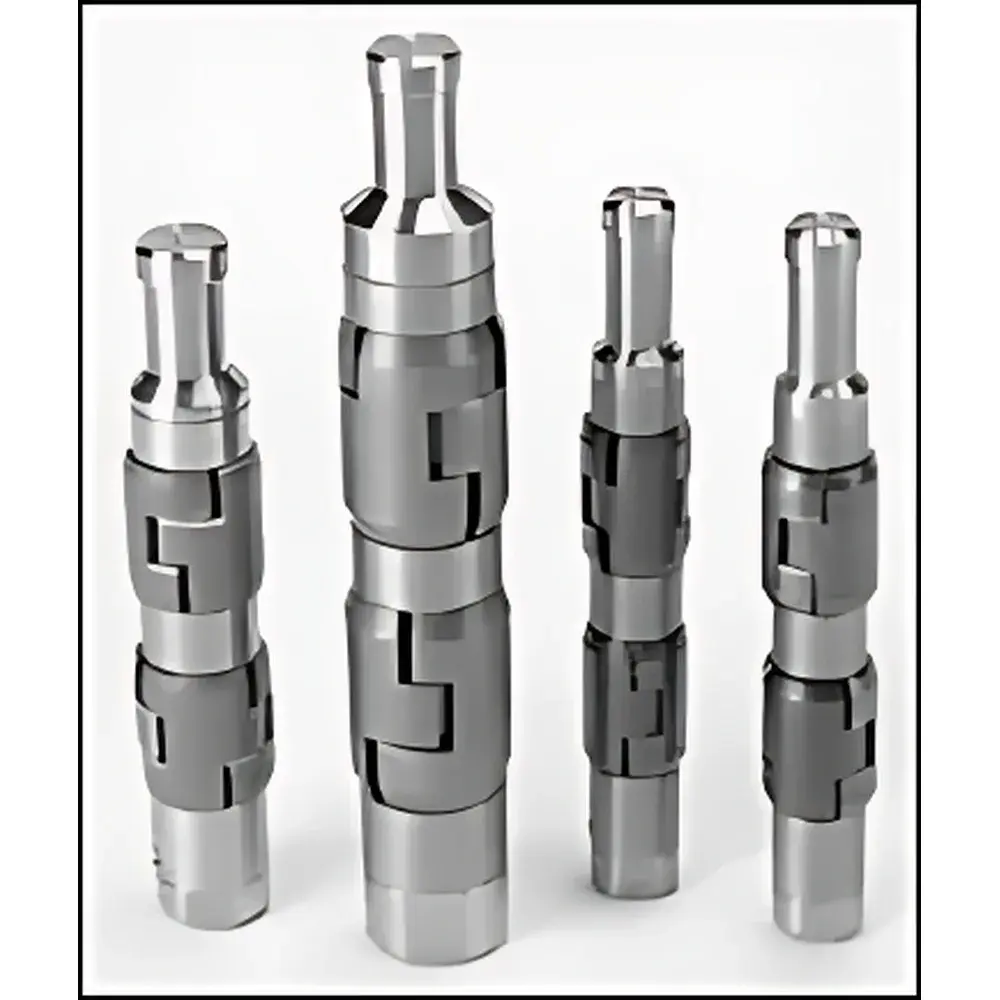
The Smart Plunger Lift Gas Production System (Model PCS-001) is an engineered automation solution designed for intermittent artificial lift in low-pressure, low-liquid-rate natural gas wells. It operates on the fundamental principle of cyclic energy storage and release within the wellbore: during the shut-in phase, reservoir gas accumulates beneath a free-traveling plunger; upon controlled valve opening, the differential pressure between the annulus and tubing drives the plunger upward, lifting accumulated liquids (condensate, water, hydrates) to surface. This process mitigates liquid loading—a primary cause of premature well decline—while simultaneously providing mechanical cleaning of paraffin and scale deposits along the tubing wall through repeated plunger passage. The system integrates real-time pressure monitoring, programmable logic control, and solar-renewable power architecture to ensure autonomous, long-term operation in remote or off-grid well sites.
Key Features
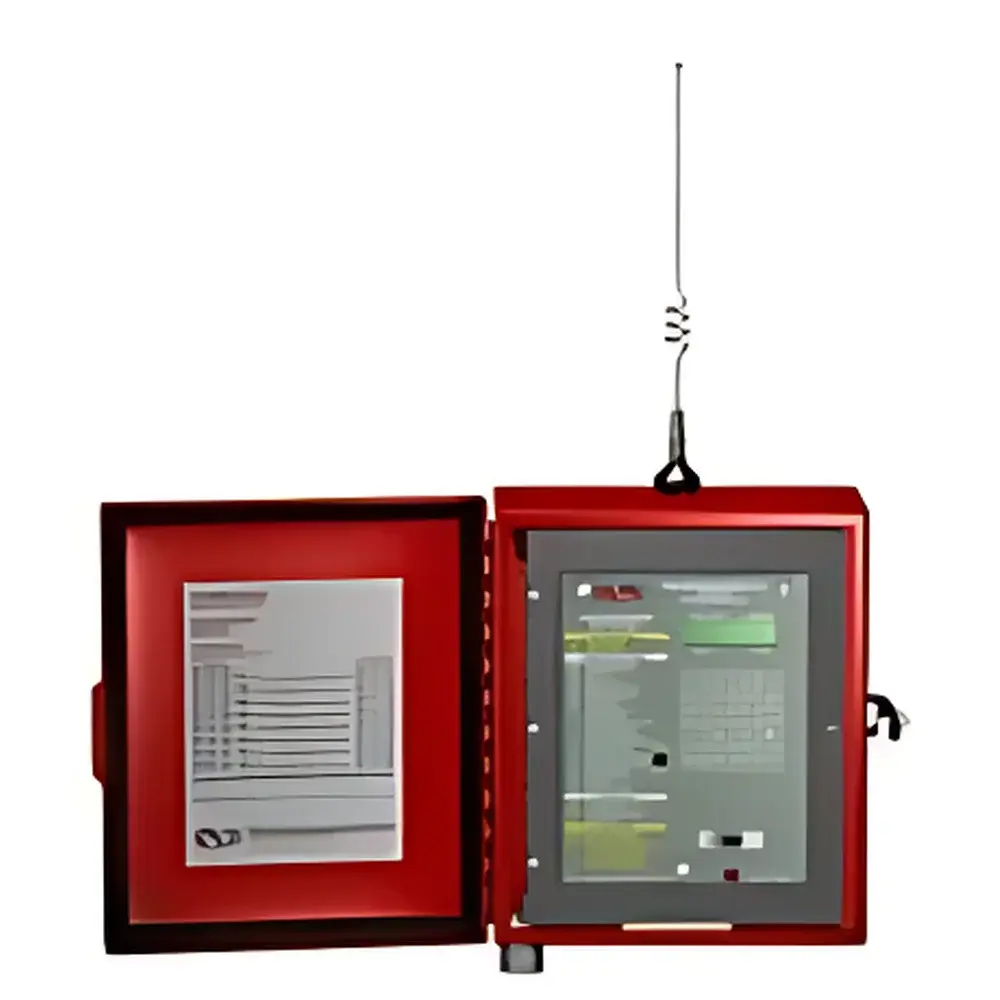
- Programmable dual-mode control logic: supports time-based cycling and pressure-differential triggering (with configurable setpoints for shut-in duration and minimum bottom-hole pressure recovery threshold)
- Solar-powered architecture with integrated 120W photovoltaic panel, deep-cycle lithium-iron-phosphate battery bank, and charge controller—rated for continuous operation under ISO 9022-3 Class II environmental conditions
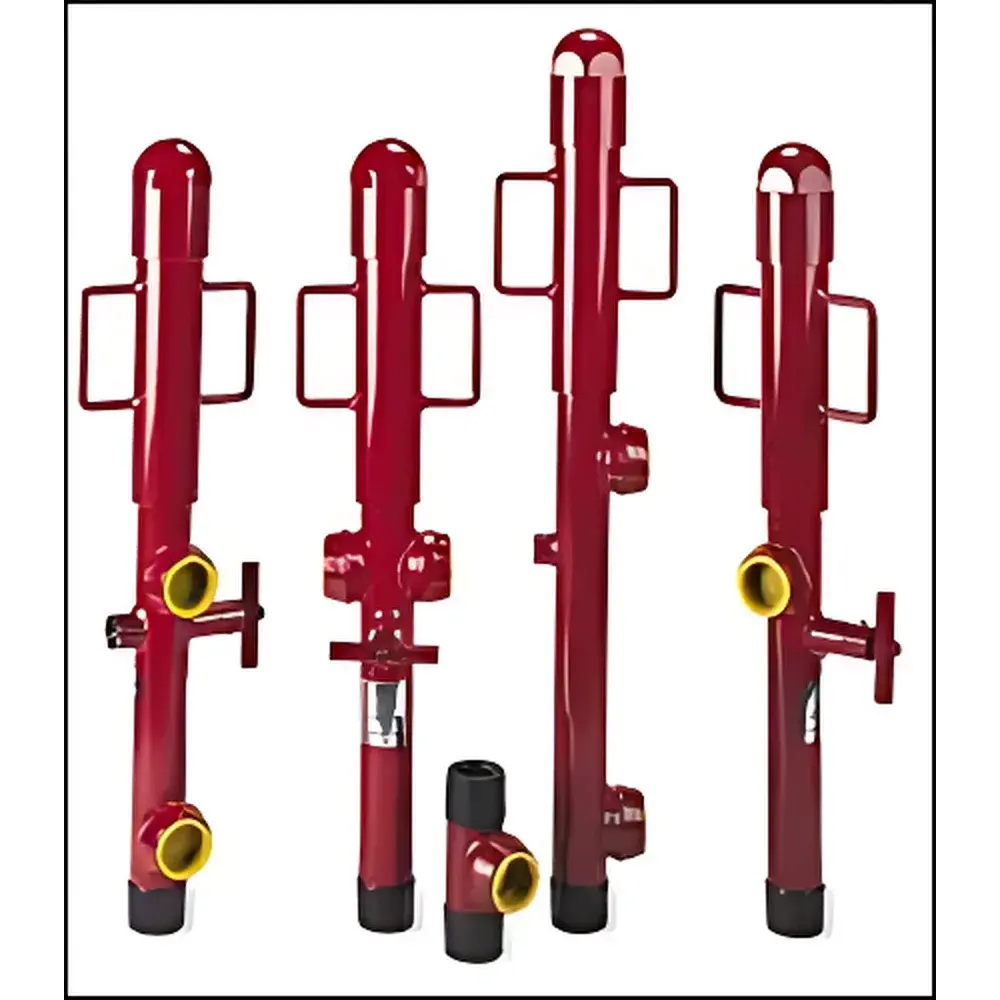
- Redundant plunger arrival detection using two independent ATEX-certified inductive proximity sensors mounted in the lubricator section, ensuring high reliability in H2S- and hydrocarbon-rich atmospheres
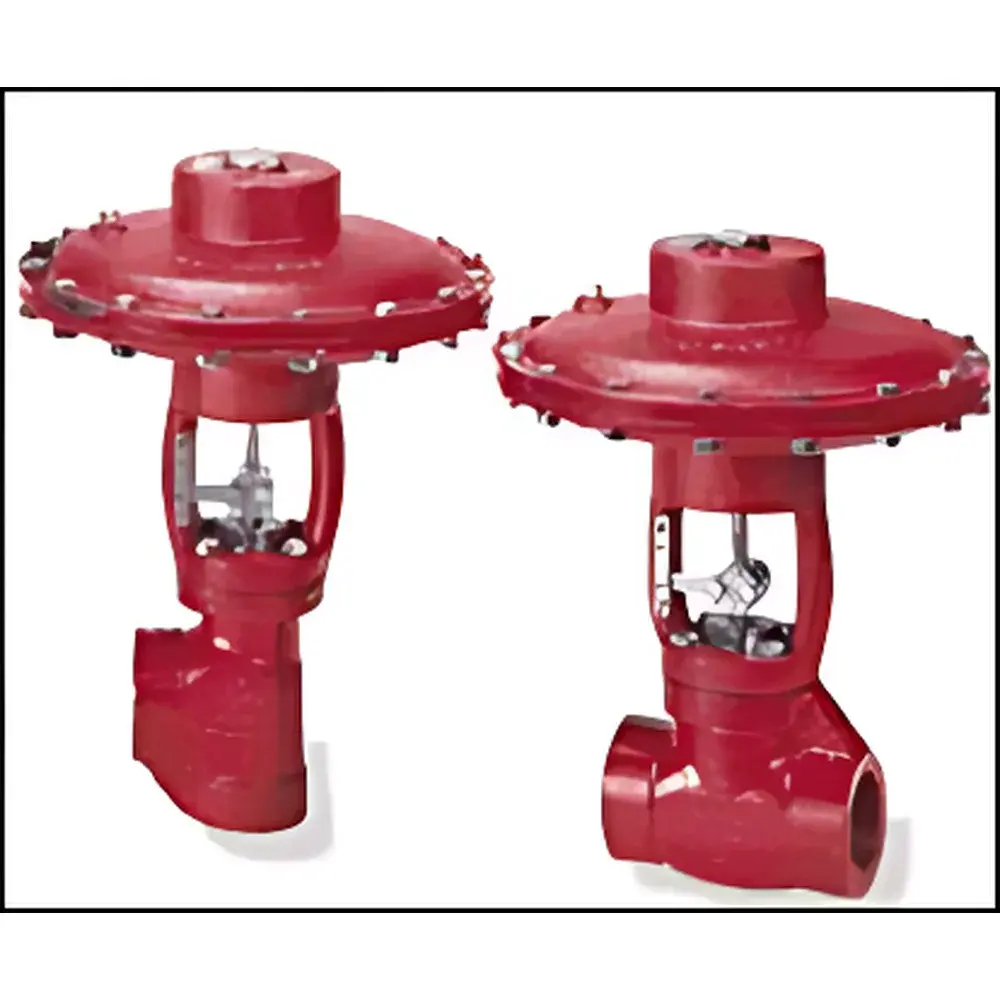
- Pneumatic actuation system compatible with nitrogen or dry field gas (dew point ≤ –40°C), featuring ANSI Class 150 stainless-steel body valves with Teflon-coated stems and fire-safe packing per API RP 14D
- Modular mechanical assembly including anti-splash lubricator (API RP 14B-compliant), bottom bumper spring with fatigue-rated 316SS coil, and integral flow conditioning orifice upstream of the separator
- Onboard diagnostics with Modbus RTU output (RS-485) and optional LTE-M telemetry interface for remote configuration, event logging, and predictive maintenance alerts
Sample Compatibility & Compliance
The PCS-001 is validated for use in sour gas environments compliant with NACE MR0175/ISO 15156, and its wetted components—including plunger body, bumper spring, and valve internals—are fabricated from corrosion-resistant alloys (e.g., Alloy 825, 17-4PH H1150). All pressure-containing parts conform to ASME B31.8 design criteria and are stamped per API 6A requirements. The system meets functional safety requirements outlined in IEC 61508 SIL 2 for automated shutdown functions. It supports integration into facilities operating under API RP 14C safety analysis frameworks and provides audit-ready event logs satisfying GLP-aligned data integrity expectations for production reporting.
Software & Data Management
The embedded controller runs firmware v3.2+ with non-volatile memory storing ≥12 months of cycle history, including timestamps, pressure profiles, valve actuation events, sensor status, and battery voltage trends. Data export is supported via USB-C dump or secure TLS-enabled HTTP(S) API endpoint. Configuration is managed through a browser-based interface (HTTPS, role-based access control) supporting password policies aligned with NIST SP 800-63B. Audit trails record all parameter changes, user logins, and firmware updates with immutable timestamps—fully traceable for regulatory review under US EPA Subpart W or EU MRV reporting regimes.
Applications
- Intermittent liquid removal from marginal gas wells exhibiting liquid loading symptoms (rising casing pressure, declining tubing pressure, erratic production)
- Extended-life operation of stripper wells where rod pumps or ESPs are economically or technically impractical
- Hydrate and paraffin mitigation in cold-climate or deep-tubing completions without chemical injection
- Wellhead testing and deliverability evaluation during initial flowback and cleanup phases
- Integration with centralized SCADA systems for multi-well plunger lift optimization across remote fields
FAQ
What pressure differentials are required to initiate plunger ascent?
Typical minimum differential ranges from 150–300 psi, depending on plunger mass, tubing ID, and fluid viscosity—configurable via pressure transducer calibration and control algorithm tuning.
Can the system operate in H₂S concentrations exceeding 15%?
Yes, provided all wetted materials are specified to NACE MR0175/ISO 15156 Level III and the plunger surface is electropolished 17-4PH or Inconel 718.
Is third-party certification available for SIL compliance?
TÜV Rheinland certification to IEC 61508 SIL 2 is available upon request for the full system architecture, including sensor loop and final element validation.
How is plunger wear monitored over time?
Cycle count, travel time deviation (>±8% from baseline), and differential pressure decay rate are tracked algorithmically; trending reports flag potential seal degradation or tubing deformation.
Does the solar power system support winter operation at -40°C?
Yes—the battery management system includes low-temperature charge inhibition and heater-controlled thermal envelope, validated per MIL-STD-810H Method 502.7.
Related Products