
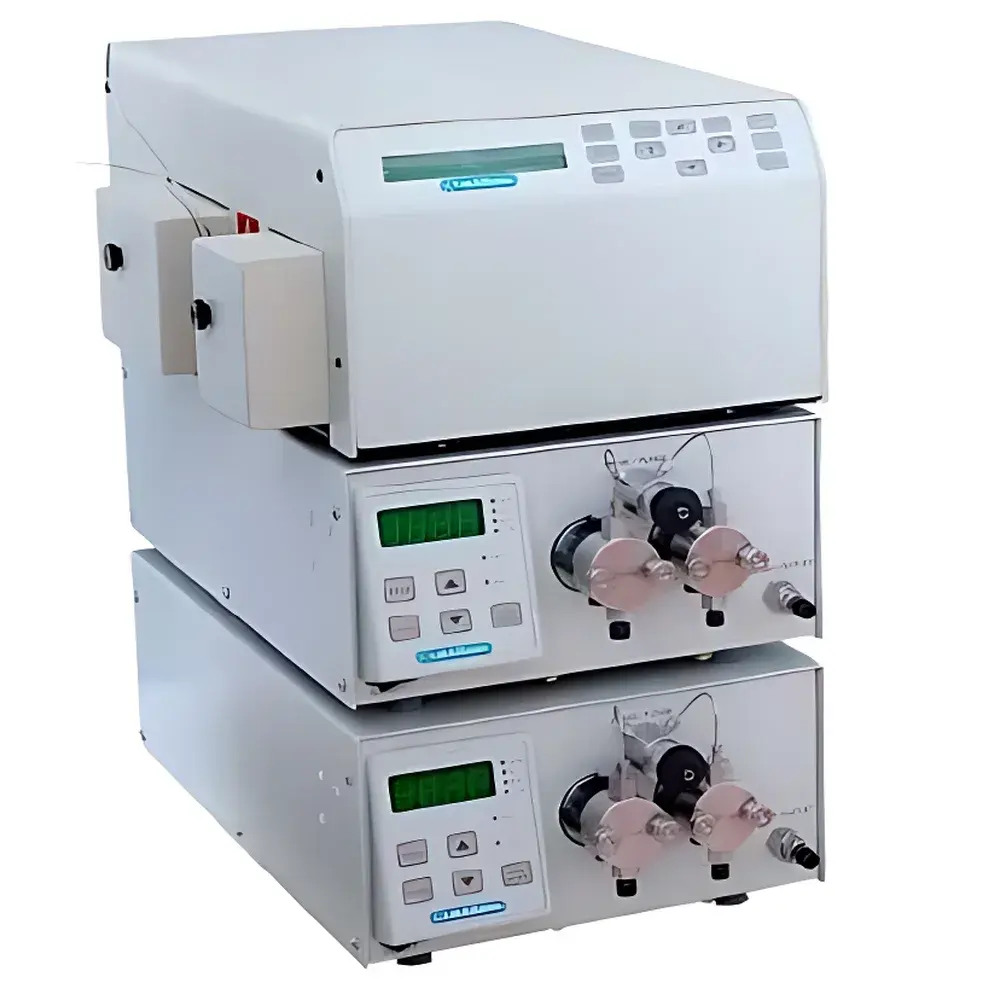
SSI Prep 2100 Series High-Pressure Binary Gradient Preparative Purification System
| Brand | LabAlliance |
|---|---|
| Origin | USA |
| Model | SSI Prep 2100 |
| Pump Flow Rate | Up to 100 mL/min per pump |
| Gradient Modes | Step, Linear, and Curvilinear (Programmable) |
| Detector Options | UV-Vis (UV201, wavelength-programmable), RID, ELSD (with flow splitter) |
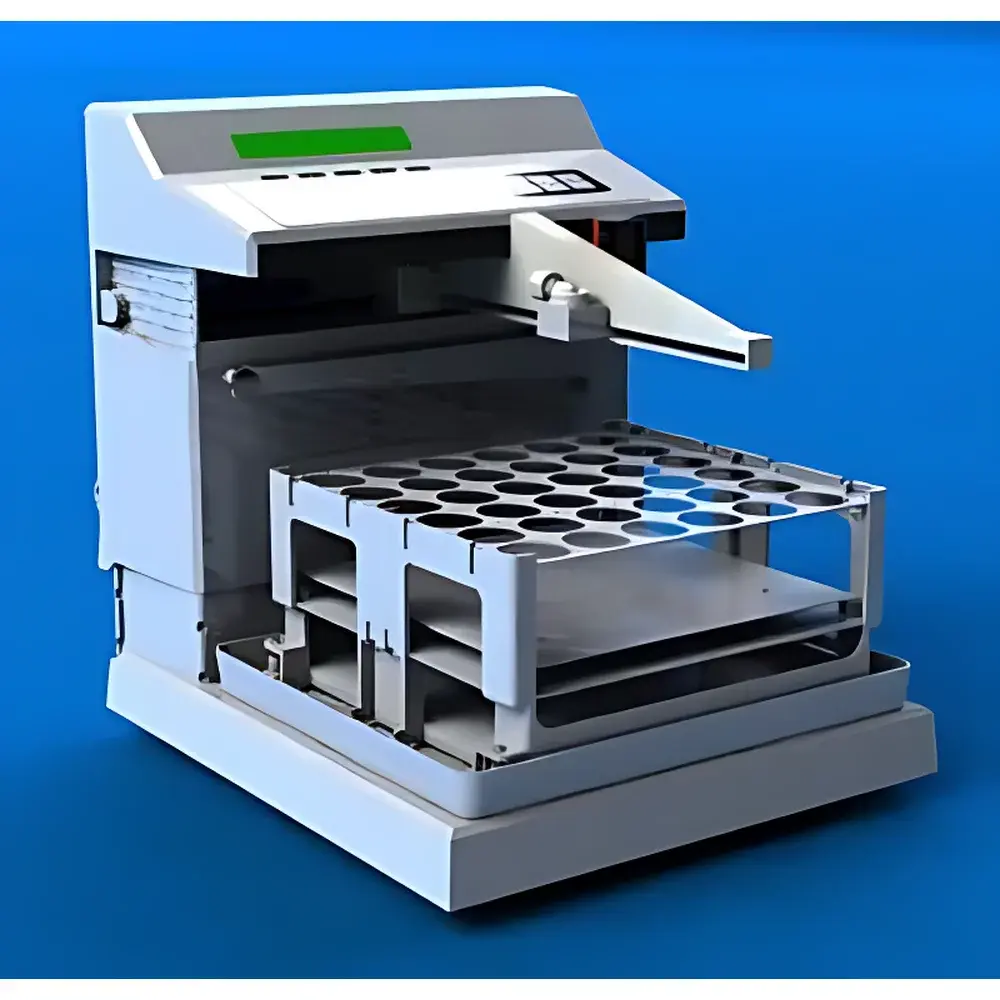
| Fraction Collection | FC Jr. Fraction Collector (time-, volume-, drop-, or peak-triggered) |
| Construction | Stainless steel flow path |
| Compliance | FDA 21 CFR Part 11, GLP-ready audit trail |
Overview
The SSI Prep 2100 Series High-Pressure Binary Gradient Preparative Purification System is a robust, modular preparative liquid chromatography platform engineered for scalable purification of organic compounds, natural products, pharmaceutical intermediates, and synthetic molecules. Built upon high-pressure binary gradient architecture, the system employs two independently controlled Prep100 dual-piston pumps to deliver precise, low-pulse mobile phase delivery across a wide flow range (0.01–100 mL/min per pump), enabling both isocratic and gradient elution under pressures up to 400 bar. Its core design follows the principles of high-resolution preparative HPLC—leveraging column efficiency, reproducible gradient formation, and real-time UV-Vis detection—to isolate target compounds from complex mixtures at milligram-to-hundred-gram scales. The system is optimized for routine semi-preparative and analytical-to-preparative method translation, supporting seamless scale-up from analytical screening to production-level purification without re-optimization.
Key Features
- High-pressure binary gradient capability with independent solvent proportioning and real-time pressure monitoring
- Dual Prep100 high-flow dual-piston pumps featuring self-cleaning pump heads and integrated low-pulse dampeners for extended seal life and stable baseline operation
- UV201 programmable UV-Vis detector with time-resolved wavelength scanning (190–700 nm), enabling multi-analyte detection in a single run
- Fully stainless steel fluidic path—including flow cell and mixing chamber—for chemical compatibility with aggressive solvents (e.g., THF, DCM, TFA)
- Modular footprint: compact chassis (≤ 60 cm width) designed for benchtop integration in regulated and non-regulated laboratories
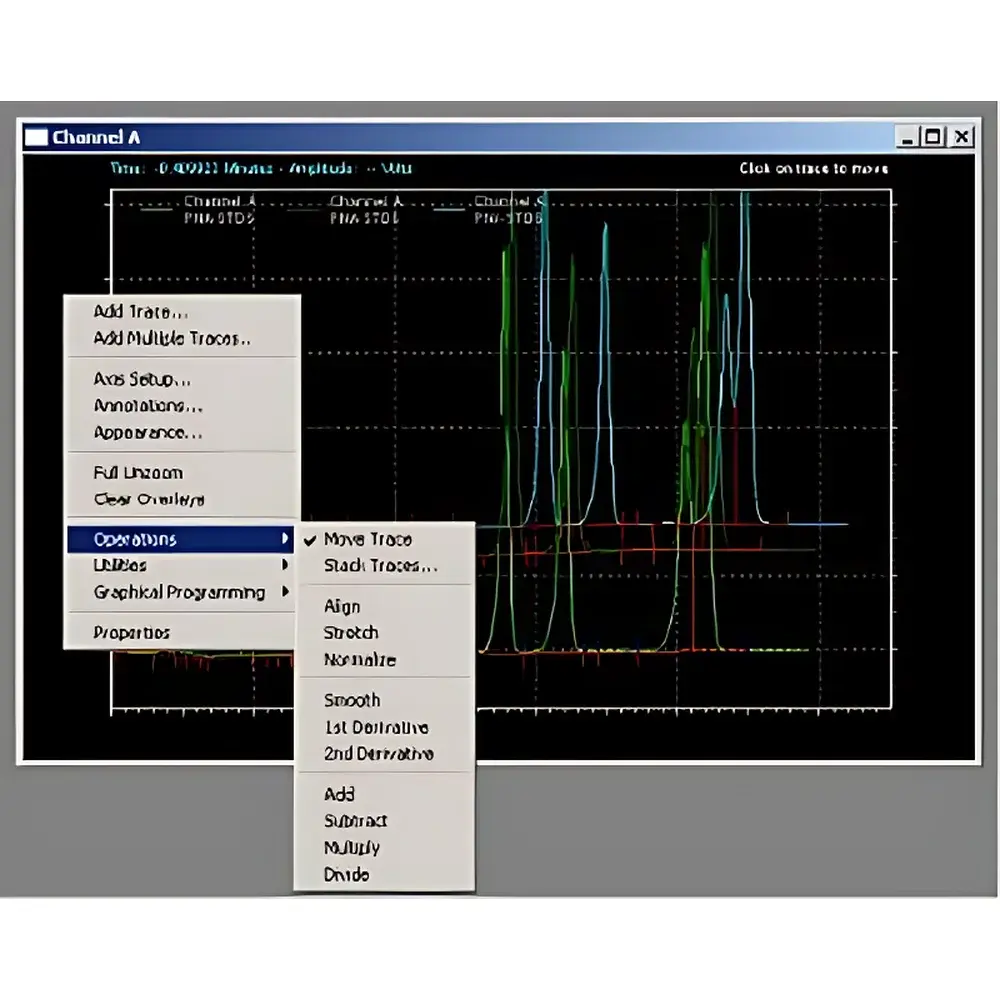
- Automated gradient programming with support for step, linear, and user-defined curvilinear profiles via CSChrom Plus software
- Optional FC Jr. fraction collector with four trigger modes (time, volume, drop count, peak-based), configurable tube racks (12–25 mm diameter), and space-efficient vertical stacking
Sample Compatibility & Compliance
The SSI Prep 2100 accommodates diverse sample formats—including liquid solutions, slurries, and pre-packed cartridges—across reversed-phase (C18, C8, phenyl), normal-phase (silica, cyano), and specialty stationary phases (e.g., chiral, HILIC). It supports both low-UV-absorbing analytes (via optional RID or ELSD with flow splitting) and UV-active species requiring wavelength optimization. All hardware and firmware are designed to meet international laboratory compliance frameworks: the CSChrom Plus workstation provides full audit trail functionality, electronic signature management, and secure user access control aligned with FDA 21 CFR Part 11 requirements. System logs record every parameter change, method execution, and data export event—supporting GLP/GMP validation protocols and internal quality audits. No proprietary drivers or closed firmware; all I/O interfaces comply with standard RS-232, USB, and Ethernet (TCP/IP) communication protocols.
Software & Data Management
CSChrom Plus is a validated, Windows-based chromatography data system (CDS) that integrates instrument control, real-time visualization, peak integration, and report generation into a single interface. It supports method development workflows—including gradient scouting, retention time prediction, and fraction mapping—with drag-and-drop sequence building and batch processing. Data files are stored in vendor-neutral .cdf format (compatible with third-party analysis tools), while raw acquisition metadata—including pump composition, detector wavelength schedule, and fraction collection timestamps—is embedded and immutable. The software architecture allows deployment in standalone, multi-user, or client-server configurations, with role-based permissions and encrypted database backups. All electronic records maintain traceability through timestamped, tamper-evident audit trails compliant with ISO/IEC 17025 and ICH M7 guidelines.
Applications
This system serves critical roles in synthetic chemistry labs (e.g., post-reaction purification of Suzuki couplings or peptide synthesis byproducts), natural product isolation (e.g., flavonoid or alkaloid fractionation from crude extracts), and early-stage pharmaceutical development (e.g., impurity isolation for structural elucidation by NMR or HRMS). It is routinely employed for: purifying reaction intermediates prior to crystallization studies; generating reference standards for QC testing; desalting or buffer exchange of biomolecules; and parallel purification of compound libraries in medicinal chemistry. Its flexibility in column sizing (2–50 mm ID), flow rate scalability, and detector modularity make it suitable for both discovery-scale purification and pilot-batch preparation under cGMP-aligned practices.
FAQ
What is the maximum operating pressure of the SSI Prep 2100 system?
The system is rated for continuous operation up to 400 bar (5800 psi), compatible with sub-5 µm particle size preparative columns.
Can the UV201 detector perform simultaneous dual-wavelength detection?
No—it performs sequential wavelength scanning within a single run; however, its programmable wavelength table enables dynamic switching during acquisition to capture multiple chromophores.
Is method transfer from analytical HPLC to the Prep 2100 supported?
Yes—CSChrom Plus includes scaling calculators for flow rate, injection volume, and gradient time based on column dimensions and particle size, ensuring consistent retention and selectivity.
Does the FC Jr. fraction collector support custom tube rack geometries?
Yes—interchangeable trays accommodate standard 12–25 mm round tubes, microtiter plates, and custom-configured triangular flasks (up to 9 × 250 mL).
Is remote monitoring or networked instrument control possible?
Yes—the system supports TCP/IP connectivity and can be integrated into enterprise LIMS environments via OPC UA or CSV export with scheduled automated reporting.





