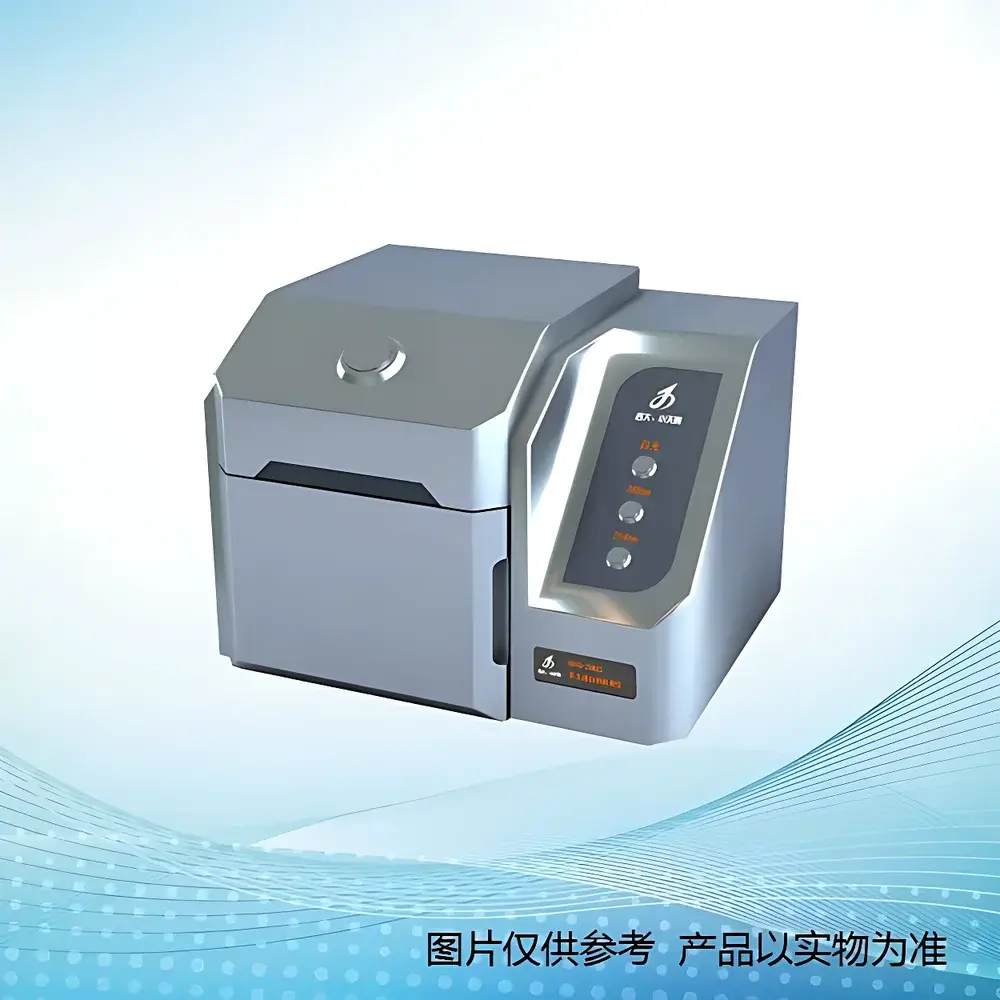
Zhengye CQ2000C PP Dust-Free Automatic Slitting & Cutting Machine with Infrared Heating Technology
| Brand | Zhengye |
|---|---|
| Origin | Guangdong, China |
| Manufacturer Type | Direct Manufacturer |
| Region of Manufacture | Domestic (China) |
| Model | CQ2000C |
| Pricing | Upon Request |
Overview
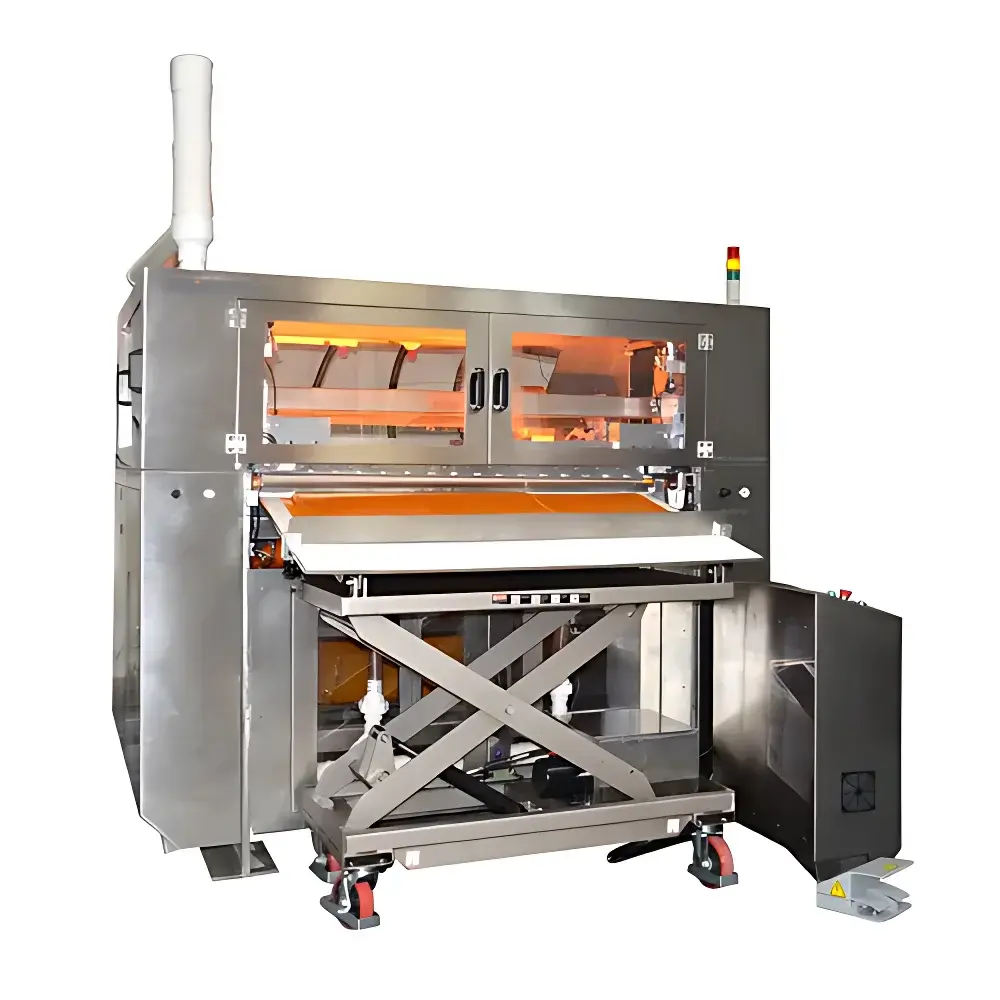
The Zhengye CQ2000C PP Dust-Free Automatic Slitting & Cutting Machine is an industrial-grade precision processing system engineered for the controlled thermal-mechanical separation of prepreg (pre-impregnated) PP-based semi-cured sheets—commonly used in PCB laminates, composite substrates, and advanced packaging materials. Unlike conventional mechanical slitting or cold-cutting systems, this machine integrates infrared (IR) radiant heating as a pre-cutting thermal conditioning step. The IR emitters deliver rapid, non-contact, spatially uniform surface heating to the PP matrix just prior to blade engagement, softening the thermoplastic resin phase and enabling clean shearing without fiber pull-out, edge delamination, or carbonization. This principle—thermal-assisted precision cutting—addresses fundamental material challenges in high-speed prepreg handling: static-induced dust generation, edge fraying, micro-cracking, and interlayer separation. Designed for continuous roll-to-sheet conversion, the CQ2000C operates under stable tension control and closed-loop servo synchronization, ensuring repeatability across production batches while maintaining full compatibility with ISO 9001-certified manufacturing environments.
Key Features
- Infrared Preheating System: Dual-zone IR emitters (wavelength optimized for PP absorption) heat the sheet surface to a precisely controlled temperature range (non-contact, no thermal lag), reducing tensile stress at the cut interface and eliminating “white edge” and micro-fraying.
- Dust Suppression Architecture: Integrated high-efficiency vacuum suction ducts—designed using computational fluid dynamics (CFD) modeling—capture airborne particulates at the point of cut; measured dust reduction exceeds 98% versus conventional mechanical cutters (per internal ASTM D2247-compliant testing).
- High-Fidelity Motion Control: Synchronized dual-servo drive system (X- and Y-axis) ensures ±1 mm positional accuracy over full working envelope; real-time encoder feedback maintains registration during dynamic longitudinal (slitting) and transverse (cross-cutting) operations.
- Thermal-Mechanical Edge Sealing: IR-heated zone immediately precedes the cutting blade, enabling instantaneous melt-flow resealing of cut edges—eliminating post-process edge sealing, manual trimming, or secondary dust extraction.
- Automated Workflow Integration: Supports automatic stack height monitoring, programmable batch stacking (up to 500 sheets), parameter template recall (via encrypted USB or network storage), and seamless integration with upstream unwinding and downstream conveyance systems.
Sample Compatibility & Compliance
The CQ2000C accommodates standard industrial PP prepreg rolls with thickness ranging from 0.02 mm to 0.30 mm, width up to 1270 mm, and cut lengths between 250 mm and 750 mm. It supports both shear-type and press-cut longitudinal slitting modes, with continuous feed capability and integrated edge trim collection. All electrical components comply with IEC 60204-1 safety standards; IR heating modules meet Class 1 laser safety requirements per IEC 60825-1. The machine’s operational log, parameter history, and alarm records support GLP/GMP traceability frameworks when paired with optional audit-trail-enabled HMI firmware (compliant with FDA 21 CFR Part 11 Annex 11 principles).
Software & Data Management
The embedded control interface runs on a real-time Linux-based OS with touchscreen HMI (10.1″ capacitive display). Firmware supports recipe-based operation: users define and store cutting profiles—including IR power level, dwell time, blade offset, feed speed, and stack count—with SHA-256 checksum verification. All process data (cycle time, temperature logs, servo error codes, vacuum pressure trends) are timestamped and exportable via CSV or OPC UA to MES/SCADA platforms. Optional Ethernet/IP or Modbus TCP gateway enables integration into Industry 4.0 architectures. Data retention complies with ISO/IEC 27001-aligned encryption protocols for local storage.
Applications
- PCB substrate preparation: Precision segmentation of PP-based B-stage laminates for multilayer board fabrication.
- Flexible circuit base material processing: Clean, sealed-edge cutting of thin PP films used in dynamic flex and rigid-flex assemblies.
- Advanced battery packaging: Slitting and die-cutting of PP separators and encapsulation films requiring zero particulate contamination.
- Aerospace composites: High-reliability prepreg sheeting for autoclave-prepared tooling and structural panels where edge integrity directly impacts resin flow and void formation.
- Medical device packaging: GMP-aligned cutting of sterilizable PP barrier films, where edge sealing prevents microbial ingress pathways.
FAQ
What types of prepreg materials are compatible with the CQ2000C?
The system is validated for polypropylene (PP)-based B-stage prepregs, including glass-fiber-reinforced, aramid-reinforced, and filled formulations with resin content ≤ 65 wt%. It is not recommended for epoxy- or phenolic-dominated systems without prior thermal profiling.
Does the machine require compressed air or external cooling?
No compressed air is required for core operation. The IR module includes passive finned heatsinks; ambient cooling is sufficient for continuous duty at rated throughput.
Can the CQ2000C be integrated into an existing automated line?
Yes—standardized photoelectric sensors, discrete I/O (24 VDC), and optional fieldbus modules (PROFINET, EtherCAT) enable plug-and-produce integration with PLC-controlled production lines.
Is operator training provided with purchase?
Zhengye delivers on-site commissioning and two-day certified operator training covering safety protocols, routine maintenance, thermal calibration, and firmware backup procedures.
What is the typical lead time for delivery and installation?
Standard configuration units ship within 8–10 weeks after order confirmation; installation and validation typically require 3–5 business days on-site.