
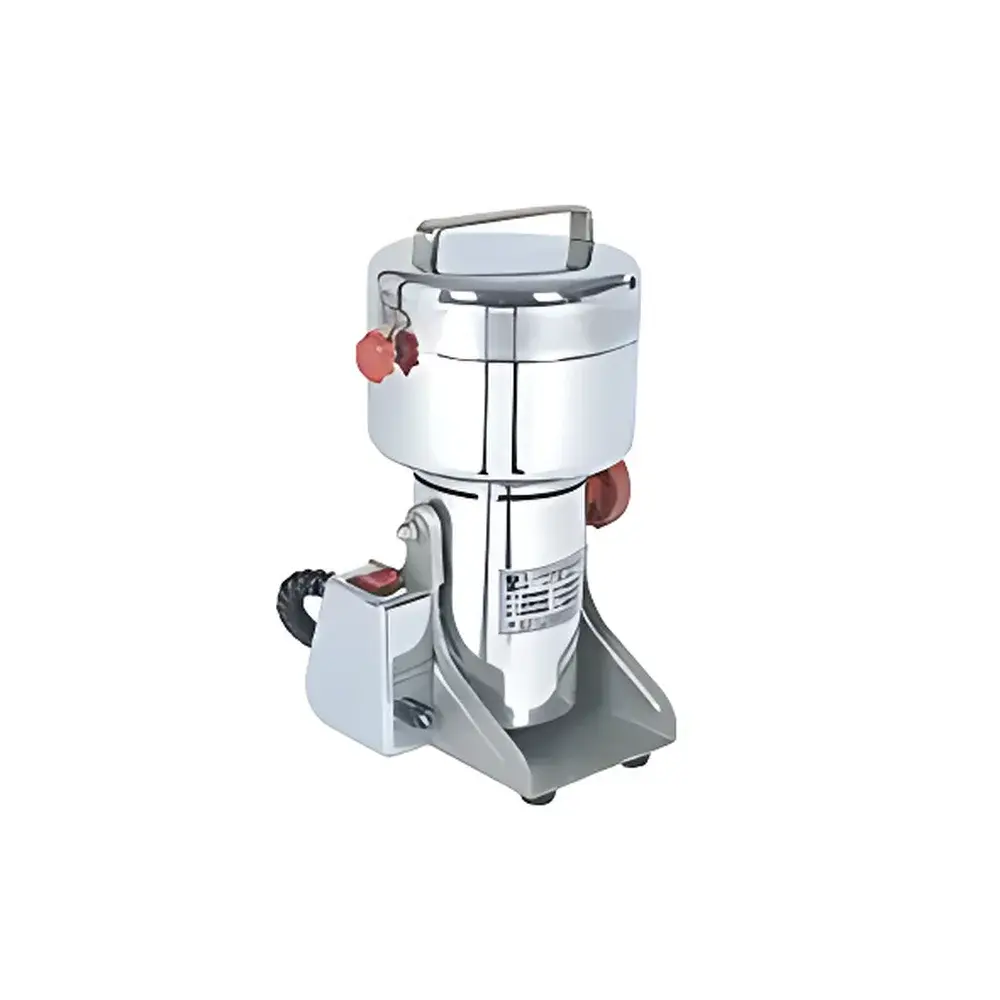
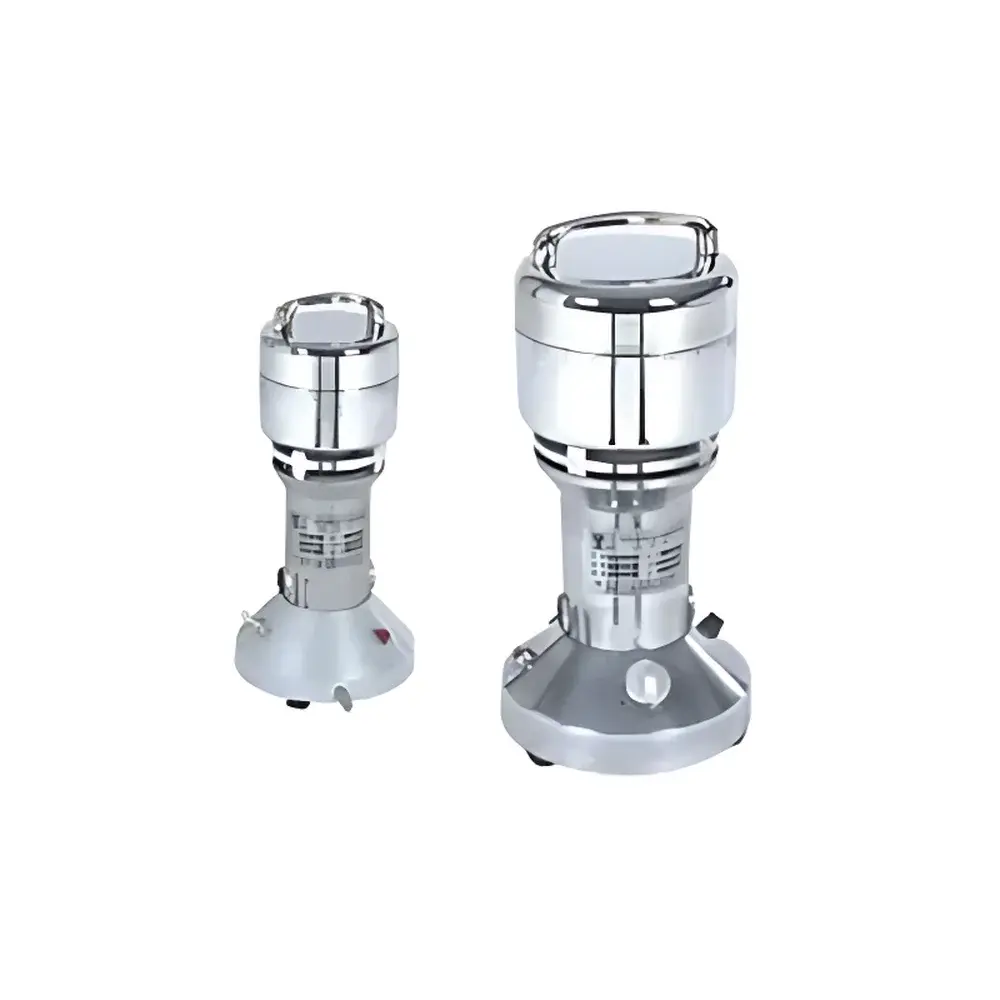
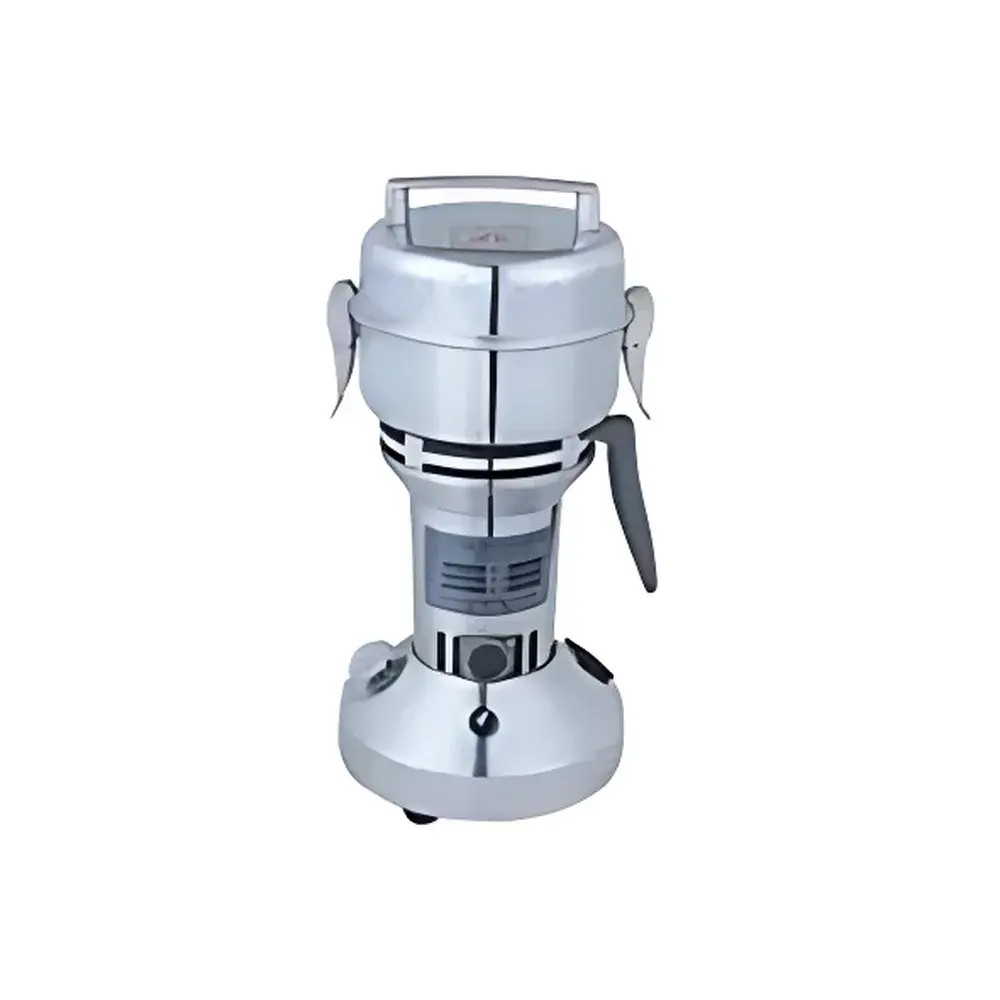
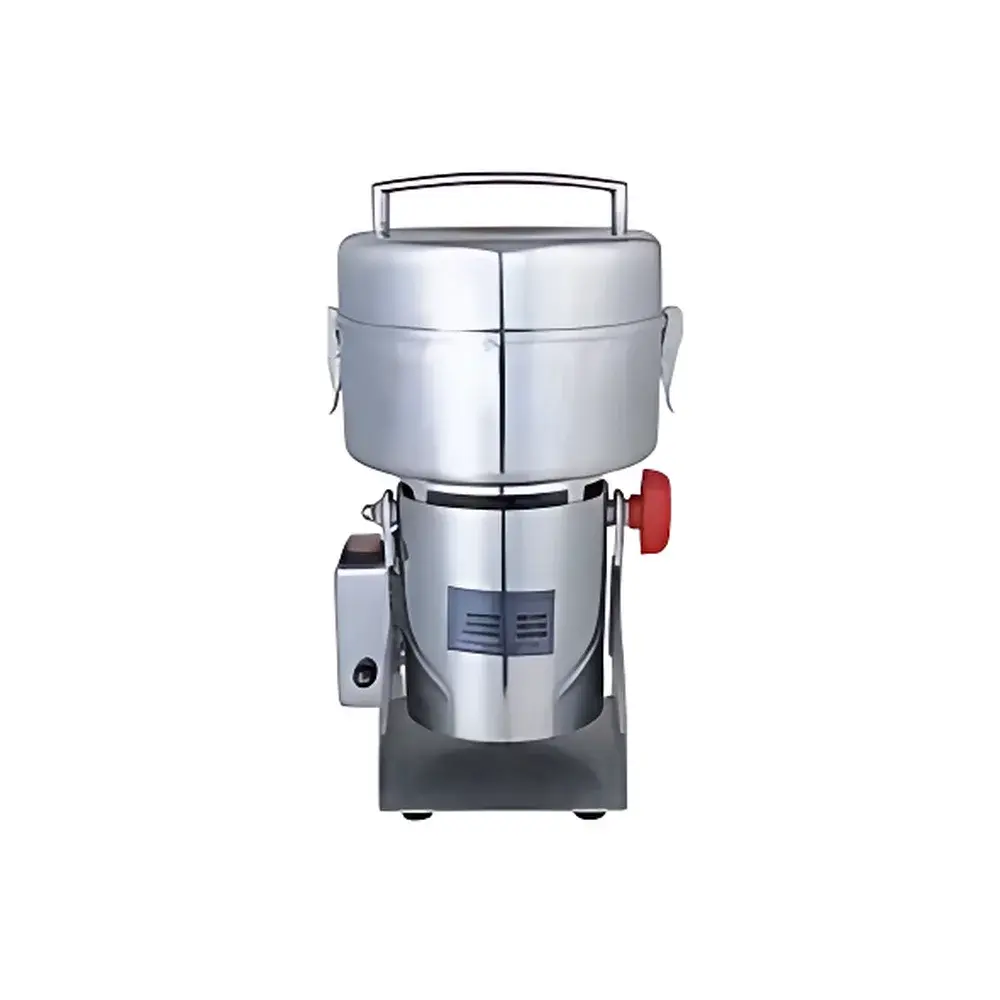
Hanuo DFY-200A Oscillating Crusher
| Brand | Hanuo |
|---|---|
| Origin | Shanghai, China |
| Model | DFY-200A |
| Instrument Type | Oscillating Crusher |
| Sample Applicability | Hard Materials |
| Feed Size | <15 mm |
| Output Particle Size | 0.01–0.5 mm (equivalent to 200 mesh) |
| Batch Capacity | 200 g |
| Motor Power | 900 W |
| Motor Speed | 25,000 rpm |
| Grinding Bowl Dimensions | 134 × 97 mm |
| Overall Dimensions | 20 × 22 × 28 cm |
| Construction | Stainless Steel Housing & Blades |
| Compliance | Designed for GLP-compliant laboratory environments |
Overview
The Hanuo DFY-200A Oscillating Crusher is a compact, high-speed mechanical comminution device engineered for rapid, reproducible size reduction of hard, brittle, and fibrous solid samples in research laboratories, quality control facilities, and herbal medicine preparation workflows. It operates on the principle of high-frequency oscillatory motion—transferring kinetic energy from a high-RPM motor (25,000 rpm) to a stainless steel grinding bowl via an eccentric drive mechanism. This induces intense impact, shear, and attrition forces between the sample and precision-machined stainless steel blades, achieving consistent particle size distribution without thermal degradation or cross-contamination. Unlike rotary grinders or ball mills, the oscillating design minimizes heat buildup and eliminates the need for cryogenic cooling for most botanical and mineral samples. Its closed-system architecture ensures operator safety and prevents airborne particulate dispersion—critical for handling potent herbal actives (e.g., *Panax notoginseng*, *Glycyrrhiza uralensis*) or regulated substances under ISO/IEC 17025-aligned sample preparation protocols.
Key Features
- Stainless steel construction (body, grinding bowl, and blade assembly) for corrosion resistance, ease of cleaning, and compliance with pharmaceutical hygiene standards.
- Imported high-efficiency motor delivering stable 900 W output and extended service life with low acoustic emission (<65 dB(A) at 1 m).
- Optimized oscillation frequency and blade geometry enable complete pulverization of 200 g batches within 3 seconds to 2 minutes—adjustable by time setting for process repeatability.
- No cross-contamination: Dedicated single-use or thoroughly cleaned bowls ensure material integrity across sequential runs of pigmented (e.g., pearl powder) or odoriferous (e.g., *Boswellia serrata*) samples.
- Integrated safety interlock system halts operation instantly upon lid disengagement, meeting IEC 61000-6-2 EMC and IEC 60335-1 electrical safety requirements.
- Space-efficient footprint (20 × 22 × 28 cm) and lightweight design (≈8.2 kg) support benchtop deployment in constrained lab spaces or mobile analytical units.
Sample Compatibility & Compliance
The DFY-200A accommodates a broad spectrum of hard-to-grind materials—including dried roots (e.g., *Astragalus membranaceus*), resinous herbs (e.g., *Commiphora myrrha*), calcined minerals (e.g., *Concha Ostreae*), keratinous tissues (e.g., seahorse), and brittle polymers—without pre-drying or cryogenic pretreatment. Input feed must be ≤15 mm in maximum dimension; final particle size ranges from 0.01 mm (10 µm) to 0.5 mm (500 µm), corresponding to 30–200 mesh (ASTM E11-22). All wet or oily samples require prior desiccation to avoid blade slippage. The instrument is suitable for use in GLP- and GMP-regulated environments when integrated into documented SOPs, including traceable cleaning validation and equipment logbook entries per FDA 21 CFR Part 11 data integrity guidelines.
Software & Data Management
The DFY-200A is a manually operated, analog-timed device with no embedded firmware or digital interface. Process parameters—including run duration (0–300 s, adjustable in 1-s increments), batch ID, operator initials, and cleaning verification status—are recorded externally in laboratory notebooks or LIMS-integrated electronic batch records. For audit readiness, users are advised to maintain calibration logs (verified annually against stopwatch-certified timing accuracy) and preventive maintenance records (blade wear inspection every 500 cycles). Optional accessories include certified reference standards (NIST-traceable ground silica) for routine performance qualification.
Applications
- Pre-analytical sample homogenization prior to HPLC, GC-MS, or ICP-OES analysis of traditional Chinese medicine (TCM) formulations.
- Routine QC grinding of raw herbal materials for uniformity-of-weight and assay testing per Chinese Pharmacopoeia (ChP) and USP .
- Preparation of fine powders for tablet compression studies, dissolution testing, or particle morphology analysis via SEM.
- Research-scale fragmentation of geological samples (e.g., quartz, feldspar) for XRD or geochemical assays requiring sub-50 µm fractions.
- Academic teaching labs: Demonstrating mechanical energy transfer, comminution kinetics, and sieve analysis principles.
FAQ
What is the maximum hardness of material the DFY-200A can process?
It is validated for Mohs hardness ≤6.5 (e.g., calcite, apatite); materials exceeding this (e.g., quartz, corundum) require pre-crushing or alternative milling methods.
Can the unit be used for cryogenic grinding?
No—it lacks liquid nitrogen ports or thermal insulation; ambient-temperature operation only.
How often should the stainless steel blade be replaced?
Under typical usage (≤10 batches/day), replacement is recommended after 1,000 operational cycles or visible edge deformation.
Is the grinding bowl autoclavable?
Yes—full stainless steel construction supports steam sterilization at 121°C for 15 min, though blade sharpness may degrade after repeated cycles.
Does Hanuo provide IQ/OQ documentation?
Factory-issued installation and operational qualification templates are available upon request for integration into regulated lab validation programs.



