
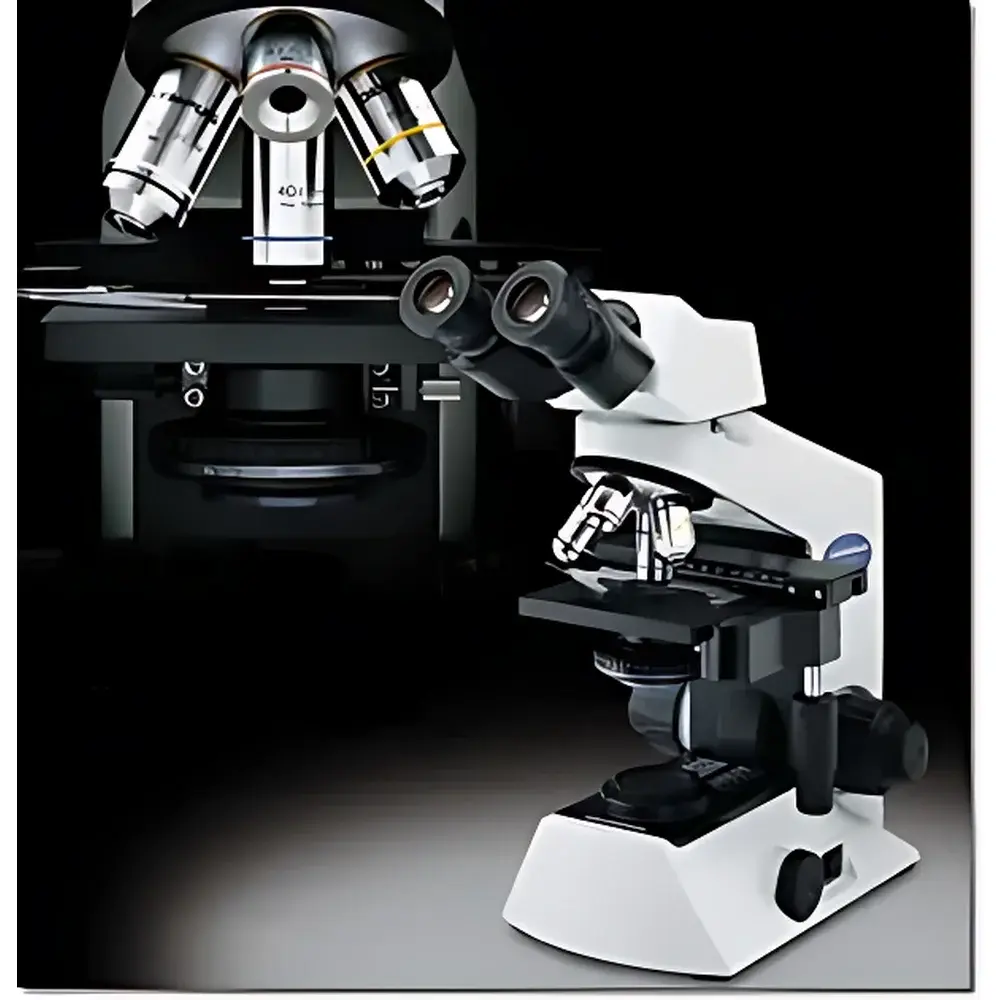
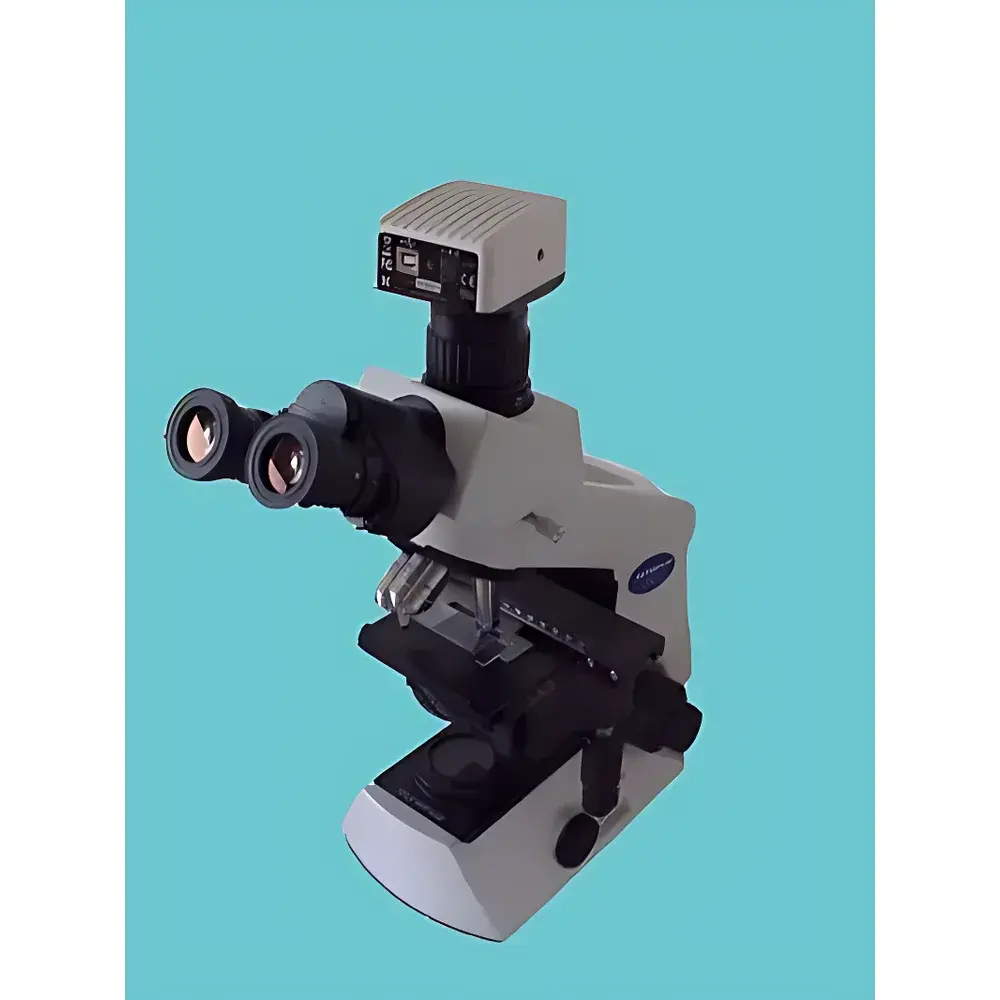
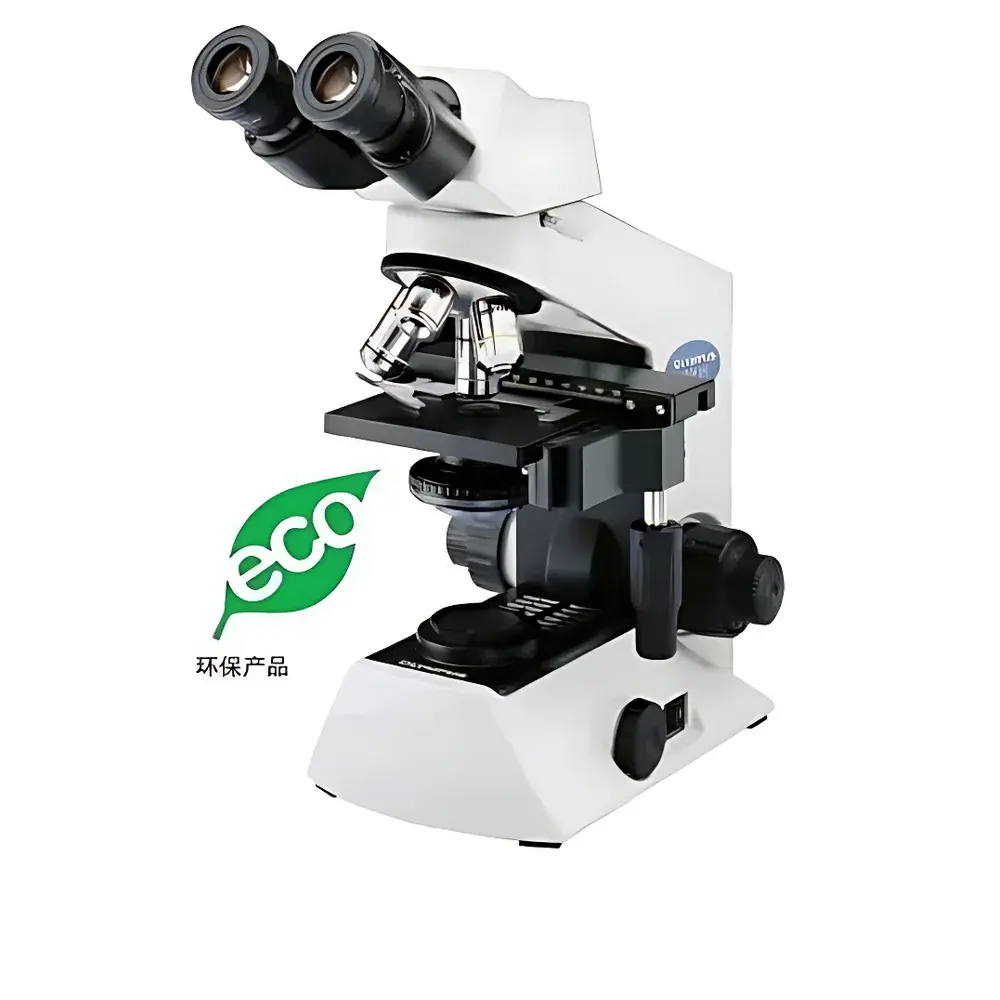
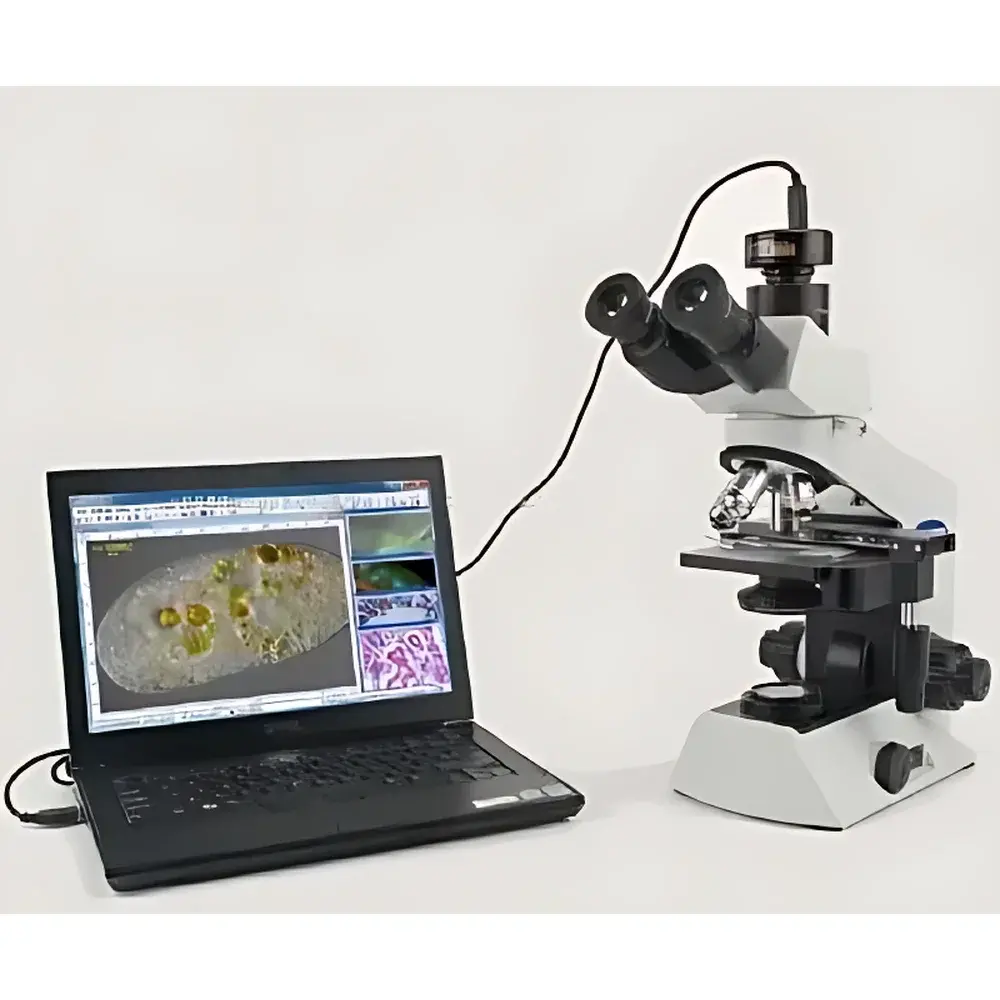
OLYMPUS CX21 Biological Microscope
| Brand | OLYMPUS |
|---|---|
| Origin | Japan |
| Manufacturer Type | Authorized Distributor |
| Origin Category | Imported |
| Model | CX21 |
| Price | USD 1,380 (FOB Japan) |
Overview
The OLYMPUS CX21 is a robust, entry-level biological microscope engineered for routine brightfield observation in educational laboratories, clinical training environments, and basic life science research settings. Built upon the UIS2 (Universal Infinity System) optical platform, it delivers consistent image fidelity across the entire field of view through infinite-corrected, parfocal, and chromatically balanced optics. Its mechanical design follows ISO 10934-1 standards for student-grade microscopes and complies with IEC 61010-1 safety requirements for laboratory electrical equipment. The CX21 employs Köhler illumination with a built-in 6V/20W halogen lamp and universal AC input (100–240 V, 50/60 Hz), eliminating the need for external power adapters in multi-country deployments. As a non-motorized, manually operated instrument, it prioritizes mechanical stability, long-term optical alignment retention, and operator ergonomics over automation—making it especially suitable for high-throughput teaching labs where reproducibility, durability, and ease of maintenance are paramount.
Key Features
- Ergonomic 30° inclined binocular observation tube with interpupillary adjustment (48–75 mm) and individual diopter correction for both eyepieces—enabling comfortable extended use without spectacle removal.
- Wide-field 10× eyepieces (Field Number 18) featuring anti-fungal coating on all optical surfaces—including ocular lenses, objective barrels, and prism assemblies—to ensure sustained clarity in tropical or high-humidity environments (e.g., ASEAN, Latin American, and coastal laboratories).
- Smooth coaxial coarse/fine focus mechanism with adjustable coarse-focus tension control; fine focus graduation of 2.5 µm per division and 20 mm travel per revolution for precise Z-axis positioning.
- Steel-wire-driven mechanical stage (120 × 132 mm) with no protruding support arms—reducing accidental finger entrapment and improving safety in undergraduate teaching labs.
- Four-position fixed nosepiece with precision-ground detents and tactile rubber grip ring for reliable, repeatable objective switching and long-term rotational stability.
- Abbe condenser (NA 1.25, oil-immersion compatible) with integrated iris diaphragm and centering screws—supporting optimal Köhler alignment and contrast control per ASTM E2823-22 guidelines for transmitted-light microscopy.
Sample Compatibility & Compliance
The CX21 accommodates standard 1″ × 3″ (25 × 75 mm) glass slides and 0.13–0.17 mm cover slips. Its mechanical stage provides 76 mm × 30 mm X–Y travel range, sufficient for systematic scanning of histological sections, blood smears, and botanical specimens. All optical components—including objectives, eyepieces, and the observation tube—are factory-aligned and permanently secured to prevent misalignment during transport or frequent classroom handling. The instrument meets EN 61010-1:2010 + A1:2013 for electrical safety and carries CE marking for conformity with EU Laboratory Equipment Directive 2014/30/EU (EMC) and 2014/35/EU (LVD). While not FDA-cleared as a diagnostic device, its optical performance aligns with CLSI EP17-A2 recommendations for qualitative morphological assessment in clinical training contexts.
Software & Data Management
The CX21 is a standalone optical instrument with no embedded digital imaging or software interface. However, it is fully compatible with third-party USB/CMOS camera adapters (e.g., OLYMPUS UC30, AmScope MU1403, or Thorlabs DCC1545M) that connect via C-mount threading. When paired with compliant imaging software (such as OLYMPUS cellSens Entry, ImageJ/Fiji, or NIS-Elements BR), the system supports GLP-compliant documentation workflows—including timestamped image capture, user-defined metadata tagging, and audit-trail-enabled file export (TIFF, JPEG, PNG). No firmware updates or cloud connectivity are required or supported, ensuring long-term operational consistency and minimizing IT infrastructure dependencies.
Applications
- Undergraduate biology and medical laboratory instruction—including hematology, microbiology, histology, and plant anatomy curricula.
- Clinical technician training for peripheral blood smear evaluation, urinalysis sediment examination, and Gram-stained bacterial morphology assessment.
- Quality control in pharmaceutical manufacturing for raw material identification (e.g., herbal powders, excipient particle morphology) per USP guidance.
- Agricultural extension services for soil nematode identification, seed purity testing, and fungal spore enumeration.
- Industrial QA/QC in electronics manufacturing for solder joint inspection and printed circuit board trace verification at low magnification.
FAQ
Is the CX21 suitable for fluorescence observation?
No. The CX21 lacks an epi-illumination path, filter cube slots, and high-NA fluorescence objectives. It is designed exclusively for transmitted brightfield applications.
Can oil immersion be performed with the CX21?
Yes—when equipped with the optional 100× NA 1.25 oil-immersion objective and used with the Abbe condenser’s full aperture setting and immersion oil (n = 1.515).
Does the CX21 support darkfield or phase contrast?
Not natively. Darkfield requires a dedicated condenser (e.g., U-DCW) and central stop; phase contrast necessitates phase objectives and matching annuli—both are incompatible with the standard CX21 configuration.
What is the maximum recommended working distance for routine classroom use?
The CX21 is rated for continuous operation up to 8 hours per day under ambient temperatures of 15–30°C and relative humidity ≤80% non-condensing—per OLYMPUS Technical Bulletin TB-CX21-2023.
Are replacement parts and service manuals available internationally?
Yes. Genuine OLYMPUS service kits (e.g., lamp housings, focusing gears, stage clips) and English-language maintenance guides are distributed globally through authorized service centers accredited under ISO/IEC 17025:2017.





