
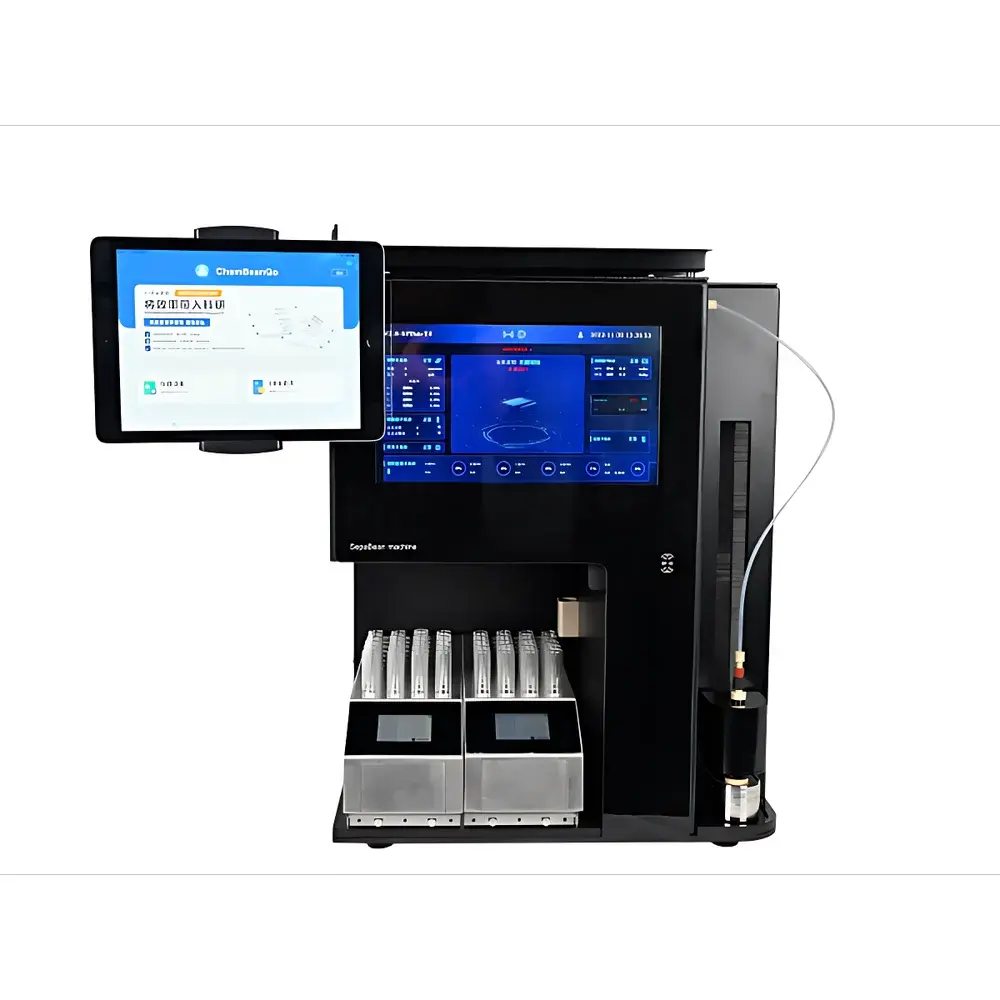
SepaBean Machine T Advanced Medium-Pressure Preparative Chromatography System V2.0
| Brand | Santai |
|---|---|
| Origin | Jiangsu, China |
| Manufacturer Type | Direct Manufacturer |
| Regional Classification | Domestic (China) |
| Model | T – Economy Series |
| Application Level | Laboratory-Scale |
| Instrument Type | Medium-Low Pressure Preparative Liquid Chromatography |
| Flow Rate Range | 0–200 mL/min |
| Flow Accuracy | RSD ≤ 2% |
| Flow Precision (Repeatability) | RSD ≤ 2% |
| Maximum Operating Pressure | 1.38 MPa (200 psi) |
| Wavelength Range | 200–800 nm |
| Wavelength Reproducibility | ±1 nm |
| Baseline Noise | ±5 × 10⁻⁵ AU |
| Data Acquisition Frequency | 10 Hz |
Overview
The SepaBean Machine T Advanced Medium-Pressure Preparative Chromatography System V2.0 is an integrated, networked preparative liquid chromatography platform engineered for laboratory-scale purification of organic compounds, natural products, pharmaceutical intermediates, and synthetic molecules. Based on medium-pressure liquid chromatography (MPLC) principles—utilizing controlled solvent delivery, column-based separation, and real-time UV/Vis detection—the system operates within a pressure range up to 1.38 MPa (200 psi), balancing robustness with accessibility for routine purification workflows. Unlike high-performance liquid chromatography (HPLC) systems, the T-series prioritizes cost-effective scalability, column versatility, and operational simplicity without compromising analytical traceability or method reproducibility. Its modular architecture supports both normal-phase and reversed-phase separations through a four-solvent, binary gradient delivery system, enabling rapid solvent system reconfiguration without hardware modification.
Key Features
- Four-channel solvent management system with programmable binary gradient mixing—supports seamless switching between polar and non-polar mobile phases, including optional third auxiliary solvent injection for solubility enhancement.
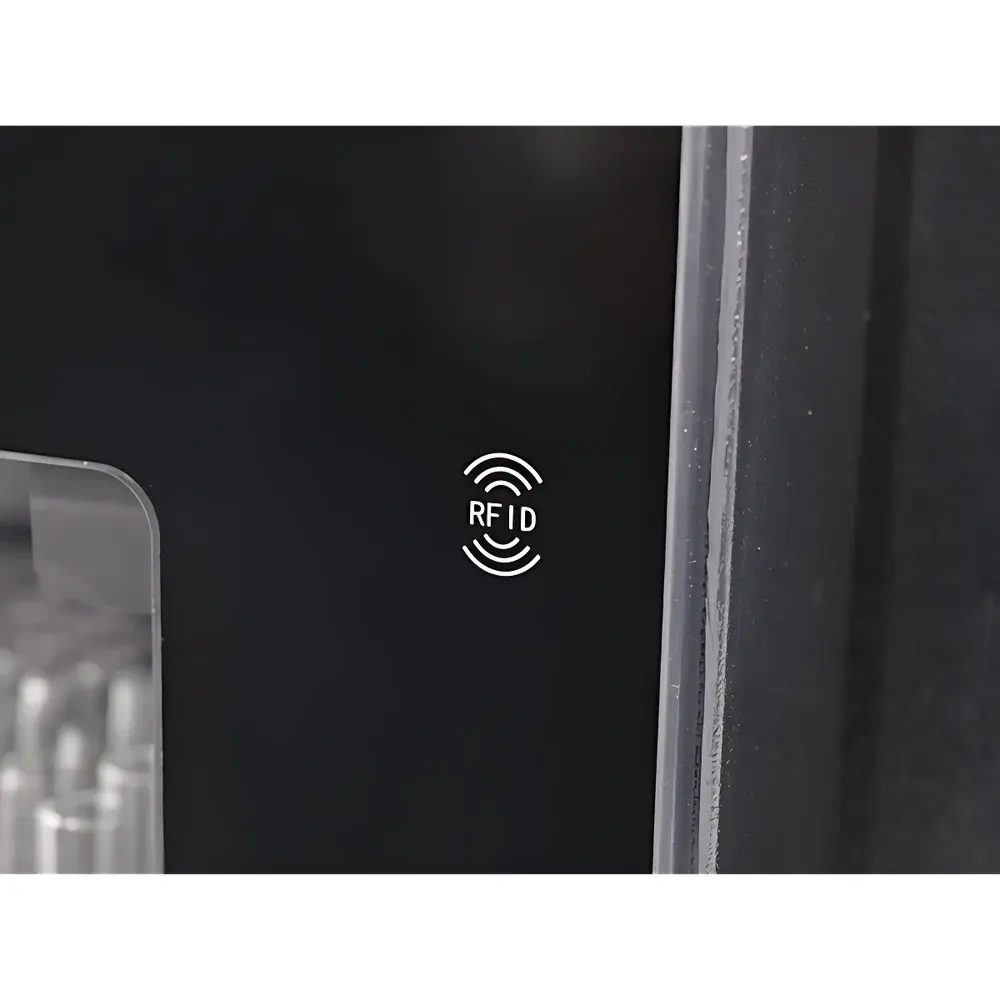
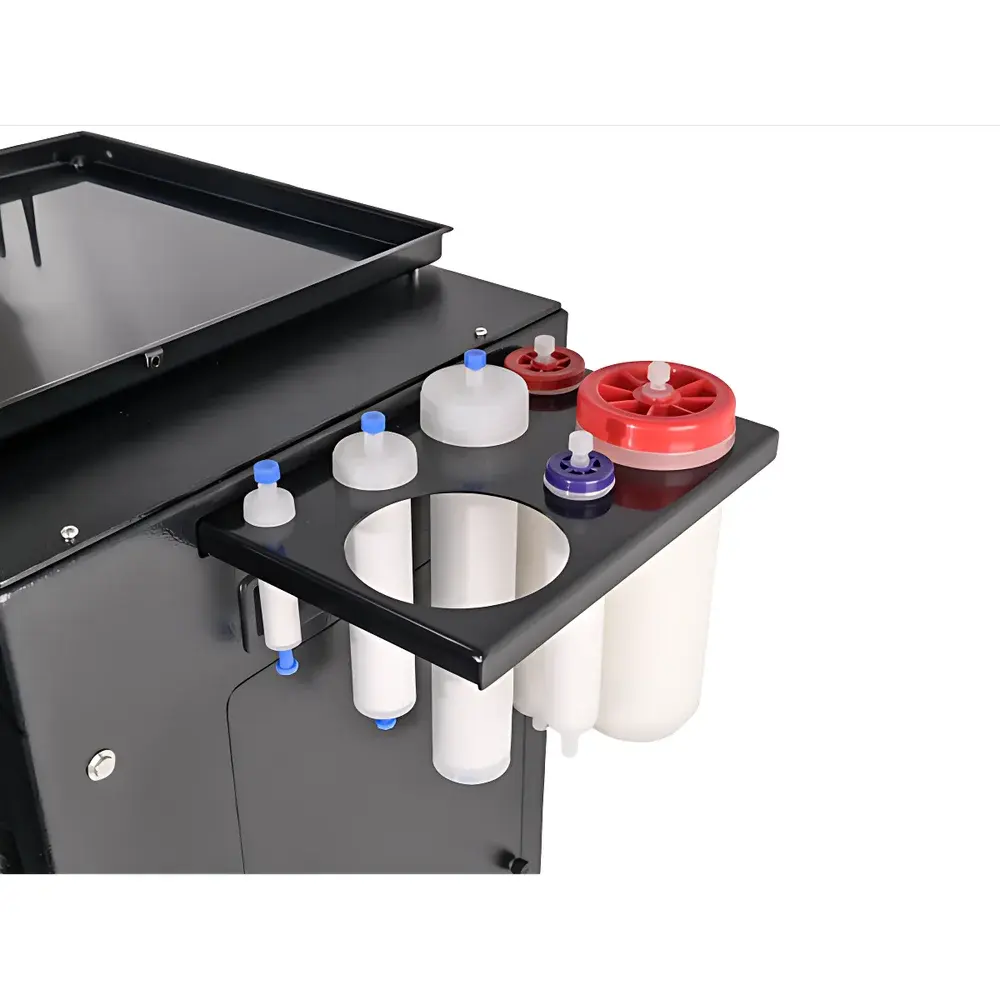
- Intelligent column rack accommodating standard preparative columns from 4 g to 330 g (ID 10–50 mm), equipped with RFID-enabled column recognition for automatic method validation and column history logging.
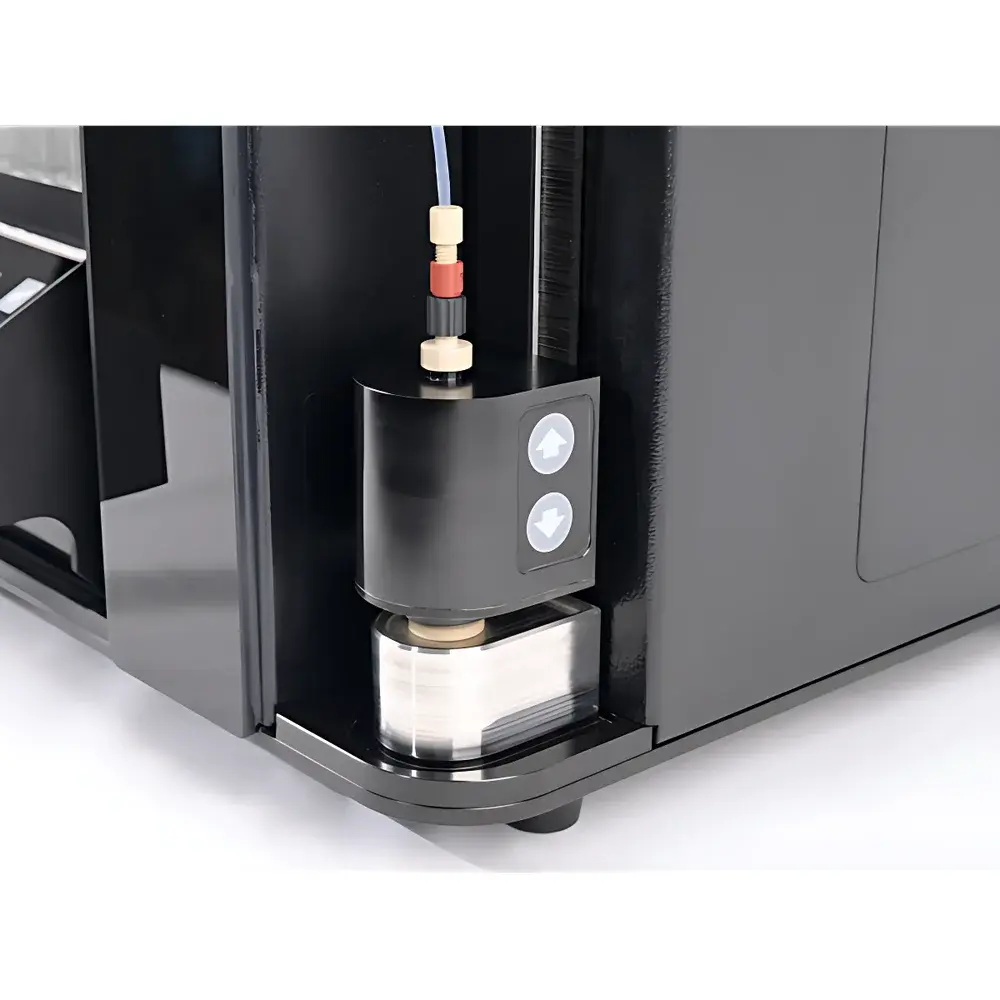
- Dual-mode sample introduction: compatible with both liquid injection (via optional manual injection valve) and direct solid loading (e.g., dry-load or slurry-packed samples) to maximize recovery of low-solubility analytes.
- Diode Array Detector (DAD) with full-spectrum acquisition (200–800 nm), baseline noise < ±5 × 10⁻⁵ AU at 254 nm, and wavelength reproducibility of ±1 nm—ensuring reliable peak identification and co-elution assessment.
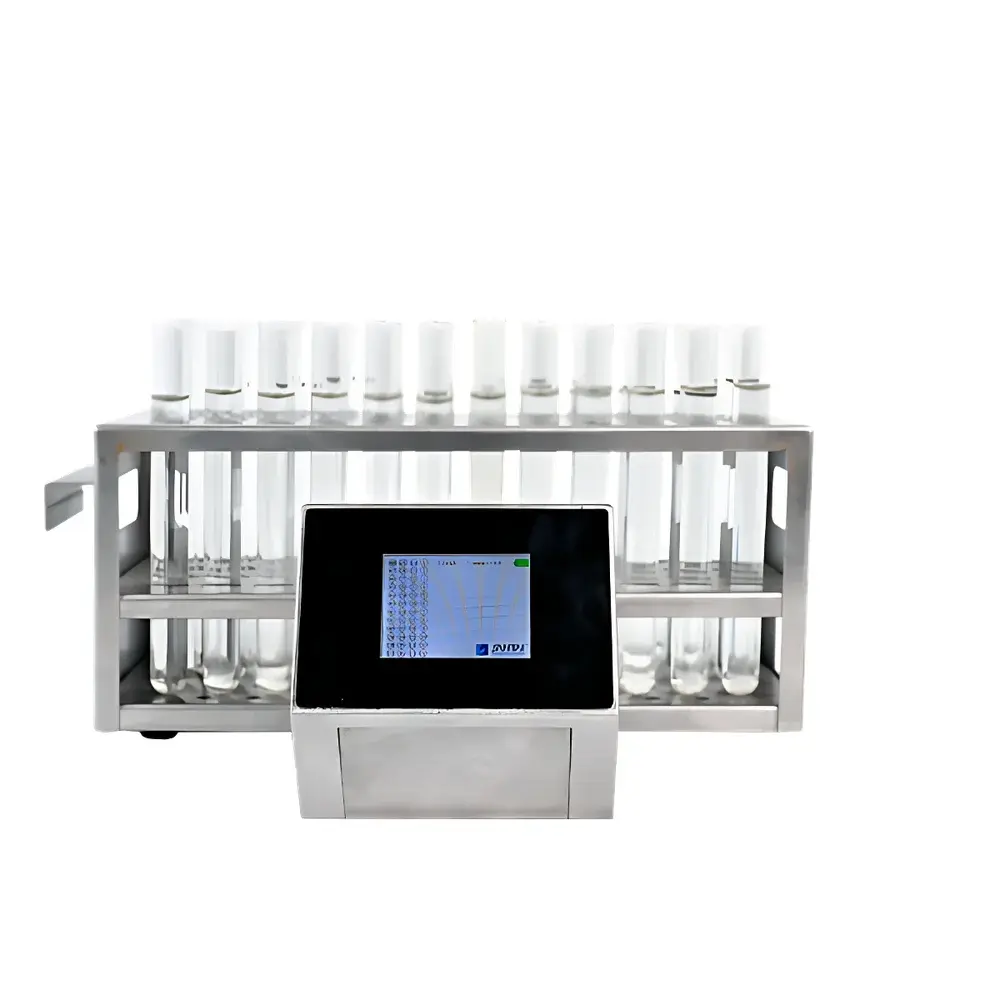
- Smart fraction collector with auto-detection of standard 2 × 18-position racks (18 × 180 mm tubes); supports user-defined tube geometry via optional mechanical adapters.
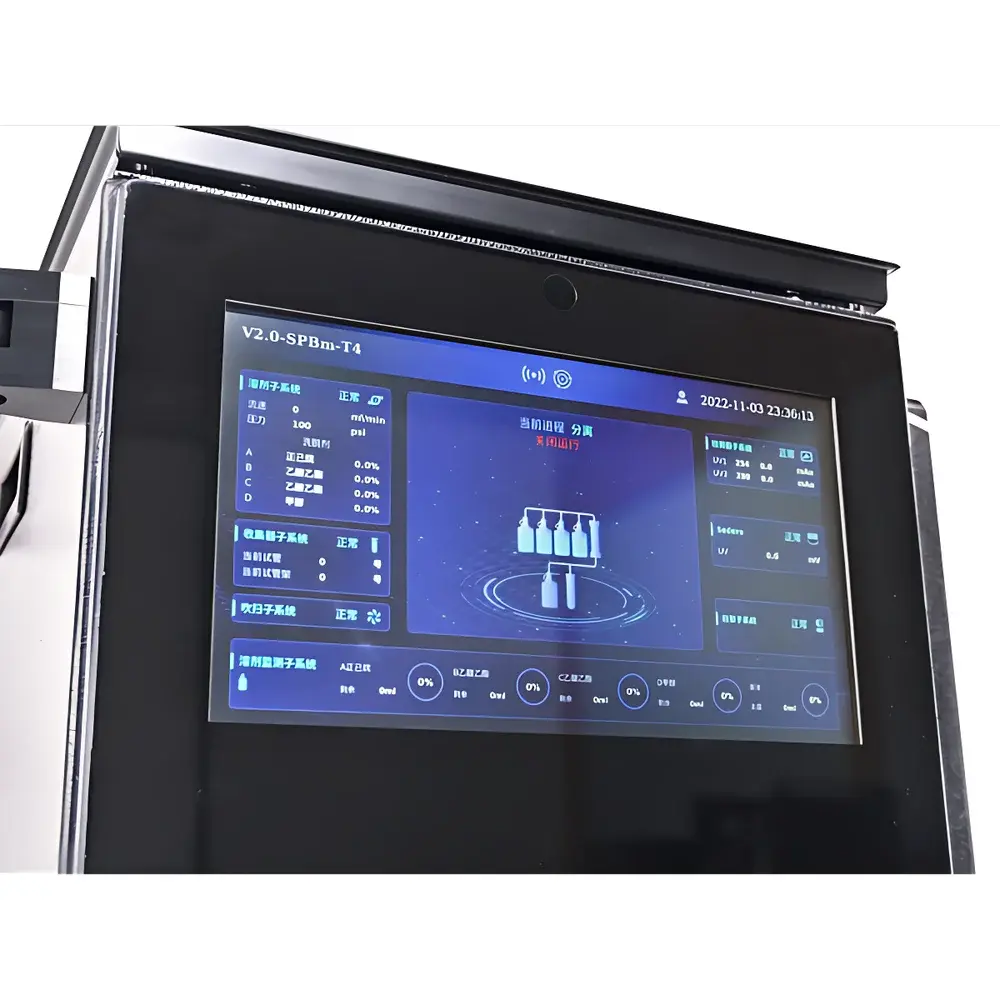
- 11.6-inch high-resolution dynamic touchscreen interface with embedded control logic, real-time pressure/flow monitoring, and contextual alarm visualization (e.g., overpressure, low solvent level, column blockage).
Sample Compatibility & Compliance
The SepaBean T system is validated for use with silica, C18, amino, cyano, and diol stationary phases across a broad range of compound classes—including alkaloids, flavonoids, peptides, small-molecule APIs, and polymer additives. All fluidic pathways are constructed from chemically resistant materials (e.g., PEEK, stainless steel 316L, sapphire windows) suitable for common organic solvents (hexane, EtOAc, MeOH, ACN, DCM) and aqueous buffers (pH 2–9). The system supports audit-ready operation in regulated environments: electronic logs include timestamped method parameters, detector signals, collection events, and user actions—fully compliant with GLP documentation requirements. While not pre-certified for FDA 21 CFR Part 11, its role-based access control, immutable audit trails, and method versioning provide foundational infrastructure for internal validation under ISO/IEC 17025 or pharmaceutical QC protocols.
Software & Data Management
The embedded operating system enables local method development, sequence scheduling, and real-time chromatogram review. All instruments operate as nodes on a secure LAN; when one unit is occupied or offline, users may remotely view completed runs, export raw data (ASCII/CSV), or load previously validated methods onto another available SepaBean T system—eliminating workflow interruption. Method transfer requires no file import/export: instrument configuration, calibration offsets, and column metadata synchronize automatically upon network reconnection. A cloud-synced, vendor-maintained separation method database is provided at no cost for the instrument’s lifetime, updated quarterly with new applications (e.g., CBD isolation, peptide purification, chiral resolution) and validated under standardized conditions (column lot, flow rate, gradient profile). User accounts support hierarchical permissions (Admin, Supervisor, Technician), restricting access to method editing, data deletion, or system configuration changes per organizational policy.
Applications
- Purification of natural product extracts (e.g., terpenoids from plant matrices, polyphenols from fermentation broths)
- Isolation of reaction intermediates and final products in medicinal chemistry synthesis campaigns
- Desalting and buffer exchange of oligonucleotides and synthetic peptides prior to lyophilization
- Removal of catalyst residues (e.g., Pd, Ru) from cross-coupling reaction mixtures
- Scale-up support for early-stage process development—bridging analytical HPLC and pilot-scale flash systems
- Teaching laboratories: hands-on instruction in chromatographic theory, gradient optimization, and fraction pooling strategies
FAQ
What is the maximum column size supported by the intelligent column rack?
The rack accommodates columns ranging from 4 g to 330 g, corresponding to internal diameters of 10 mm to 50 mm and bed heights up to 200 mm.
Can the DAD detector be used for peak purity assessment?
Yes—the 200–800 nm spectral range and 1 nm wavelength reproducibility allow comparative spectral analysis across peak apex and shoulders, supporting qualitative purity evaluation in accordance with ICH Q2(R2) guidance.
Is remote method creation and scheduling possible without physical access to the instrument?
Yes—authorized users may design, save, and schedule methods via the web-based portal; scheduled runs execute automatically upon instrument availability, with notifications sent upon completion or error condition.
How is data integrity maintained during instrument replacement or network migration?
All method files, chromatograms, collection logs, and user audit trails reside in a centralized database; newly commissioned instruments join the same logical domain and inherit full historical context without manual data migration.
Does the system support integration with third-party ELSD or MS detectors?
The analog/digital I/O ports and open communication protocol (TCP/IP + Modbus TCP) permit synchronization with external detectors; however, native ELSD support requires optional hardware module installation and firmware update.




