
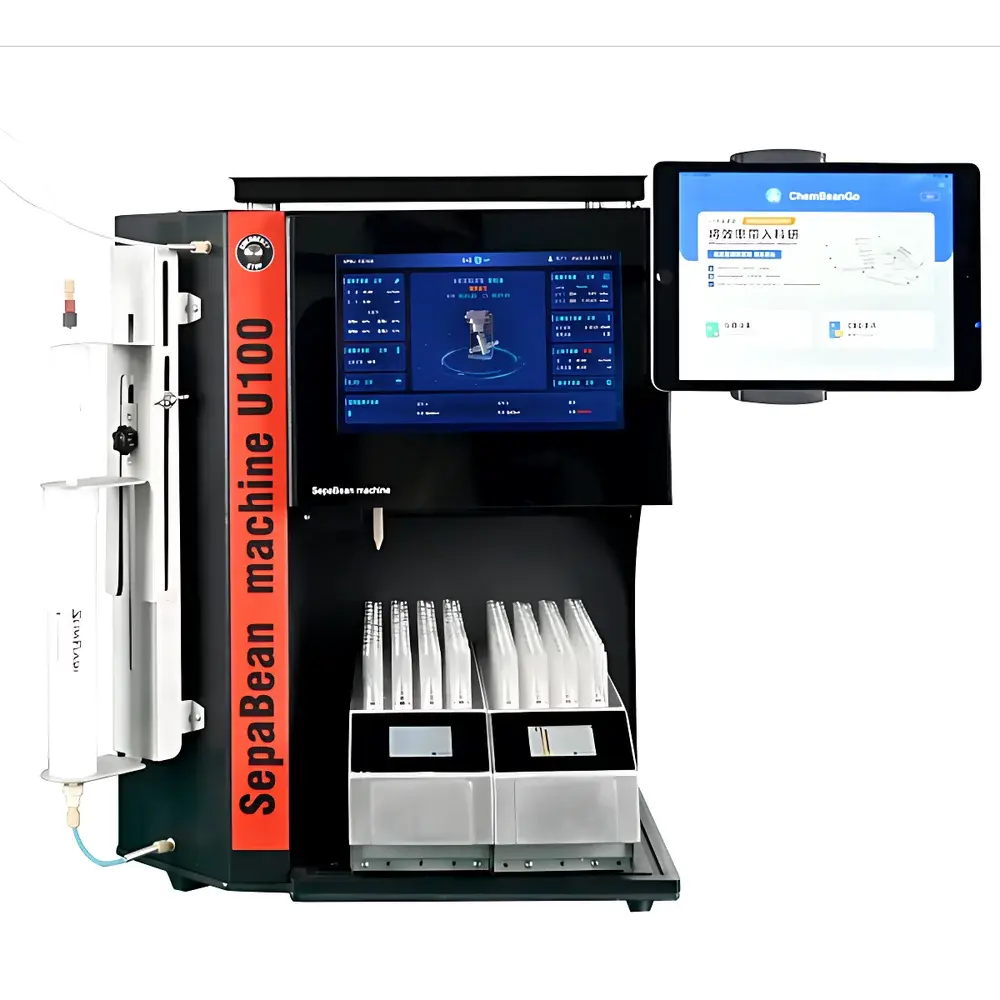
SepaBean U100 V2.0 Preparative Liquid Chromatography System
| Brand | Santai |
|---|---|
| Origin | Jiangsu, China |
| Manufacturer Type | Direct Manufacturer |
| Regional Classification | Domestic (China) |
| Model | U100 — Entry-Level |
| Application Level | Laboratory-Grade |
| Instrument Type | Medium-Low Pressure Preparative LC |
| Flow Rate Range | 0–100 mL/min |
| Flow Accuracy | ≤2% |
| Flow Precision (RSD) | ≤2% |
| Maximum Operating Pressure | 0.69 MPa (100 psi / 6.9 bar) |
| Wavelength Range | 200–800 nm |
| Wavelength Repeatability | ±1 nm |
| Baseline Noise | ±5 × 10⁻⁵ AU |
| Data Acquisition Frequency | 10 Hz |
Overview
The SepaBean U100 V2.0 Preparative Liquid Chromatography System is an entry-level, medium-low pressure preparative HPLC platform engineered for reliable, scalable purification of organic compounds, natural products, pharmaceutical intermediates, and synthetic molecules in academic, R&D, and quality control laboratories. Based on classical high-performance liquid chromatography principles—employing gradient elution, UV-Vis detection, and fraction collection—the system delivers reproducible separations at flow rates up to 100 mL/min and pressures up to 0.69 MPa (100 psi). Its modular architecture integrates a dual-solvent binary gradient pump, DAD-based UV-Vis detection, intelligent fraction collection, and a 10.1-inch capacitive touchscreen interface—all designed for intuitive operation without compromising analytical rigor. Unlike analytical-scale systems, the U100 V2.0 prioritizes robustness, method transferability, and operational continuity in routine purification workflows.
Key Features
- Modular Binary Gradient Pump: Dual-channel solvent delivery with programmable gradient profiles; flow accuracy and repeatability both maintained within ≤2% across the full 0–100 mL/min range.
- Diode Array Detector (DAD): Broad spectral coverage from 200–800 nm with ±1 nm wavelength repeatability and low baseline noise (±5 × 10⁻⁵ AU), enabling multi-wavelength peak tracking and purity assessment.
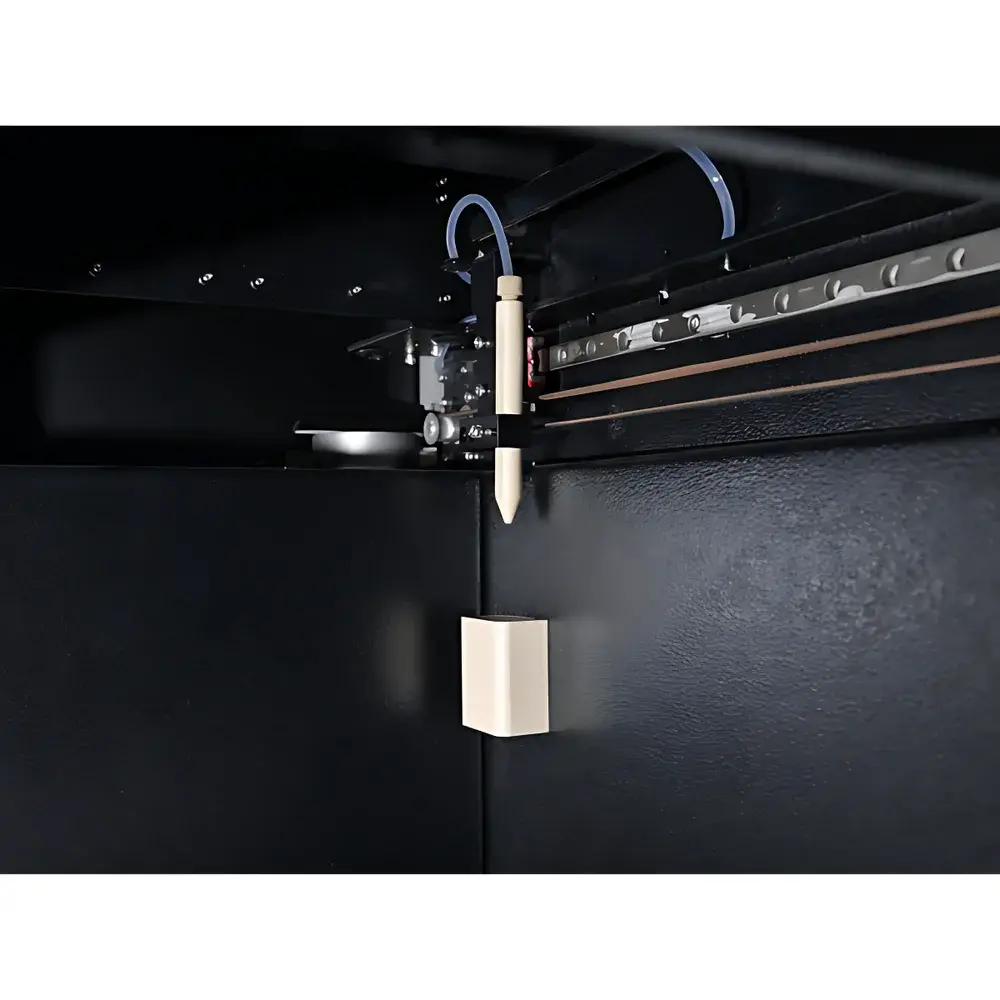
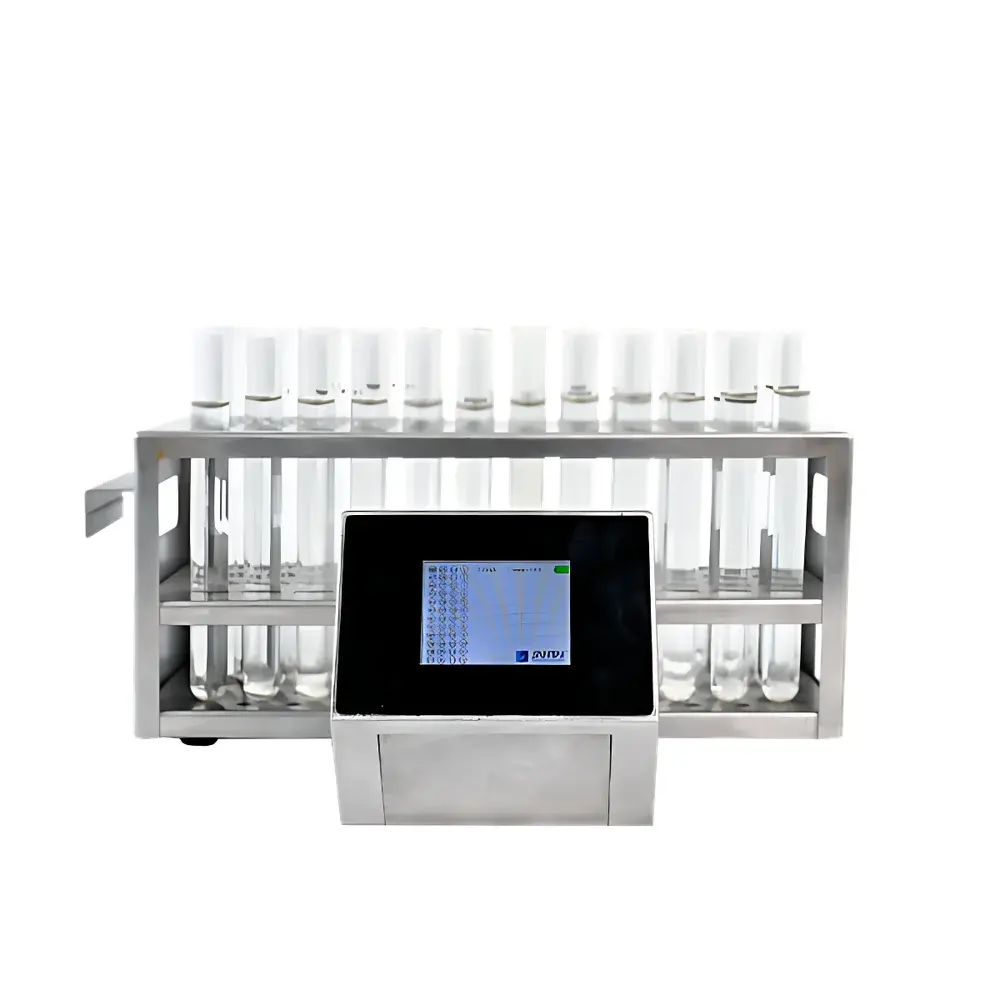
- Intelligent Fraction Collection: Standard 2-row × 18-tube rack (180 mm tube height); optional configurations available; automated tube recognition via optical encoding ensures precise fraction assignment and traceability.
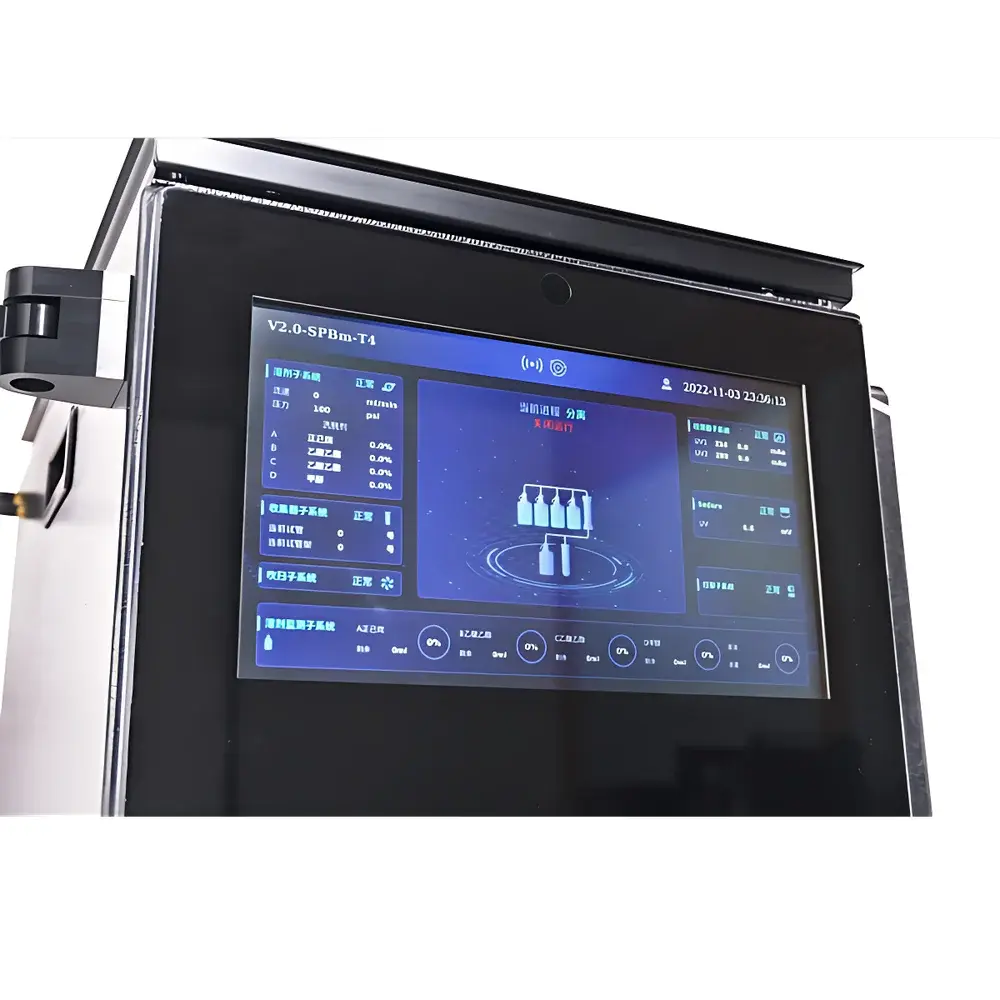
- Integrated Touch Interface: 10.1-inch high-resolution dynamic display with real-time chromatogram rendering, method editing, and status monitoring—no external PC required for basic operation.
- Network-Enabled Workflow Continuity: Built-in Ethernet/Wi-Fi connectivity supports instrument pooling, remote method deployment, live experiment monitoring, and seamless data synchronization across devices—eliminating manual file export/import and reducing data integrity risks.
- Smart Pressure Monitoring & Safety Logic: Real-time pressure sensing with configurable alarm thresholds and automatic pump shutdown to protect columns and system integrity under overpressure conditions.
Sample Compatibility & Compliance
The U100 V2.0 accommodates standard preparative columns ranging from 4 g to 330 g silica or reversed-phase media (e.g., C18, C8, amino, cyano), supporting both liquid and solid sample loading modes. Its pressure and flow specifications align with ISO 17025-compliant laboratory practices for method validation and routine QC use. While not certified for GMP production environments, the system supports GLP-aligned documentation through audit-trail-enabled software logs, user-level access control, and timestamped method/data records—facilitating internal SOP adherence and regulatory readiness for early-stage development and non-clinical studies.
Software & Data Management
Control and data acquisition are managed via embedded firmware with optional cloud-synced desktop client (Windows/macOS). The system implements role-based account management—administrators, analysts, and trainees can be assigned distinct permissions for method editing, run initiation, data export, and system configuration. All separation methods are stored in a centralized, version-controlled database with lifetime free updates—curated for common compound classes (alkaloids, flavonoids, peptides, APIs) and validated against reference standards. Raw chromatographic data (UV traces, spectra, collection events) are saved in open-format .csv and vendor-neutral .mzML-compatible metadata structures, ensuring long-term accessibility and third-party analysis compatibility. Remote scheduling, method sharing, and cross-instrument experiment resumption are natively supported without middleware or API customization.
Applications
- Purification of synthetic reaction mixtures prior to NMR or MS characterization
- Isolation of bioactive constituents from plant extracts and fermentation broths
- Desalting and buffer exchange of peptides and oligonucleotides
- Preparative-scale chiral separations using commercially available CSPs (subject to column compatibility)
- Method scouting and scale-up studies bridging analytical to pilot-scale purification
- Teaching chromatography fundamentals in undergraduate and graduate laboratory curricula
FAQ
What is the maximum column size compatible with the U100 V2.0?
The system supports preparative columns rated for 4 g to 330 g stationary phase mass, corresponding to inner diameters from ~10 mm to 40 mm and lengths up to 250 mm.
Can I use ELSD or other detectors instead of the DAD?
Yes—while the DAD is standard, the system features a universal detector interface compliant with analog voltage (0–1 V) and TTL trigger signals, enabling integration of optional evaporative light scattering (ELSD), conductivity, or mass spectrometry interfaces.
Is the software compliant with FDA 21 CFR Part 11 requirements?
The base firmware supports electronic signatures, audit trails, and user authentication—but full Part 11 compliance requires deployment in a validated IT environment with documented procedures, which falls outside the scope of the instrument’s out-of-the-box configuration.
How does network failover work during instrument downtime?
When an active run is interrupted due to hardware fault, the system automatically flags the method and raw data for recovery; users may resume execution on another U100 V2.0 node in the same local network, provided identical column/detector configurations and calibrated parameters are verified prior to restart.
Is method transfer possible from analytical HPLC to the U100 V2.0?
Yes—gradient time scaling, flow rate adjustment, and column volume normalization tools are embedded in the method editor to facilitate linear scale-up from analytical (e.g., 4.6 mm ID) to preparative (e.g., 20–30 mm ID) dimensions while preserving selectivity and resolution.





