
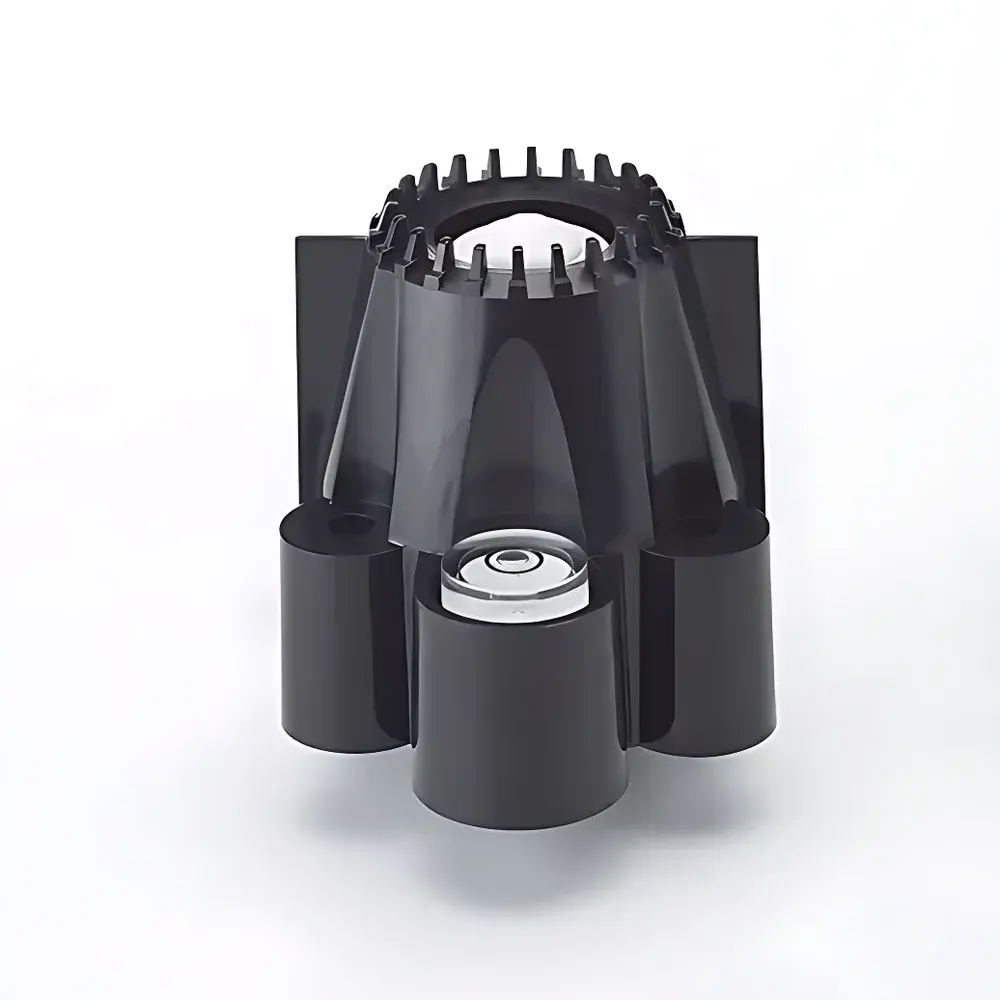
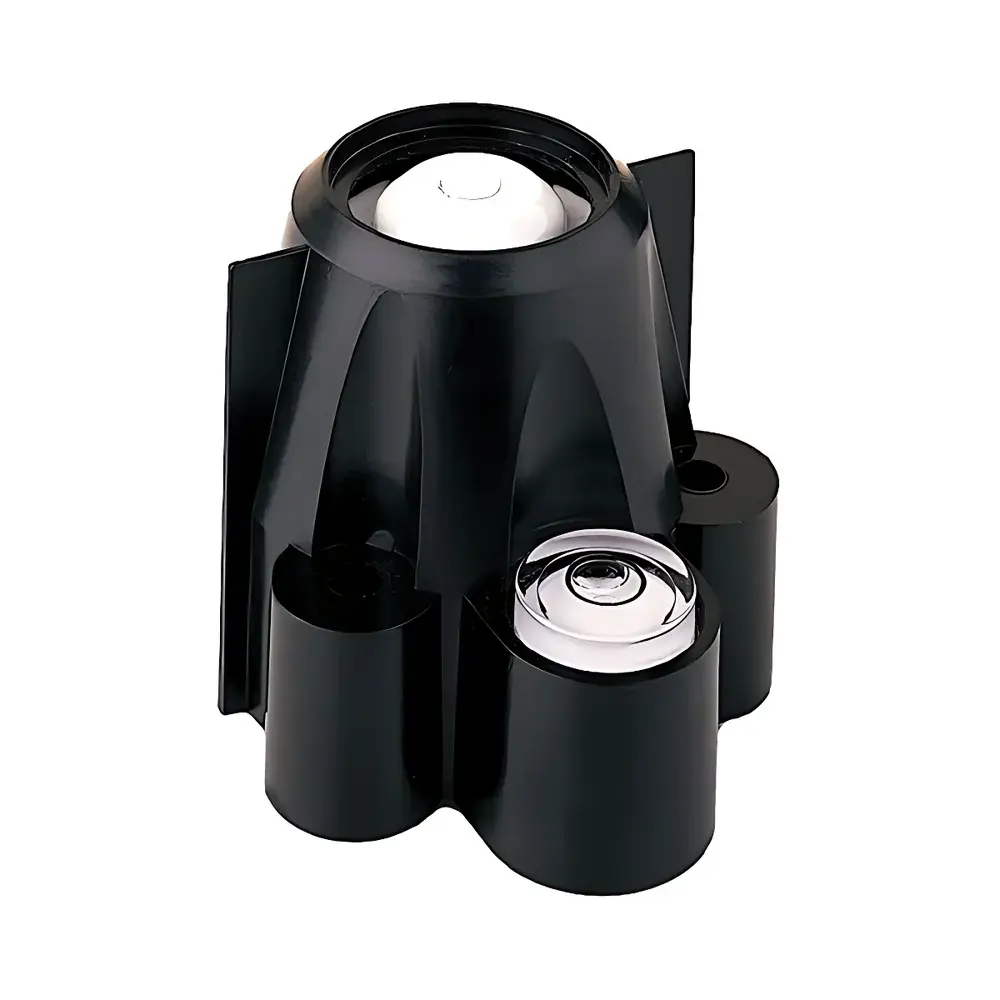
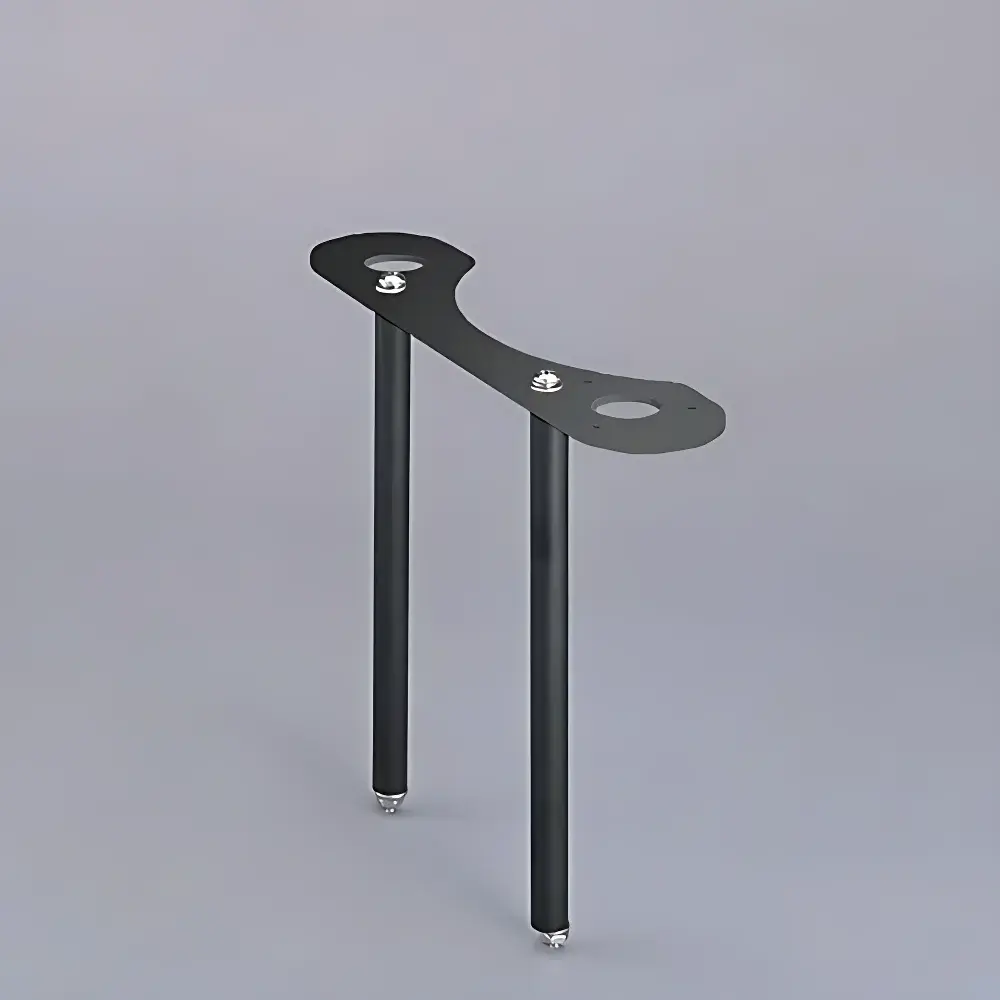
Davis 6490 UV Radiation Sensor
| Brand | Davis Instruments |
|---|---|
| Origin | USA |
| Model | 6490 |
| Operating Temperature | -40°C to +65°C |
| Storage Temperature | -45°C to +70°C |
| Spectral Response (10% points) | 280–360 nm |
| Cosine Response | ±4% (0–65°), ±9% (65–85°) |
| Output Signal | 0–2.5 VDC (150 mV per UV Index |
| Supply Voltage | +3 VDC ±10%, 2.4 mA |
| Cable | 0.6 m, 4-conductor, 26 AWG, RJ-11 connector |
| Housing Material | UV-stabilized PVC |
| Dimensions | 51 × 70 × 57 mm |
| Weight | 226 g |
| UV Index Range | 0–16, Resolution: 0.1, Accuracy: ±5% FS |
| UV Dose Range | 0–199 MED, Resolution: 0.1 MED (≤19.9), 1 MED (>19.9), Accuracy: ±5% daily total, Drift: ±2% per year |
| Update Interval | 50 s to 1 min |
Overview
The Davis 6490 UV Radiation Sensor is an optoelectronic transducer engineered for precise measurement of biologically weighted ultraviolet (UV) irradiance in outdoor environmental monitoring applications. It operates on the principle of spectral filtering and photodiode-based detection, with a calibrated optical response aligned to the CIE erythemal action spectrum (ISO 17166:2019 / CIE S 007/E-1998). This ensures quantitative correlation between measured signal and human skin-relevant UV exposure—enabling accurate derivation of the UV Index (UVI), dose rate (MED/h), and cumulative daily or total UV dose (MED). Designed specifically for integration with Davis Vantage Pro2 and Vantage Pro Plus weather stations, the sensor delivers traceable, field-deployable UV data compliant with WMO observational standards for solar radiation monitoring.
Key Features
- Optimized spectral response: Multi-layer interference filters provide tight matching to the erythemal action curve (280–360 nm at 10% transmission points), minimizing out-of-band sensitivity.
- High-fidelity angular response: Precision-ground diffuser achieves cosine-corrected irradiance collection with ≤±4% deviation from ideal cosine law up to 65° incidence angle, critical for diurnal accuracy under variable solar elevation.
- Thermal management architecture: Dual-shell housing design minimizes radiative heating effects; passive convection cooling maintains stable photodiode bias conditions across the full operating temperature range (–40°C to +65°C).
- Environmental resilience: UV-stabilized PVC enclosure resists photodegradation and thermal cycling; sealed construction prevents dust ingress and water accumulation—even when mounted adjacent to rain collectors.
- Electrical compatibility: Standard RJ-11 interface with defined 4-wire I/O (power, ground, analog output, reference) enables plug-and-play integration with legacy and current-generation Davis console firmware without calibration reconfiguration.
Sample Compatibility & Compliance
The 6490 sensor is validated for use with Davis Vantage Pro, Vantage Pro2, and Vantage Pro Plus weather station systems. Its output signal (0–2.5 VDC, scaled linearly to UVI and MED/h) conforms to Davis’ proprietary analog telemetry protocol, ensuring backward compatibility with firmware versions dating to 2005. While not certified to IEC 61724-1 (photovoltaic monitoring) or ISO 9060:2018 (spectroradiometer classification), its performance characteristics meet WMO Guide to Meteorological Instruments and Methods of Observation (CIMO Guide, Chapter 7) requirements for Class C broadband UV sensors used in climatological networks. The ±5% UVI accuracy and <±2% annual drift satisfy long-term trend analysis needs in environmental health and atmospheric science applications.
Software & Data Management
Raw voltage output from the 6490 is converted in real time by the host weather station console into standardized metrics—including instantaneous UV Index, hourly dose rate, and rolling 24-hour cumulative dose—using factory-applied calibration coefficients stored in non-volatile memory. Data are logged at user-configurable intervals (default: 50 s to 1 min) and transmitted via Davis WeatherLink cloud platform or local USB/serial export. For regulatory or audit-trail purposes, WeatherLink Live supports optional GLP-compliant metadata tagging (timestamp, sensor ID, firmware version) and export to CSV/JSON formats compatible with LIMS integration. Though the sensor itself lacks onboard storage or digital communication (e.g., SDI-12 or Modbus), its analog interface ensures deterministic latency and immunity to electromagnetic interference in high-noise rural or coastal deployment sites.
Applications
- Public health UV forecasting: Integration into municipal weather displays and mobile apps delivering real-time UVI alerts aligned with WHO/EPA exposure guidelines.
- Educational meteorology: Used in university atmospheric science labs to correlate UV irradiance with ozone column data, aerosol optical depth, and cloud cover indices.
- Agricultural phenology: Monitoring UV-B exposure thresholds influencing anthocyanin synthesis in vineyards and orchards.
- Long-term climate monitoring: Contributing to NOAA’s U.S. Climate Reference Network (USCRN) auxiliary UV datasets where co-located pyranometers and UV sensors support radiative forcing studies.
- Occupational safety: Deployed at construction sites and solar farm maintenance zones to log personal exposure-equivalent dose metrics for OSHA recordkeeping.
FAQ
Is the Davis 6490 sensor compatible with third-party data loggers?
Yes—provided the logger accepts 0–2.5 VDC analog input with ≥16-bit resolution and can apply the documented scaling factor (150 mV per UV Index unit), though Davis console firmware handling remains the only validated configuration.
Does the sensor require periodic recalibration?
No scheduled recalibration is specified by Davis; however, annual verification against a NIST-traceable reference standard (e.g., Brewer spectrophotometer or calibrated UV radiometer) is recommended for scientific-grade deployments.
Can the 6490 be mounted independently of a Davis weather station?
It may be powered and read externally using +3 VDC and appropriate signal conditioning, but output interpretation requires application of Davis’ proprietary scaling and offset parameters, which are not published in datasheet form.
What mounting hardware is required for co-location with a rain gauge?
The Davis 6673 Radiation Mounting Bracket is mandatory to ensure proper spatial separation and avoid shading or splash interference from the rain collector.
How does the sensor handle snow cover or frost accumulation?
The hydrophobic diffuser surface and vertical orientation minimize snow adhesion; however, manual clearing is advised during prolonged winter conditions to maintain cosine response integrity.







