
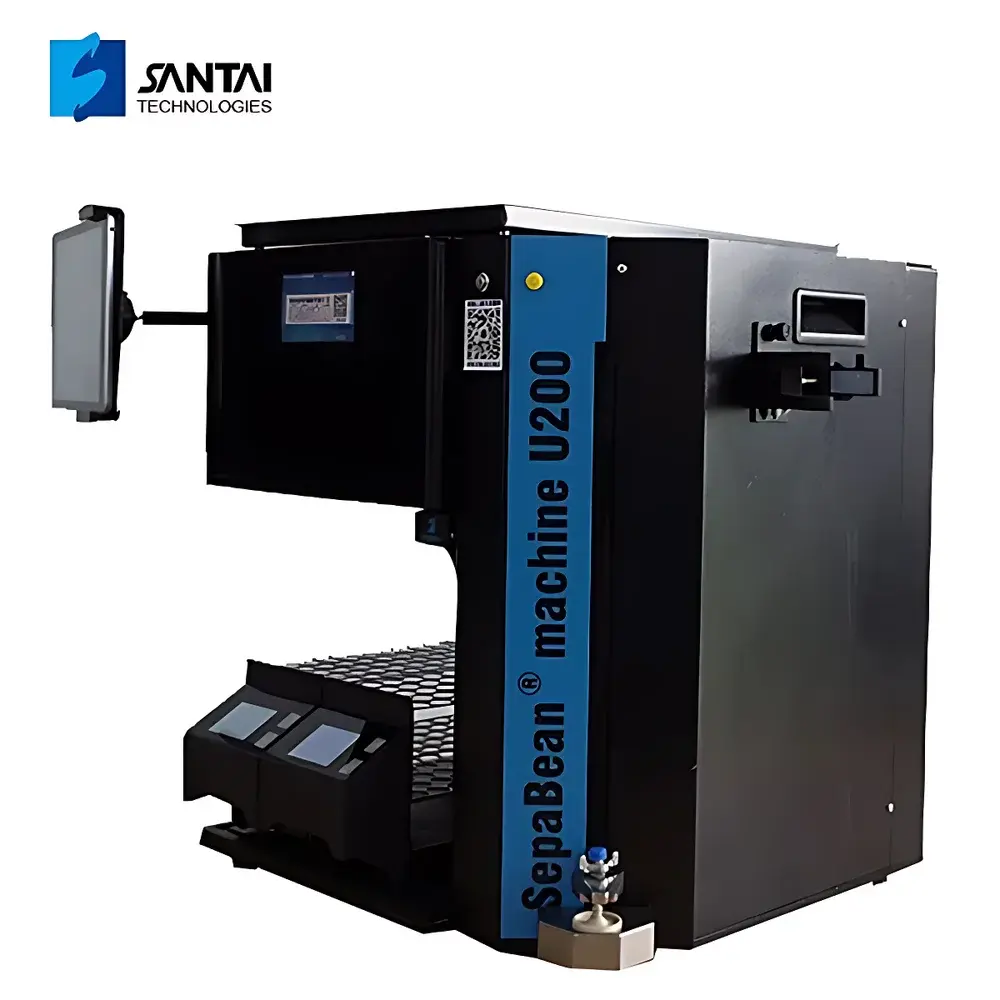
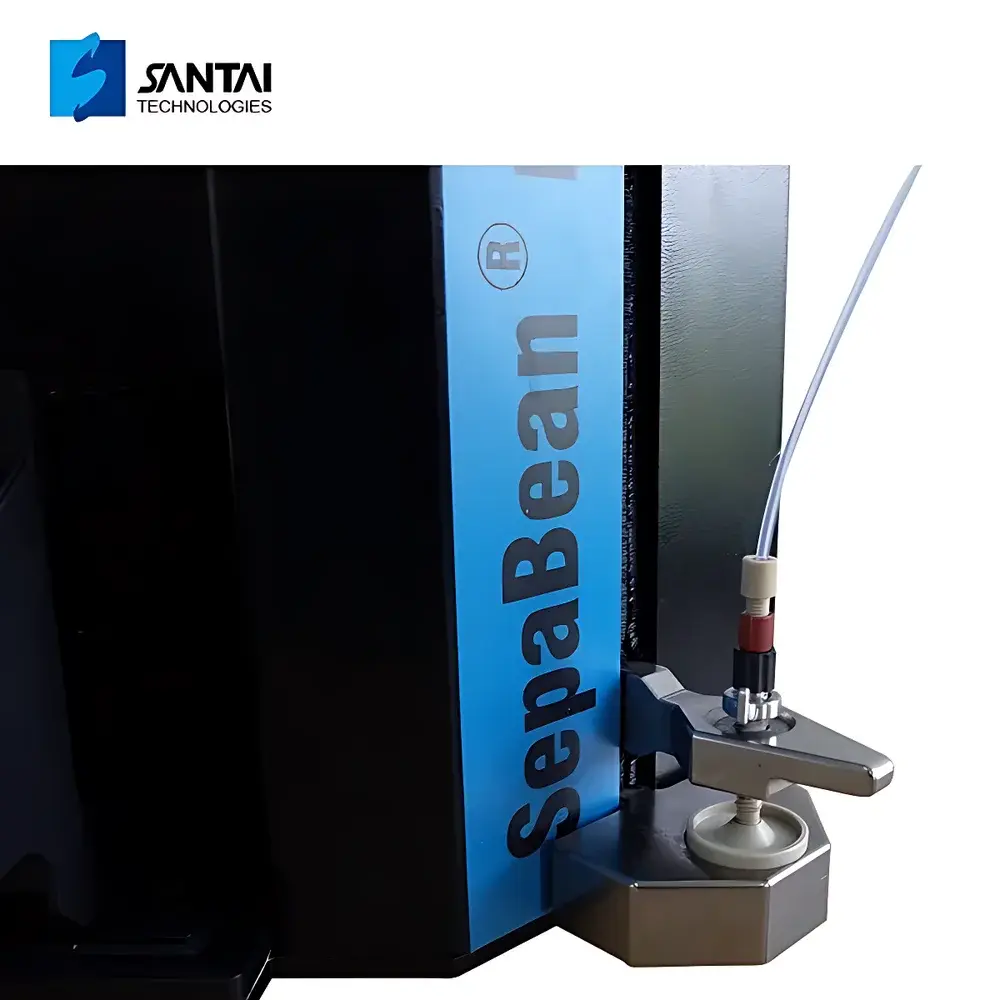
Santai SepaBean Machine U200 Preparative Liquid Chromatography System
| Brand | Santai |
|---|---|
| Origin | Jiangsu, China |
| Manufacturer Type | Manufacturer |
| Regional Category | Domestic |
| Model | SepaBean Machine U200 – Entry-Level |
| Application Level | Laboratory Grade |
| Instrument Type | Medium-to-Low Pressure Preparative LC |
| Flow Rate Range | 1–200 mL/min |
| Flow Accuracy | ≤1% |
| Flow Precision | ≤2% |
| Maximum Pressure | 200 psi (13.8 bar) |
| Wavelength Range | 200–400 nm / 200–800 nm (DAD) |
| Wavelength Accuracy | ±1 nm |
| Wavelength Repeatability | ±0.5 nm |
| Baseline Noise | 50 mAU |
| Data Acquisition Frequency | 5 Hz |
| Gradient Configuration | Binary, Dual-Solvent |
| Detection Modes | Single-Wavelength, Dual-Wavelength, Full-Spectrum Scanning |
| Flow Cell Pathlength | 0.3 mm (standard), 2.4 mm (optional) |
| Collection Modes | Full Collection, Threshold-Based, Full-Spectrum Triggered, Waste |
| Solvent Reservoir Monitoring | Yes |
| Leak & Overpressure Protection | Yes |
| Emergency Stop & Power-Fail Recovery | Yes |
| Integrated Air Pump Module | Yes |
| Wireless Control Interface | Yes |
| Data Encryption | AES-128/AES-256 |
| Compliance | CE Marked |
Overview
The Santai SepaBean Machine U200 is a medium-to-low pressure preparative liquid chromatography (PLC) system engineered for robust, reproducible isolation and purification of organic compounds in laboratory-scale applications. Designed around the principles of column chromatography with enhanced automation and intelligent decision support, the U200 operates on a dual-solvent binary gradient architecture, enabling precise elution control across diverse polarity gradients. Its core separation mechanism relies on differential partitioning of analytes between a stationary phase (typically silica or reversed-phase C18 media) and mobile phases under controlled flow and pressure conditions—up to 200 psi (13.8 bar)—sufficient for standard flash and medium-pressure purification workflows. Unlike analytical HPLC systems, the U200 prioritizes throughput and fraction recovery over ultra-high resolution, making it especially suited for iterative purification cycles in synthetic chemistry, natural product isolation, pharmaceutical process development, and petrochemical research.
Key Features
- Intelligent workflow assistance: Built-in TLC image recognition algorithm automatically interprets Rf values from digital TLC scans and recommends optimal column dimensions, loading capacity, and gradient profiles based on compound polarity and sample mass.
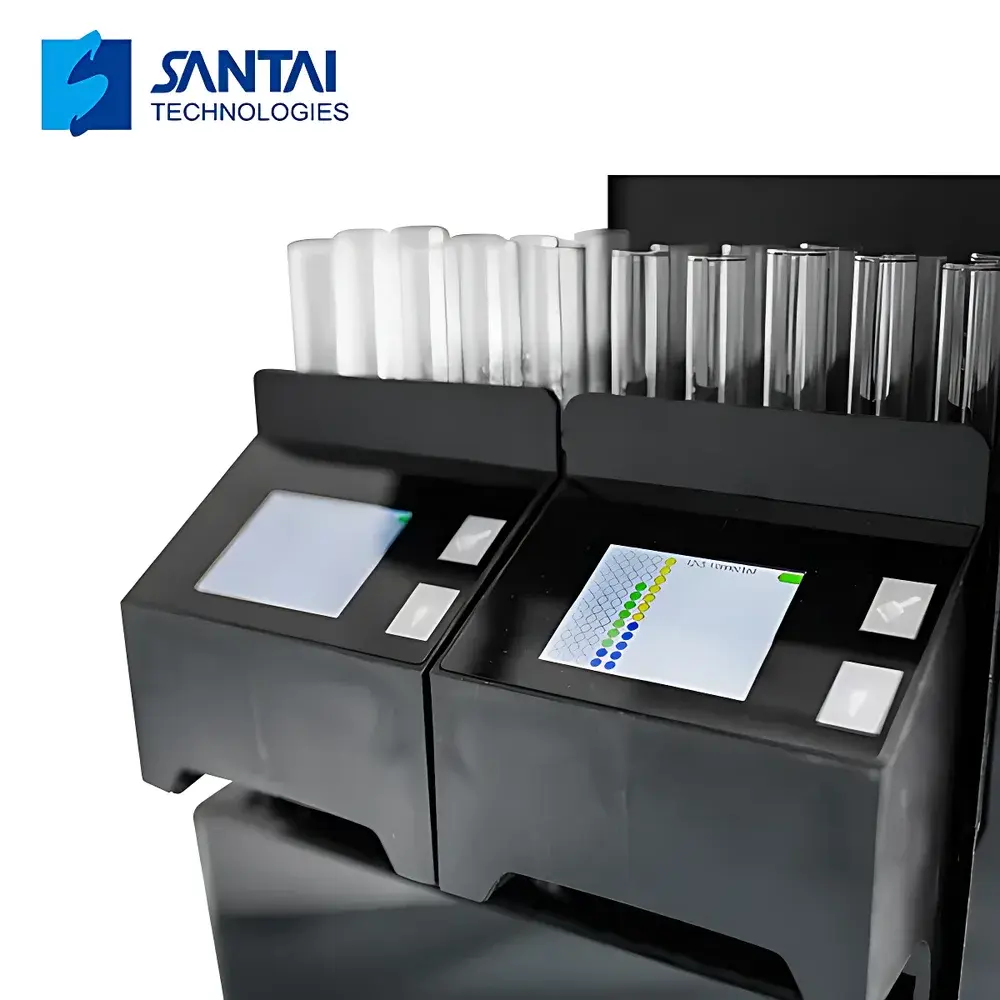
- Real-time operational monitoring: 4.3-inch high-contrast touchscreen displays live chromatograms, flow rate, pressure, UV absorbance at user-selected wavelengths (dual-wavelength simultaneous detection), and collection status.
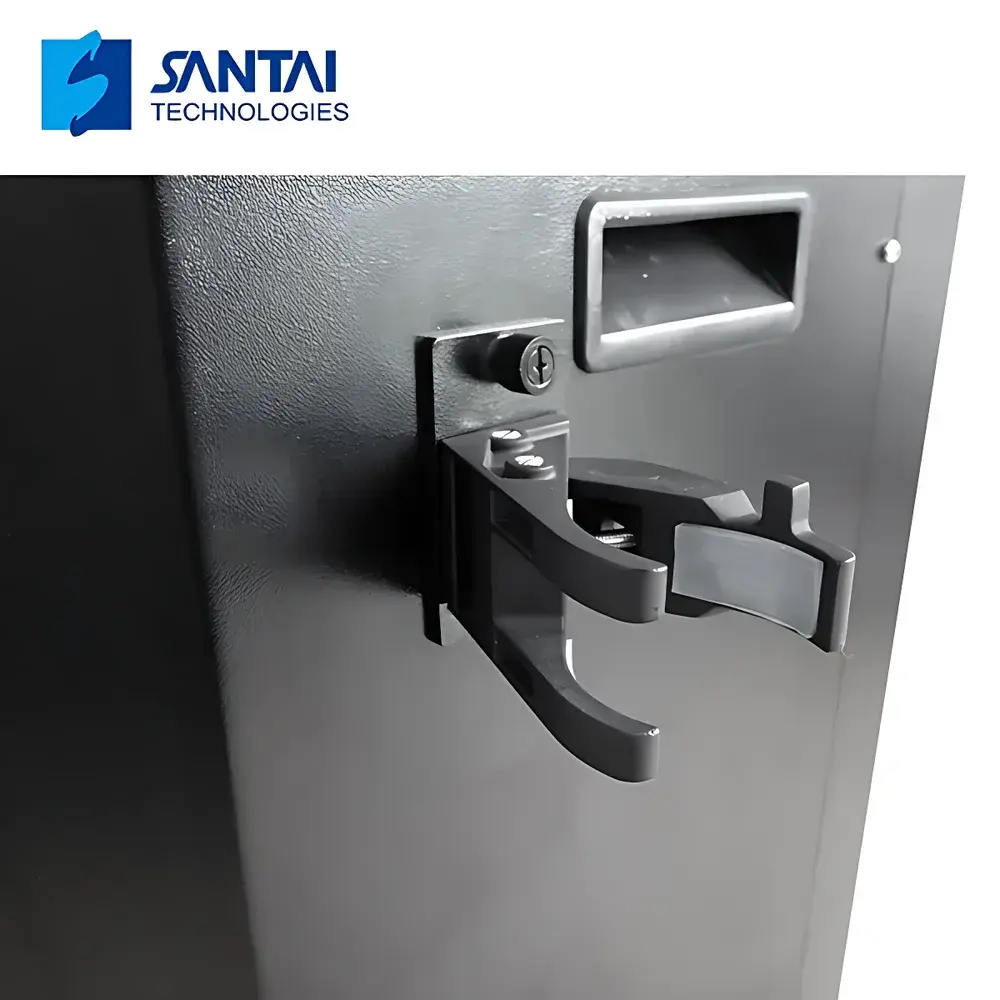
- Integrated safety architecture: Continuous solvent level sensing, leak detection via optical sensors, overpressure cutoff, hardware-based emergency stop, and automatic power-fail recovery ensure uninterrupted method execution and personnel protection.
- Automated post-run maintenance: Dedicated air pump module initiates programmable purging of flow paths and columns after each run, minimizing carryover and extending column lifetime.
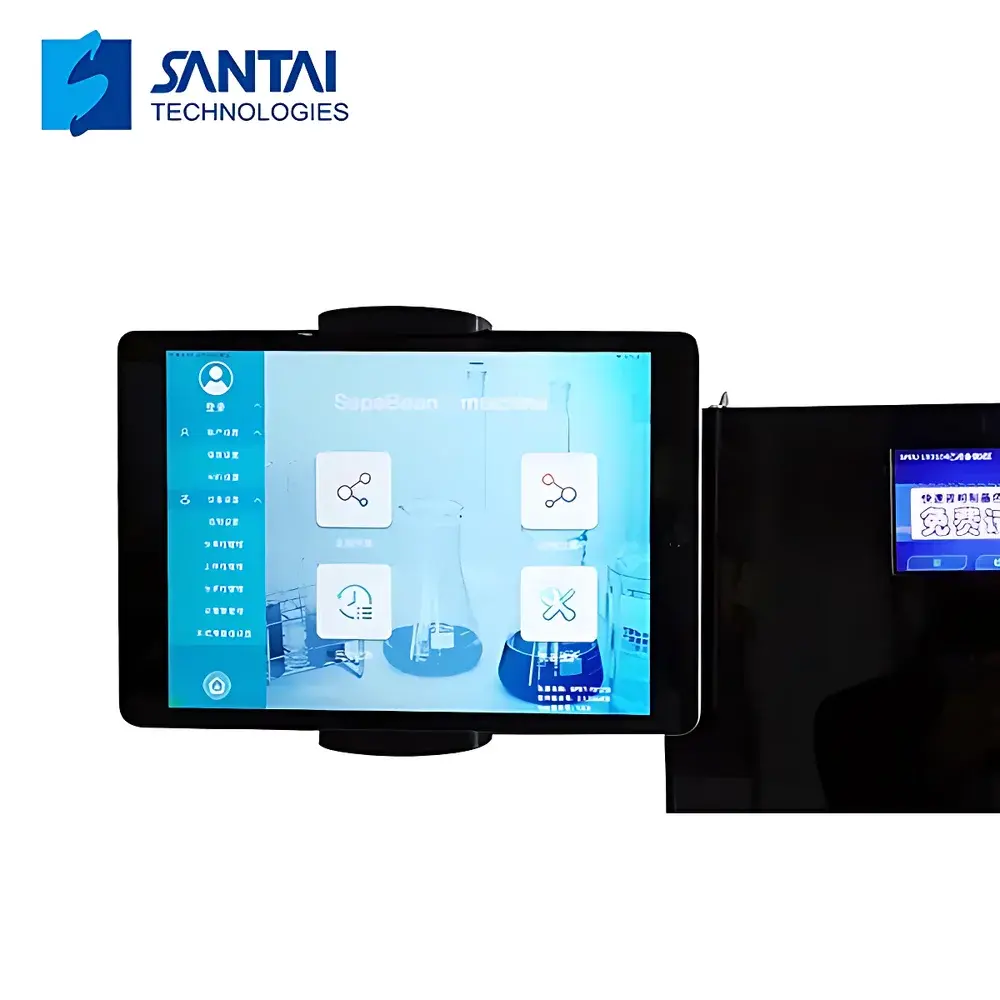
- Wireless remote operation: Compatible with iOS and Android devices via secure Wi-Fi connection; supports multi-user login with role-based access control and real-time push notifications for run completion or fault events.
- Data integrity assurance: All chromatographic data—including raw detector signals, method parameters, and collection logs—are stored with AES-128 or AES-256 encryption; audit trails record user actions, timestamps, and parameter modifications.
Sample Compatibility & Compliance
The SepaBean U200 accommodates a broad range of sample types, including crude reaction mixtures, plant extracts, fermentation broths, and synthetic intermediates, with manual injection supporting both solution-phase and solid-phase (cartridge-based) loading. Its DAD detector covers 200–400 nm (standard) or 200–800 nm (optional), facilitating detection of chromophores across UV and visible spectra. The system meets CE marking requirements for electromagnetic compatibility (EMC) and low-voltage directive compliance. While not validated for GMP production environments, its software architecture supports GLP-aligned documentation practices—including electronic signatures, method versioning, and exportable PDF reports—making it suitable for regulated preclinical research and quality control laboratories operating under ISO/IEC 17025 or internal SOP frameworks.
Software & Data Management
The proprietary SepaBean Control Suite provides a browser-based and mobile-native interface with no local installation required. It features method templating, gradient simulation, real-time spectral overlay, and automated peak integration using adaptive threshold algorithms. All collected fractions are tagged with metadata (collection time, UV trace, wavelength, volume), and users may define custom collection rules—e.g., “collect when absorbance at 254 nm exceeds 15 mAU for ≥3 seconds.” Data exports comply with ASTM E1985-21 and USP guidelines for analytical instrument qualification, generating CSV, PDF, and .dx files compatible with third-party cheminformatics platforms. Audit trail functionality satisfies FDA 21 CFR Part 11 requirements for electronic records and signatures when deployed with server-side authentication and time-stamped log retention.
Applications
- Organic synthesis: Rapid purification of reaction products following Suzuki, Heck, or amide coupling reactions; scalable from milligram to multi-gram batches.
- Natural product isolation: Fractionation of complex botanical extracts using step-gradient or linear ramp protocols optimized for flavonoid, alkaloid, or terpenoid subclasses.
- Pharmaceutical R&D: Impurity isolation for structural elucidation (NMR, MS), reference standard preparation, and early-stage stability testing.
- Petrochemical analysis: Separation of hydrocarbon isomers and functionalized derivatives in fuel additives or lubricant formulations.
- Academic teaching labs: Platform for hands-on instruction in chromatographic theory, method development, and analytical validation principles.
FAQ
What pressure range is supported, and what column formats are compatible?
The U200 operates up to 200 psi (13.8 bar), supporting standard glass or stainless-steel flash columns (15–100 mm ID), cartridge-based systems (e.g., 10–40 g Biotage or ISCO equivalents), and custom-packed preparative columns.
Can the system be integrated into an existing LIMS or ELN environment?
Yes—via RESTful API endpoints and standardized file exports (.csv, .pdf, .dx), the U200 supports bidirectional data exchange with common laboratory informatics systems when configured with appropriate middleware.
Is method transfer possible between the U200 and analytical HPLC systems?
Gradient profiles and retention behavior are scalable using Snyder’s equation and linear solvent strength theory; however, absolute retention times differ due to column geometry and flow dynamics—method re-optimization is recommended.
Does the system support regulatory compliance for audited environments?
While not pre-validated for GMP manufacturing, its encrypted data storage, electronic signature capability, and full audit trail meet foundational requirements for GLP and ISO/IEC 17025-compliant laboratories.
What maintenance routines are recommended for long-term reliability?
Daily: Flush lines with miscible solvents; weekly: inspect seals and purge air pump filters; quarterly: recalibrate flow and wavelength accuracy using NIST-traceable standards.




