
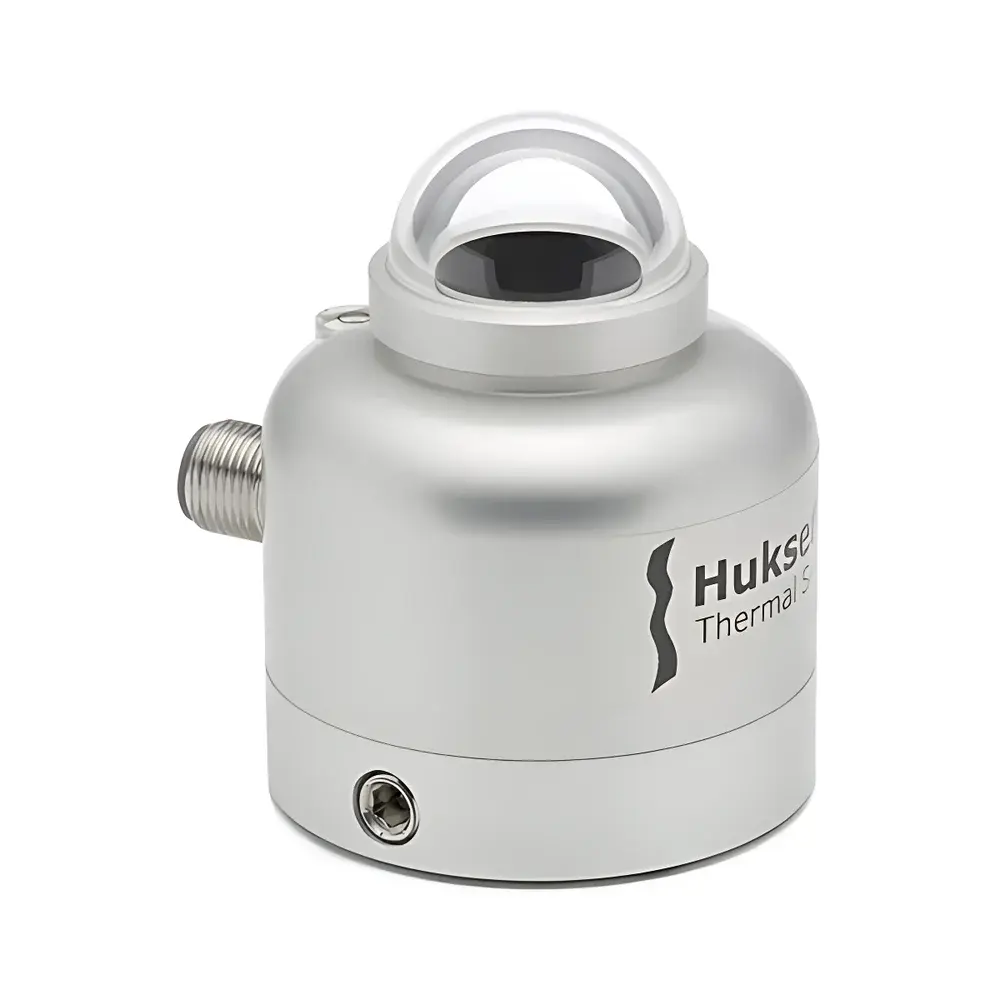

Hukseflux SR05-D1A3-PV Secondary Standard Pyranometer
| Brand | Hukseflux |
|---|---|
| Origin | Netherlands |
| Model | SR05-D1A3-PV |
| Spectral Range | 285–3000 nm |
| Measurement Range | 0–2000 W/m² |
| Calibration Uncertainty | <1.8% (k=2) |
| ISO 9060 | 2018 Classification: Secondary Standard |
| IEC 61724-1 Compliance | Class C |
| Operating Temperature | −40 to +80 °C |
| Output Interface | RS-485 Modbus RTU (with 0–1 V analog backup) |
| Supply Voltage | 5–30 VDC |
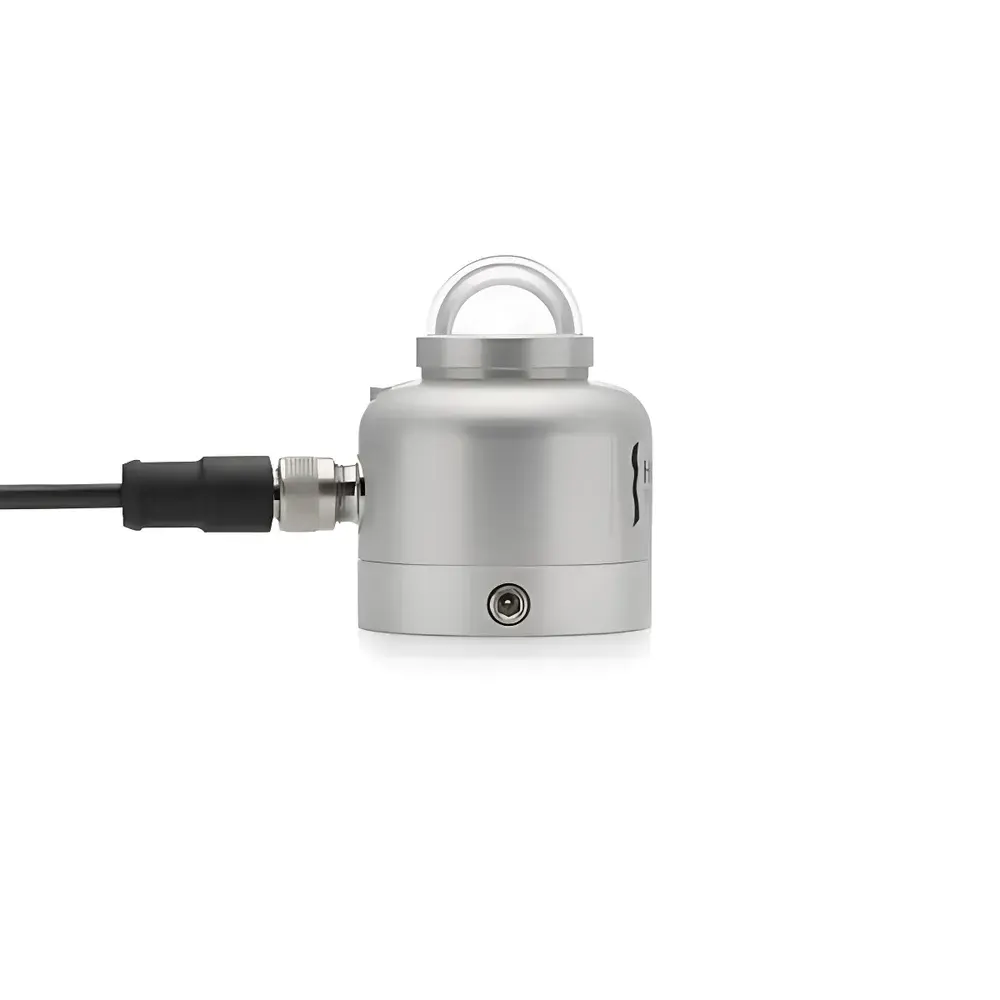
| Cable Length | 3 m (extendable) |
| Field of View | 180° hemispherical |
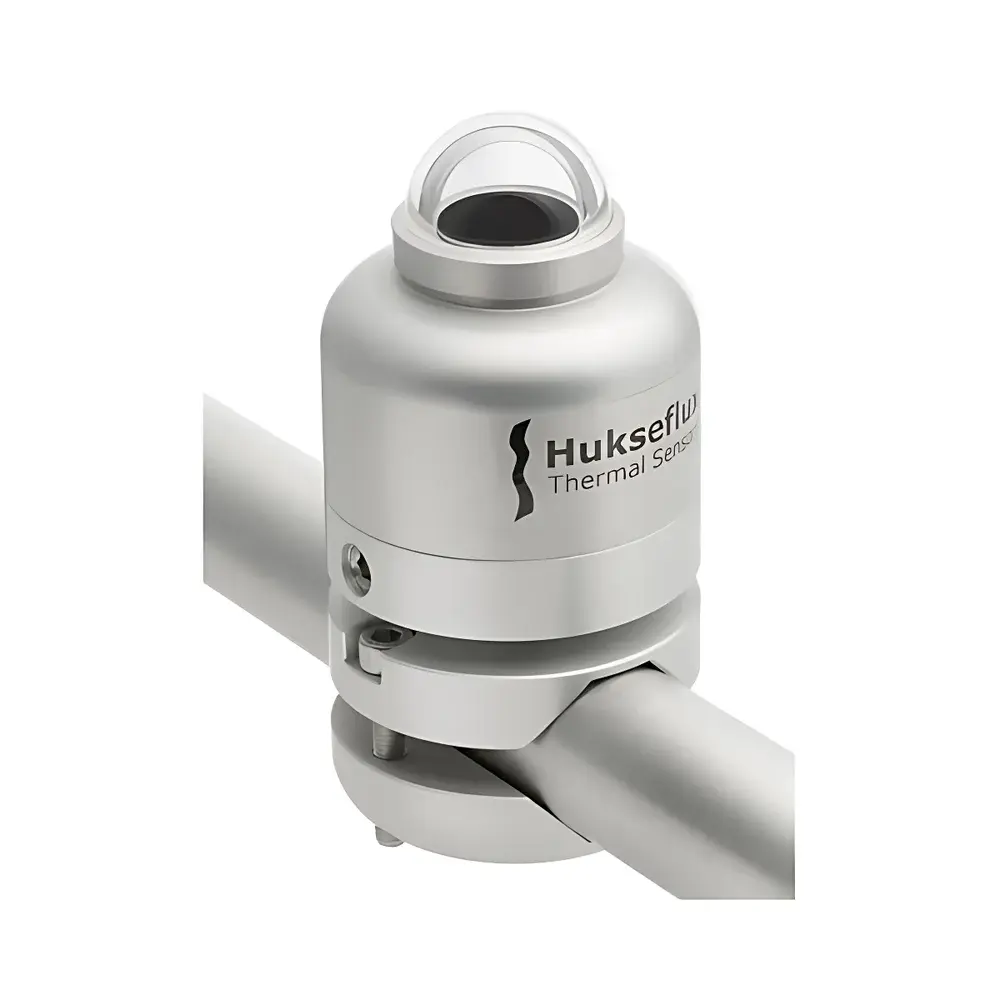
| Mounting | Ball-leveling base, optional tube or planar array fixtures |
Overview
The Hukseflux SR05-D1A3-PV is a secondary standard pyranometer engineered for high-reliability solar irradiance monitoring in photovoltaic (PV) power plants and research-grade meteorological networks. It operates on the thermopile principle—measuring the temperature differential between a blackened, spectrally flat absorbing surface and a thermally isolated reference body—to deliver traceable, broadband solar radiation measurements across the full solar spectrum (285–3000 nm). Certified to ISO 9060:2018 as a Secondary Standard instrument with spectral flatness Class C, the SR05-D1A3-PV meets the stringent performance criteria outlined in IEC 61724-1 for Class C PV monitoring systems. Unlike silicon photodiode-based reference cells, which exhibit spectral mismatch, temperature sensitivity, and degradation over time, this thermopile-based sensor delivers inherently stable, spectrally uniform response—enabling accurate Plane-of-Array (PoA) global tilted irradiance (GTI) and Global Horizontal Irradiance (GHI) quantification without dependence on PV cell technology or anti-reflective coating characteristics.
Key Features
- Thermopile sensing architecture ensures long-term stability (<0.5 %/yr typical drift) and immunity to spectral response shifts associated with aging photodiodes
- RS-485 Modbus RTU digital interface fully replicates register mapping and data structure of widely deployed PV reference cells (e.g., IMT-Solar Si-RS485TC-T-MB), enabling drop-in replacement without firmware or SCADA reconfiguration
- Simultaneous 0–1 V analog output provides redundancy and compatibility with legacy dataloggers lacking Modbus support
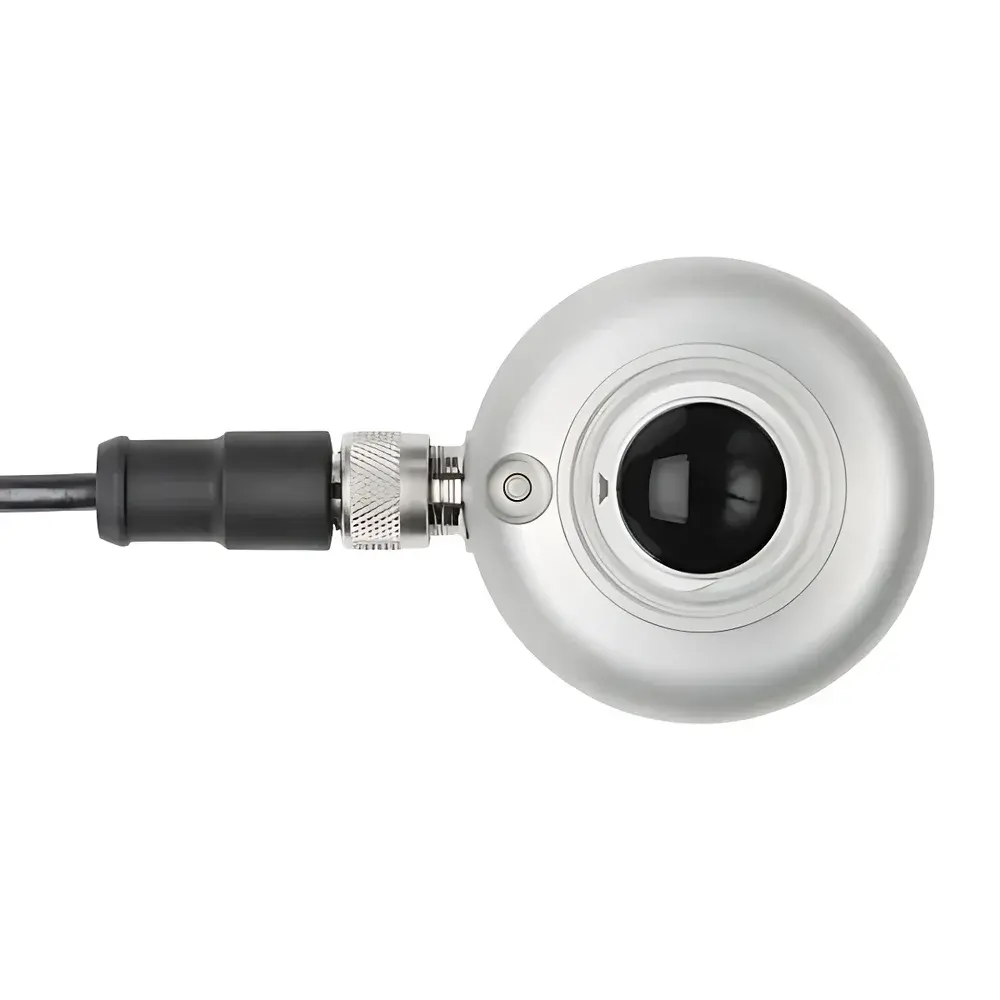
- Integrated ball-leveling mechanism enables rapid, repeatable horizontal alignment—critical for PoA irradiance accuracy in fixed-tilt and single-axis tracking arrays
- Robust hermetic quartz dome and anodized aluminum housing rated IP67 ensure operational integrity under harsh outdoor conditions, including desert, coastal, and alpine environments
- Calibration traceable to the World Radiometric Reference (WRR) at PMOD/WRC, with documented uncertainty <1.8 % (k = 2) at 1000 W/m²
Sample Compatibility & Compliance
The SR05-D1A3-PV is designed for direct mounting on PV module frames, tracker torque tubes, or meteorological masts using optional fixtures—including PMF01 planar clamps, ball-leveling tube mounts (25–40 mm diameter), and dual-connector extension cables (10 m / 20 m). Its hemispherical 180° field of view conforms to ISO 9060:2018 requirements for total hemispherical irradiance measurement. The instrument satisfies IEC 61724-1 Class C specifications for PV system performance monitoring, supporting compliance with utility interconnection agreements and bankable yield assessments. All calibration certificates include full uncertainty budgets aligned with ISO/IEC 17025 requirements, and factory recalibration services maintain metrological continuity across asset lifecycles.
Software & Data Management
Modbus RTU implementation supports standard register addressing (holding registers 40001–40010) for irradiance (W/m²), temperature (°C), status flags, and diagnostic codes. Baud rates from 1200 to 115200 bps allow seamless integration into diverse SCADA platforms—including Campbell Scientific CR series, Siemens Desigo CC, Schneider EcoStruxure, and open-source solutions such as Modbus TCP gateways with Python-based data ingestion pipelines. Optional firmware updates via UART enable future protocol enhancements without hardware modification. Data logging systems utilizing this sensor may be configured to meet audit-ready requirements under GLP/GMP frameworks, with timestamped, signed calibration logs and change-tracking metadata stored locally or transmitted via MQTT/HTTP endpoints.
Applications
- Replacement of silicon reference cells in existing PV plant monitoring systems—eliminating spectral mismatch errors and reducing recalibration frequency
- Performance ratio (PR) and capacity factor analysis for commercial-scale solar farms
- Validation of satellite-derived irradiance models (e.g., Solargis, NSRDB) and numerical weather prediction (NWP) outputs
- Long-term degradation studies requiring multi-year radiometric consistency
- Research applications in solar resource assessment, albedo measurement (when paired with upward-facing unit), and bifacial energy yield modeling
- Grid-scale forecasting input where irradiance uncertainty directly impacts dispatch scheduling accuracy
FAQ
Is the SR05-D1A3-PV suitable for GHI measurements?
Yes—it is certified for both Global Horizontal Irradiance (GHI) and Plane-of-Array (PoA) Global Tilted Irradiance (GTI) when mounted horizontally or at the same tilt/orientation as the PV array.
Can it replace my existing silicon reference cell without modifying software?
Yes—the Modbus register map, scaling factors, and communication parameters are identical to industry-standard PV reference cells; no changes to SCADA configuration or data parsing logic are required.
What is the recommended recalibration interval?
Hukseflux recommends recalibration every two years under normal operating conditions; extended intervals are permissible with documented field validation per IEC 61724-1 Annex D.
Does it require external power for the analog output?
No—the 0–1 V analog signal is passive and powered solely by the internal thermopile; only the Modbus interface requires external 5–30 VDC supply.
Is the sensor compatible with third-party mounting hardware?
Yes—standard M6 threaded inserts and 50 mm center-to-center mounting holes align with common solar monitoring brackets; PMF01 and tube-mount adapters are available for specialized installations.
Related Products







