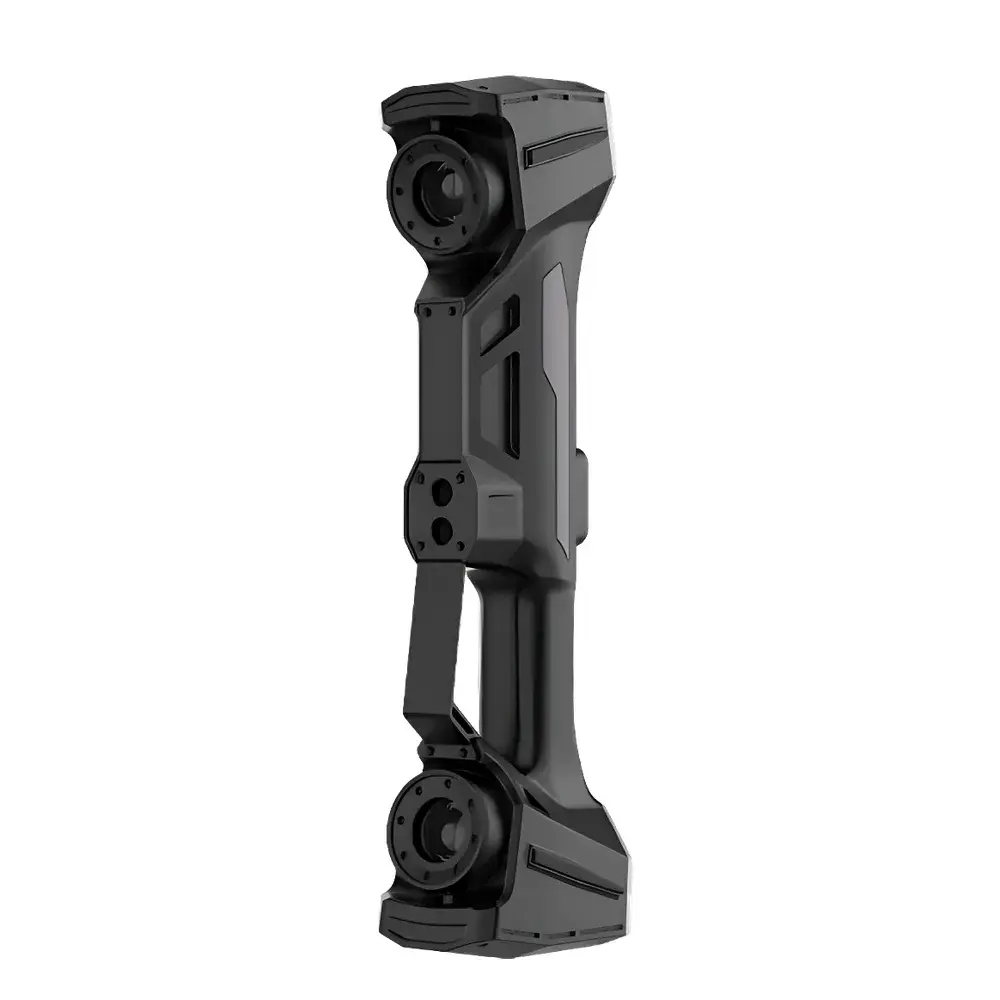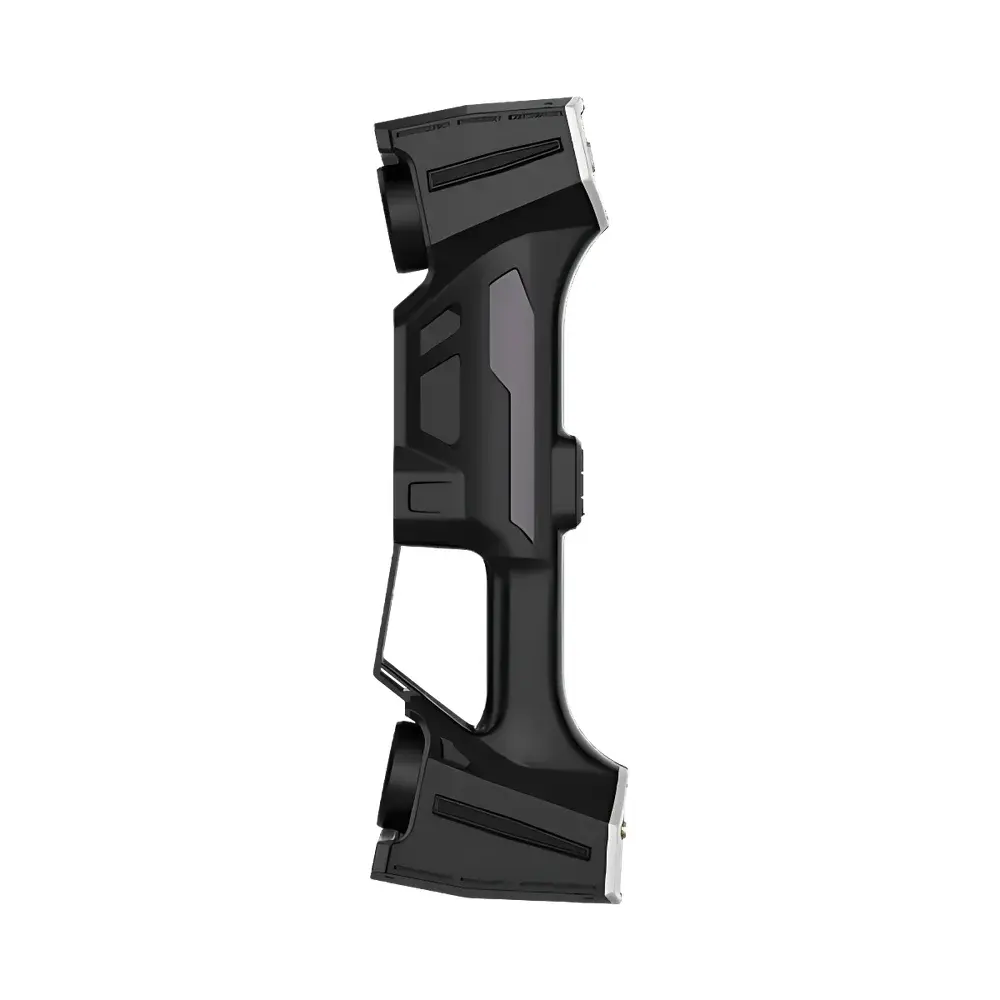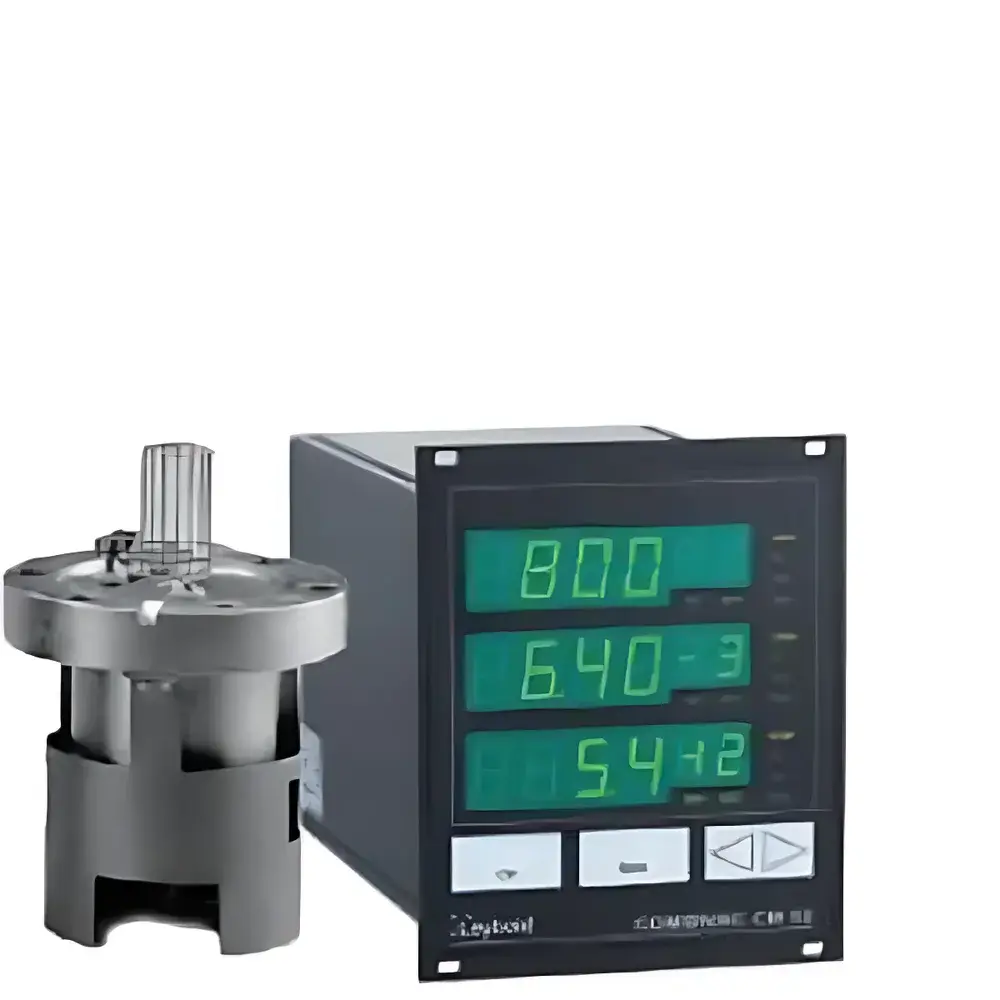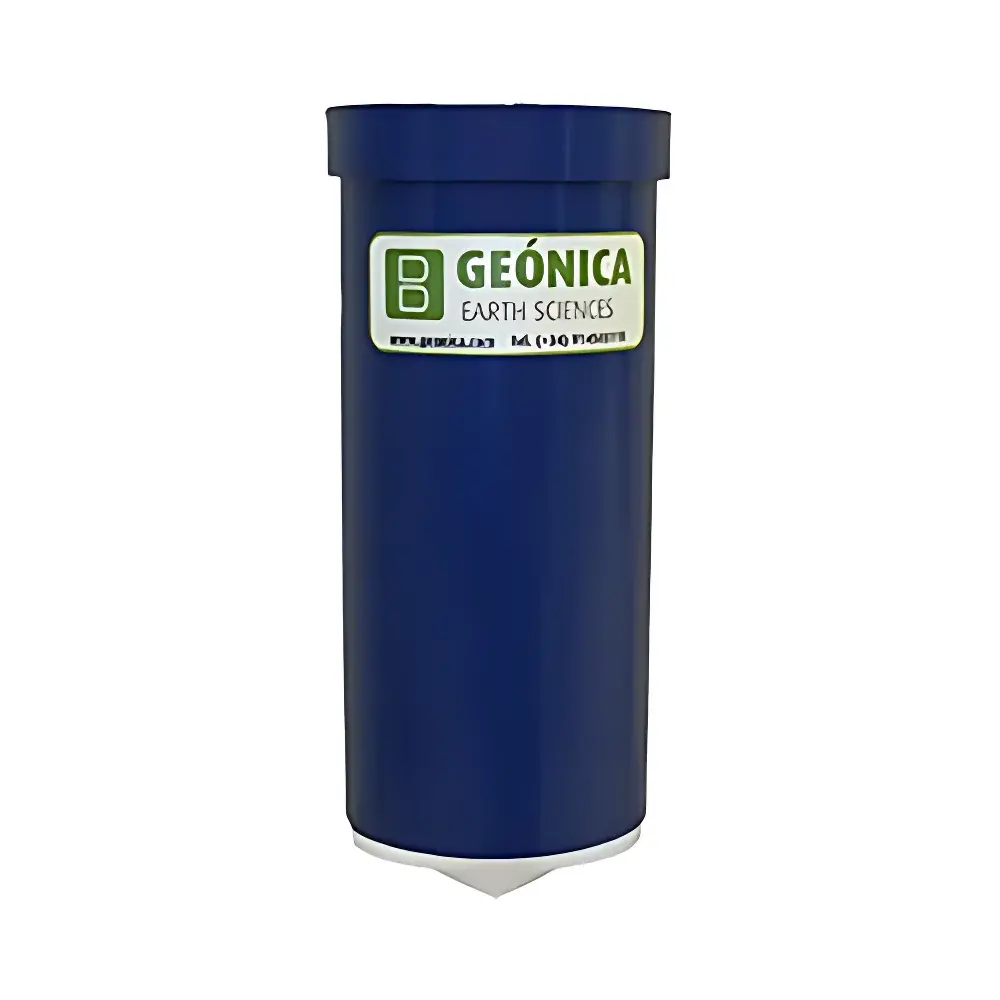
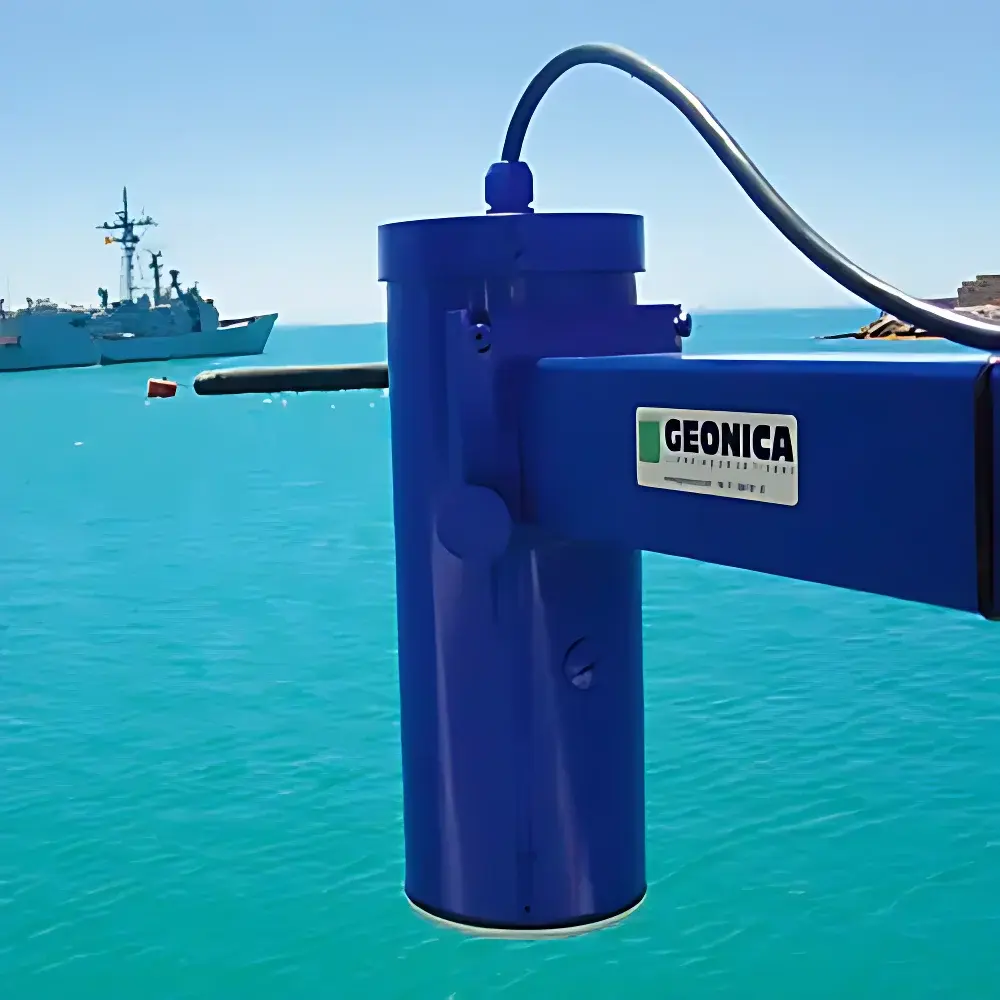
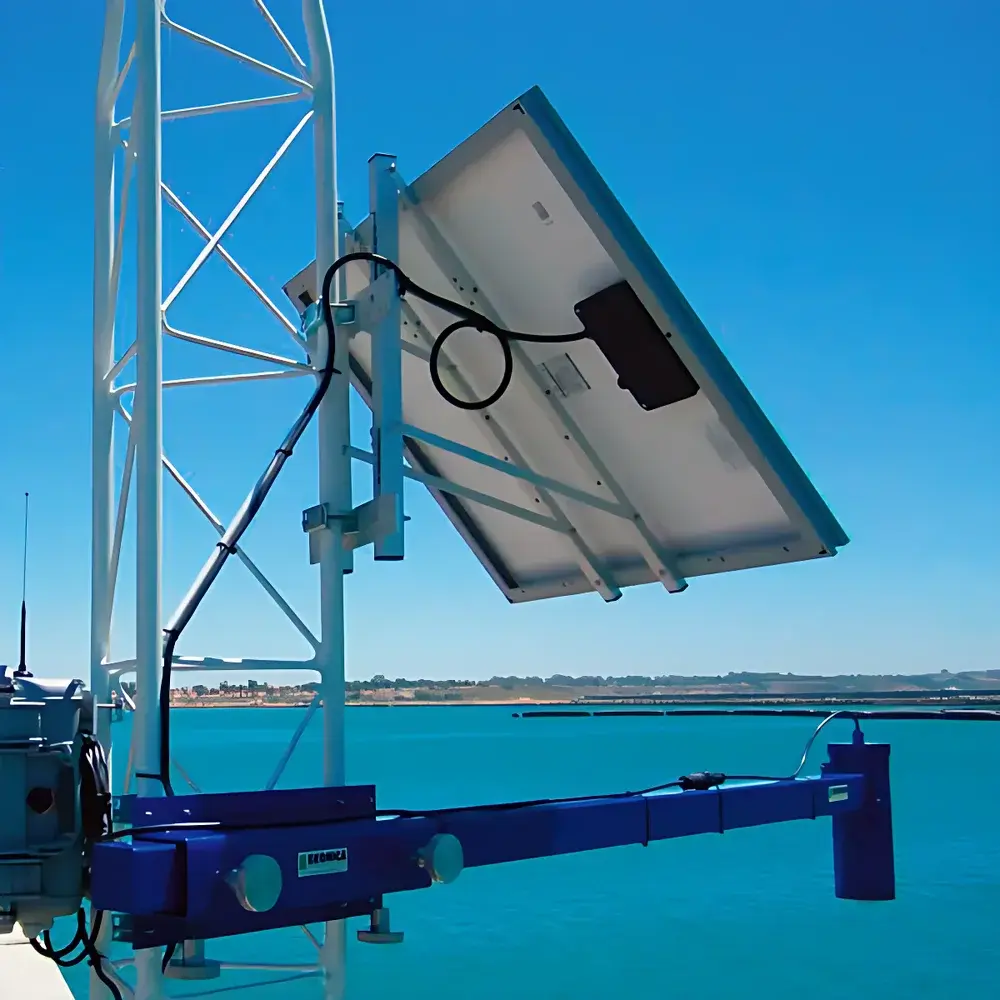
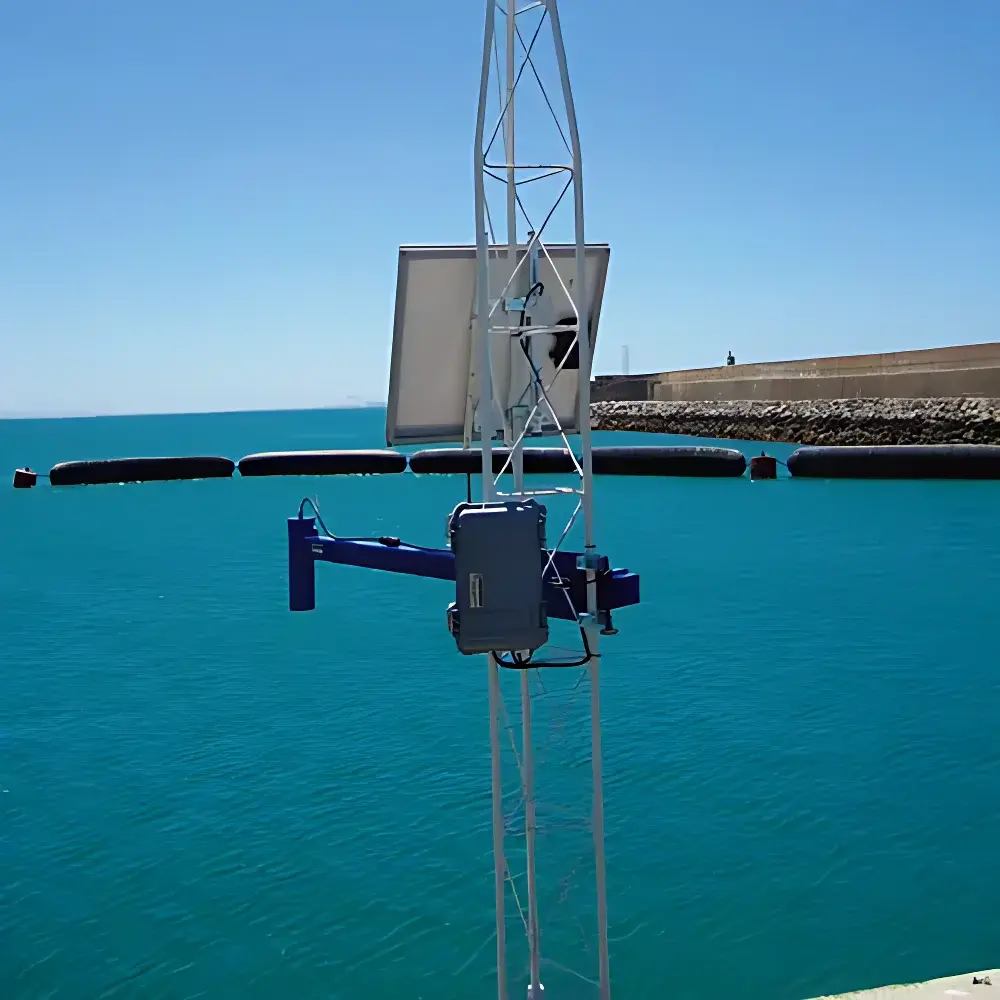
Geonica RADAR 6135 Radar Water Level Sensor
| Brand | Geonica |
|---|---|
| Origin | Spain |
| Model | 6135 |
| Type | Pulsed Radar Water Level Sensor |
| Frequency | 26 GHz |
| Measurement Range | 0–35 m (programmable) |
| Resolution | 1 mm |
| Accuracy | ±2 mm full scale, ±1 mm average (when paired with METEODATA or HYDRODATA-2000C/3000C loggers) |
| Output | 4–20 mA, SDI-12 |
| Ingress Protection | IP68 |
| Supply Voltage | 9.6–36 VDC |
| Current Consumption | <15 mA |
| Operating Temperature | −40 to +80 °C |
| Storage Temperature | −40 to +80 °C |
| Operating Humidity | 0–100 % RH |
| EMC Compliance | EN 61326-1:2013 (Emission Class B, Immunity Industrial Environment) |
| LVD Compliance | EN 61010-1:2010 |
| Radio Compliance | EN 302 729-1/2 V1.1.2 (2011-05) |
Overview
The Geonica RADAR 6135 is a high-precision, non-contact pulsed radar water level sensor engineered for continuous, long-term monitoring of liquid and solid surface levels—including water, snowpack, slurry, and sediment interfaces—in hydrological, meteorological, and environmental applications. Unlike ultrasonic or pressure-based alternatives, the RADAR 6135 operates on time-of-flight (ToF) principle at 26 GHz: it emits short microwave pulses toward the target surface and precisely measures the elapsed time between transmission and echo reception. This time-domain architecture eliminates dependence on FFT processing or frequency modulation schemes—rendering it inherently immune to signal ambiguity in multipath or low-reflectivity conditions. Its pulse repetition frequency (PRF) is optimized for robust signal sampling across variable dielectric surfaces, enabling stable operation without recalibration under dynamic field conditions.
Key Features
- True time-domain pulsed radar technology—no FM-CW or Doppler assumptions required
- ±2 mm full-scale accuracy; achieves ±1 mm average precision when integrated with Geonica’s METEODATA or HYDRODATA-2000C/3000C data loggers via synchronized averaging
- Programmable measurement range up to 35 m—configurable in-field via GEO-CONNECT PC software
- Zero-drift performance across extreme ambient conditions: unaffected by temperature fluctuations (−40 to +80 °C), barometric pressure shifts, wind loading, rain, fog, or relative humidity (0–100 % RH)
- IP68-rated stainless steel housing with marine-grade corrosion resistance—validated for coastal deployment in saline and salt-spray environments
- Low-power design (<15 mA @ 12 VDC) supporting solar-battery systems and remote telemetry networks
- Dual-output interface: analog 4–20 mA (HART-compatible) and digital SDI-12 protocol for seamless integration into legacy and modern SCADA, telemetry, and IoT platforms
- No field calibration, zero-point adjustment, or mechanical alignment required—factory-trimmed and verified per ISO/IEC 17025-accredited procedures
Sample Compatibility & Compliance
The RADAR 6135 is validated for direct measurement of water surfaces in open channels, reservoirs, wells, and tidal zones; snow depth over compacted or granular layers; and industrial process liquids with dielectric constants ≥15 (e.g., wastewater, brine, glycol solutions). It complies fully with European regulatory frameworks governing instrumentation for environmental monitoring: EN 61326-1:2013 (EMC for industrial environments), EN 61010-1:2010 (safety requirements for measurement equipment), and EN 302 729-1/2 V1.1.2 (radio spectrum compliance for 26 GHz ISM band operation). While not certified to FDA 21 CFR Part 11 or ISO 13485, its deterministic measurement traceability, audit-ready configuration logs (via GEO-CONNECT), and immutable timestamped output meet GLP-aligned data integrity expectations for regulatory-grade hydrometric reporting.
Software & Data Management
Configuration, firmware updates, and diagnostic logging are performed exclusively through Geonica’s GEO-CONNECT desktop application (Windows only), which supports real-time parameter editing—including range limits, averaging intervals (1–128 samples), output scaling, and alarm thresholds. All settings are stored non-volatilely in the sensor’s internal EEPROM. When interfaced with METEODATA or HYDRODATA-2000C/3000C series loggers, the system enables automatic offset compensation, thermal drift correction, and multi-sensor synchronization—generating timestamped, unit-normalized ASCII or binary datasets compliant with WMO Bulletin formats. No proprietary cloud platform is required; raw SDI-12 or 4–20 mA outputs integrate natively with third-party platforms including Campbell Scientific LoggerNet, DTN HydroView, and Aquarius Time-Series.
Applications
- Flood warning systems and river stage monitoring networks
- Snow water equivalent (SWE) estimation in alpine and polar catchments
- Reservoir and dam safety surveillance per ICOLD guidelines
- Urban drainage and combined sewer overflow (CSO) control
- Coastal and estuarine sea-level trend analysis (including mean sea level and storm surge detection)
- Industrial tank level monitoring where vapor, foam, or condensation preclude ultrasonic use
- Long-term climate observatories requiring >10-year measurement stability without maintenance cycles
FAQ
Does the RADAR 6135 require periodic recalibration?
No. The sensor is factory-calibrated using NIST-traceable reference targets and does not drift under normal operating conditions. No user-initiated calibration is specified in the maintenance schedule.
Can it measure through ice or snow cover?
Yes—it reliably detects the air–ice or air–snow interface. For submerged ice or bottom detection in frozen lakes, performance depends on ice dielectric loss and thickness; empirical validation is recommended for depths >1.5 m.
Is SDI-12 communication compatible with Campbell Scientific CR1000X loggers?
Yes. The RADAR 6135 implements standard SDI-12 v1.3 command set (including *ID, *M!, and *A!) and has been tested with CR1000X, CR6, and TDR100 systems.
What is the minimum detectable target reflectivity?
The sensor achieves reliable echo detection down to −25 dB return loss, corresponding to still water surfaces at 35 m range or wet snow at 15 m—verified per IEC 60770-1 test methodology.
How is electromagnetic interference mitigated in high-noise industrial sites?
The 26 GHz carrier frequency lies outside common industrial noise bands (e.g., 2.4 GHz Wi-Fi, 5 GHz LTE), and the narrow beamwidth (±6°) minimizes off-axis coupling. EN 61326-1 immunity testing confirms stable operation at 10 V/m radiated field strength.