
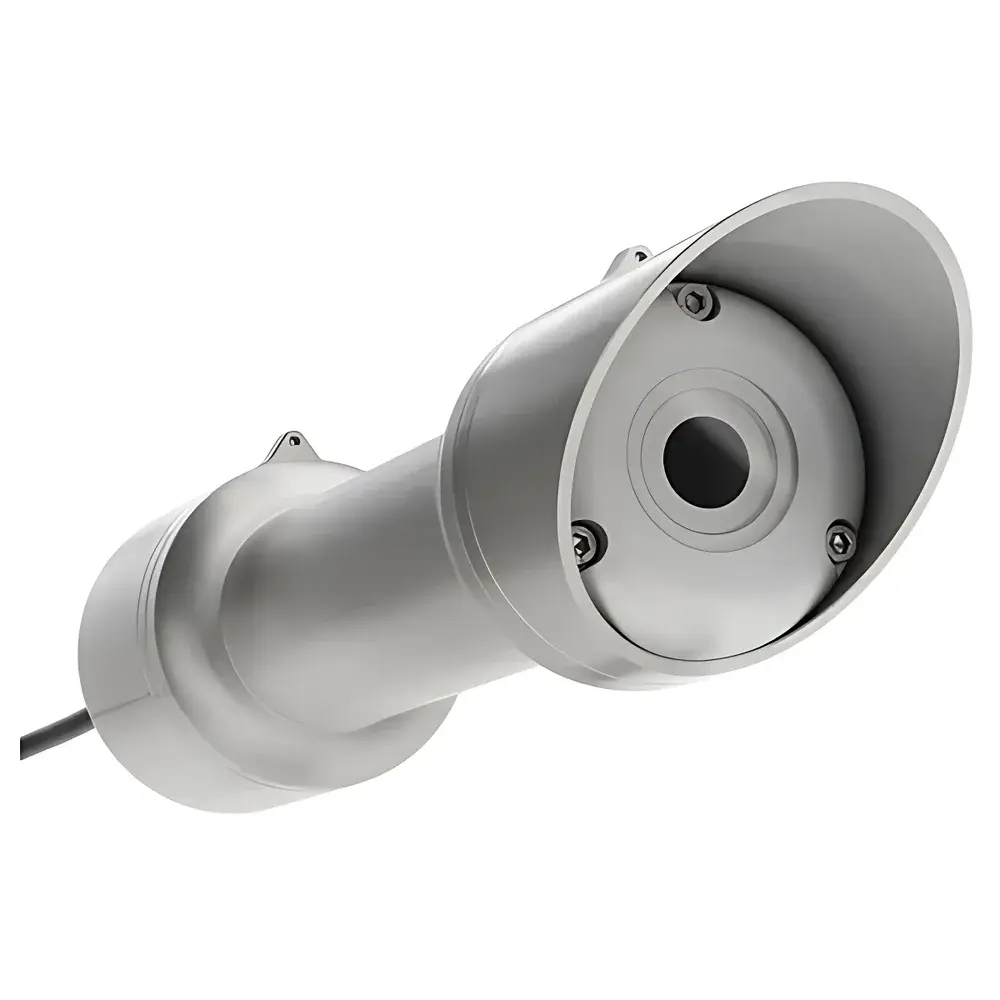
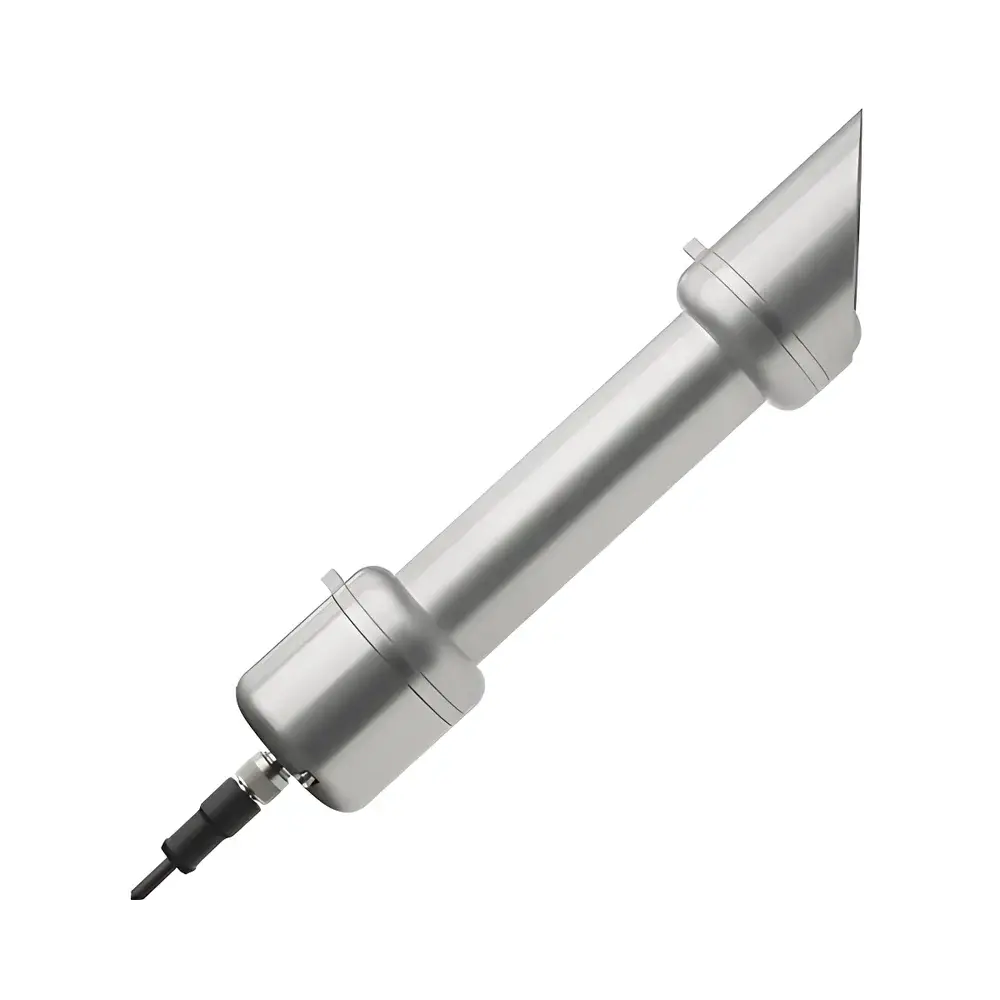
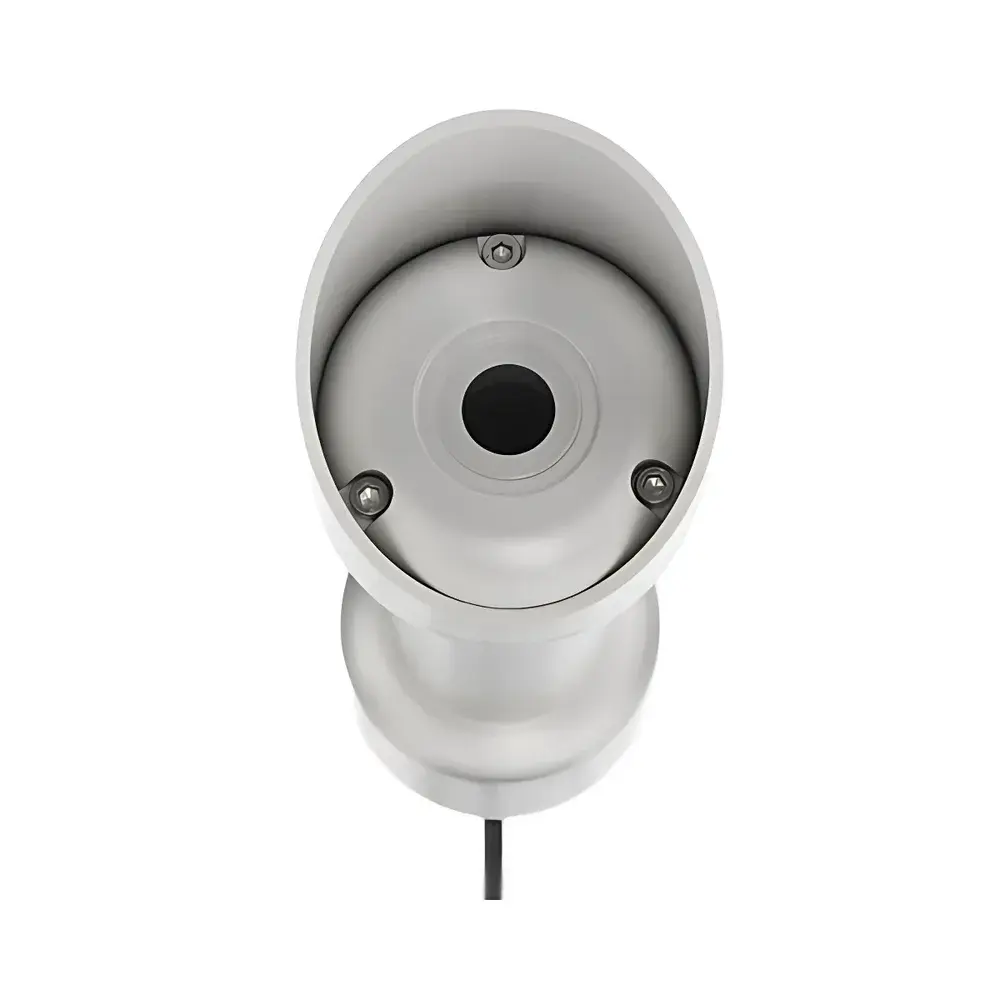
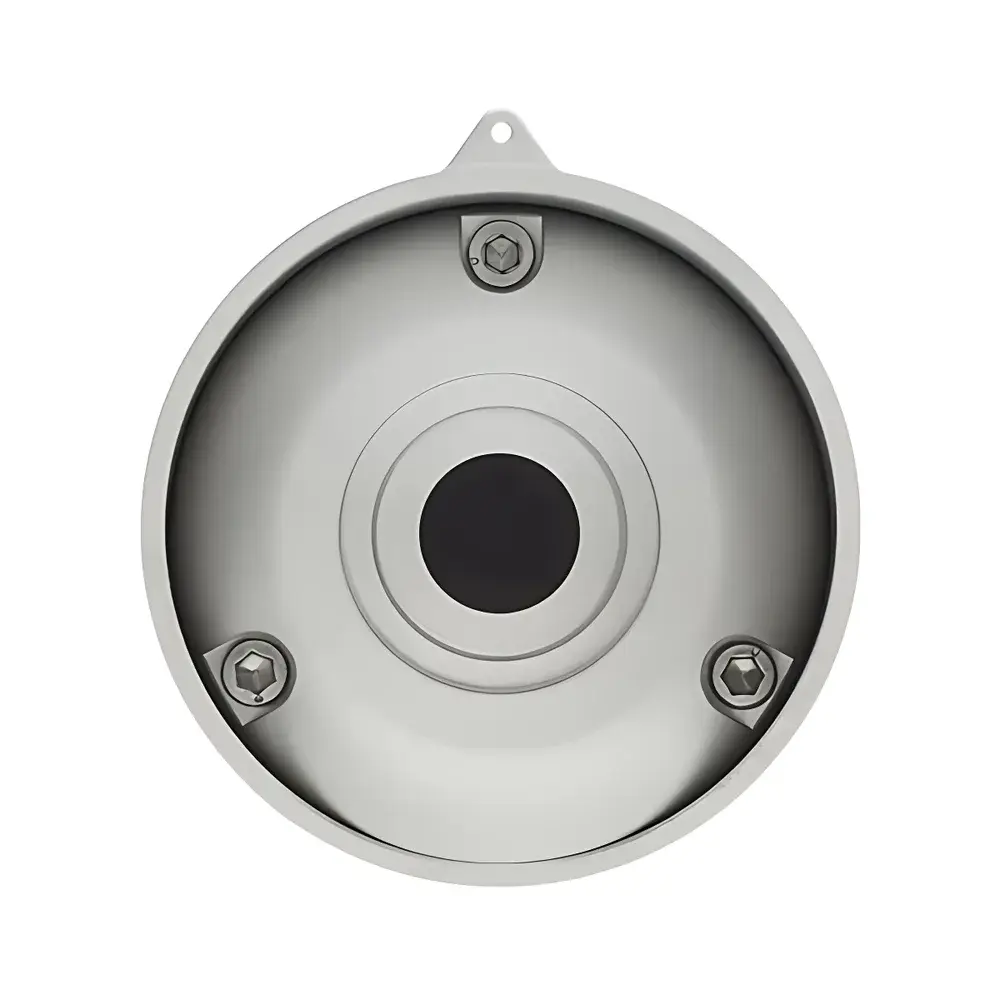
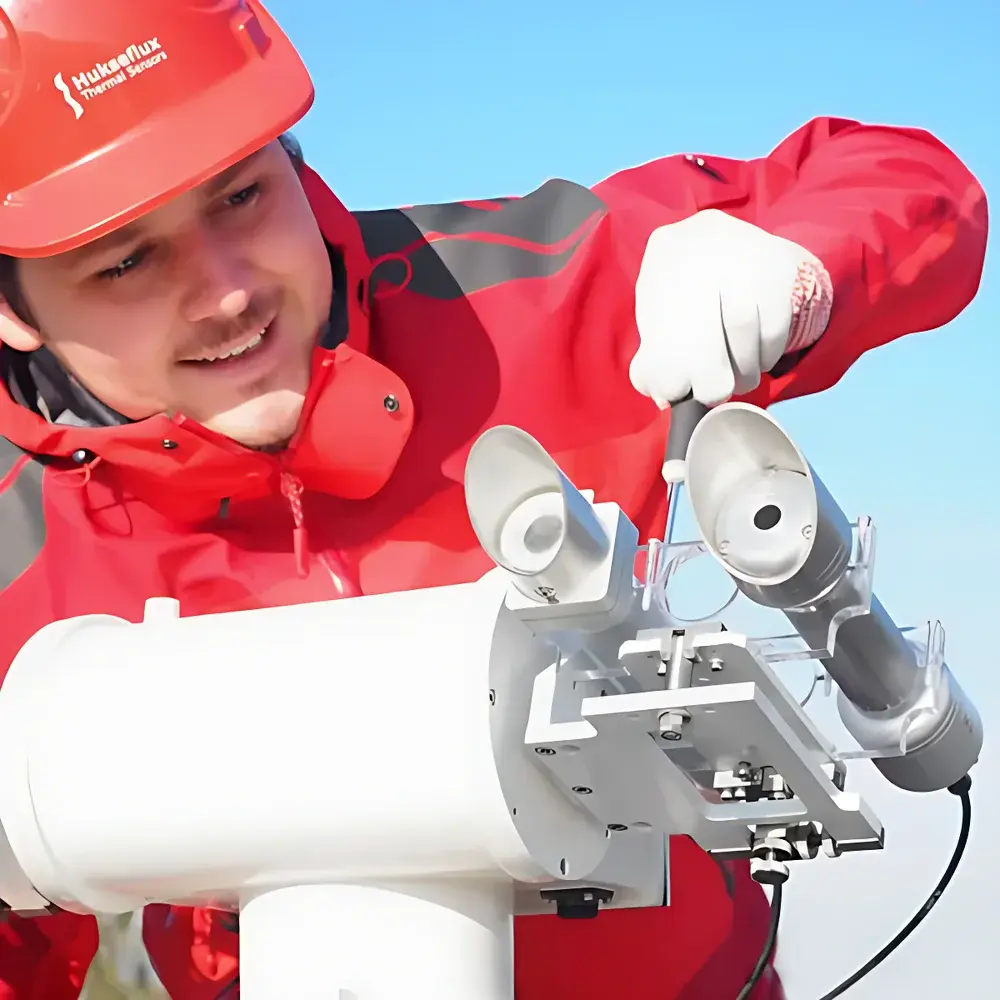
Hukseflux DR30-D1 Digital Direct Normal Irradiance (DNI) Pyrheliometer
| Brand | Hukseflux |
|---|---|
| Origin | Netherlands |
| Model | DR30-D1 |
| Compliance | ISO 9060:2018 Class A (First Class), WMO Guide to Instruments and Methods of Observation |
| Calibration Uncertainty | < 1.2 % (k = 2) |
| Spectral Range | 200–4000 nm |
| Measurement Range | 0–4000 W/m² |
| Field of View (FOV) | 5° full cone |
| Response Time (95 %) | 4 s |
| Zero Offset | < ±1 W/m² |
| Operating Temperature | −40 °C to +80 °C |
| Temperature Response | < ±0.4 % (−30 °C to +50 °C) |
| Power Consumption | 2 W (standard mode), 0.1 W (low-power mode) |
| Supply Voltage | 7–30 VDC |
| Output | Modbus RTU over 2-wire RS-485 |
| Onboard Sensors | Tilt (±1° uncertainty, 0–180° range), Relative Humidity, Heater Current (mA), Internal Temperature (°C) |
| Quartz Window | Precision-ground and polished |
| Thermopile Detector | Black-coated, precision-calibrated |
| Traceability | WRR (World Radiometric Reference) |
| Cable Length | 5 m (optional: 10 m or 20 m with connector) |
Overview
The Hukseflux DR30-D1 is a high-precision digital pyrheliometer engineered for the continuous, traceable measurement of Direct Normal Irradiance (DNI) — the solar irradiance component incident on a surface perpendicular to the sun’s rays. Operating on the thermopile principle, the DR30-D1 converts absorbed broadband solar radiation (200–4000 nm) into a proportional electrical signal, calibrated against the World Radiometric Reference (WRR). Its design adheres strictly to ISO 9060:2018 Class A (First Class) specifications and fulfills the performance criteria outlined in the WMO Guide to Instruments and Methods of Observation. Unlike traditional analog pyrheliometers, the DR30-D1 integrates digital signal processing, onboard diagnostics, and active environmental compensation — enabling autonomous operation within solar resource assessment networks, meteorological observatories, and concentrated solar power (CSP) site qualification campaigns.
Key Features
- Dual-Mode Active Window Heating: Patented low-power heating architecture delivers 4× higher thermal efficiency at identical power input, reducing thermal offset by up to 4× compared to prior-generation designs. Maintains optical clarity under dew, frost, and light snow conditions with only 2 W nominal consumption (0.1 W in standby).
- Integrated Multi-Parameter Diagnostics: Real-time telemetry includes tilt angle (±1° uncertainty across 0–180°), internal relative humidity (%RH), heater current (mA), and detector housing temperature (°C) — all accessible via Modbus without external hardware.
- Traceable Metrology: Each unit is individually tested and supplied with a calibration certificate reporting sensitivity (µV/(W/m²)), response time (95 %), temperature dependence, and tilt sensor verification — fully traceable to WRR and compliant with ISO/IEC 17025 requirements for accredited calibration laboratories.
- Robust Optical Architecture: Features a precision-ground fused quartz window, a 5° full-cone collimating tube with blackened interior surfaces, and a thermopile sensor with spectrally uniform black coating optimized for minimal angular and thermal responsivity errors.
- Digital Communication & Configuration: Native Modbus RTU protocol over 2-wire RS-485 enables seamless integration with SCADA systems, data loggers, and cloud-based monitoring platforms. Device address, baud rate, parity, and timeout settings are configurable in-field using Hukseflux Sensor Manager software.
Sample Compatibility & Compliance
The DR30-D1 is designed exclusively for use with dual-axis solar trackers that maintain precise solar pointing (±0.1° tracking accuracy recommended). Its 5° field of view ensures rejection of circumsolar diffuse radiation while capturing true DNI under clear-sky and partially cloudy conditions. The instrument meets IEC 61724-1:2021 requirements for PV system performance monitoring and supports compliance with ASTM E892 and ISO 9060:2018 Class A validation protocols. Its mechanical and environmental robustness — rated for continuous operation from −40 °C to +80 °C — satisfies long-term deployment needs in desert, alpine, and coastal environments. All calibration data and uncertainty budgets align with EURAMET cg-19 guidelines for radiometric instrumentation.
Software & Data Management
Hukseflux Sensor Manager is a Windows-based configuration and visualization tool supporting firmware updates, real-time diagnostic monitoring, and raw data export (CSV, TXT). It enables users to validate heater functionality, cross-check tilt-derived tracker alignment errors, and assess humidity-induced condensation risk before field deployment. For enterprise-scale deployments, the DR30-D1’s Modbus register map is compatible with industry-standard data acquisition platforms including Campbell Scientific CR-series loggers, Siemens Desigo CC, and custom Python/Node-RED implementations. Audit trails, timestamped configuration changes, and diagnostic logs support GLP/GMP-aligned operational qualification (OQ) and periodic verification per ISO/IEC 17025 Clause 7.7.
Applications
- Solar resource assessment for CSP plant feasibility studies and bankable energy yield modeling
- Long-term DNI time-series generation in national meteorological networks (e.g., BSRN, GAW)
- Performance validation of heliostat field alignment and solar tower receiver flux mapping
- Calibration transfer and intercomparison campaigns between reference stations and secondary sensors
- Research on atmospheric transmission, aerosol optical depth (AOD), and cloud radiative forcing
- Operational monitoring of parabolic trough and linear Fresnel collector fields
FAQ
What mounting configuration is required for the DR30-D1?
The DR30-D1 must be mounted on a high-accuracy dual-axis solar tracker with azimuth/elevation resolution ≤0.05° and repeatability ≤0.1°. A shading ring or occulting disk is not used — only direct beam entry is measured.
Is the DR30-D1 suitable for unattended remote sites?
Yes. Its low-power heating mode (0.1 W), wide supply voltage range (7–30 VDC), and built-in diagnostics enable reliable operation in off-grid installations with battery/solar hybrid power systems.
How often does the DR30-D1 require recalibration?
Hukseflux recommends recalibration every two years under typical field conditions; annual verification against a traveling reference standard is advised for critical applications such as bankable P50/P90 energy estimates.
Can the DR30-D1 output be integrated into existing SCADA infrastructure?
Yes. The Modbus RTU interface supports standard function codes (03h, 04h, 06h) and maps all measured and diagnostic parameters to discrete holding registers — no protocol translation gateway is needed.
Does the DR30-D1 meet FDA 21 CFR Part 11 requirements?
While not a regulated medical device, its audit-trail-capable configuration software, electronic signature support in Sensor Manager v3.2+, and immutable calibration certificate generation align with data integrity principles applicable to GxP environments where solar data informs process validation.







