
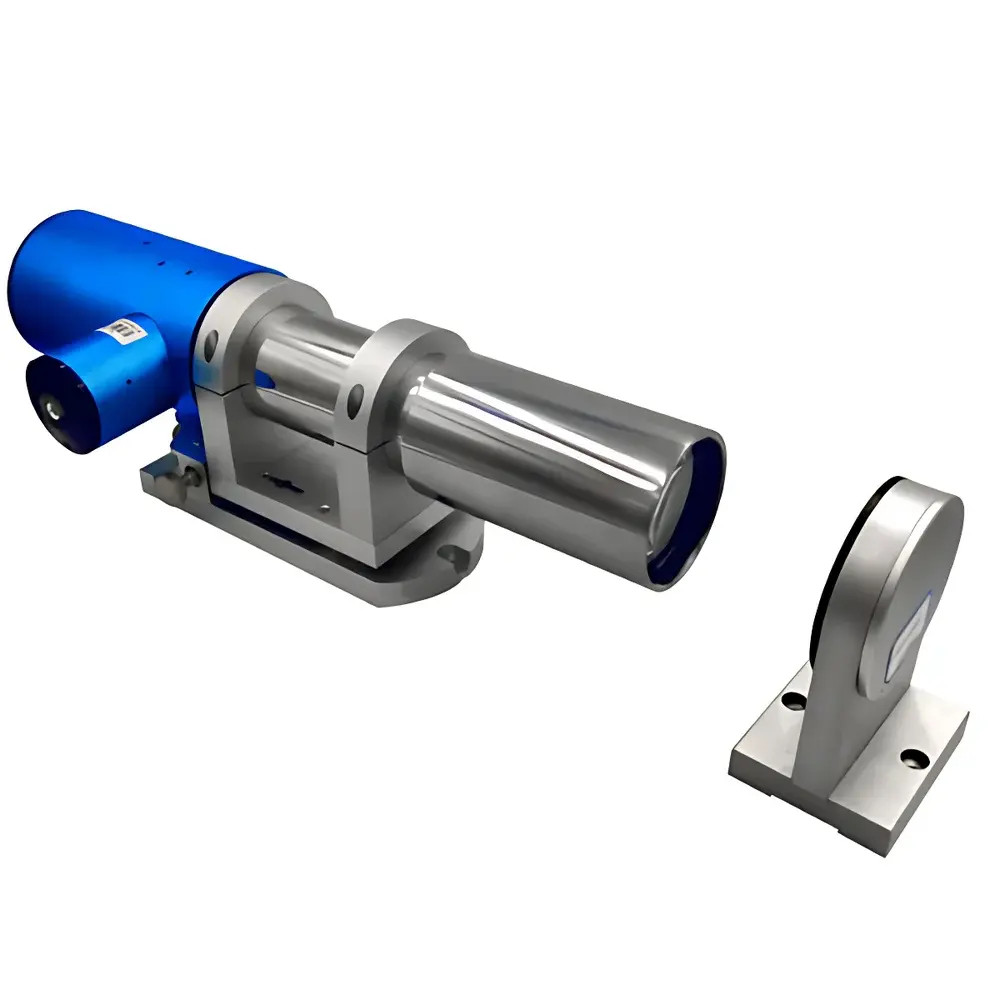
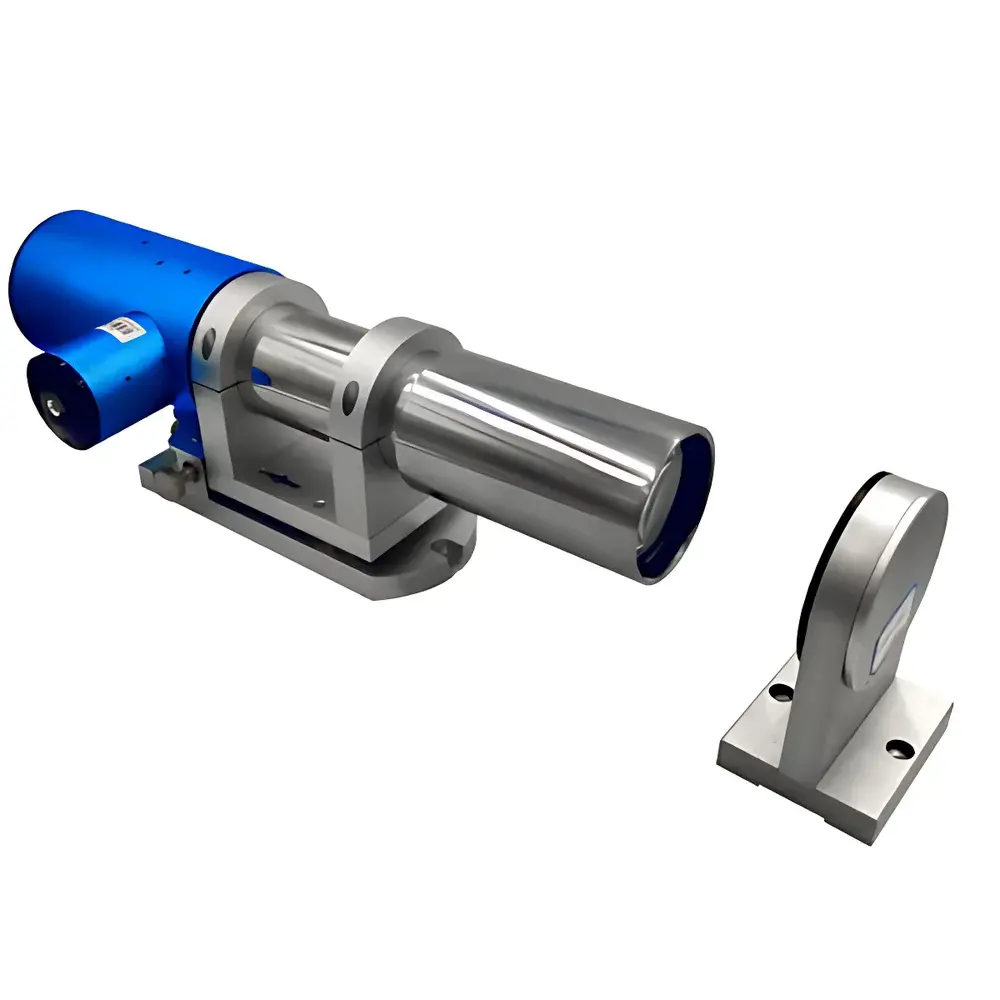
Yanrun YRMAT3035C Dual-Axis Electronic Autocollimator
| Brand | Yanrun |
|---|---|
| Origin | Shanghai, China |
| Manufacturer Type | Manufacturer |
| Model | YRMAT3035C |
| Focal Length | 300 mm |
| Aperture | 50 mm |
| Measurement Range | 0–35 m |
| Light Source | Semiconductor LED |
| Detector | High-Resolution Image Sensor |
| Display Resolution | 0.01″ to 1″ (selectable) |
| Field of View (X/Y) | 1800″ × 1400″ |
| Central Accuracy | ±0.3″ (typical), ±1″ (full range) |
| Interface | USB 2.0 |
| Software | Autocollimator Control Software V2.0 |
| Dimensions (L×W×H) | 388 × 135 × 125 mm |
| OS Requirement | Windows 7 or later, 64-bit |
Overview
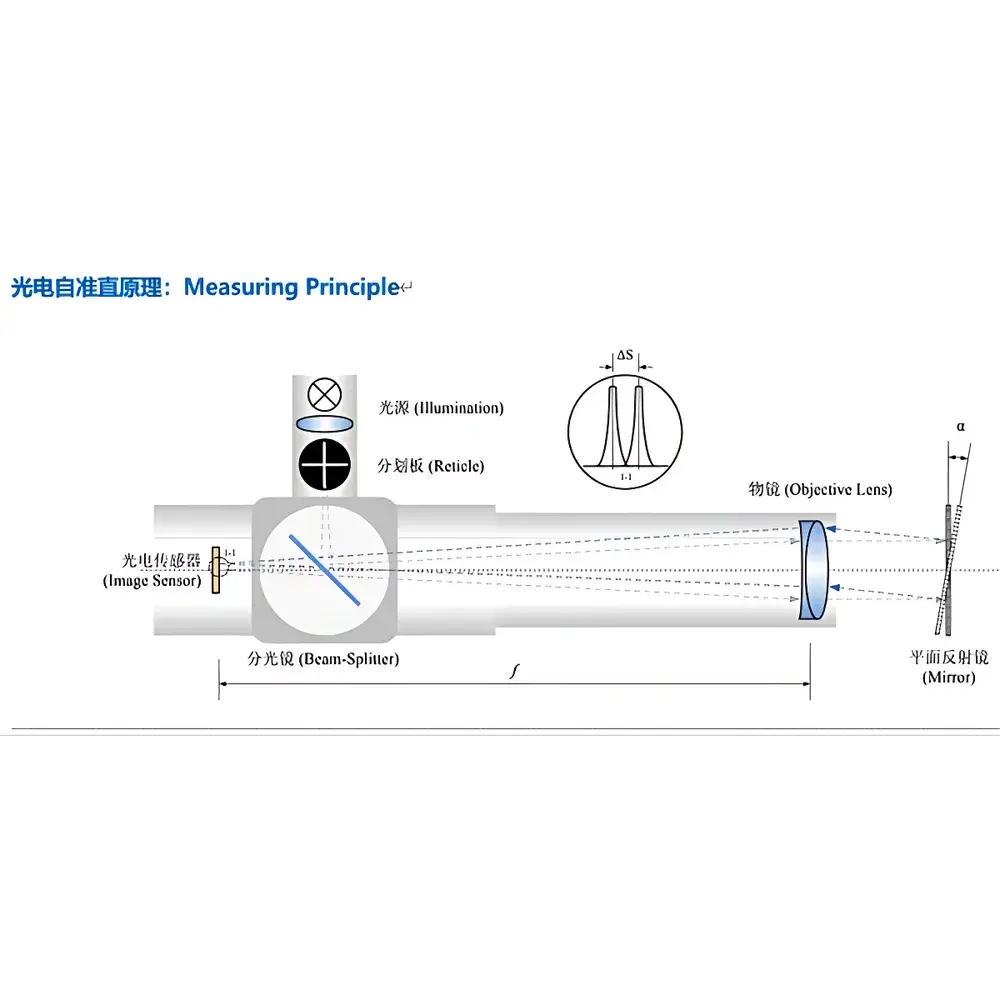
The Yanrun YRMAT3035C Dual-Axis Electronic Autocollimator is a precision optical metrology instrument engineered for high-accuracy angular measurement in industrial metrology, optical alignment, and mechanical calibration applications. Based on the fundamental principle of autocollimation—where a collimated beam is reflected back from a plane mirror and its angular deviation is quantified via centroid displacement on a high-resolution image sensor—the YRMAT3035C delivers simultaneous, real-time measurement of angular deviations in both X and Y axes. Its 300 mm focal length objective and 50 mm clear aperture support stable beam formation over distances up to 35 meters, enabling reliable measurements across large-scale assemblies such as machine tool beds, optical benches, and aerospace structural components. Unlike traditional visual autocollimators, the YRMAT3035C replaces ocular observation with an embedded electronic eyepiece and digital image processing architecture, eliminating parallax and observer-dependent bias while ensuring traceable, repeatable results compliant with ISO 10110-5 and ISO 230-1 standards for angular metrology.
Key Features
- Dual-axis (X/Y) simultaneous angular measurement with selectable resolution down to 0.01 arcsecond, supporting both static and dynamic alignment tasks.
- Integrated semiconductor LED light source offering high luminous efficacy, low thermal drift, and >20,000-hour operational lifetime—critical for long-duration calibration campaigns.
- High-resolution CMOS image sensor coupled with real-time centroid calculation algorithms ensures robust signal-to-noise performance even under ambient lighting conditions.
- Compact, portable form factor (388 × 135 × 125 mm) with rigid aluminum alloy housing designed for vibration resistance and thermal stability in shop-floor environments.
- USB 2.0 interface enables plug-and-play connectivity with host PCs; no external power supply required—power delivered via bus.
- Embedded measurement firmware supports automatic error compensation, curve fitting, and statistical analysis (e.g., standard deviation, max/min deviation, trend plots) directly within the control software.
Sample Compatibility & Compliance
The YRMAT3035C is compatible with standard optical flat mirrors (λ/20 or better surface flatness), retroreflectors, and custom-mounted targets meeting minimum reflectivity ≥95% at 635 nm. It supports compliance workflows aligned with ISO/IEC 17025-accredited laboratories, including full audit trails, user-access controls, and electronic signature capability when paired with validated software configurations. While not FDA-regulated, its data export functionality (CSV, Excel-compatible .xlsx) satisfies documentation requirements under GLP and internal quality management systems (e.g., ISO 9001). Calibration certificates traceable to NIM (National Institute of Metrology, China) are provided with each unit.
Software & Data Management
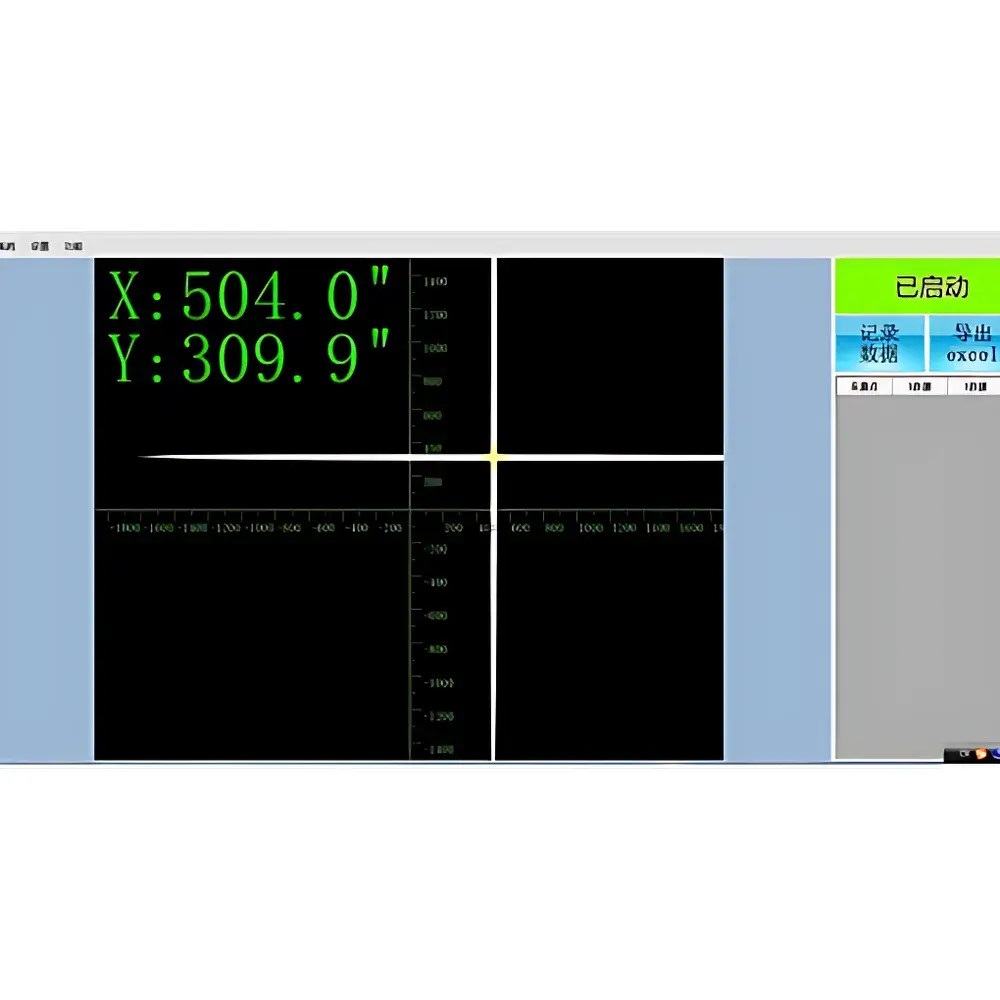
The included Autocollimator Control Software V2.0 runs natively on Windows 7+ (64-bit) and provides a unified interface for live image display, real-time angle readout, multi-point sequence logging, and post-processing analysis. The software supports automated reporting with customizable templates, batch export of time-stamped datasets, and integration with third-party statistical process control (SPC) platforms via COM/ActiveX interfaces. All raw image frames and centroid coordinates are stored locally with metadata (timestamp, operator ID, environmental notes), enabling full forensic reconstruction of measurement sessions. Export formats include .csv, .xlsx, and .txt—ensuring compatibility with MATLAB, Python (NumPy/Pandas), and enterprise MES/QMS databases.
Applications
- Precision alignment of CNC machine tool spindles, linear guides, and rotary tables per ISO 230-1 and VDI/VDE 2617.
- Geometric error mapping—including straightness, flatness, perpendicularity, parallelism, and coaxiality—using optional bridge plates, right-angle prisms, and multi-faceted polygons.
- Verification of optical axis stability in laser resonators, interferometer setups, and telescope mounting systems.
- Dynamic angular monitoring during thermal soak tests or motion-induced deformation studies (when used with optional high-frame-rate acquisition modules).
- Calibration of angular encoders, goniometers, and inertial reference units in aerospace and defense R&D labs.
- Teaching and research in undergraduate and graduate optics laboratories where quantitative, hands-on beam alignment training is required.
FAQ
What is the smallest resolvable angular increment supported by the YRMAT3035C?
The system offers selectable display resolution ranging from 1″ down to 0.01″, with typical repeatability of ±0.3″ at the center of the field.
Can the YRMAT3035C perform measurements beyond 35 meters?
The specified maximum working distance is 35 m; extended range requires higher-reflectivity targets and controlled ambient light conditions—performance validation recommended per application.
Is the software compliant with FDA 21 CFR Part 11 requirements?
Out-of-the-box, the standard software does not include Part 11 features (e.g., electronic signatures, audit trail encryption); however, a validated version with GxP-compliant modules is available upon request for regulated environments.
Does the system require periodic recalibration?
Yes—annual calibration against a certified angular standard (e.g., NIST-traceable polygon or precision goniometer) is recommended to maintain stated accuracy specifications.
Are OEM integration options available for embedding the YRMAT3035C into automated production lines?
Yes—SDKs (C/C++, .NET, LabVIEW) and DLL-based API access are provided for seamless integration into custom automation frameworks and PLC-controlled inspection cells.




