
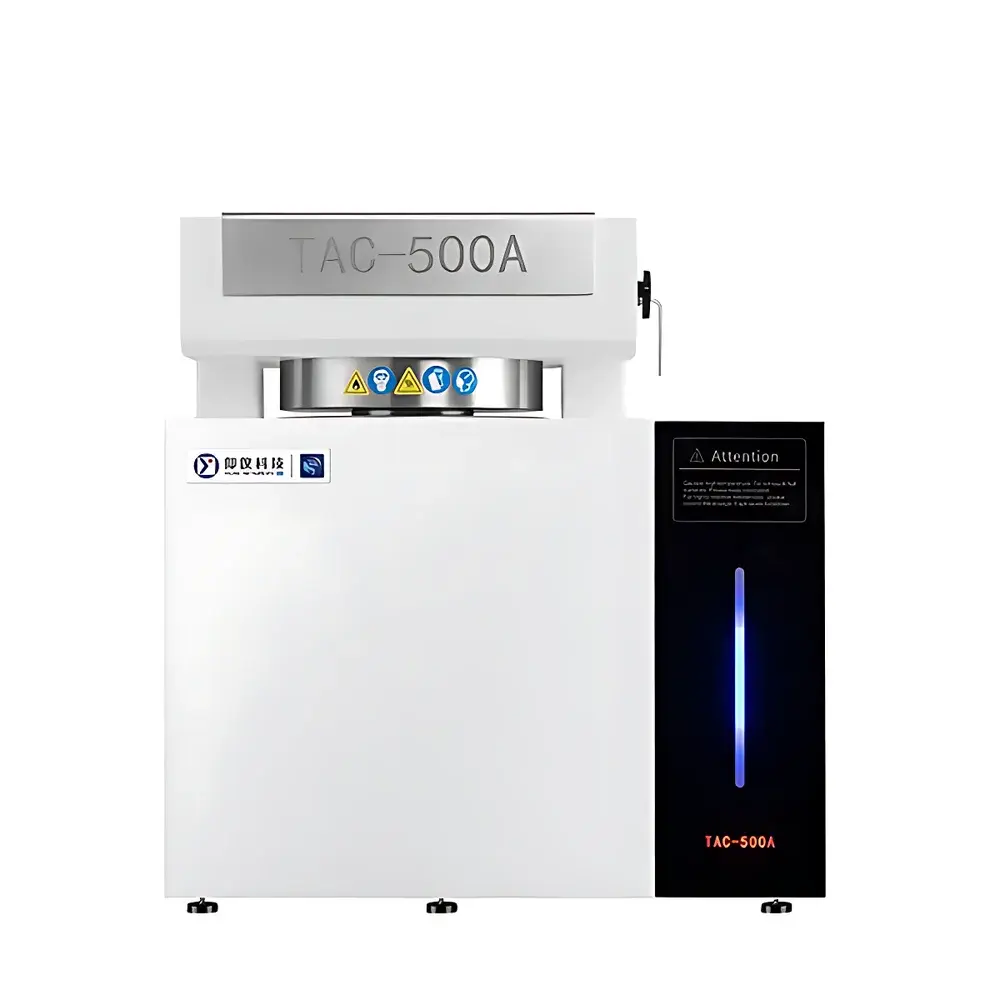
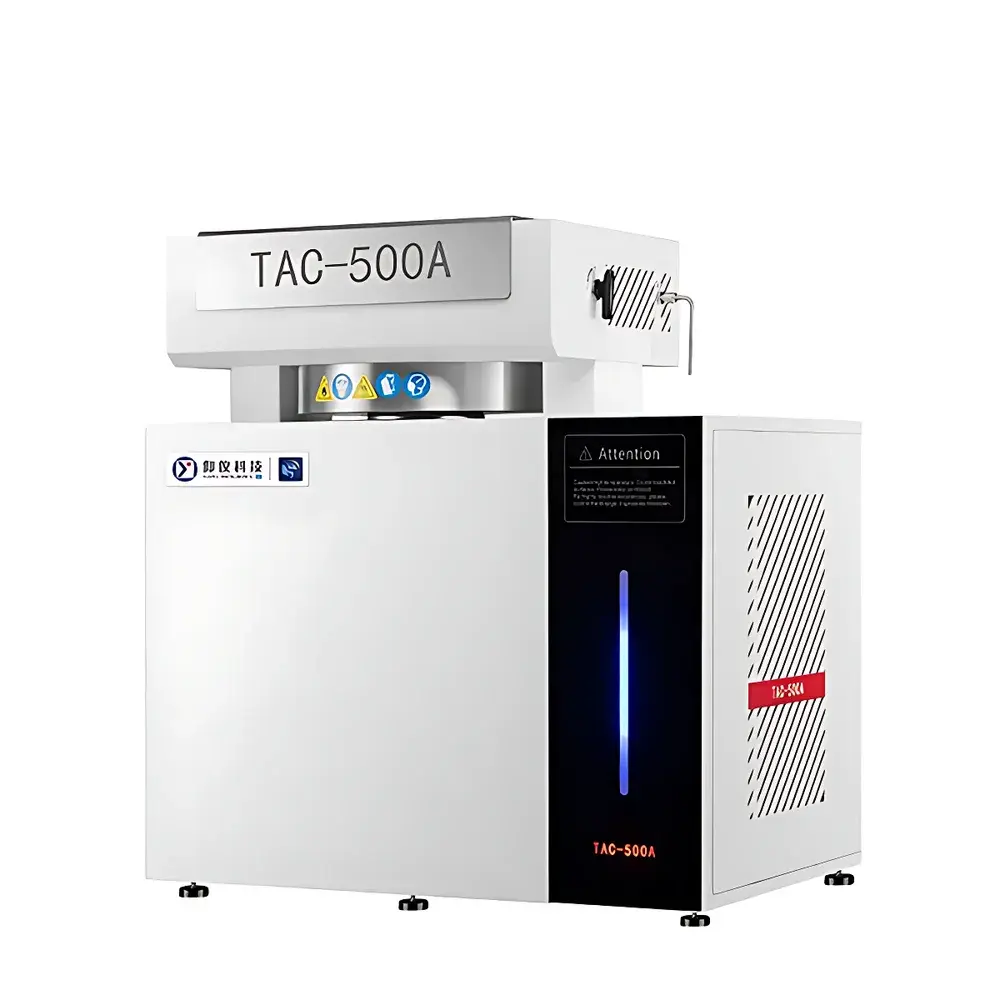
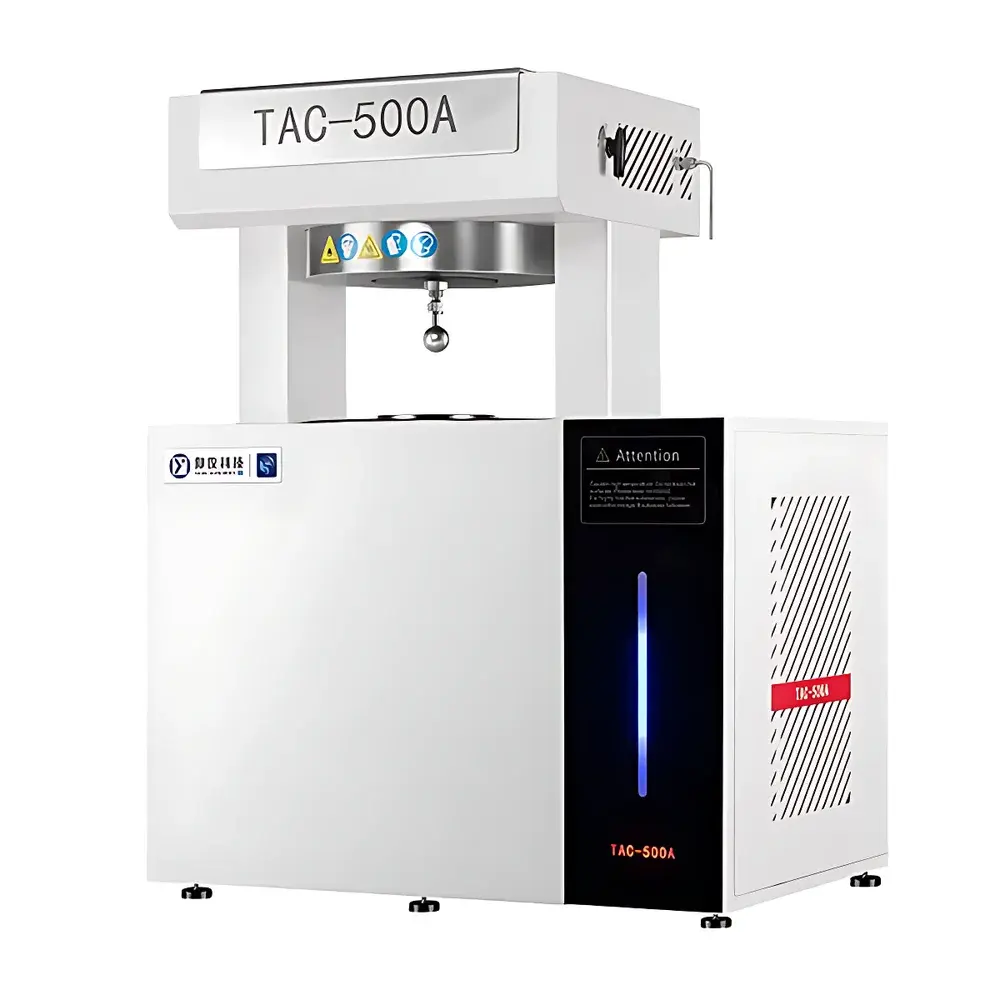
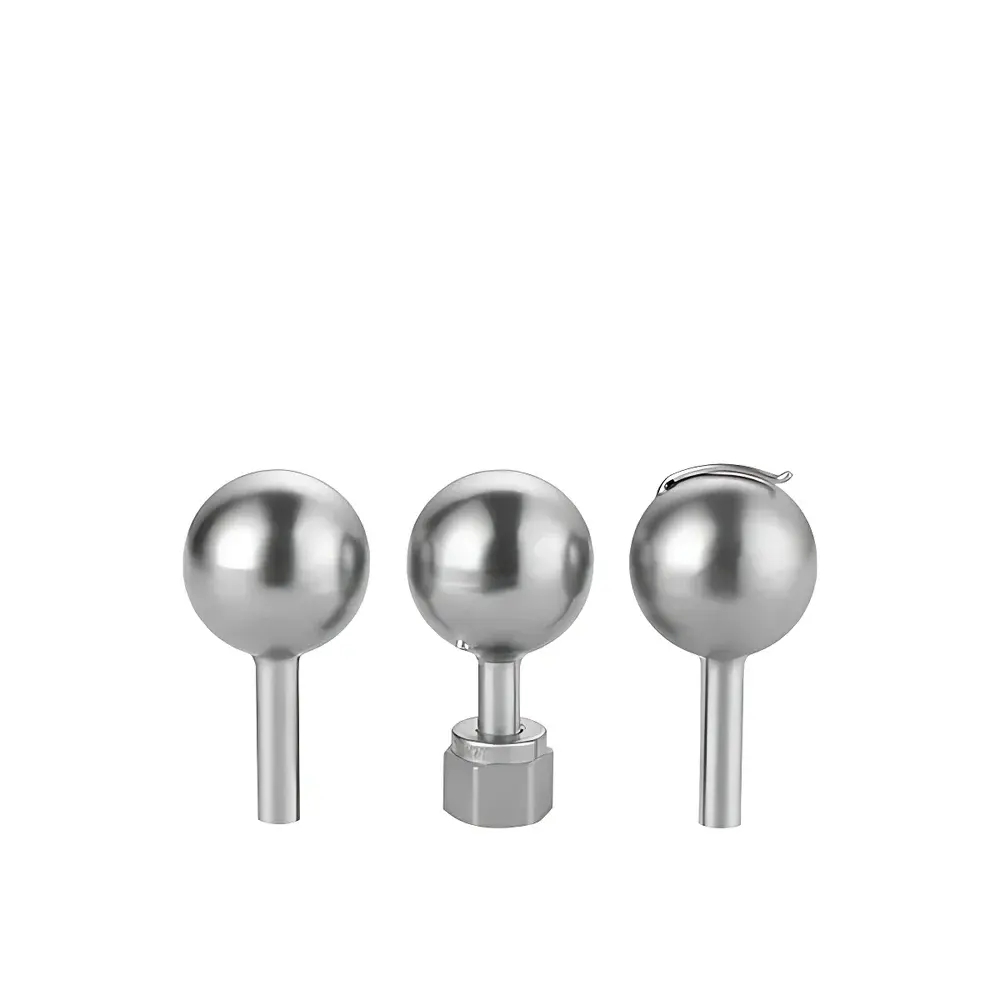
Young Instruments TAC-500A Adiabatic Accelerating Calorimeter
| Brand | Young Instruments |
|---|---|
| Origin | Zhejiang, China |
| Manufacturer Type | Direct Manufacturer |
| Model | TAC-500A |
| Instrument Type | Accelerating Calorimeter |
| Measurement Mode | Adiabatic Calorimetry |
| Temperature Control Range | Ambient to 500 °C |
| Temperature Detection Threshold | 0.005–0.02 °C/min |
| Temperature Tracking Rate | 0.005–40 °C/min |
| Temperature Display Resolution | 0.001 °C |
| Maximum Pressure Rating | 20 MPa |
| Pressure Resolution | 1 kPa |
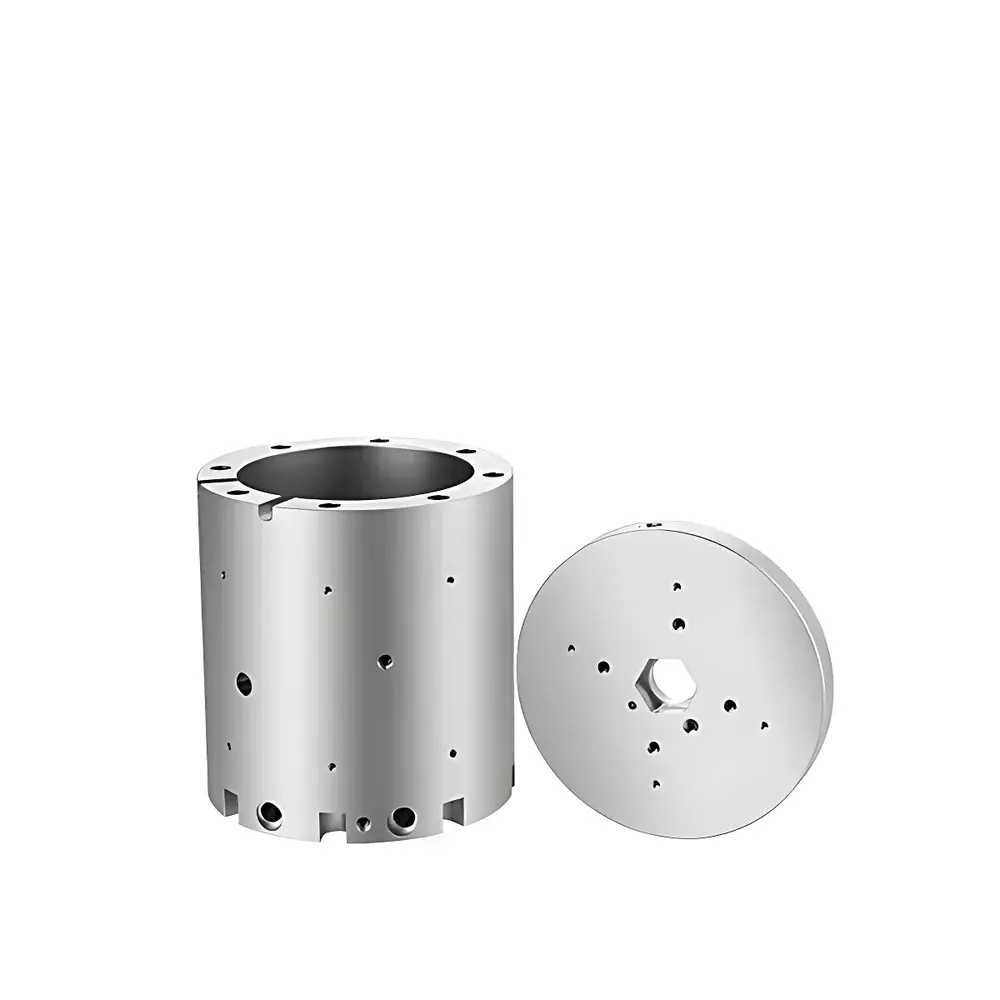
| Sample Cell Volume | 8 mL |
| Sample Cell Materials | Stainless Steel (standard), Titanium or Hastelloy (optional) |
| Phi Factor | ≤1.35 |
| Interface | USB or RJ45 |
| Power Supply | AC 220 V / 50 Hz |
| Power Consumption | ≤3000 W |
| Dimensions | 620 × 470 × 670 mm |
| Weight | ~78 kg |
Overview
The Young Instruments TAC-500A Adiabatic Accelerating Calorimeter is a high-precision, self-contained thermal hazard evaluation system engineered for rigorous adiabatic calorimetric measurements under controlled pressure and temperature conditions. It operates on the principle of heat balance compensation—using real-time feedback from thermocouple arrays and dynamic heater power modulation—to maintain near-zero heat loss (Φ ≤ 1.35), thereby approximating true adiabatic conditions during exothermic decomposition or reaction events. Designed specifically for process safety assessment in R&D and scale-up environments, the TAC-500A enables quantitative determination of critical thermal runaway parameters—including onset temperature (Tonset), adiabatic temperature rise (ΔTad), time-to-maximum-rate (TMRad), activation energy (Ea), and pre-exponential factor (A)—in full compliance with internationally recognized test standards such as ASTM E698, ISO/IEC 17025, and UN Test Series H.1–H.4.
Key Features
- Multi-mode operation: Supports Heat-Wait-Search (HWS), Isothermal, Linear Ramp, and Adiabatic Scan modes—enabling flexible experimental design for kinetic profiling and threshold detection.
- Integrated safety architecture: Dual-redundant overpressure (20 MPa max) and overtemperature protection; automated lid lifting mechanism with interlocked actuation for operator safety during sample loading/unloading.
- Thermal performance: High-resolution temperature sensing (0.001 °C display resolution) with detection sensitivity down to 0.005 °C/min, ensuring reliable identification of low-energy initiation events.
- Robust sample containment: Standard 8 mL stainless steel cell; optional titanium or Hastelloy cells available for aggressive chemistries (e.g., halogenated solvents, strong oxidizers, or corrosive intermediates).
- Post-test thermal management: Integrated inert gas purge interface (N2 or Ar) for rapid furnace cooldown, reducing turnaround time between sequential experiments.
- Human-centered engineering: Compact footprint (620 × 470 × 670 mm), ergonomic control panel layout, and intuitive touchscreen interface aligned with IEC 61000-4 electromagnetic compatibility requirements.
Sample Compatibility & Compliance
The TAC-500A accommodates a broad spectrum of reactive materials including organic peroxides, nitroaromatics, azides, polymerization initiators, pharmaceutical APIs, agrochemical formulations, and energetic compounds. Its pressure-rated cell design supports both liquid-phase and slurry-based systems up to 20 MPa, making it suitable for evaluating pressurized reaction hazards in batch and semi-batch processes. All measurement protocols adhere to Good Laboratory Practice (GLP) data integrity principles. Raw sensor logs and processed results are timestamped and stored with full audit trail capability, supporting regulatory submissions under FDA 21 CFR Part 11 when paired with validated software configurations.
Software & Data Management
The instrument is supplied with proprietary ThermalKinetics™ analysis suite—a Windows-based application certified for scientific computing in regulated environments. The software performs automated baseline correction, kinetic model fitting (e.g., nth-order, autocatalytic, or Friedman isoconversional methods), and generates standardized reports compliant with CCPS Guidelines and EU REACH Annex VII requirements. Data export options include CSV, PDF, and XML formats; metadata tagging supports traceability across instrument ID, operator credentials, calibration history, and environmental logs. Remote monitoring via Ethernet (RJ45) enables integration into centralized lab informatics platforms.
Applications
- Chemical process safety screening for new synthetic routes in fine chemical and pharmaceutical development.
- Thermal stability assessment of battery electrolytes, cathode precursors, and solid-state electrolyte candidates.
- Root cause analysis of thermal incidents in pilot plants or manufacturing facilities.
- Generation of kinetic input parameters for process simulation tools (e.g., Aspen Dynamics, CHEMCAD, or gPROMS).
- Regulatory dossier preparation for transportation classification (UN Manual of Tests and Criteria) and safety data sheet (SDS) Section 9 updates.
- Accelerated aging studies of propellants, explosives, and pyrotechnic compositions under simulated storage conditions.
FAQ
What is the significance of the Phi factor (Φ ≤ 1.35) in adiabatic calorimetry?
The Phi factor quantifies the thermal inertia of the sample cell relative to its contents. A value ≤1.35 indicates minimal parasitic heat absorption by the cell walls, ensuring measured temperature rises closely reflect the true adiabatic behavior of the sample—critical for accurate TMRad prediction.
Can the TAC-500A be used for reactions requiring inert or reducing atmospheres?
Yes. The system features a sealed gas inlet port compatible with N2, Ar, or forming gas purges, enabling controlled-atmosphere testing and post-run quenching.
Is the software compliant with 21 CFR Part 11 for electronic records and signatures?
The ThermalKinetics™ software supports configurable user roles, electronic signature workflows, and immutable audit trails—provided it is deployed within a validated IT infrastructure meeting ALCOA+ data integrity criteria.
How is calibration verified for temperature and pressure sensors?
Traceable calibration certificates are provided for all primary sensors at time of delivery. Users may perform periodic verification using NIST-traceable reference standards; calibration intervals are defined per internal SOPs aligned with ISO/IEC 17025 clause 6.5.
What sample volume is required for statistically reliable kinetic analysis?
While the standard cell holds 8 mL, optimal signal-to-noise ratio is achieved with 2–5 g of material (density-dependent). Smaller masses may be used for screening, but require extended acquisition times to resolve low-power exotherms.



