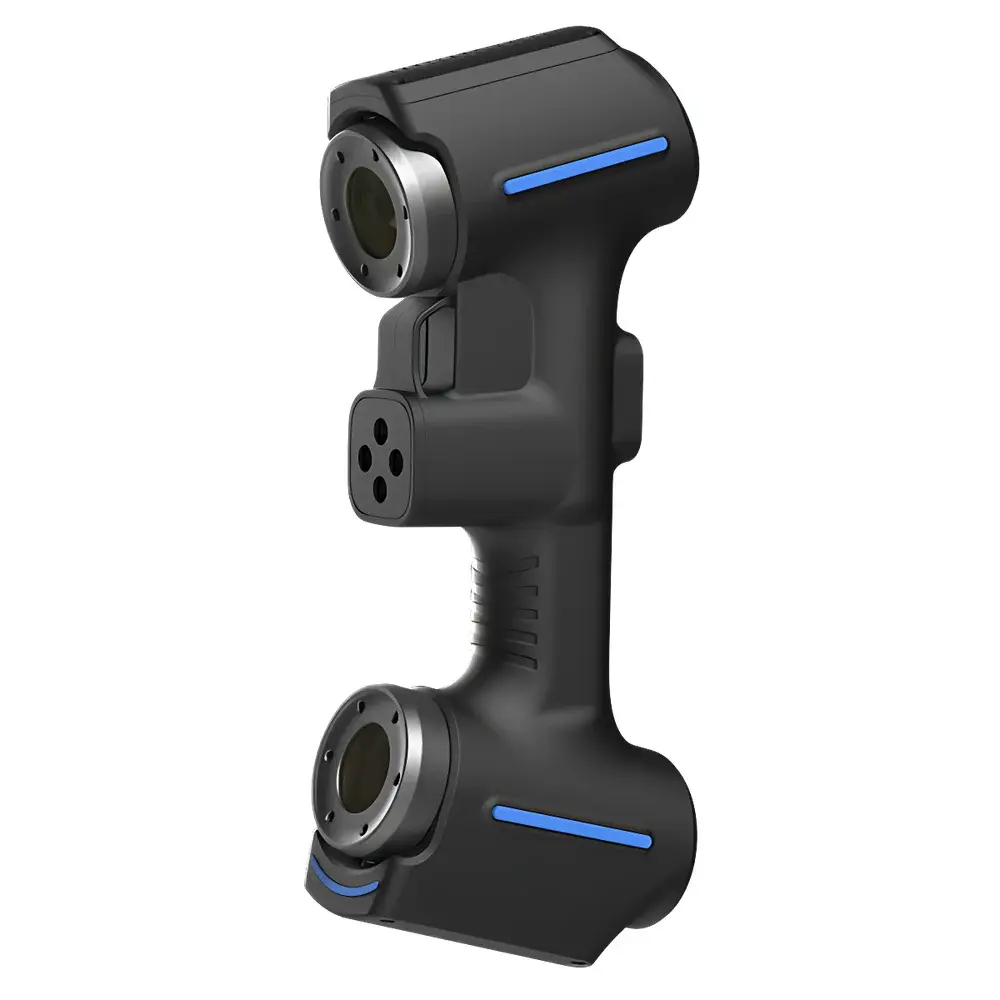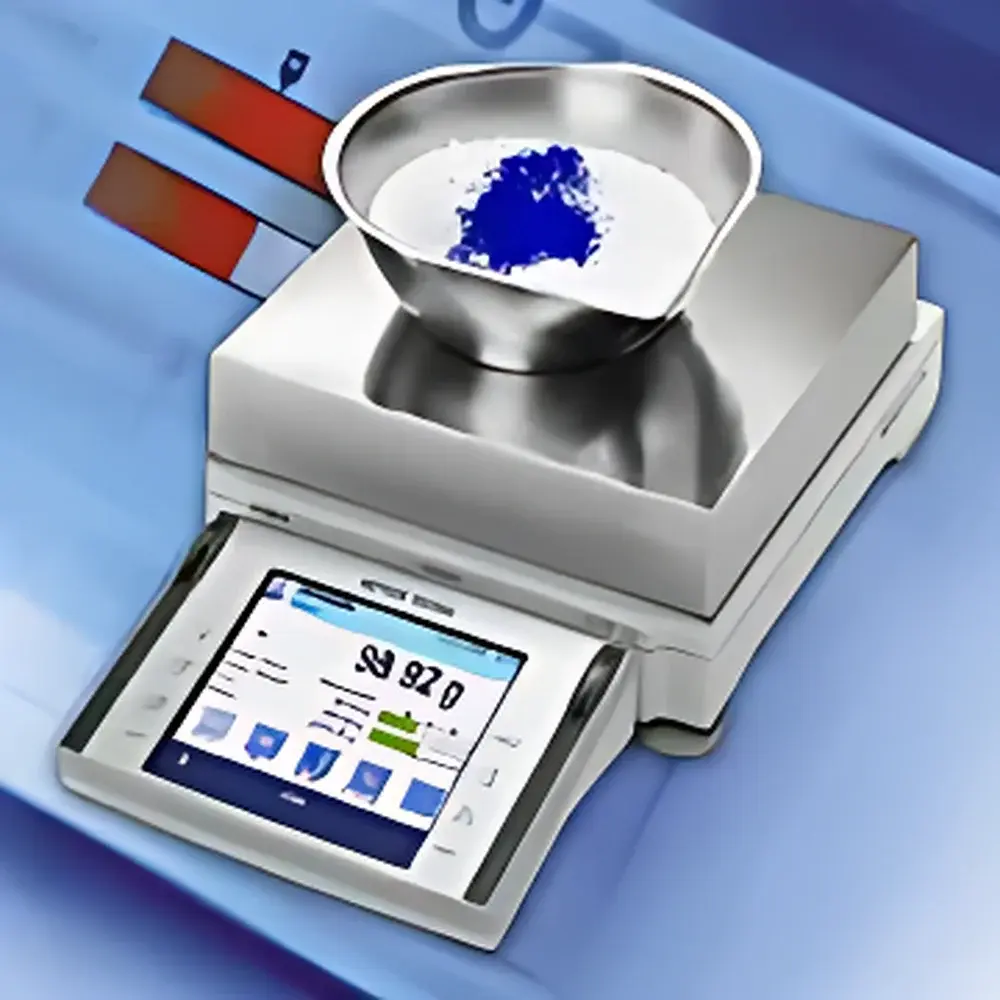
METTLER TOLEDO XS Series Precision Balance
| Brand | METTLER TOLEDO |
|---|---|
| Origin | Switzerland |
| Model Variants | XS203S / XS403S / XS603S / XS1003S |
| Maximum Capacity | 610 g |
| Readability | 1 mg |
| Repeatability | 1 mg |
| Linearity Error | 2 mg |
| Calibration | Internal |
| Compliance | ISO/IEC 17025, USP <41>, ASTM E899, GLP/GMP-ready |
| Software Integration | LabX® (optional), TestManager™ (built-in) |
| Ergonomic Design | ErgoStand™ adjustable stand, SmartPan™ draft-free weighing pan |
| Environmental Robustness | Suitable for use in fume hoods and laminar flow cabinets without draft shield |
Overview
The METTLER TOLEDO XS Series Precision Balances are high-performance laboratory instruments engineered for reproducible mass measurement under demanding operational conditions. Based on electromagnetic force compensation (EMFC) technology, these balances deliver traceable, stable readings with minimal drift—even in environments subject to air currents, temperature fluctuations, or mechanical vibration. Designed specifically for routine quality control, formulation, sample preparation, and analytical support workflows, the XS series bridges the gap between entry-level precision balances and analytical-grade instruments. Its core architecture integrates a robust monolithic load cell, active temperature compensation, and real-time drift monitoring to ensure consistent performance across shifts and ambient changes. All models comply with international metrological standards including OIML R76 and NIST Handbook 44, and are validated for use in regulated environments governed by FDA 21 CFR Part 11, EU Annex 11, and ISO/IEC 17025 requirements.
Key Features
- SmartPan™ Weighing Pan: A patented, aerodynamically optimized pan design that reduces air current interference by up to 70%, enabling accurate 1 mg measurements without a draft shield—even inside safety cabinets or fume hoods.
- ErgoStand™ Adjustable Base: An articulating, height- and angle-adjustable platform designed in accordance with ISO 11228-1 (manual handling ergonomics), minimizing musculoskeletal strain during prolonged use.
- Integrated TestManager™: Automated daily verification routines—including repeatability, linearity, and eccentricity tests—executed directly from the balance firmware, generating audit-ready reports compliant with GLP and GMP documentation standards.
- High-Contrast Touch Interface: 4.3-inch capacitive touchscreen with 16 mm character height, QWERTY keyboard overlay, and intuitive icon-based navigation for rapid method selection and data entry.
- Modular Cleanability: Fully removable SmartPan™ and spill-catching drip tray; smooth, crevice-free surfaces with rounded edges conforming to ISO 14644-1 Class 5 cleanroom-compatible cleaning protocols.
- Internal Calibration & Adjustment: Motor-driven internal weight system with automatic recalibration triggered by time, temperature change (>1.5 °C), or user command—ensuring continuous traceability without external weights.
Sample Compatibility & Compliance
The XS Series accommodates a broad range of sample types—including powders, granules, viscous liquids, and small solid components—across capacities from 210 g to 32.1 kg (depending on model variant). Its sealed sensor housing and corrosion-resistant stainless-steel pan protect against accidental spills and chemical exposure. All units undergo factory calibration using certified reference masses traceable to NIST and PTB standards. Regulatory compliance includes full support for 21 CFR Part 11 electronic signatures and audit trails when paired with LabX software. The built-in TestManager satisfies mandatory periodic verification requirements outlined in USP , EP 2.1.6, and ISO 9001 clause 7.6.
Software & Data Management
LabX laboratory software provides centralized method management, automated calculation (e.g., % moisture, tare subtraction, statistical reporting), and secure data archiving with role-based access control. Raw weighing data—including timestamps, operator ID, environmental logs (optional RS232-connected hygrometer/thermometer), and calibration history—are exported in CSV, PDF, or XML formats compatible with LIMS and ERP systems. All data transfers adhere to TLS 1.2 encryption, and LabX supports electronic signature workflows compliant with ALCOA+ principles (Attributable, Legible, Contemporaneous, Original, Accurate, Complete, Consistent, Enduring, Available).
Applications
- Pharmaceutical QC labs performing content uniformity testing per USP
- Chemical manufacturing for raw material receipt inspection and batch release documentation
- Food & beverage laboratories conducting moisture analysis, recipe scaling, and nutritional labeling compliance
- Academic research facilities requiring high-reproducibility sample preparation prior to HPLC, ICP-MS, or SEM analysis
- Environmental testing labs performing filter weighing for particulate matter (PM2.5/PM10) analysis per EPA Method 201A
- Medical device manufacturers fulfilling ISO 13485 clause 7.5.1.2 (process validation and traceability)
FAQ
What is the difference between readability and repeatability in the XS Series?
Readability refers to the smallest increment displayed (e.g., 1 mg), while repeatability defines the standard deviation of repeated weighings of the same load under identical conditions—guaranteed at ≤1 mg for XS603S.
Can the XS balance be used inside a fume hood without a draft shield?
Yes—the SmartPan™ design eliminates the need for a draft shield for 1 mg models (e.g., XS603S) in typical fume hood airflow conditions (≤0.5 m/s), as verified per ISO 16082-1.
Does the internal calibration satisfy ISO/IEC 17025 accreditation requirements?
Internal calibration alone does not replace external verification; however, it maintains intermediate stability between accredited calibrations performed annually by an ISO/IEC 17025-accredited provider.
Is LabX software included with the balance?
LabX is available as an optional licensed module; TestManager™ and basic data export functions operate natively within the balance firmware.
How often should routine performance verification be performed?
Per USP and ISO/IEC 17025, daily verification using TestManager™ is recommended before first use, after relocation, and following any event that may affect accuracy (e.g., power interruption, physical shock).