
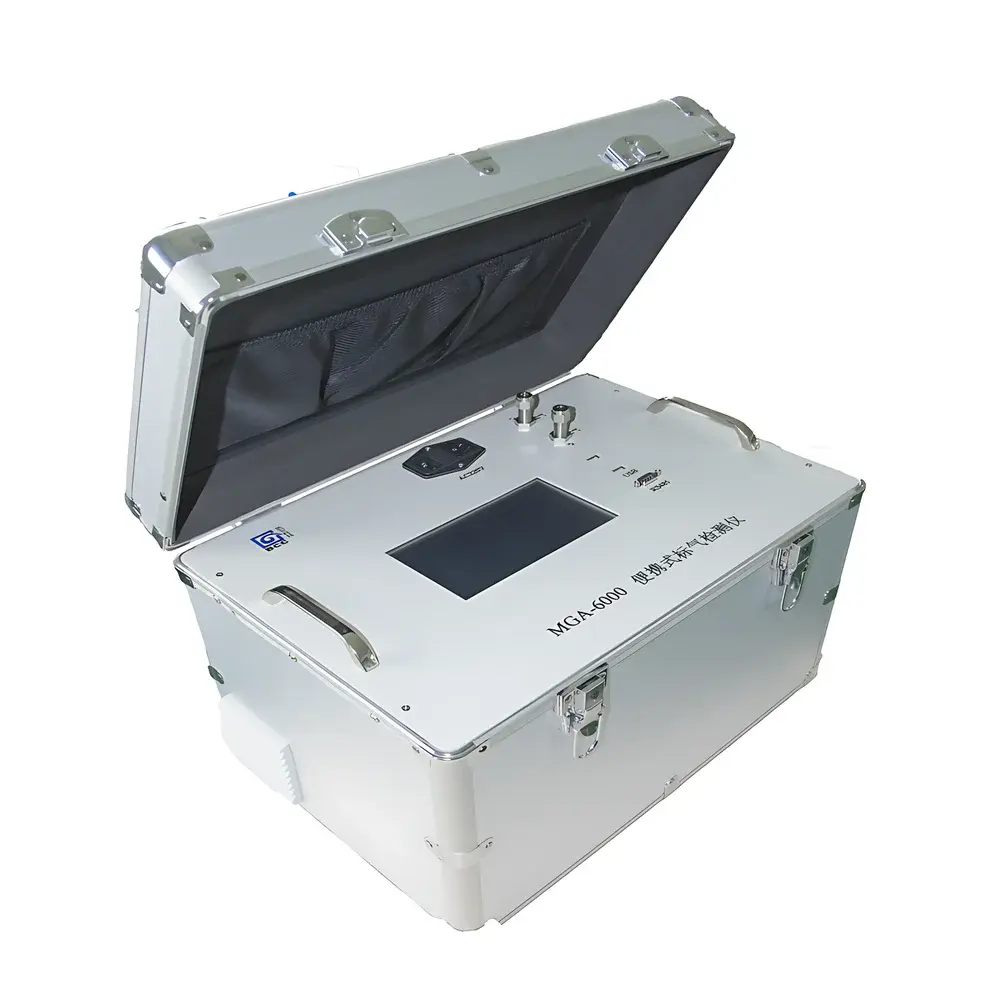
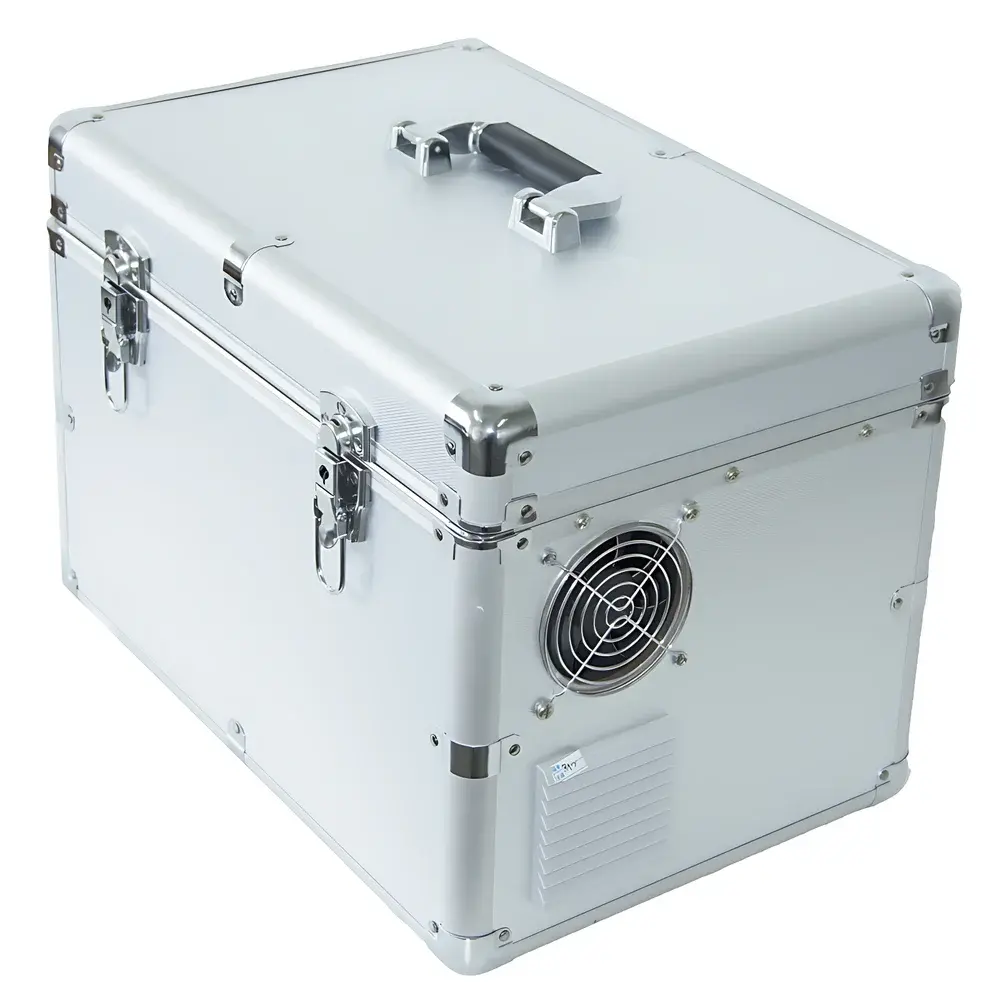
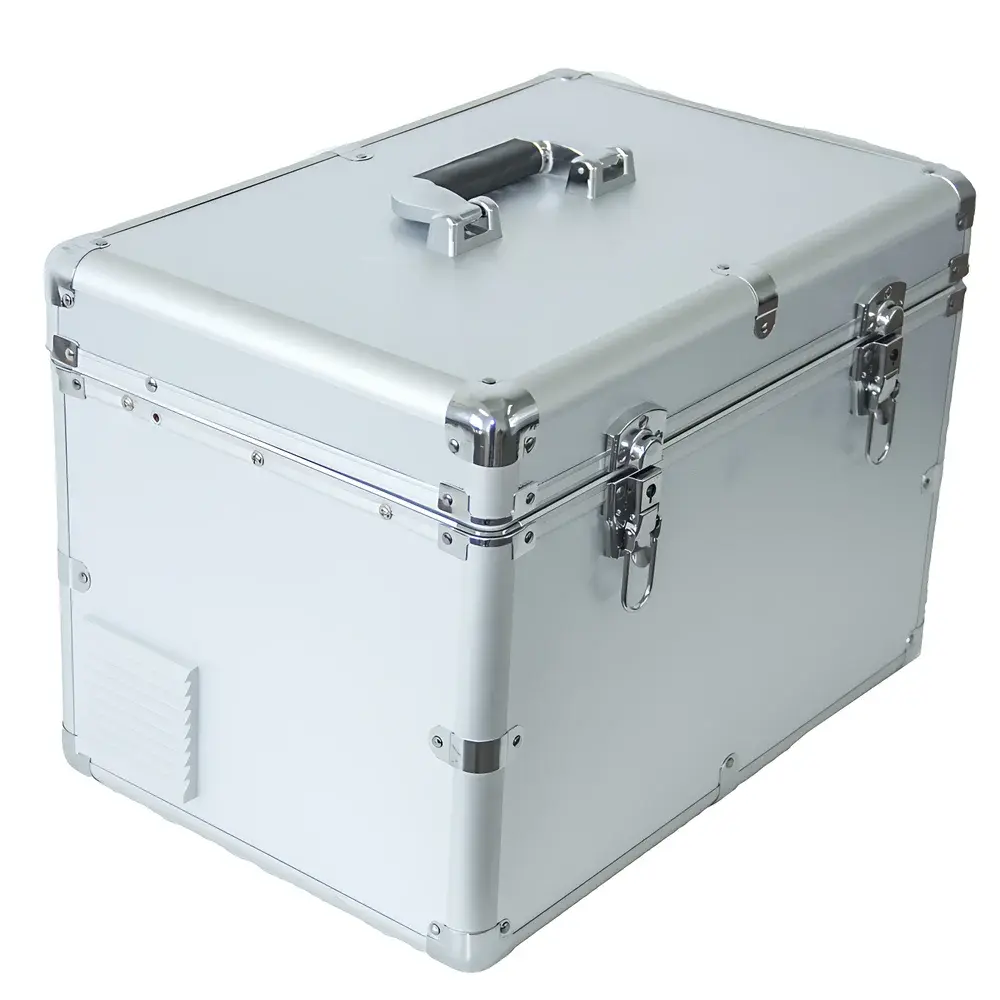
BCC MGA-3000P Portable Multicomponent Gas Analyzer
| Brand | BCC |
|---|---|
| Model | MGA-3000P |
| Principle | Non-Dispersive Infrared (NDIR) Absorption |
| Type | Portable |
| Detection Range | 0.1 ppm to 100% vol |
| Sensitivity | 0.01 ppm |
| Response Time (T90) | ≤30 s |
| Repeatability | ±1–2% FS |
| Zero/ Span Drift | ≤±1% FS / 24 h |
| Detection Limits | 0.1–1 ppm (gas-dependent) |
| Power Consumption | <100 W |
| Data Interfaces | 4–20 mA, RS232/RS485, USB, Ethernet |
| Sample Handling | Dual-mode (cold-dry and hot-wet) |
| Gas Selectivity | Enhanced via Gas Correlation Filtering (GCF) |
| Simultaneous Channels | Up to 7 gas components |
Overview
The BCC MGA-3000P Portable Multicomponent Gas Analyzer is an engineered field-deployable instrument designed for real-time, quantitative measurement of up to seven gaseous species in ambient air, stack emissions, or process streams. It operates on the principle of non-dispersive infrared (NDIR) absorption spectroscopy—leveraging characteristic vibrational absorption bands of target molecules in the mid-infrared region (typically 2–14 µm). Unlike broadband or single-beam NDIR systems, the MGA-3000P integrates Gas Correlation Filtering (GCF), a spectral discrimination technique that uses reference gas cells and matched optical filters to suppress cross-sensitivity from overlapping absorptions (e.g., H2O interfering with CO or CH4). This architecture ensures high selectivity without requiring complex chemometric modeling or frequent calibration drift correction. The analyzer supports dual sample conditioning modes—cold-dry (via integrated Peltier-cooled condenser and particulate filter) and hot-wet (with heated sampling line and bypass humidity tolerance)—enabling robust operation across variable moisture and particulate loads typical in industrial flue gas or landfill monitoring applications.
Key Features
- True multicomponent capability: Simultaneous quantification of up to seven gases—including CO, CO2, CH4, SO2, NO, NO2, NH3, and hydrocarbons—within a single compact chassis.
- Auto-ranging dual-scale detection: Seamlessly switches between low-range (ppb–ppm) and high-range (% vol) modes based on real-time signal amplitude, eliminating manual range selection and reducing operator error.
- GCF-enhanced specificity: Optical interference rejection improves measurement fidelity in mixed-gas environments where conventional NDIR analyzers exhibit interferences (e.g., water vapor masking CO at 4.6 µm).
- Field-optimized thermal management: Integrated thermoelectric cooling and heating modules maintain stable detector and optical path temperatures, minimizing thermal drift and ensuring repeatability within ±1–2% FS over extended deployments.
- Low-power portable architecture: Consumes 8 hours continuous operation on internal rechargeable Li-ion battery (optional).
- Ruggedized enclosure: IP65-rated housing with shock-absorbing mounting brackets, conforming to IEC 60068-2 environmental stress testing standards for transport and outdoor use.
Sample Compatibility & Compliance
The MGA-3000P accommodates a broad spectrum of sampling matrices—from dry ambient air to hot, humid, and particulate-laden flue gas (up to 200 °C inlet temperature in hot-wet mode). Its cold-dry configuration meets EPA Method 3A and EN 15267-3 requirements for certified CEMS pre-conditioning, while hot-wet operation aligns with ISO 12039 and VDI 3862 guidelines for in-situ combustion monitoring. All gas path wetted materials (316L stainless steel, PTFE, Kalrez® seals) comply with ASTM D6348 for trace-level hydrocarbon analysis. The analyzer’s firmware supports audit-trail logging per FDA 21 CFR Part 11 and GLP/GMP data integrity requirements when connected to validated data acquisition platforms.
Software & Data Management
Embedded Linux-based firmware provides local touchscreen control, real-time trend visualization, and configurable alarm thresholds (high/low, rate-of-change). Data export is supported via CSV, XML, or Modbus TCP protocols. The unit includes native MQTT client support for secure TLS-encrypted transmission to cloud platforms (e.g., AWS IoT Core, Azure IoT Hub) or SCADA systems. Remote firmware updates, diagnostic logs, and zero/span validation records are timestamped and digitally signed. Optional PC software (MGA-Link Pro) enables method validation reports compliant with ISO/IEC 17025:2017 Clause 7.7 (uncertainty estimation) and automated calibration certificate generation.
Applications
- Regulatory emission monitoring: Continuous compliance verification for stationary sources under EU IED, US Clean Air Act Title V, and China GB 13223–2011.
- Landfill and biogas facility management: Real-time CH4/CO2 ratio tracking for LFG recovery optimization and fugitive emission quantification (aligned with IPCC Tier 2 protocols).
- Industrial safety & IAQ: Confined space entry screening (O2, H2S, CO, VOCs) and indoor air quality assessment per ASHRAE Standard 62.1.
- R&D and process optimization: Combustion efficiency analysis (excess O2, CO, NOx) in boilers, kilns, and incinerators; catalyst performance evaluation in chemical synthesis lines.
- Mobile monitoring campaigns: Vehicle-mounted deployment for urban airshed mapping, odor source identification, and emergency response (HAZWOPER-compliant operation).
FAQ
What calibration gases are required for routine verification?
Certified NIST-traceable gas mixtures matching your target analytes and concentration ranges—typically 3-point calibration (zero, mid, span) per channel annually, with daily zero checks recommended.
Can the MGA-3000P be integrated into an existing DCS or PLC system?
Yes—via 4–20 mA analog outputs (configurable per channel), Modbus RTU/TCP, or OPC UA (with optional gateway module). Pre-built drivers available for Siemens PCS7, Emerson DeltaV, and Honeywell Experion.
Is hot-wet measurement suitable for high-moisture biogas streams?
Yes—the heated sample line (maintained at ≥180 °C) and corrosion-resistant gas path prevent condensation and ammonium salt deposition, enabling stable operation at dew points up to 85 °C.
How is measurement uncertainty estimated for regulatory reporting?
Uncertainty budgets follow EURACHEM/CITAC Guide CG4 methodology, incorporating repeatability, calibration gas uncertainty, temperature/pressure compensation residuals, and GCF filter stability—documented in the included MGA-Link Pro validation report module.
Does the device meet explosion-proof certification for Zone 1 hazardous areas?
The base model is rated for non-hazardous locations; ATEX/IECEx-certified variants (MGA-3000P-Exd) with flameproof enclosure and intrinsically safe interfaces are available upon request.
Related Products







