
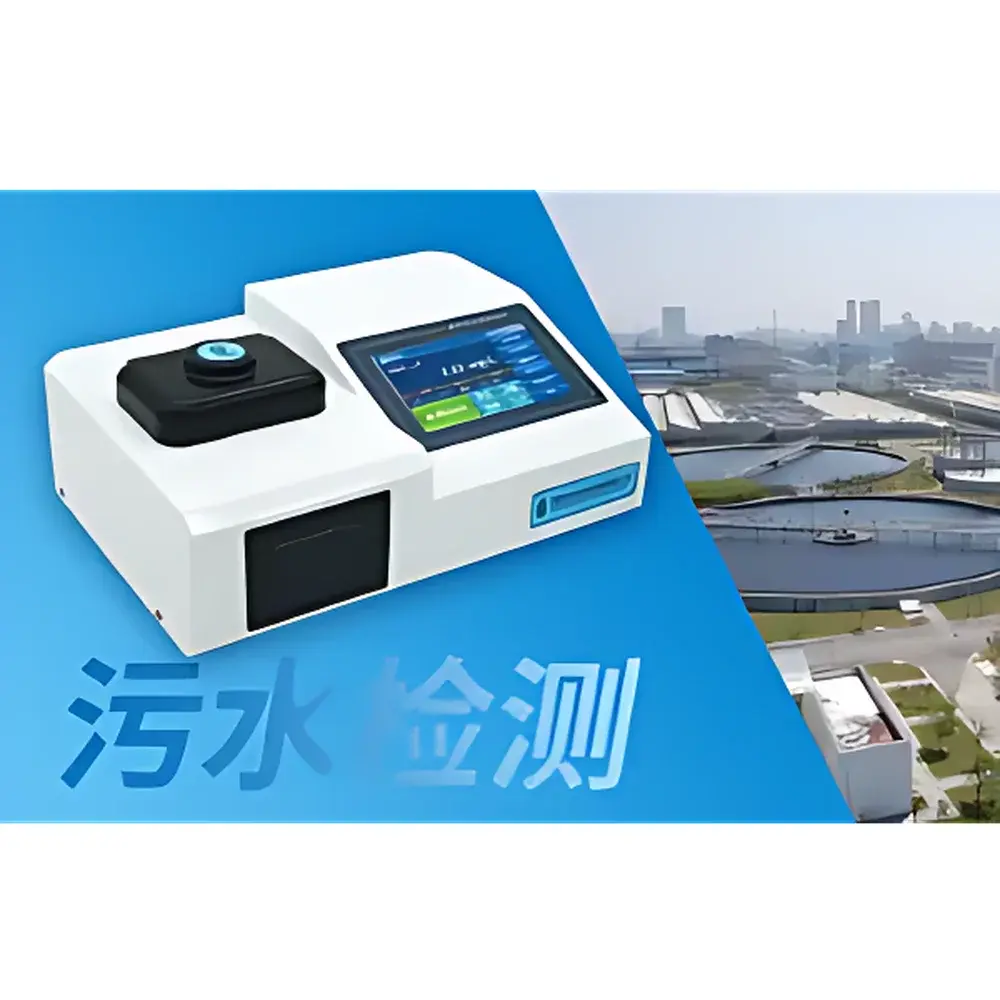
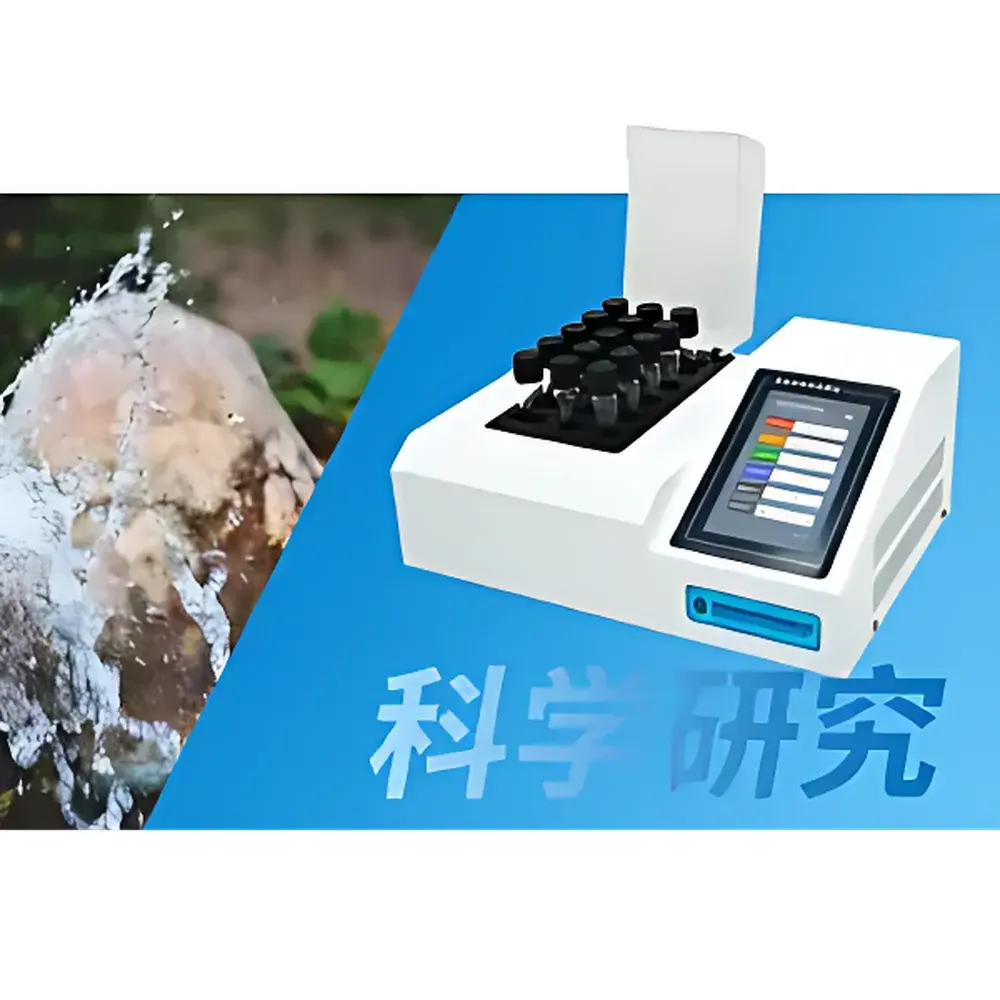
InLab-2016 Multi-Parameter Water Quality Analyzer by ZYKX
| Brand | ZYKX |
|---|---|
| Origin | Beijing, China |
| Model | InLab-2016 |
| Instrument Type | Benchtop Laboratory Water Quality Analyzer |
| Measured Parameters | COD (High/Low Range), Ammonia-N, Total Phosphorus, Total Nitrogen, Nitrate-N, Nitrite-N, Free/Total Chlorine, Chlorine Dioxide, Hexavalent Chromium, Color, Turbidity, Suspended Solids, Sulfate, Sulfide, Fluoride, Aniline, Phosphate, Barium, Total Chromium, Iron, Ferrous Iron, Copper, Nickel, Zinc, Manganese, Dissolved Oxygen, pH, Temperature, Conductivity, ORP, Salinity, TDS, Cobalt, Ozone, Cyanide |
| Detection Method | Spectrophotometric (including DPD, Nessler, Molybdate, Cerium(IV)–Catalyzed Oxidation, etc.), Electrochemical (pH, DO, Conductivity, ORP, Salinity, TDS), and Gravimetric/Turbidimetric (SS, Sulfate) |
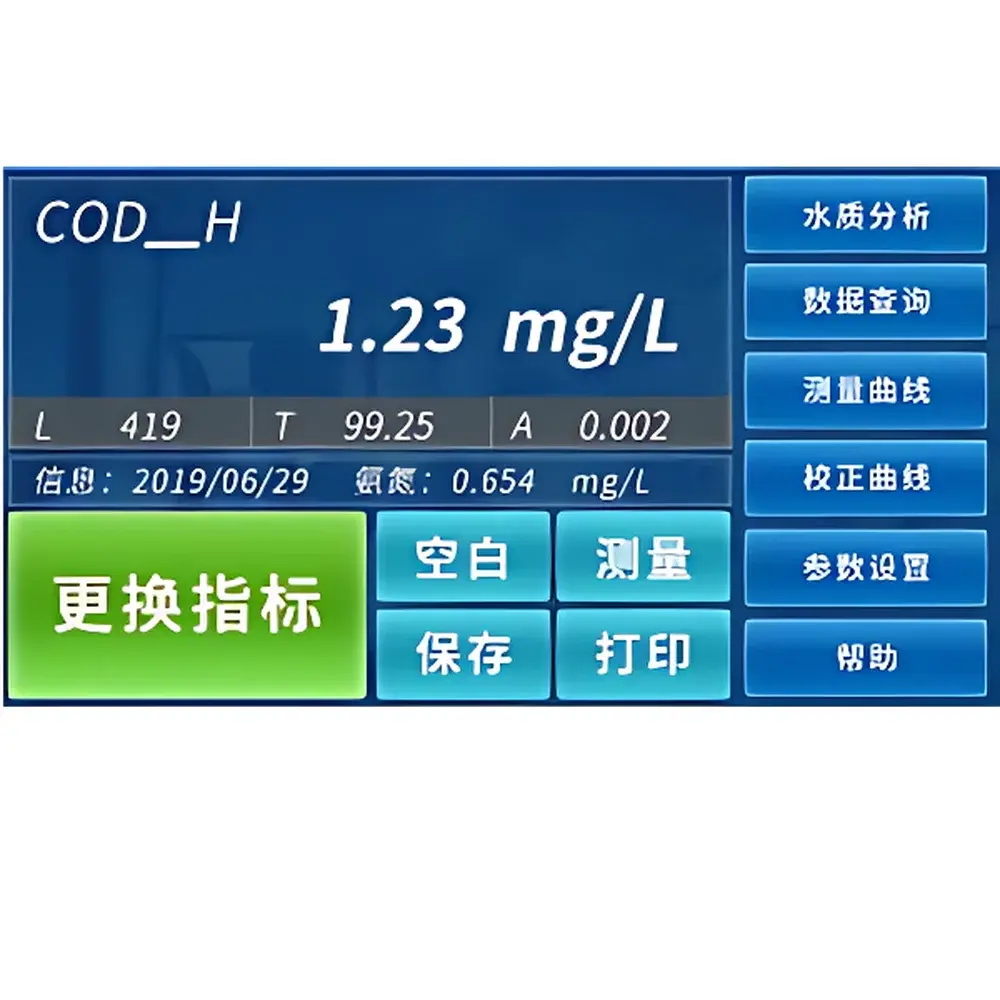
| Display | 7-inch TFT color capacitive touchscreen with Chinese UI |
| Data Storage | 10,000 measurement records with power-loss protection |
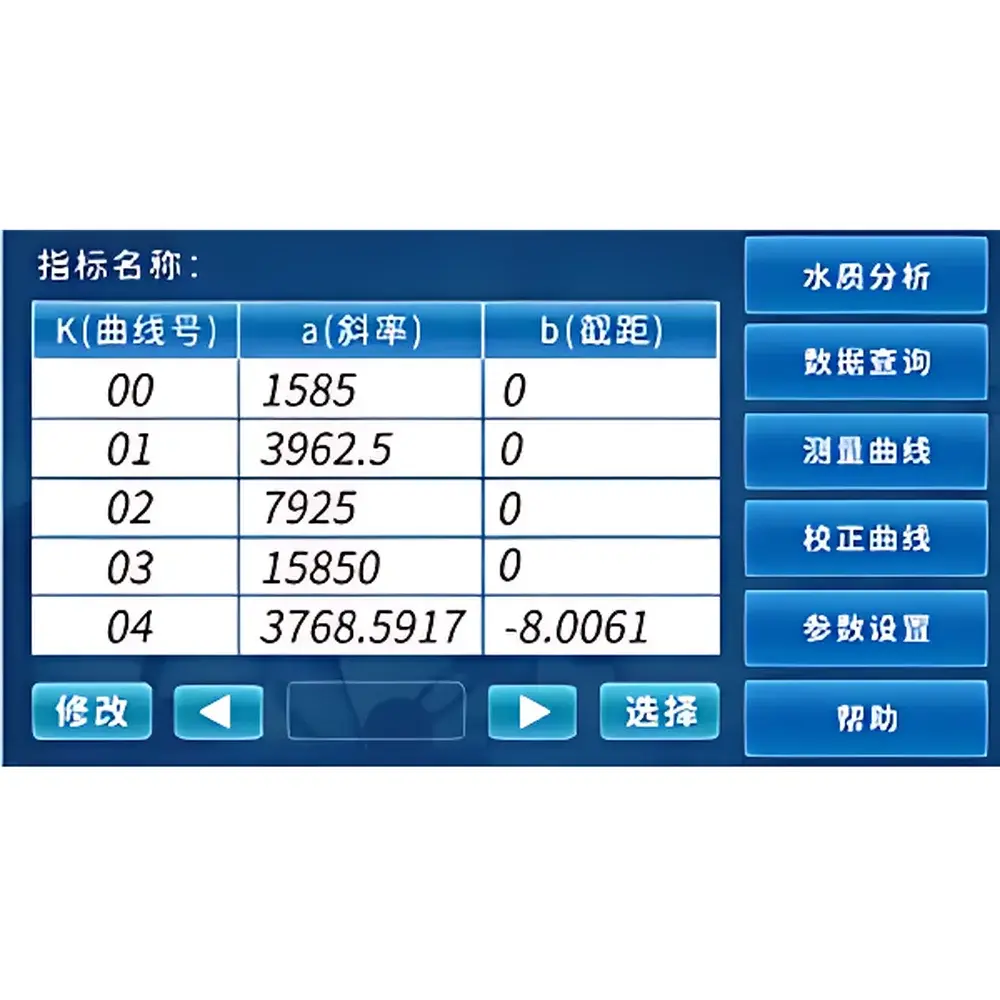
| Calibration | 1–7 point calibration with auto-curve adjustment |
| Connectivity | RS232 + USB |
| Dimensions | 300 × 220 × 120 mm |
| Weight | 2.8 kg |
| Power Supply | AC 220 V ±10%, 50 Hz |
| Operating Environment | 5–40 °C, RH <85% (non-condensing) |
| Compliance Standards | HJ/T 399–2007, HJ 535–2009, GB 11893–89, GB 11892–89, EPA-approved methods, ISO 7027, ISO 5667, ASTM D1253, ASTM D3370 |
Overview
The InLab-2016 Multi-Parameter Water Quality Analyzer is a benchtop spectrophotometric and electrochemical platform engineered for standardized, traceable, and reproducible analysis of physicochemical and contaminant parameters in surface water, wastewater, drinking water, and process streams. It operates on established regulatory methodologies—including colorimetric, catalytic oxidation, and potentiometric principles—enabling simultaneous quantification of up to 41 analytes without hardware modification. The instrument integrates dual-path optical detection (using imported solid-state cold light sources with stable spectral output at 420–850 nm) and multi-electrode sensor interfaces (pH, DO, conductivity, ORP, salinity, TDS), all synchronized via an embedded ARM Cortex-A9 processor. Its design adheres to fundamental metrological requirements for environmental laboratories: linear dynamic range validation per IUPAC guidelines, inter-method comparability aligned with ISO/IEC 17025:2017, and operational robustness under variable ambient conditions (5–40 °C, <85% RH). Unlike portable or single-parameter field meters, the InLab-2016 delivers laboratory-grade precision in a compact footprint (300 × 220 × 120 mm), making it suitable for routine QC/QA workflows in accredited environmental testing labs.
Key Features
- 7-inch capacitive touchscreen interface with intuitive Chinese-language navigation and context-sensitive prompts—designed to minimize operator training time while maintaining full parameter configurability.
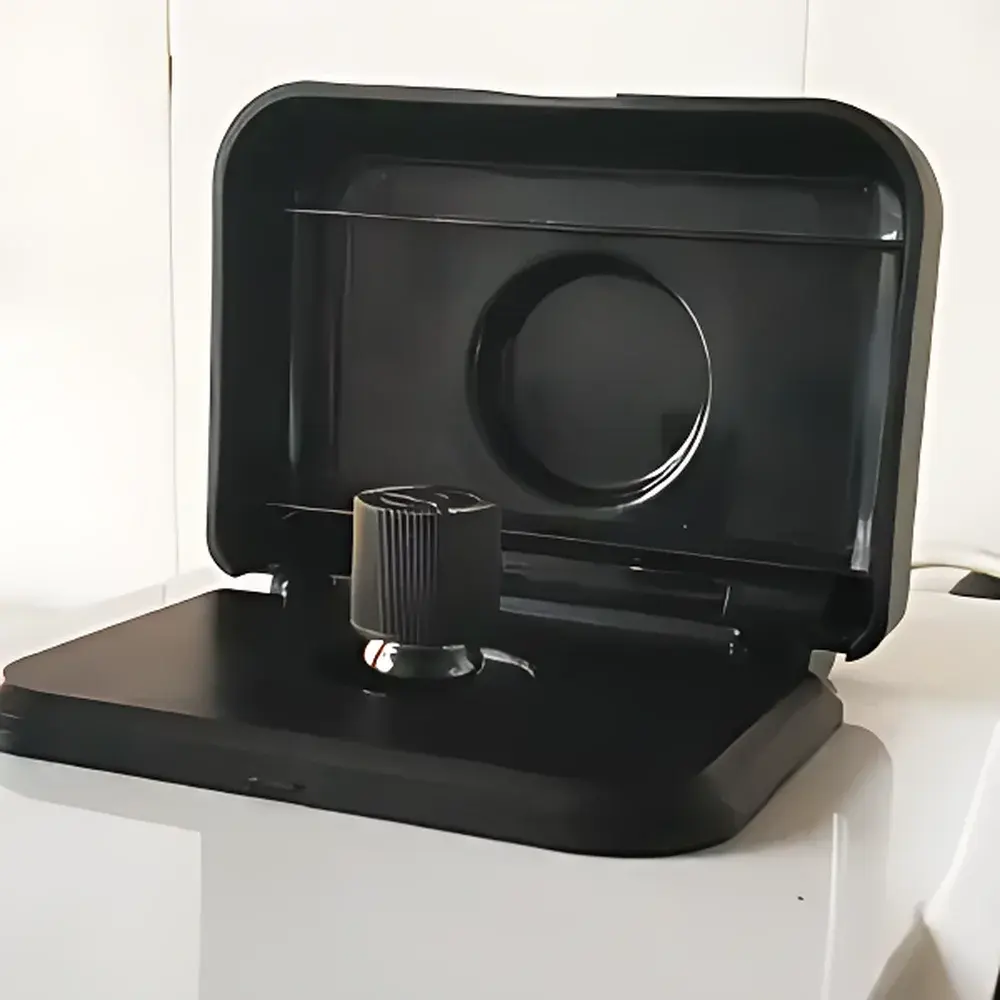
- Integrated digestion–colorimetry reaction tubes eliminate cross-contamination risk and reduce analyst exposure to hazardous reagents; pre-programmed thermal profiles (e.g., 165 °C/15 min for COD, 120 °C/30 min for total phosphorus) comply with HJ/T 399–2007 and GB 11893–89.
- Modular assay architecture supports on-device addition of new test modules via firmware update—no physical hardware replacement required—ensuring long-term adaptability to evolving regulatory requirements (e.g., emerging contaminants).
- Built-in thermal printer enables immediate hardcopy documentation of results with timestamp, sample ID, method ID, and calibration status—critical for GLP-compliant recordkeeping and audit readiness.
- Optical system employs high-stability LED-based cold light sources with narrow-band interference filters (FWHM ≤8 nm), minimizing stray light and drift; photometric accuracy verified against NIST-traceable standards across 0–4.0 ABS.
- Data integrity safeguards include non-volatile flash memory with write-cycle redundancy, automatic timestamping, and power-fail recovery—retaining all 10,000 stored measurements even after unexpected shutdown.
- Multi-interface connectivity (RS232 + USB) enables direct integration with LIMS environments and supports CSV export for statistical analysis in Excel, R, or Python-based QA/QC pipelines.
Sample Compatibility & Compliance
The InLab-2016 accommodates liquid samples across a broad matrix spectrum: municipal and industrial wastewater (COD up to 15,000 mg/L), potable water (low-range ammonia-N down to 0.01 mg/L), saline estuaries (salinity up to 5%), and highly turbid sludge supernatants (turbidity up to 400 NTU). All optical assays follow validated standard methods—including HJ 535–2009 (Nessler ammonia), GB 11892–89 (permanganate index), and EPA 365.3 (phosphate)—with documented linearity (R² ≥0.999), spike recovery (85–115%), and repeatability (RSD ≤3.5%). Electrochemical sensors meet ISO 7027 (turbidity), ISO 5814 (DO), and ASTM D1125 (conductivity) performance thresholds. The instrument’s firmware implements electronic audit trails for calibration events, curve generation, and result modifications—supporting compliance with FDA 21 CFR Part 11 when deployed in regulated water utilities or pharmaceutical manufacturing sites.
Software & Data Management
Firmware v3.2.1 provides a secure, role-based operating environment supporting three user tiers (Operator, Technician, Administrator) with password-protected access to calibration, method editing, and data export functions. Measurement curves are stored as encrypted binary objects with SHA-256 checksums; users may load up to 100 custom calibration curves (linear, quadratic, or cubic fits) with metadata tagging (date, analyst ID, reference standard lot). All raw absorbance values, electrode mV outputs, and temperature-compensated readings are retained alongside final concentration results. USB export generates ISO 8601-compliant CSV files containing column headers aligned with EU Water Framework Directive (WFD) reporting templates. Optional PC software (ZYKX LabLink v2.4) enables batch report generation, trend charting (e.g., weekly COD variance), and automated outlier detection using Grubbs’ test (α = 0.05).
Applications
- Regulatory Compliance Monitoring: Routine discharge verification for textile, food processing, and metallurgical facilities—aligned with China’s GB 8978–1996 and EU Industrial Emissions Directive (2010/75/EU).
- Drinking Water Safety: Daily screening of chlorine residuals, nitrate, fluoride, and heavy metals (Pb, Cr⁶⁺, Cd) per GB 5749–2022 and WHO Guidelines for Drinking-water Quality.
- Academic Research: Longitudinal studies of eutrophication dynamics (TP/TN ratios), redox speciation (Fe²⁺/Fe³⁺, NO₂⁻/NO₃⁻), and disinfection byproduct formation kinetics.
- Process Control: Real-time optimization of coagulation-flocculation (turbidity, phosphate), biological treatment (DO, NH₃–N), and membrane filtration (SDI, TOC surrogate metrics).
- Emergency Response: Rapid field-deployable assessment during chemical spills or algal blooms—leveraging battery-powered operation (optional external 12 V DC supply) and ruggedized housing (IP54-rated enclosure).
FAQ
Does the InLab-2016 support method validation per ISO/IEC 17025?
Yes—the instrument logs all calibration events, blank corrections, and curve-fitting residuals; raw data export enables full uncertainty budgeting per GUM (JCGM 100:2008).
Can custom reagent kits be used with preloaded curves?
Only ZYKX-certified reagent sets are validated for use with factory curves; third-party reagents require full re-validation including LOD/LOQ determination and spike recovery testing.
Is remote firmware update supported?
Firmware updates require local USB installation; no cloud-based OTA capability is implemented to maintain air-gapped security for regulated lab environments.
What is the recommended maintenance interval?
Optical path cleaning every 3 months; electrode calibration before each analytical session; annual verification of thermal block accuracy using NIST-traceable PT100 probes.
How does the instrument handle high-chloride interference in COD measurement?
The high-range COD module incorporates mercury sulfate masking (per HJ/T 399–2007) to suppress chloride interference up to 2,000 mg/L Cl⁻; low-range COD uses chloride-free cerium(IV) oxidation.







