
TSE Metabolic PhenoCages for Rodent Urine and Feces Separation and Quantification
| Brand | TSE Systems |
|---|---|
| Origin | Germany |
| Model | Metabolic PhenoCages |
| Application | Automated Metabolic Phenotyping in Mice and Rats |
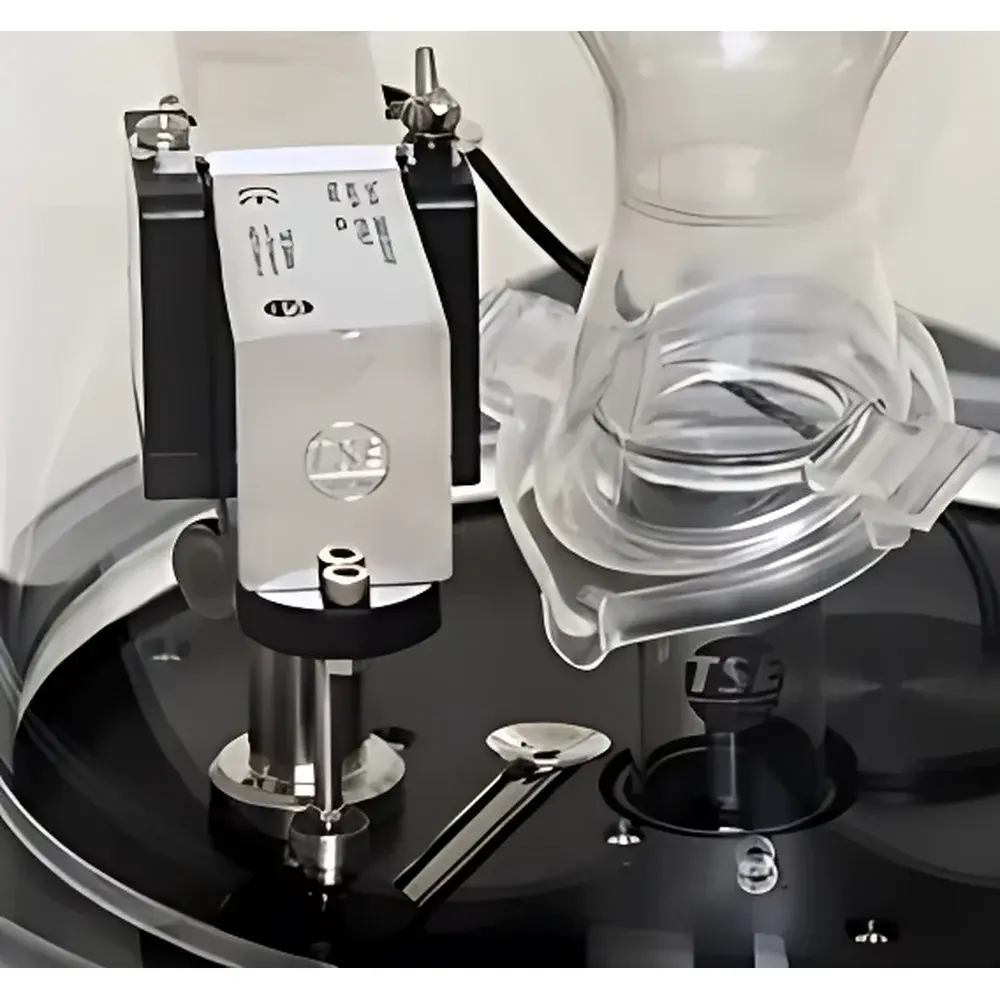
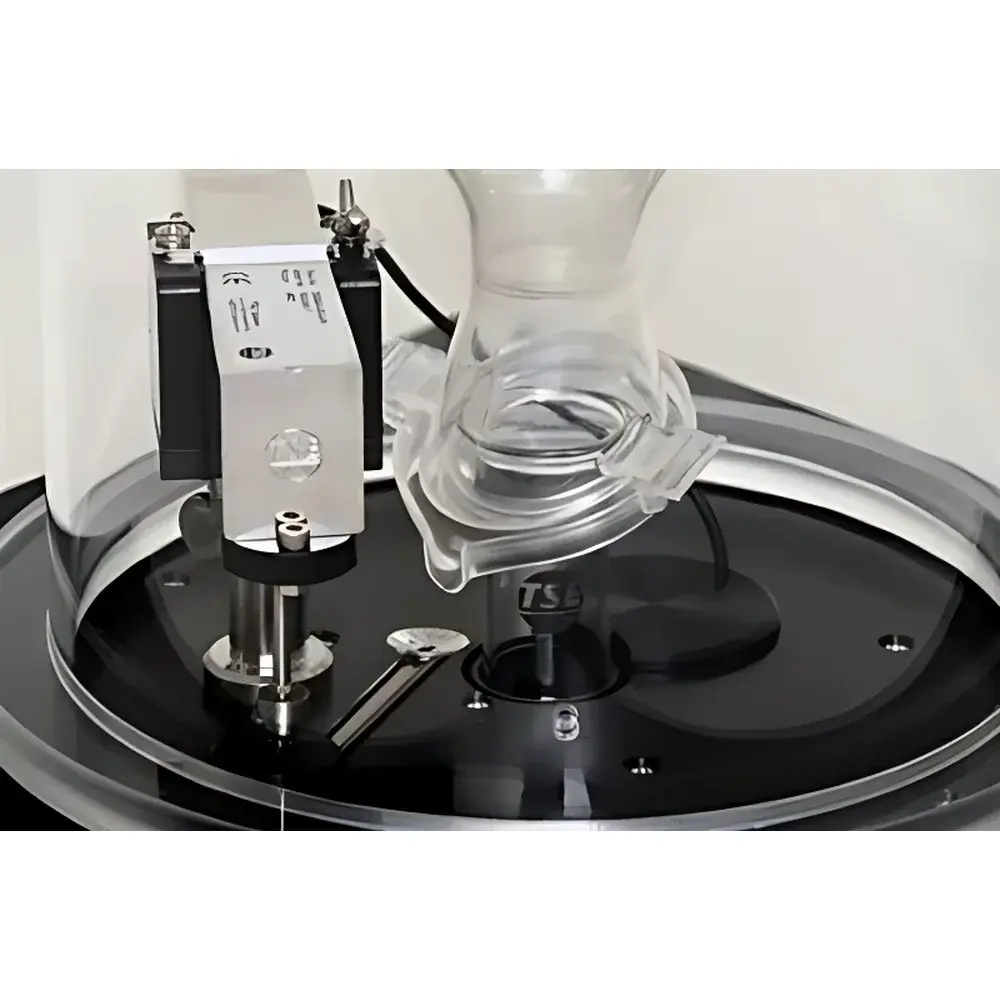
| Urine/Feces Separation | Dual-compartment funnel with cryo-compatible collection vessels |
| Quantification Method | High-precision load cells (±0.01 g resolution) under chilled collection containers |
| Integration | Fully compatible with PhenoMaster® and LabMaster® modular monitoring platforms |
| Optional Modules | CaloCage™ for indirect calorimetry, food/water intake sensors, XYZ photobeam activity frame |
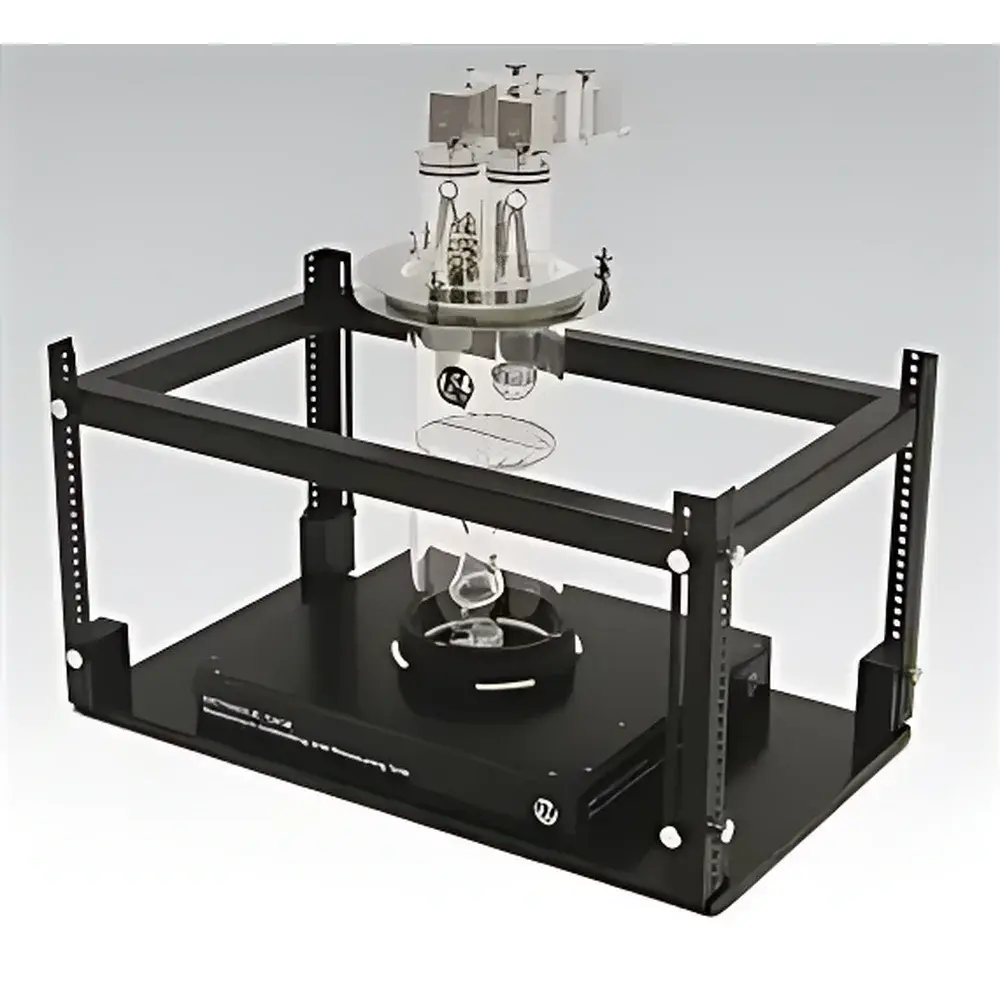
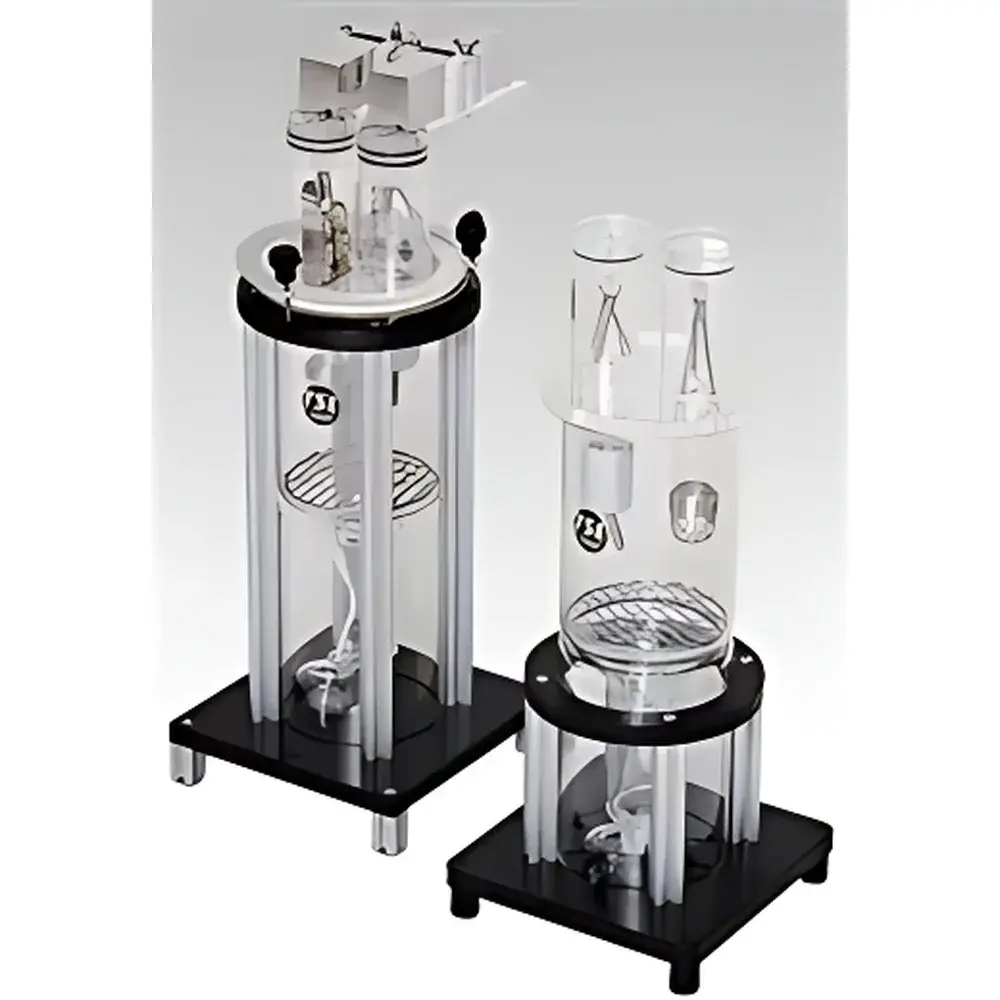
| Cage Design | Modular, autoclavable components with rapid disassembly for decontamination |
| Sample Preservation | On-board cryogenic separation — urine and feces collected into individually chilled, sealed compartments |
Overview
The TSE Metabolic PhenoCages are engineered for high-fidelity, non-invasive metabolic phenotyping of mice and rats in longitudinal preclinical studies. Based on the well-established TSE PhenoMaster® and LabMaster® ecosystem, these cages implement a validated physical separation principle: gravity-driven, geometry-optimized funneling directs urine and feces into two thermally isolated, cryo-compatible collection vessels. This design eliminates cross-contamination while preserving sample integrity for downstream biochemical analysis (e.g., metabolomics, hormone ELISA, microbiome sequencing). Unlike passive collection methods, the system integrates real-time mass measurement via calibrated load cells positioned beneath each vessel—enabling time-resolved quantification of excretion kinetics at sub-gram resolution. The architecture supports full integration into automated phenotyping workflows, including indirect calorimetry (via optional CaloCage™), ingestive behavior tracking, and 3D locomotor activity profiling.
Key Features
- Dual-path separation funnel with inert polymer surface chemistry to prevent adhesion or degradation of biological analytes
- Cryo-integrated collection: independent thermal control (−20 °C to +4 °C) for urine and fecal compartments to inhibit enzymatic activity and microbial proliferation
- High-stability load cell array (0.01 g resolution, ±0.1% linearity) with temperature compensation and digital filtering for noise suppression
- Modular cage frame constructed from medical-grade stainless steel and autoclavable polycarbonate—fully compliant with GLP facility cleaning protocols
- Seamless hardware-level synchronization with PhenoMaster® software: all timestamps, mass deltas, and event triggers (e.g., feeding bouts, beam breaks) are logged in a single, audit-trail-enabled database
- Expandable sensor interface: native support for food hopper load cells, sipper tube flow meters, and XYZ photobeam arrays without external DAQ hardware
Sample Compatibility & Compliance
The Metabolic PhenoCages accommodate C57BL/6, BALB/c, CD-1, and other common inbred/outbred strains (20–45 g mice; 200–400 g rats) without behavioral stress induction, as confirmed by peer-reviewed validation studies (e.g., Physiol Behav, 2021; J Vis Exp, 2022). Urine volume and fecal pellet count/mass are recorded continuously over 72+ hours with ≤2% inter-cage coefficient of variation under standardized housing conditions (22 ± 1 °C, 50 ± 10% RH, 12:12 light:dark cycle). All electronic modules meet IEC 61000-4 electromagnetic compatibility standards and carry CE marking per Directive 2014/30/EU. Data acquisition complies with FDA 21 CFR Part 11 requirements when operated with PhenoMaster® v5.2+ (electronic signatures, audit trails, role-based access control).
Software & Data Management
PhenoMaster® software provides centralized configuration, real-time visualization, and export-ready analysis. Users define experimental timelines, trigger thresholds (e.g., “record fecal mass change >0.5 g”), and metadata tagging (strain, treatment group, dosing schedule) prior to cage deployment. Raw mass data are stored in HDF5 format with embedded provenance (sensor ID, calibration timestamp, firmware version). Built-in algorithms compute derived metrics: diurnal excretion rhythm, urine/feces ratio, correlation with feeding events, and activity-bout–excretion latency. Export options include CSV (for R/Python analysis), MATLAB .mat, and direct SQL insertion into LIMS systems. Audit logs retain full traceability for regulatory submissions (EMA, PMDA, NIH grant reporting).
Applications
- Diabetes and obesity research: longitudinal tracking of polyuria/polydipsia progression and fecal energy loss in diet-induced or genetic models
- Nephrotoxicity assessment: detection of subtle albuminuria or osmolar shifts preceding histopathological changes
- Gut-brain axis studies: temporal alignment of microbiota-derived metabolites (SCFAs, tryptophan catabolites) with behavioral endpoints
- Drug metabolism and PK/PD modeling: correlation of compound clearance (urinary recovery) with pharmacodynamic biomarkers
- Aging and circadian biology: quantification of age-dependent declines in renal concentrating ability and colonic transit time
FAQ
Can the system distinguish between voluntary and stress-induced urination?
Yes—by synchronizing urinary mass spikes with simultaneous activity (photobeam) and autonomic (telemetry, if integrated) data, users can apply multivariate filters to exclude voids associated with acute locomotion or restraint artifacts.
Is fecal sample integrity maintained for 16S rRNA sequencing?
Absolutely—the −20 °C compartment prevents DNA degradation and bacterial overgrowth; published protocols confirm >95% OTU retention versus flash-frozen controls after 48 h storage.
How is calibration traceability documented?
Each load cell ships with NIST-traceable calibration certificate; PhenoMaster® auto-imports calibration parameters and logs every recalibration event with operator ID and ISO/IEC 17025-compliant uncertainty budget.
What is the maximum continuous run time without manual intervention?
72 hours at −20 °C operation with standard refrigeration module; extended runs up to 168 h achievable using external ultra-low-temperature chillers (−80 °C) and larger-volume collection vessels.
Are cage dimensions customizable for transgenic or obese models?
Standard cages conform to OECD Test Guideline 426; custom footprints and height adjustments are available under TSE’s OEM engineering service (lead time: 8–12 weeks).
Related Products



