
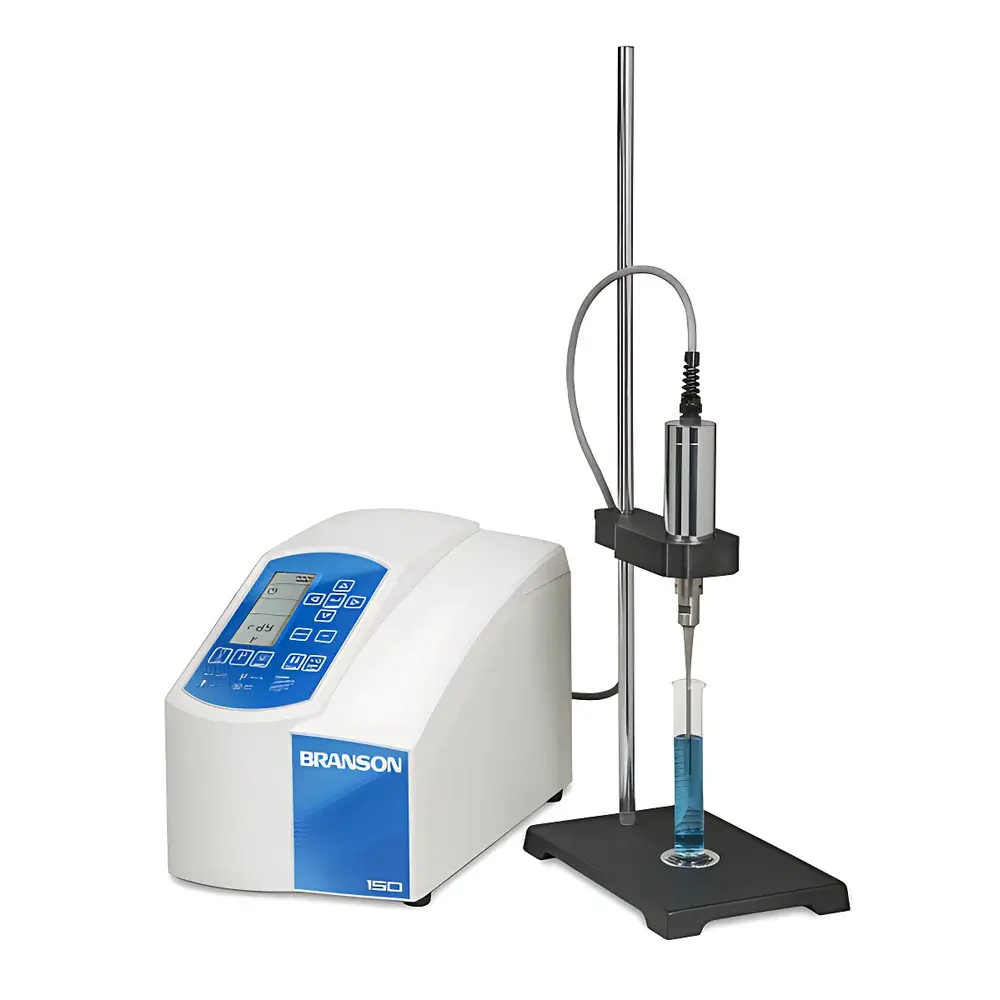
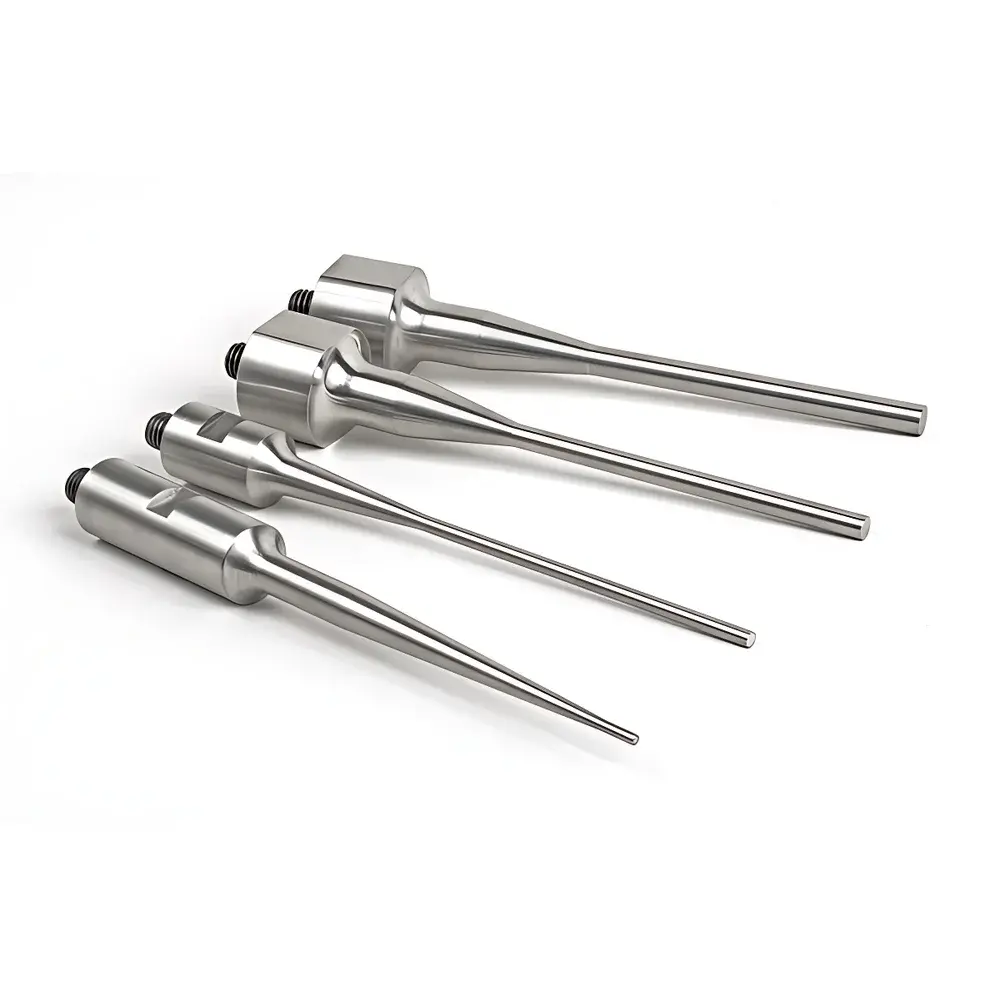
Branson Sonifier® SFX150 Ultrasonic Cell Disruptor
| Brand | Branson |
|---|---|
| Origin | Mexico |
| Manufacturer Type | Authorized Distributor |
| Origin Category | Imported |
| Model | SFX150 |
| Instrument Type | Ultrasonic Cell Disruptor |
| Maximum Output Power | 150 W |
| Operating Frequency | 40 kHz |
| Sample Volume Range | 0.1–150 mL |
| Amplitude Adjustment | 10–100% |
| Pulse Duration Resolution | 0.01 s |
| Energy Control Range | 1–999,999 J |
| Time Control Range | 0.01 s – 99 h 59 min 59 s |
| Programmable Methods | 20 stored protocols |
| Standard Probe | 1/8″ (3 mm) Titanium Alloy (7–4), Solid Tip |
| Input Voltage | AC 200–240 V, 50/60 Hz |
| Dimensions (L×W×H) | 348 × 203 × 242 mm |
| Weight | 6.35 kg |
Overview
The Branson Sonifier® SFX150 is a precision-engineered ultrasonic cell disruptor designed for reproducible lysis, homogenization, and emulsification of biological samples in research and quality control laboratories. It operates on the principle of high-intensity ultrasonic cavitation—where rapid pressure fluctuations generated by piezoelectric transduction induce microbubble formation, growth, and violent collapse within liquid media. This process delivers localized shear forces sufficient to disrupt cellular membranes, solubilize inclusion bodies, fragment chromatin, and disperse nanoparticles—without significant thermal degradation when operated under controlled conditions. As a member of Branson’s SFX platform—developed under Emerson Electric’s life science instrumentation division—the SFX150 integrates digital process control with real-time feedback architecture to meet evolving GLP-compliant workflow requirements in molecular biology, biopharmaceutical development, and academic proteomics.
Key Features
- Digital amplitude control (10–100%) enabling precise energy delivery across diverse sample viscosities and compositions
- Triple-mode operational logic: time-controlled, energy-controlled, and intelligent temperature-regulated modes (requires optional temperature probe)
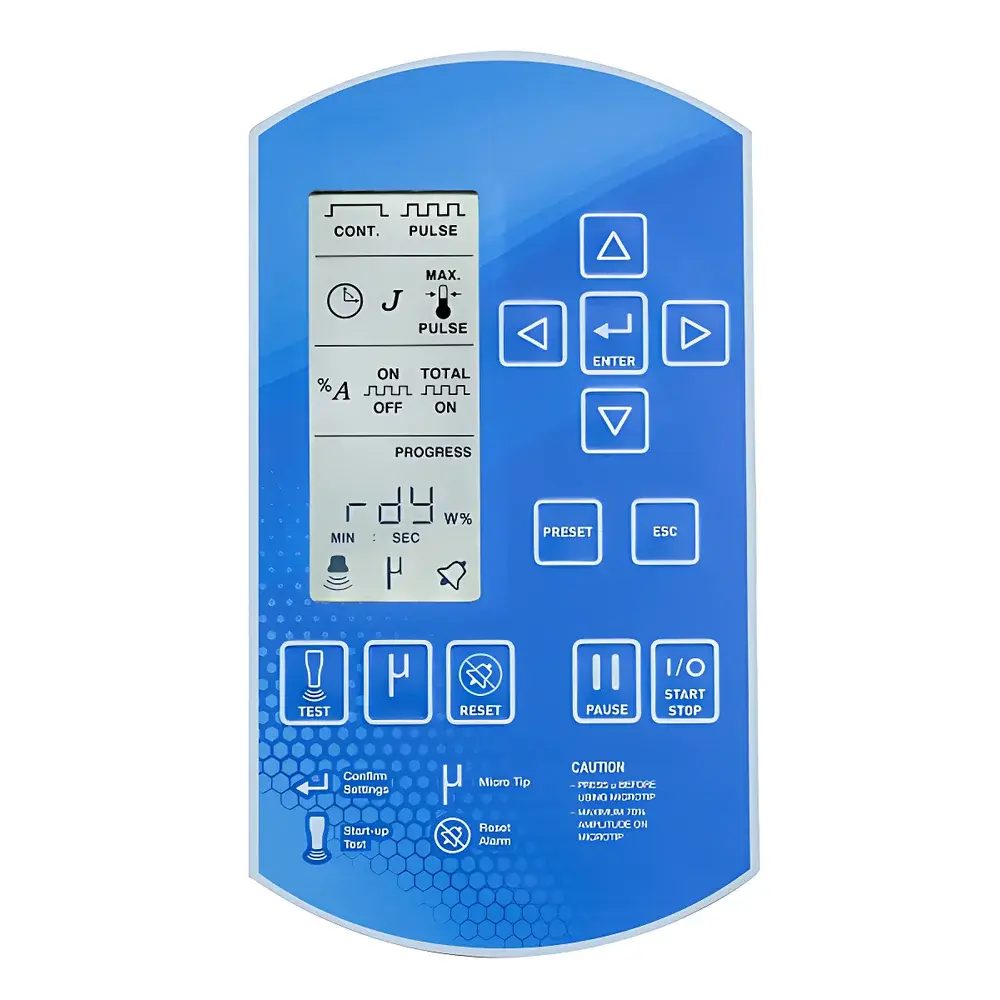
- Real-time monitoring of instantaneous power output, cumulative energy delivered (J), elapsed time, and sample temperature (when equipped)
- Automated progress calculation based on user-defined endpoint criteria (e.g., target energy or time threshold)
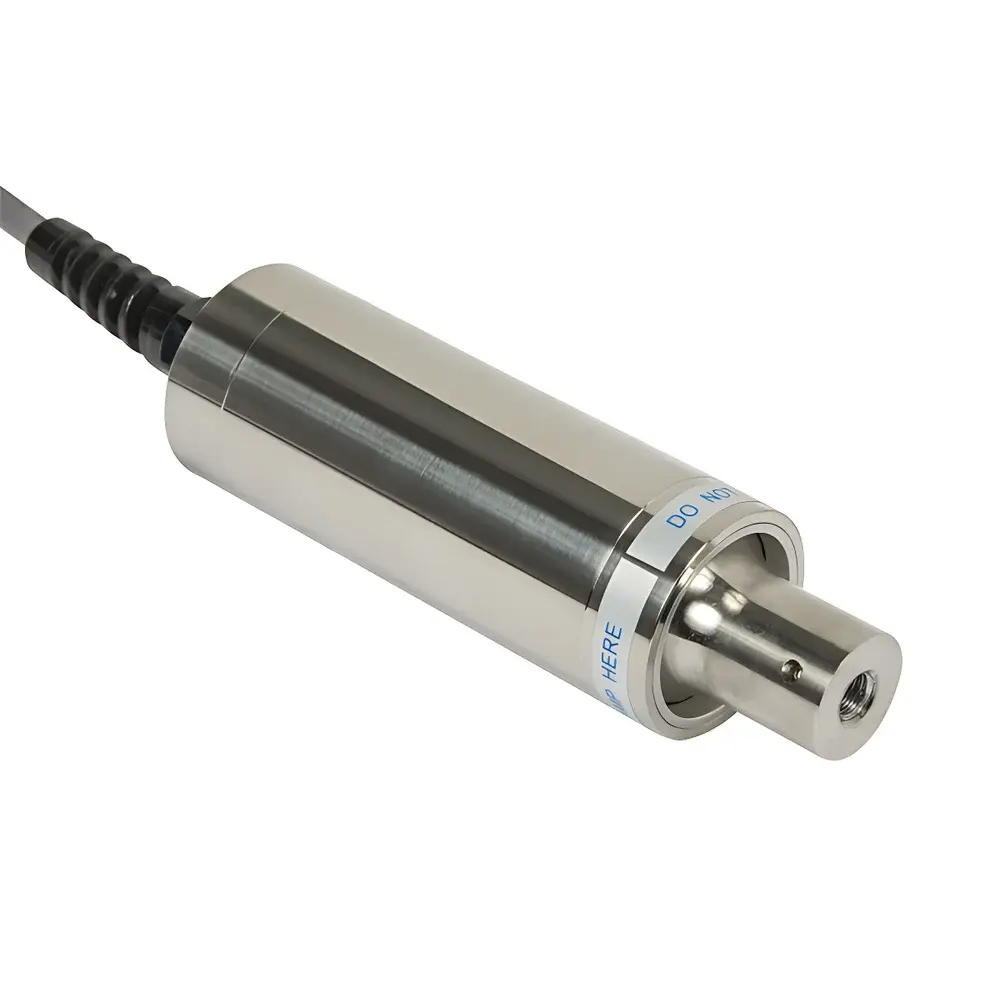
- High-efficiency vertical-mount transducer with >85% electroacoustic conversion efficiency; minimal self-heating eliminates need for external cooling
- 20 programmable method slots supporting full parameter recall—including amplitude, pulse duration, duty cycle, and mode selection—for rigorous inter-batch repeatability
- Intuitive membrane keypad interface with dynamic LCD display; all parameters visible at-a-glance with immediate tactile response
- Optimized 40 kHz operating frequency enabling effective disruption of low-volume samples (0.1–150 mL) without mandatory acoustic enclosure
- Microprobe-specific amplitude limiting function to reduce mechanical stress on 3 mm solid-tip titanium probes, extending service life and maintaining tip geometry integrity
Sample Compatibility & Compliance
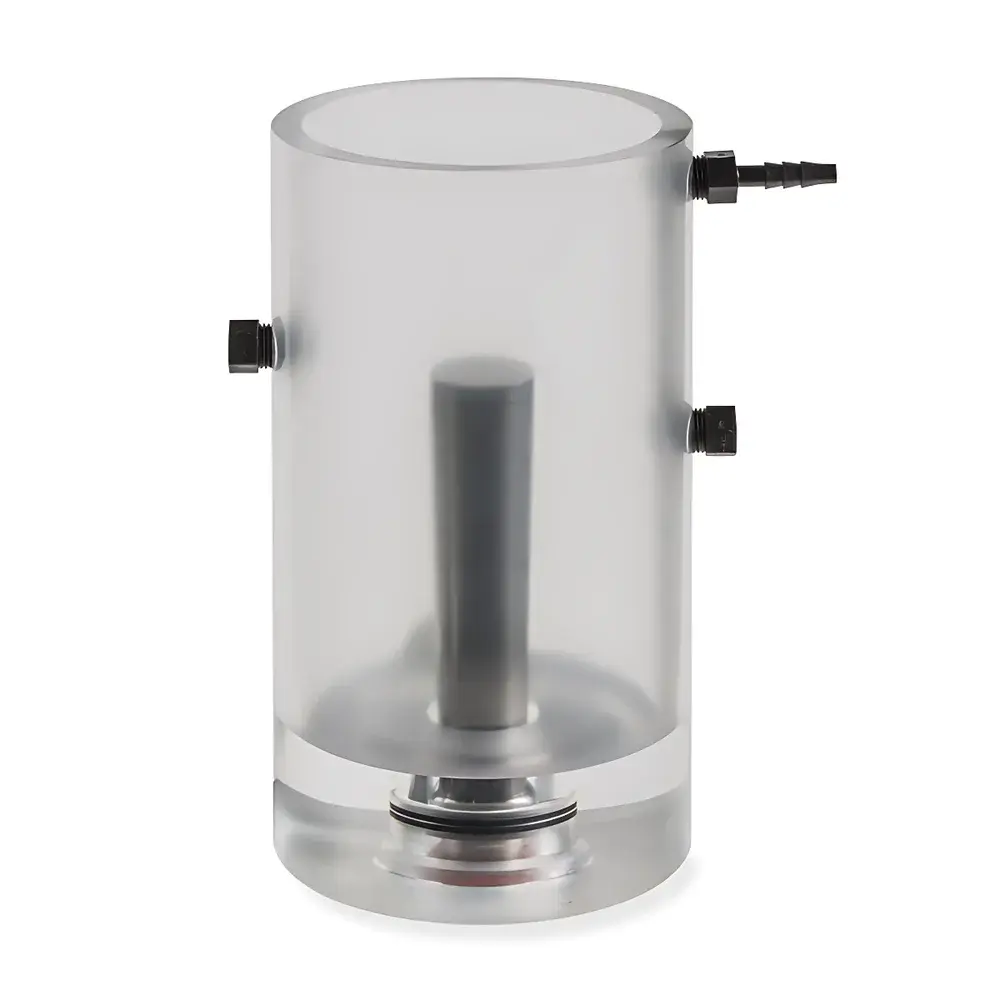
The SFX150 accommodates a broad spectrum of biological matrices—including bacterial cultures (E. coli, Bacillus spp.), yeast suspensions, mammalian cell lines (HEK293, CHO), tissue homogenates, and viral lysates—within its defined volume envelope. Its modular probe system supports interchangeability with Branson-certified accessories: 1/4″ (6 mm) and 1/2″ (13 mm) tapered probes for higher throughput, cup horns for sealed-vessel processing, and specialized microtips for microcentrifuge tube applications. The instrument complies with IEC 61010-1:2010 safety standards for laboratory electrical equipment and meets electromagnetic compatibility (EMC) requirements per EN 61326-1:2013. While not inherently 21 CFR Part 11 compliant, audit-trail-ready data export (via RS-232 or optional USB) enables integration into validated environments when paired with compliant LIMS or ELN platforms adhering to ALCOA+ principles.
Software & Data Management
Data acquisition occurs natively via the embedded controller, logging timestamped values for power (W), energy (J), temperature (°C), and elapsed time (s) at user-selectable intervals. Export is supported through ASCII-formatted text files readable by common analysis tools (Excel, GraphPad Prism, Python pandas). Optional PC connectivity permits remote parameter configuration and batch report generation. All 20 stored methods retain full metadata—including operator ID, date stamp, and revision history—supporting traceability in regulated settings. Firmware updates are performed via secure USB flash drive, with version verification and rollback capability to ensure continuity during method validation cycles.
Applications
- Preparative lysis of prokaryotic and eukaryotic cells prior to protein extraction or nucleic acid isolation
- Chromatin shearing for ChIP-seq and ATAC-seq library preparation
- Nanoparticle dispersion and deagglomeration in formulation development
- Emulsification of lipid-based drug delivery systems (e.g., liposomes, nanoemulsions)
- Disruption of biofilms for antimicrobial susceptibility testing
- Homogenization of plant tissues for metabolite profiling
- Cellular organelle isolation via differential centrifugation workflows
FAQ
Is the SFX150 suitable for GMP-regulated environments?
Yes—when deployed with documented SOPs, calibrated probes, and integrated into a validated data management system, it supports GMP-aligned sample preparation processes.
Can the SFX150 be used with cryogenic sample handling?
No—it is not rated for sub-zero ambient operation or direct contact with dry ice or liquid nitrogen; samples must remain above 0 °C during sonication.
What maintenance is required for long-term reliability?
Annual transducer impedance verification and probe tip inspection (for pitting or erosion) are recommended; no routine lubrication or internal calibration is needed.
Does the unit support external triggering or synchronization with other lab instruments?
Yes—via TTL-compatible input/output ports, enabling coordination with autosamplers or fraction collectors in automated workflows.
How does the temperature control mode function without active cooling?
It dynamically modulates pulse-on duration and duty cycle to maintain user-set temperature thresholds using predictive algorithms—not active refrigeration—making it ideal for short-duration, low-thermal-mass applications.





