
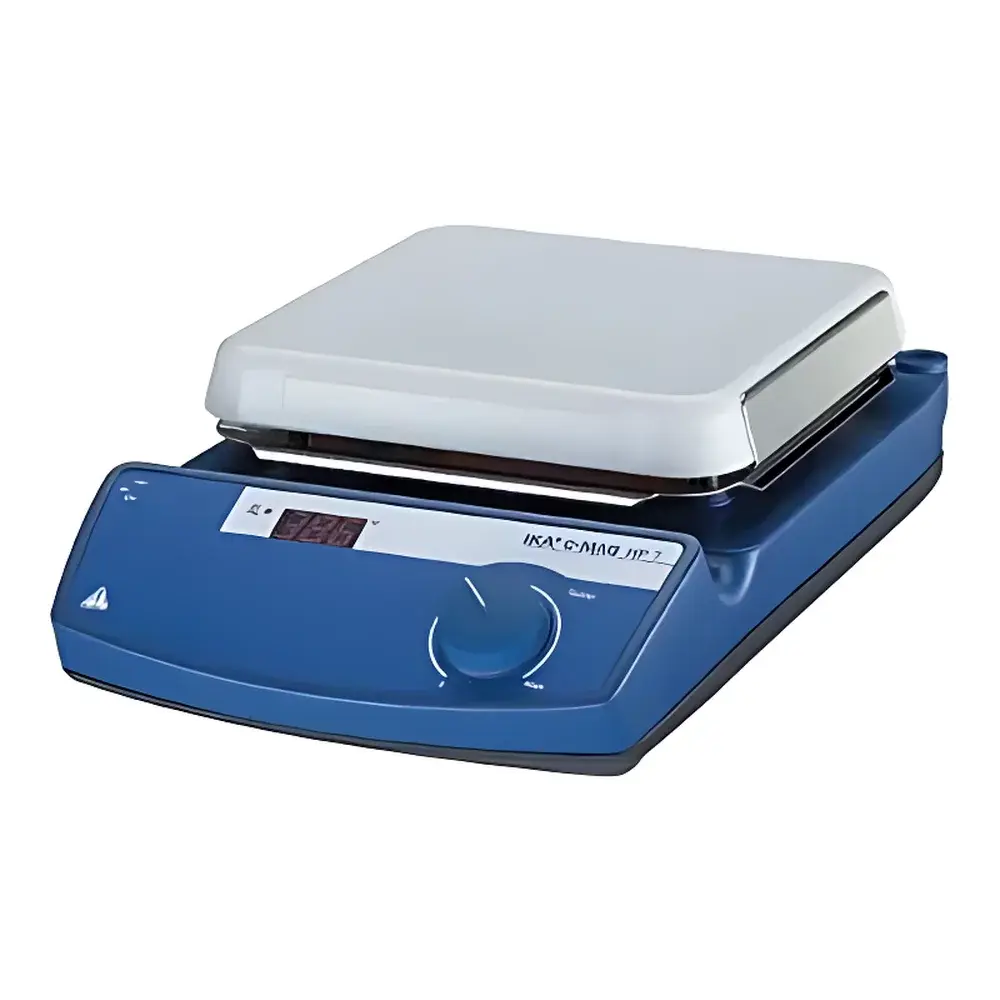
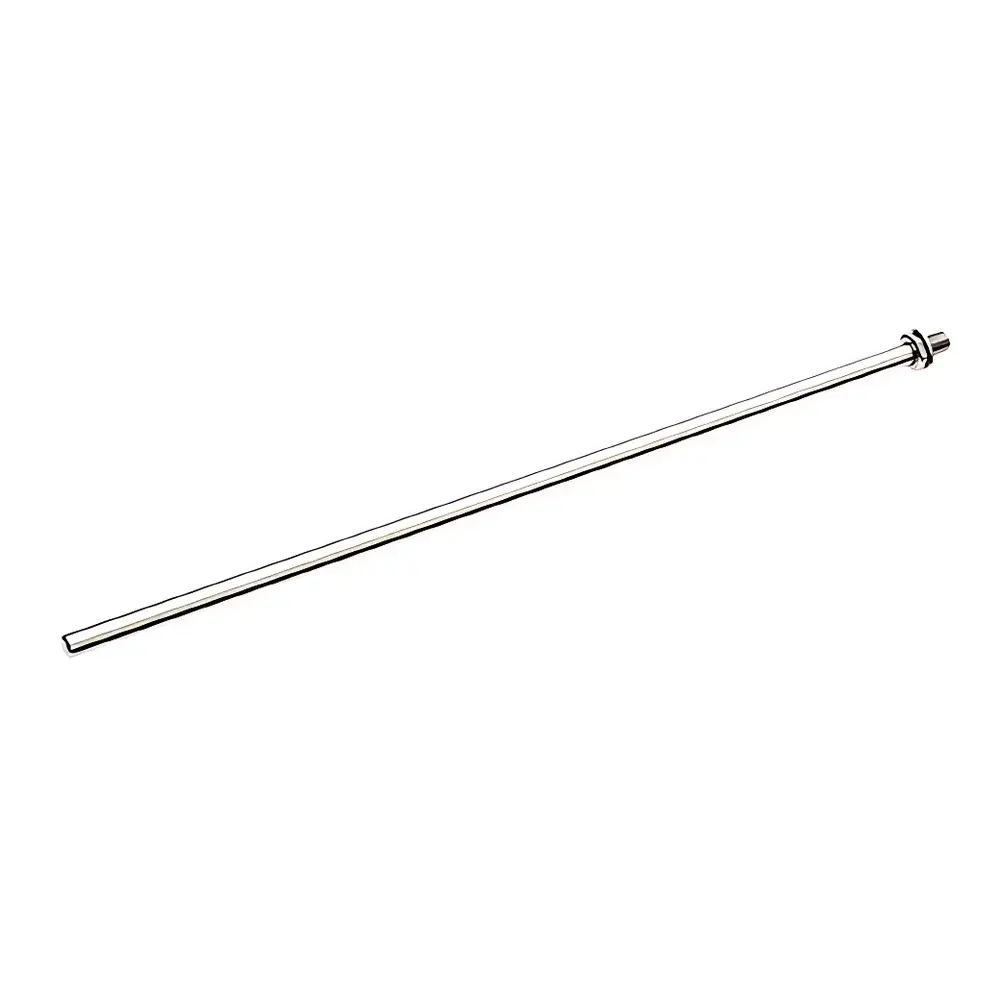
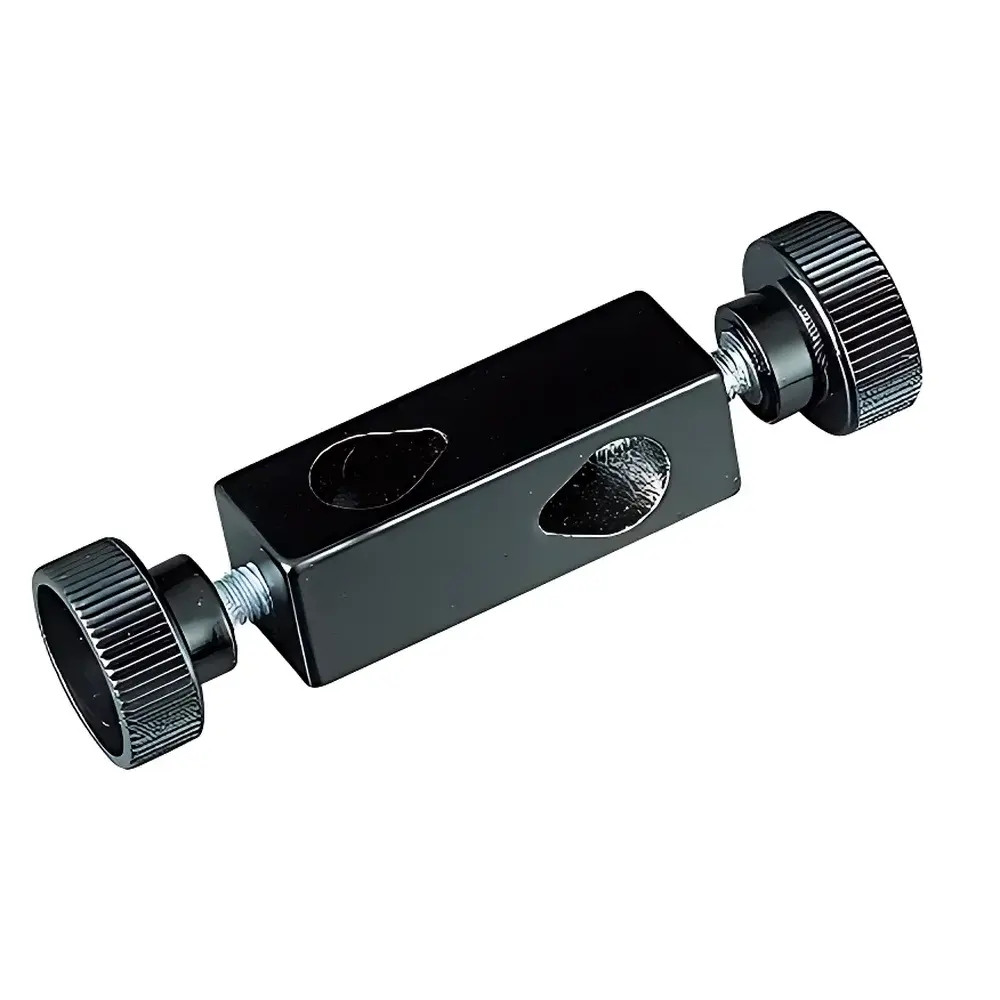
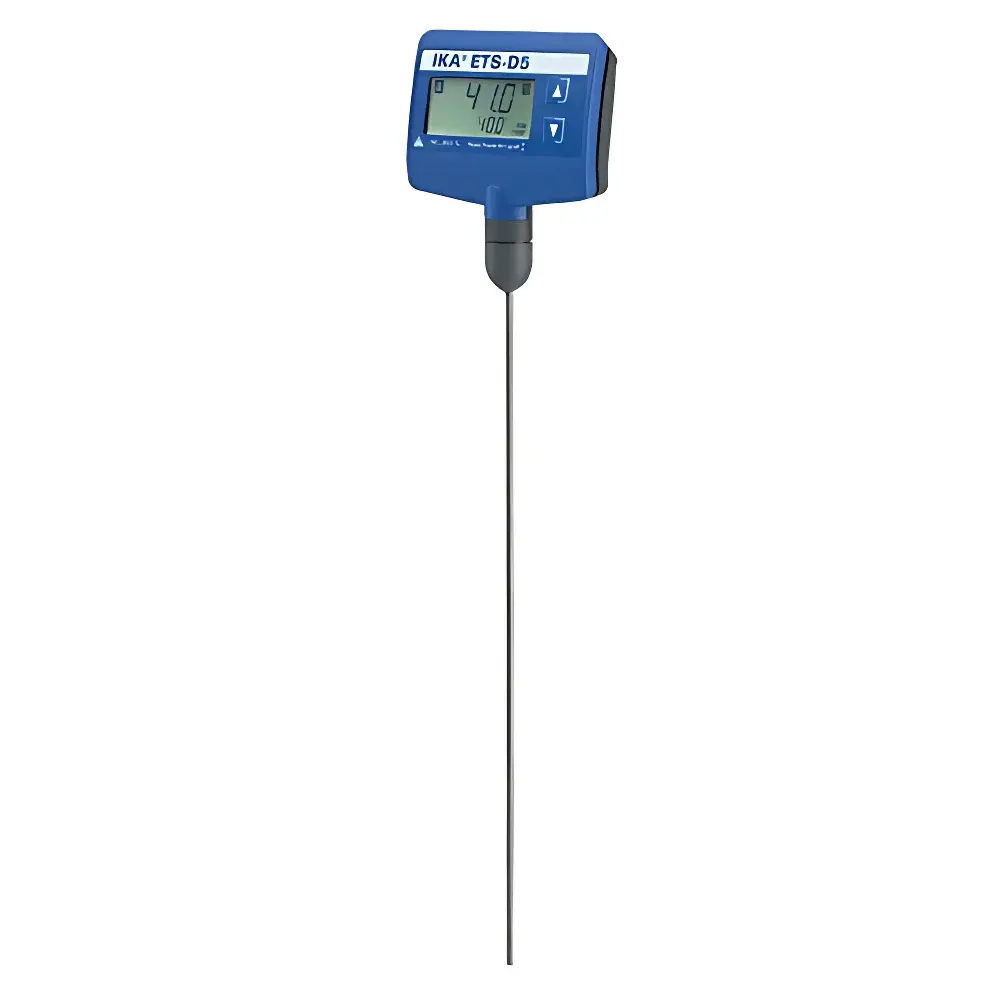
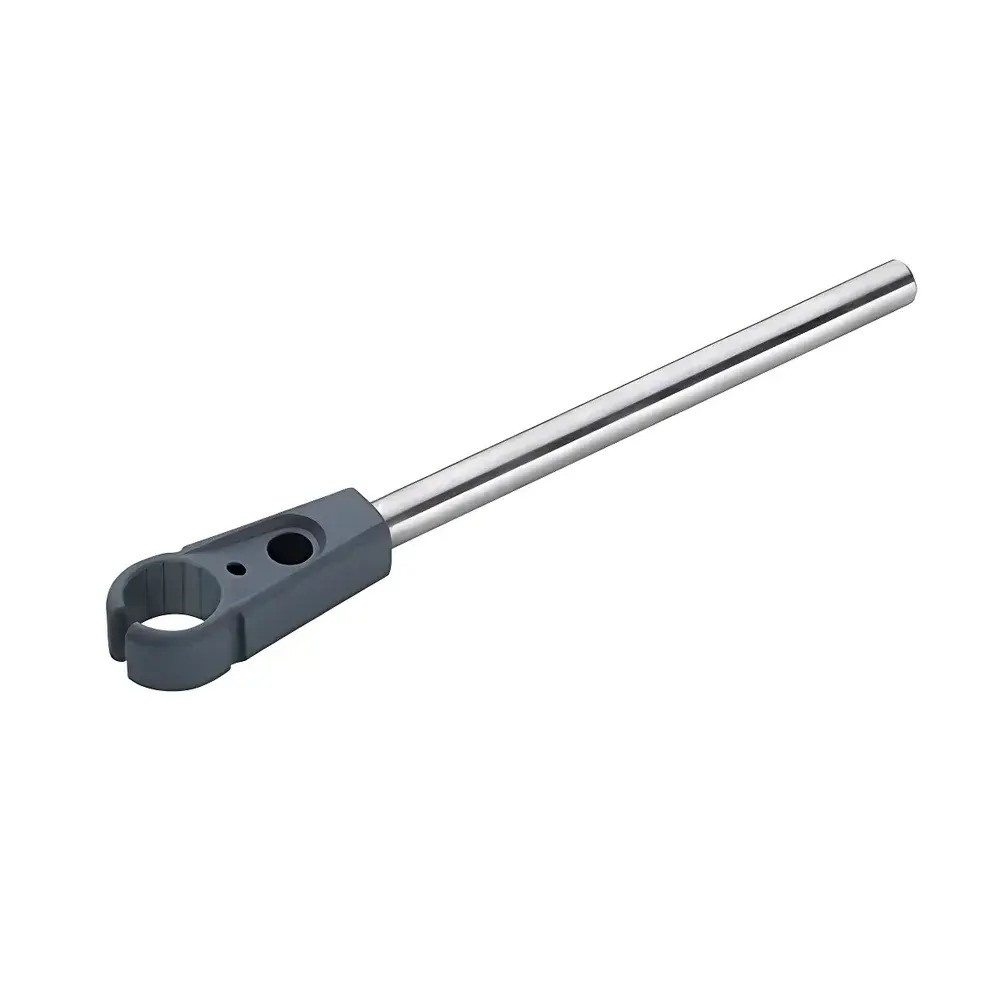
IKA C-MAG HP7 Electric Heating Plate
| Brand | IKA |
|---|---|
| Origin | Germany |
| Model | C-MAG HP7 |
| Heating Power | 1000 W |
| Temperature Range | 50–500 °C |
| Temperature Accuracy | ±3 K (with ETS-D5 sensor) |
| Plate Material | Seamless Ceramic |
| Plate Dimensions | 180 × 180 mm |
| Overall Dimensions | 220 × 105 × 330 mm |
| Weight | 5 kg |
| Protection Rating | IP21 |
| Voltage | 230 V, 50/60 Hz |
| Compliance | DIN EN 60529 |
Overview
The IKA C-MAG HP7 Electric Heating Plate is a precision-engineered laboratory heating device designed for reliable, uniform, and chemically inert thermal control in sample preparation, digestion, evaporation, and reaction support workflows. Built upon IKA’s decades-long expertise in thermal instrumentation for analytical and preparative laboratories, the HP7 operates on resistive heating principles integrated with microprocessor-based closed-loop temperature regulation. Its seamless ceramic top plate—chemically resistant to acids, bases, and organic solvents—ensures long-term stability under aggressive lab conditions. Unlike conventional metal-surface hotplates, the ceramic surface eliminates galvanic corrosion risks and enables rapid thermal response while maintaining high dimensional stability across repeated thermal cycling. The unit is engineered for continuous operation within ambient environments of 5–40 °C and relative humidity up to 80 %, conforming to DIN EN 60529 (IP21) for protection against vertically falling solid objects and limited ingress of moisture.
Key Features
- Single-zone ceramic heating surface (180 × 180 mm) with seamless construction for maximum chemical resistance and ease of decontamination
- Microprocessor-controlled temperature regulation with digital LED display for precise setpoint entry and real-time monitoring
- Dual safety architecture: fixed overtemperature cutoff at 550 °C and dynamic thermal fault detection with visual alarm (flashing LED indicator during active heating)
- Elevated control panel design minimizes risk of liquid splashes compromising interface integrity or readability
- Integrated external temperature sensor interface (ETS-D4/D5 compatible) enabling feedback-controlled bath or solution temperature regulation—not just surface temperature
- Stable thermal performance: ±3 K temperature accuracy (when used with ETS-D5 probe) and ±3 K medium temperature stability under steady-state conditions
- Rated heating power of 1000 W supports rapid warm-up; achieves ~5 K/min heating rate in 1 L water using standard H15 vessel geometry
Sample Compatibility & Compliance
The C-MAG HP7 accommodates a wide range of laboratory vessels—including borosilicate glass beakers, PTFE-coated flasks, quartz crucibles, and digestion tubes—without risk of surface degradation or cross-contamination. Its inert ceramic surface complies with ISO 8573-1 (purity class 4) requirements for non-shedding surfaces in cleanroom-adjacent applications. For regulated environments, the device supports GLP/GMP-aligned documentation when paired with validated temperature probes (e.g., calibrated Pt100 sensors traceable to NIST standards). While not inherently 21 CFR Part 11 compliant as a standalone instrument, its analog sensor interface allows integration into validated data acquisition systems meeting FDA regulatory expectations for audit trails and electronic signatures.
Software & Data Management
The C-MAG HP7 operates as a stand-alone analog-controlled instrument without embedded firmware-based data logging. However, it is fully compatible with third-party temperature recording systems via its standardized ETS-D4/D5 analog output port (0–10 V or 4–20 mA configurable). When connected to certified DAQ hardware and compliant software platforms (e.g., LabVIEW, WinCC OA, or ELN-integrated modules), users can achieve time-stamped temperature profiling, deviation alerts, and electronic record retention suitable for internal quality audits. Optional accessories—including the IKA ETS-D5 precision contact thermometer with ±0.2 K accuracy—enable traceable calibration verification per ISO/IEC 17025 guidelines.
Applications
- Controlled heating during acid digestion (e.g., EPA Method 3050B, ISO 11466) for heavy metal analysis in environmental and food matrices
- Preparative solvent evaporation prior to GC-MS or ICP-MS analysis
- Thermal conditioning of reagents and standards in pharmaceutical QC labs (USP <1058> compliant workflows)
- Support heating for gravimetric moisture determination (ASTM D2231, ISO 1189)
- Stabilized temperature maintenance during enzymatic or polymerase reactions where precise thermal hold is required
- Heating support for reflux setups, crystallization trials, and small-scale synthesis under inert atmosphere
FAQ
Is the C-MAG HP7 suitable for use with corrosive digestants such as aqua regia or hydrofluoric acid?
Yes—the monolithic ceramic plate exhibits exceptional resistance to concentrated mineral acids and halogenated solvents. However, direct HF exposure should be avoided unless using HF-rated containment vessels, as HF can etch silica-based ceramics over prolonged contact.
Can the unit maintain temperature setpoints during extended overnight runs?
Yes—its robust thermal insulation, PID-regulated power delivery, and redundant safety cutoffs enable unattended operation for up to 16 hours under typical load conditions, provided ambient airflow and vessel geometry permit stable thermal equilibrium.
What external temperature sensors are officially supported?
IKA certifies compatibility with the ETS-D4 (basic fuzzy logic control) and ETS-D5 (high-precision Pt100 probe, ±0.2 K accuracy) sensors. Third-party Pt100 or thermocouple inputs may function but void factory calibration validity.
Does the HP7 meet CE marking requirements for laboratory equipment?
Yes—it carries full CE marking under the EU Machinery Directive 2006/42/EC and EMC Directive 2014/30/EU, with technical documentation available upon request from authorized IKA distributors.
How often should the unit undergo preventive maintenance or recalibration?
Annual verification of temperature accuracy using a NIST-traceable reference thermometer is recommended. No routine internal servicing is required; cleaning with ethanol or mild detergent suffices for daily maintenance.
Related Products



