
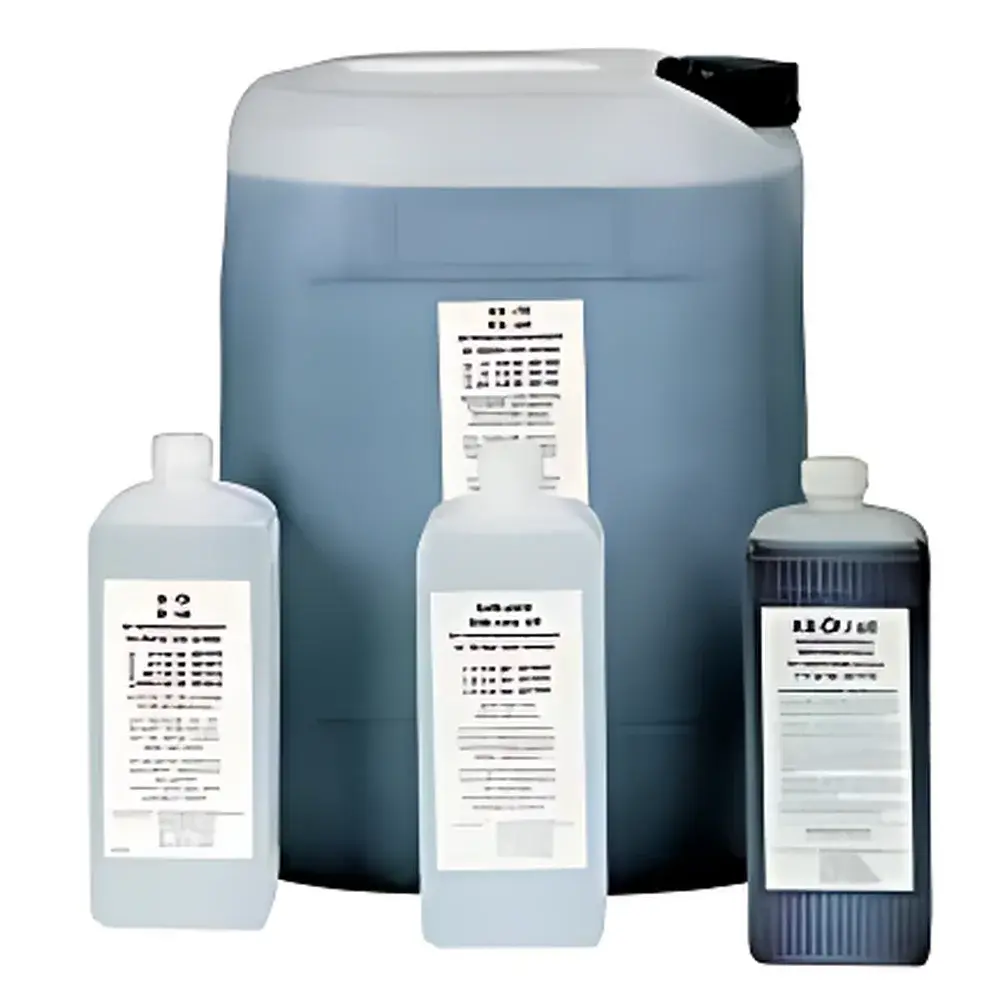
Vacuubrand® Prandtl Rotary Vane Pump Oil
| Brand | Vacuubrand® / Prandtl Vacuum® / Weibi® |
|---|---|
| Origin | Germany |
| Distributor Type | Authorized General Distributor |
| Origin Category | Imported |
| Model Variants | 1 L, 5 L, Type B |
| Instrument Type | Rotary Vane Vacuum Pump Oil |
| Product Type | Hydrocarbon-Based Synthetic Vacuum Oil |
| Vapor Pressure (20 °C) | <1 × 10⁻⁶ mbar |
| Kinematic Viscosity (40 °C) | ~22 mm²/s (cSt) |
| Flash Point | >200 °C |
| Oxidation Stability | ASTM D943 >3,000 h (TOST equivalent) |
| Density (20 °C) | ~0.87 g/cm³ |
| Packaging Dimensions | 100 × 100 × 60 mm (per 1 L can) |
| Net Weight | 0.89 kg/L |
Overview
Vacuubrand® Prandtl Type B Rotary Vane Pump Oil is a high-purity, synthetic hydrocarbon-based vacuum lubricant engineered specifically for continuous-duty operation in laboratory and industrial rotary vane vacuum pumps. Unlike conventional mineral oils, Type B oil is formulated to maintain structural integrity under thermal stress, chemical exposure, and extended operational cycles—critical for maintaining stable ultimate vacuum performance and minimizing pump wear. Its measurement principle is rooted in vapor pressure thermodynamics and boundary lubrication mechanics: low saturated vapor pressure ensures minimal backstreaming into the vacuum chamber, while optimized viscosity index supports consistent film thickness across operating temperatures (–10 °C to +80 °C). This oil serves as the factory-fill lubricant for Vacuubrand’s RE, RZ, and RC series rotary vane pumps and is certified compatible with ISO 2136-compliant vacuum system architectures.
Key Features
- Ultra-low vapor pressure (<1 × 10⁻⁶ mbar at 20 °C), reducing contamination risk in high-vacuum applications
- Exceptional oxidation resistance validated per ASTM D943 (Turbine Oil Oxidation Stability Test), supporting service intervals exceeding 1,500 operating hours under typical lab conditions
- Broad chemical compatibility—including resistance to hydrolysis, mild acids, and alkaline vapors—enabling safe use with reactive process gases (e.g., HCl, NH₃, SO₂)
- Controlled volatility profile prevents premature evaporation or coking in hot pump chambers (stator temperatures up to 95 °C)
- Non-corrosive formulation meets DIN 51506 VDL requirements for rust inhibition on ferrous pump components
- Free of silicone, halogens, and heavy metals—ensuring compliance with ISO 14644-1 Class 5 cleanroom environments when used in evacuated gloveboxes or deposition systems
Sample Compatibility & Compliance
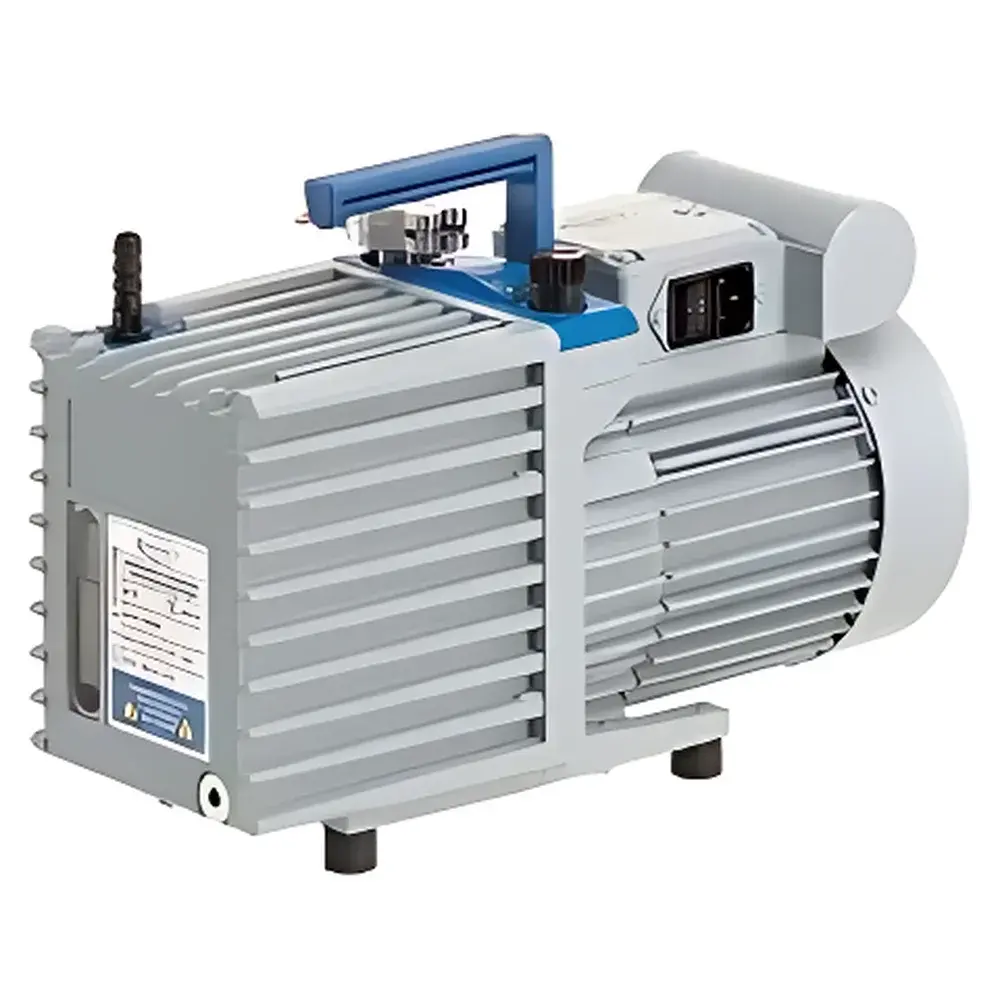
This oil is validated for use with all Vacuubrand RE, RZ, and RC rotary vane vacuum pumps, including models rated for ultimate pressures down to 5 × 10⁻³ mbar. It is not intended for diffusion pumps, turbomolecular pumps, or dry scroll compressors. The formulation complies with EU REACH Annex XVII restrictions on PAHs and SVHCs, and carries full traceability documentation per ISO 9001:2015 manufacturing controls. While not classified as “food-grade” (NSF H1), it meets USP extractables limits for non-implantable device manufacturing support systems. For GLP/GMP-regulated laboratories, batch-specific CoA (Certificate of Analysis) and CoC (Certificate of Conformance) are provided upon request.
Software & Data Management
As a consumable—not an instrument—Vacuubrand Type B pump oil does not interface with software or data acquisition systems. However, its usage is integral to vacuum system integrity monitoring protocols. When deployed in automated vacuum processes (e.g., connected to Vacuubrand’s VACUU·SELECT or CVC 3000 controllers), oil condition can be indirectly assessed via real-time parameters: increased base pressure drift (>10% over baseline), elevated motor current draw, or abnormal pump noise profiles may indicate oil degradation requiring scheduled replacement. Full maintenance logs—including oil change dates, batch numbers, and observed vacuum performance metrics—should be retained per FDA 21 CFR Part 11 guidelines where applicable.
Applications
- Primary fill and replenishment for RE/RC/RZ-series rotary vane pumps in analytical instrumentation (GC-MS, SEM sample preparation, lyophilizers)
- Vacuum drying ovens and desiccators handling moisture-sensitive pharmaceutical intermediates
- Thin-film deposition systems where hydrocarbon backstreaming must remain below 1 × 10⁻⁹ g/cm²·s
- Chemical synthesis under reduced pressure, especially involving acid chloride or anhydride reagents
- Environmental testing chambers requiring long-duration vacuum stability (e.g., ASTM D3951 packaging permeability studies)
- Calibration labs maintaining reference vacuum standards traceable to NIST SRM 2800 series
FAQ
What is the recommended oil change interval for Type B pump oil?
Under continuous operation at ambient temperatures ≤30 °C and moderate gas loads, replace every 1,000–1,500 hours. In aggressive chemical service (e.g., frequent acid vapor exposure), reduce interval to 500 hours and monitor base pressure recovery time.
Can Type B oil be mixed with other vacuum oils?
No. Mixing with mineral oils, silicone oils, or ester-based alternatives risks phase separation, additive incompatibility, and irreversible pump damage. Always perform full oil drain and flush with manufacturer-recommended solvent before switching formulations.
Is this oil suitable for cryogenic vacuum applications?
Type B oil remains fluid down to –10 °C but is not optimized for sub-zero cold traps or LN₂-cooled systems. For cryo-pumped applications, consult Vacuubrand’s dedicated low-temperature oil variants (e.g., Type C, –40 °C pour point).
Does this oil meet FDA or USP requirements for pharmaceutical use?
It is not NSF H1-certified or USP Class VI-rated. However, its low extractables profile and absence of leachable plasticizers make it acceptable for non-contact auxiliary vacuum roles in API synthesis suites under ICH Q5C and Q7A guidance.
How should spent oil be disposed?
Classify as hazardous waste per local regulations (EPA Waste Code D001 if ignitable; consult SDS Section 13). Do not discharge into drains or soil. Return to authorized Vacuubrand collection points or licensed hazardous waste processors.



