
Qsonica Q700 High-Performance Ultrasonic Sonicator
| Origin | USA |
|---|---|
| Manufacturer Type | Authorized Distributor |
| Origin Category | Imported |
| Model | Q700 |
| Instrument Type | Ultrasonic Cell Disruptor |
| Ultrasonic Power Output | 700 W |
| Operating Frequency | 20 kHz |
| Temperature Control | Automatic frequency tuning with overtemperature and overload protection |
| Sample Volume Capacity | 0.1 mL to 1 L (batch mode) |
| Sample Throughput | Single sample per cycle |
Overview
The Qsonica Q700 is a high-precision, digitally controlled ultrasonic sonicator engineered for reproducible cell disruption, nucleic acid shearing, protein extraction, and nanomaterial dispersion in research and quality control laboratories. Based on piezoelectric transduction at a fundamental frequency of 20 kHz, the system delivers controlled acoustic energy through direct probe coupling or flow-through configurations, enabling efficient cavitation-mediated lysis and homogenization. Its core architecture integrates real-time impedance monitoring, adaptive frequency tuning, and thermal management—ensuring consistent amplitude delivery across varying sample viscosities, temperatures, and volumes. Designed and manufactured in the United States under stringent ISO 13485-aligned production protocols, the Q700 meets UL 61010-1, CE (2014/30/EU & 2011/65/EU), CSA C22.2 No. 61010-1, and RoHS compliance requirements—making it suitable for GLP/GMP-regulated environments where instrument traceability and operational integrity are mandatory.
Key Features
- Digital touchscreen interface (7-inch capacitive display) with intuitive navigation, multilingual support, and contextual on-screen guidance
- Precise amplitude control from 0% to 100% in 0.1% increments—calibrated against probe geometry and load conditions
- Real-time monitoring of output power, instantaneous amplitude, transducer temperature, cumulative energy delivered (J), and program progress
- Programmable multi-step protocols (up to 99 steps per method) with independent control of amplitude, duration, pulse-on/off ratio, and cooling intervals
- Automatic frequency tuning algorithm that dynamically adjusts drive frequency to maintain resonance under changing thermal and mechanical loads
- Integrated safety systems including overtemperature cutoff, current-limiting overload protection, and fault-code diagnostics with actionable troubleshooting prompts
- Energy-efficient design reduces internal heat generation by >30% versus analog predecessors—extending transducer and electronics service life
- Comprehensive probe ecosystem supporting batch, microvolume, high-intensity, and flow-through processing modes
Sample Compatibility & Compliance
The Q700 accommodates diverse biological and chemical matrices—from low-volume mammalian cell suspensions (0.1 mL) to high-throughput bacterial lysates (1 L batch) and continuous-flow processing (0.5–20 L/min). Optional flow cells (e.g., model 4583 with jacketed cooling) enable temperature-sensitive applications such as chromatin immunoprecipitation (ChIP) and RNA fragmentation. Probe selection—including standard tapered probes (13 mm), microtip assemblies (e.g., 4220 series), high-amplitude boosters, and non-contact horn-coupled chambers (e.g., 431MPX)—ensures compatibility with hazardous, viscous, or cross-contamination-sensitive samples. All configurations comply with biosafety level 2 (BSL-2) containment best practices when used with certified acoustic enclosures (e.g., 432B universal shield).
Software & Data Management
While the Q700 operates as a standalone instrument, its embedded firmware supports audit-trail-capable operation per FDA 21 CFR Part 11 guidelines when integrated with validated laboratory information management systems (LIMS) via RS-232 or optional Ethernet module. Method parameters, execution logs, energy metrics, and diagnostic events are timestamped and stored internally (1000+ method records). Export functionality enables CSV-formatted data transfer for statistical process control (SPC), SOP validation, and regulatory submission packages. Firmware updates are performed via USB—documented in change-control logs aligned with ISO/IEC 17025 quality assurance frameworks.
Applications
- Cell lysis for protein and nucleic acid isolation (E. coli, yeast, mammalian, plant tissues)
- Chromatin shearing in ChIP-seq and ATAC-seq workflows
- Preparation of submicron emulsions and nanoparticle dispersions
- Homogenization of tissue biopsies and environmental samples (soil, sludge)
- Catalyst activation and sonochemical synthesis
- Disaggregation of amyloid fibrils and inclusion bodies
- Standardized sample prep for LC-MS, NGS library construction, and ELISA quantification
FAQ
What probe sizes and configurations are supported?
The Q700 accepts all Qsonica-compatible probes—including 3mm, 6mm, 13mm, and 19mm diameter tapered tips; microtip assemblies (4220/4422 series); high-gain boosters (4498); flow cells (4583, 4590); and non-contact horns (431MPX). Probe compatibility is verified via mechanical keying and firmware handshake.
Does the Q700 support external temperature monitoring?
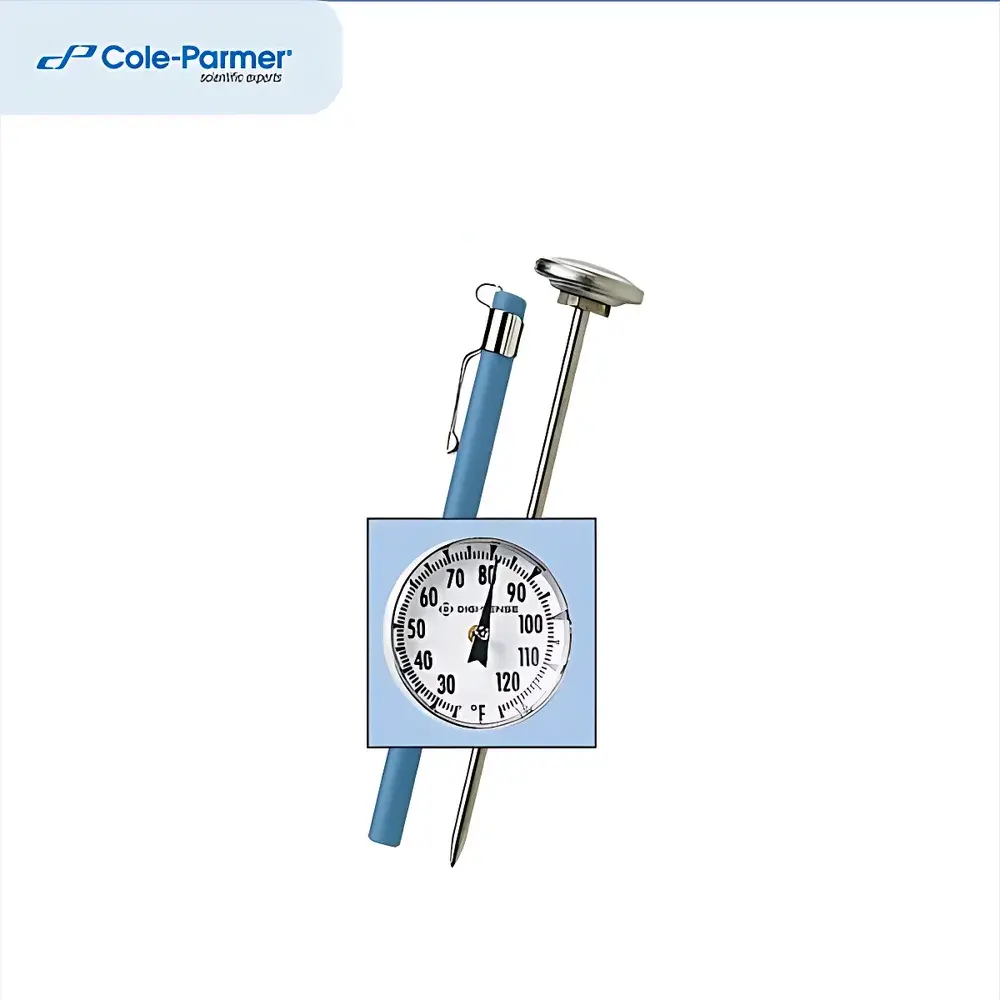
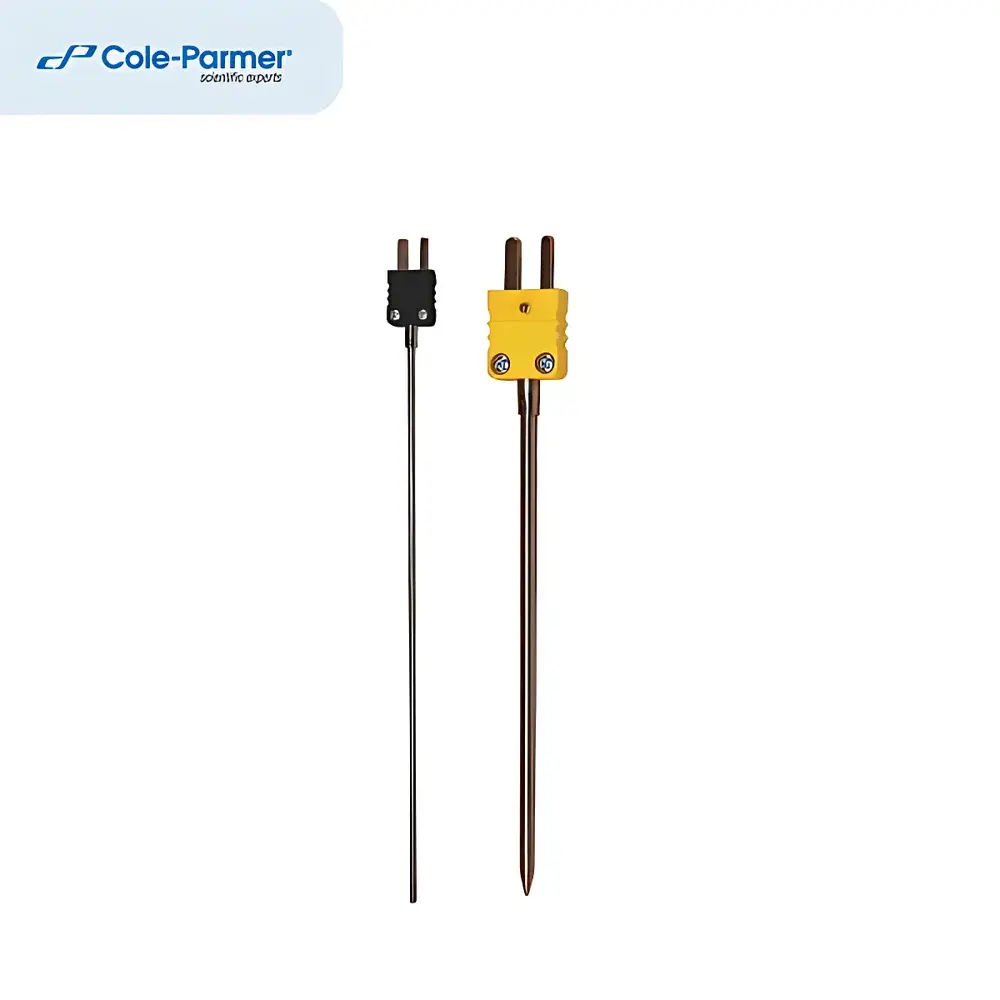
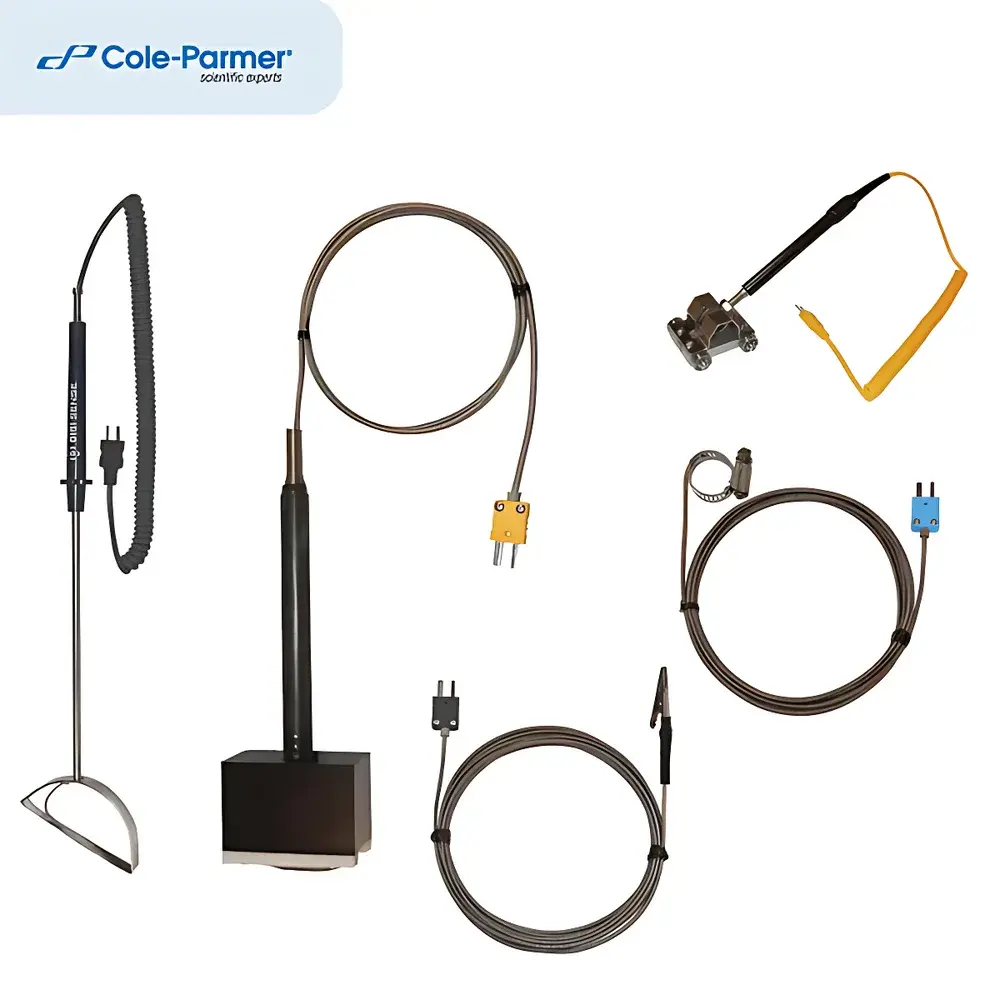
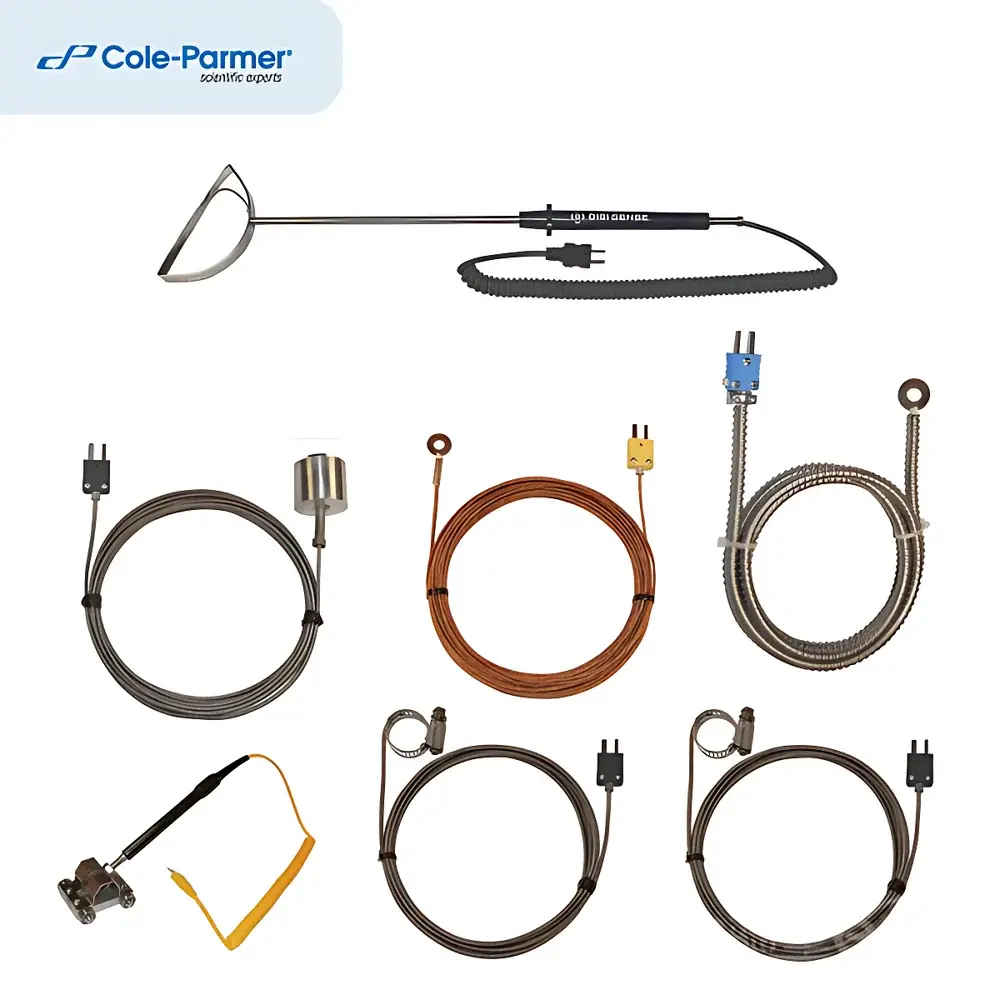
Yes—via optional PT100 or thermocouple input (model 4595 sensor interface), enabling closed-loop temperature regulation during extended sonication cycles.
Can methods be exported for regulatory review?
All executed methods generate timestamped logs containing amplitude setpoint, actual power output, duration, energy (J), and thermal status—exportable in CSV format for audit and validation.
Is remote operation or network integration possible?
RS-232 serial communication is standard; Ethernet and USB-to-host connectivity are available via optional modules—supporting integration into automated lab platforms and centralized instrument management systems.
What maintenance is required for long-term reliability?
Routine inspection of probe threads and horn integrity is recommended every 200 hours; transducer recalibration is advised annually or after 1000 hours of cumulative operation—per Qsonica Service Bulletin SB-Q700-03.
Related Products




