
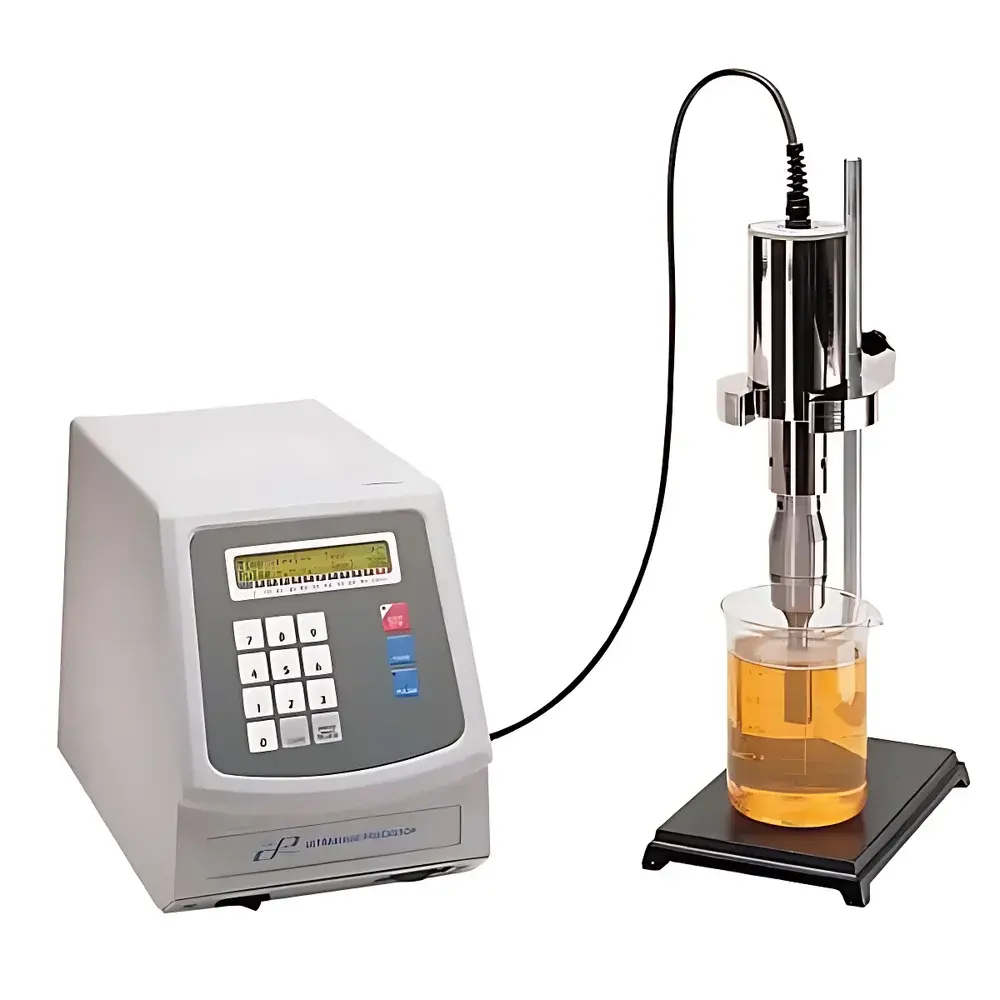
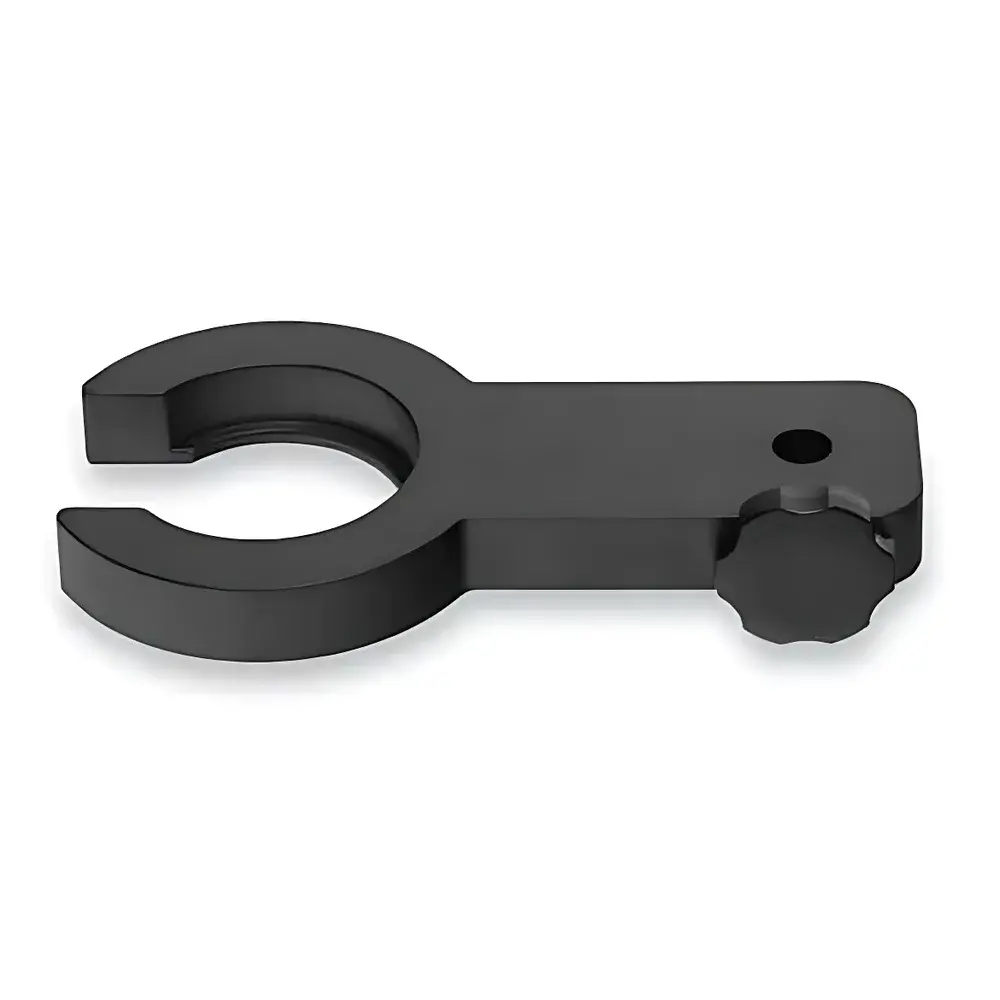
Cole-Parmer Ultrasonic Homogenizer (500 W / 750 W) – Model 04711-75
| Brand | Cole-Parmer |
|---|---|
| Origin | USA |
| Manufacturer Type | Authorized Distributor |
| Product Category | Imported Instrument |
| Instrument Type | Ultrasonic Cell Disruptor |
| Sample Applicability | Hard & Tough Samples |
| Output Particle Size | 0.01–0.5 mm |
| Power Output | 500 W or 750 W @ 20 kHz |
| Probe Material | Ti-6Al-4V Titanium Alloy |
| Control System | Microprocessor-Based with Digital Energy Monitoring (Joules), Real-Time Power Display (W), Variable Amplitude Control, Automatic Amplitude Compensation |
| Pulse Mode | Adjustable On/Off Cycles (1–59 s) |
| Timer Range | 1 s – 10 h |
| Overload Protection | Sealed Transducer Housing with Moisture, Dust, and Corrosive Gas Resistance |
| Dimensions (W×H×D) | 22 × 19 × 35 cm |
| Weight | 11.5 kg |
| Input Power | 220 V, 50/60 Hz |
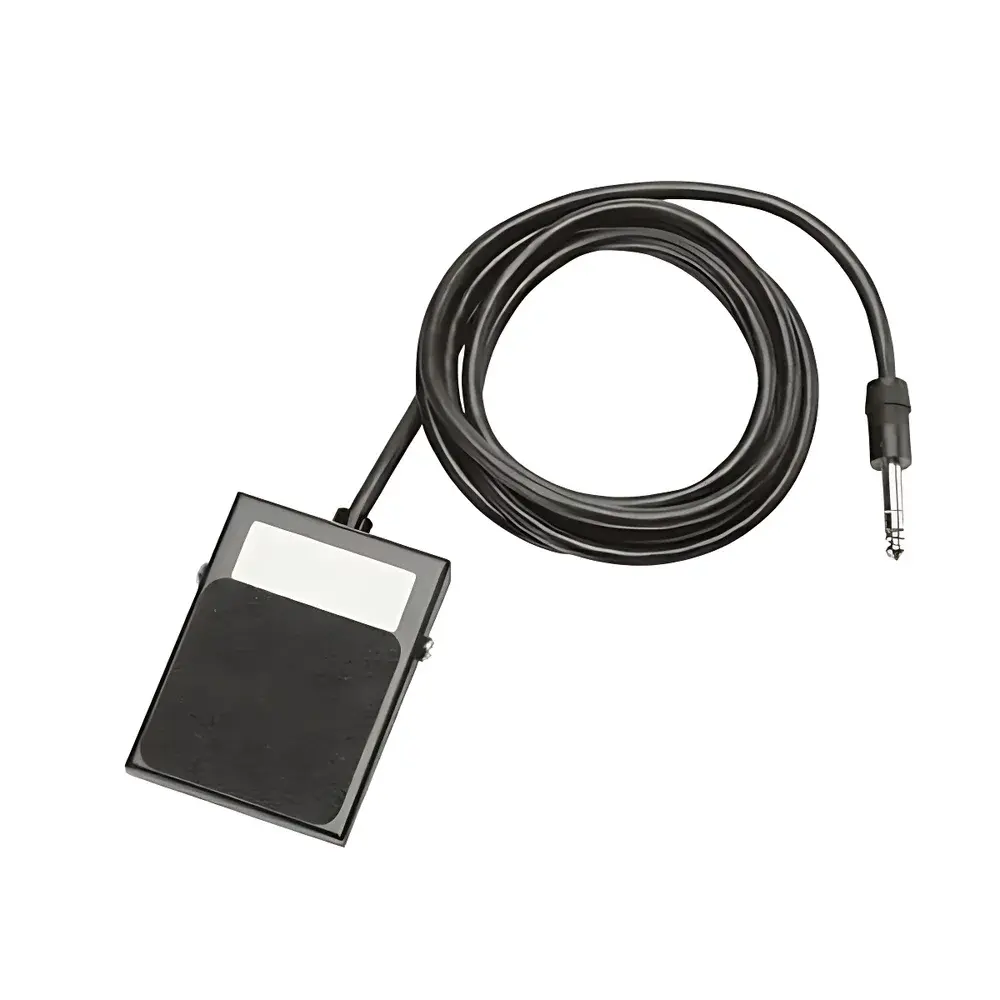
| Standard Configuration | Transducer, Tool Kit, Footswitch Connector, 13 mm Diameter Probe, Power Cord |
Overview
The Cole-Parmer Ultrasonic Homogenizer (Model 04711-75) is a high-intensity, benchtop ultrasonic cell disruptor engineered for reproducible sample preparation across life science, materials science, and analytical chemistry laboratories. Operating at a fixed frequency of 20 kHz, the system utilizes piezoelectric transduction to convert electrical energy into mechanical oscillation, transmitted through a titanium alloy (Ti-6Al-4V) probe. This vibration induces controlled acoustic cavitation in the liquid medium—generating transient microbubbles that grow and collapse violently near the probe tip, producing localized shear forces exceeding 10⁴ Pa and microstreaming velocities up to several meters per second. These physical effects enable efficient lysis of eukaryotic and prokaryotic cells, disruption of spores and tissue fragments, emulsification of immiscible phases, dispersion of nanoparticles, solubilization of recalcitrant compounds, and acceleration of heterogeneous reaction kinetics. Unlike rotor-stator homogenizers or bead mills, ultrasonic homogenization delivers non-thermal, contact-free energy transfer at the molecular scale—making it particularly suitable for thermolabile biomolecules, subcellular organelle isolation, and nanomaterial synthesis where structural integrity must be preserved.
Key Features
- Two selectable power outputs: 500 W (Model 04711-75) or 750 W (Model 04711-65), both operating at 20 kHz nominal frequency for consistent cavitation intensity.
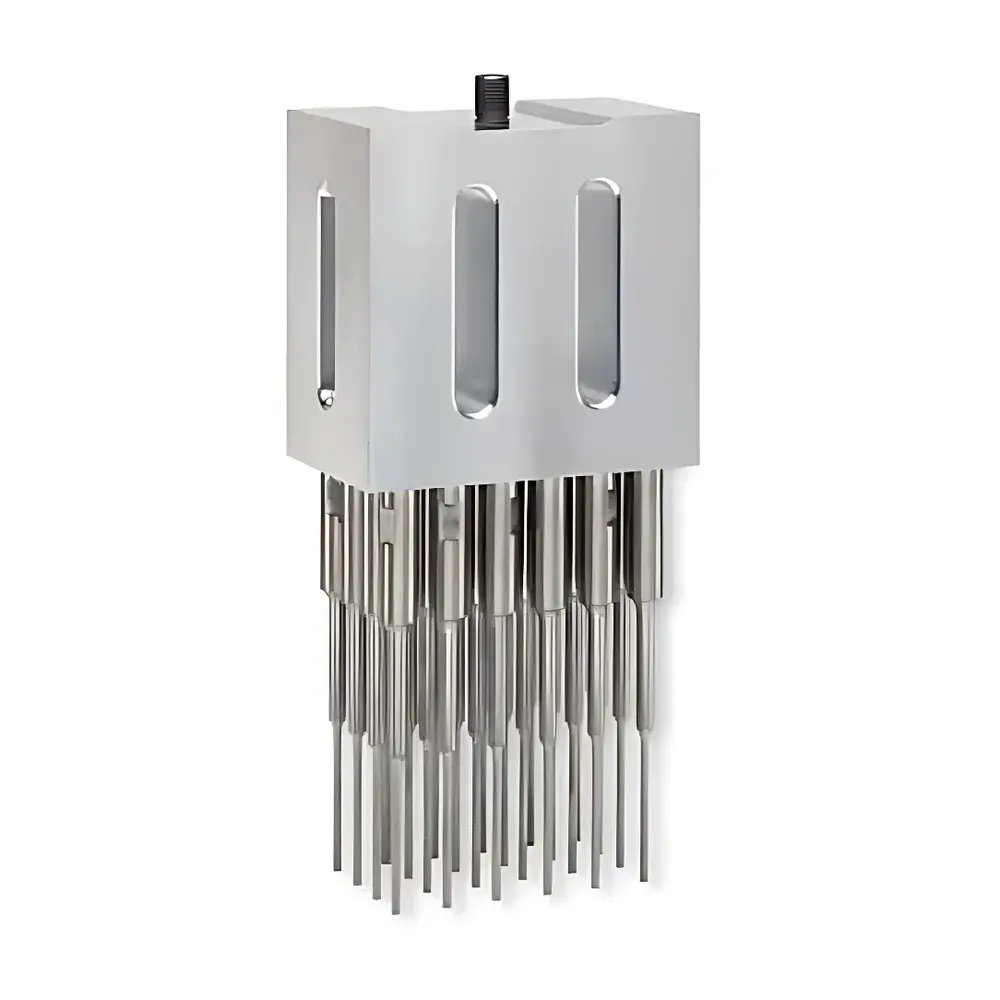
- Ti-6Al-4V titanium alloy probes—chemically inert, fatigue-resistant, and compatible with autoclaving (121 °C, 15 psi, 20 min); available in diameters from 3 mm to 25 mm, supporting sample volumes from 0.25 mL to 1 L.
- Microprocessor-controlled interface with real-time digital display of delivered energy (J), instantaneous power (W), and amplitude (%), visualized via dual numeric readout and dynamic bar graph.
- Automatic amplitude compensation ensures stable tip displacement regardless of load impedance changes—critical for reproducible lysis efficiency across viscous or particulate-laden suspensions.
- Dual-mode operation: continuous output for rapid processing; programmable pulse mode (1–59 s on/off cycles) to minimize thermal accumulation in temperature-sensitive samples such as enzymes, antibodies, or RNA.
- Integrated timer with 1-second resolution and 10-hour maximum duration supports unattended batch processing and GLP-compliant method documentation.
- Hermetically sealed transducer housing provides IP54-level protection against moisture ingress, dust, aerosols, and corrosive vapors—enhancing operational reliability in shared core facilities and QA/QC labs.
Sample Compatibility & Compliance
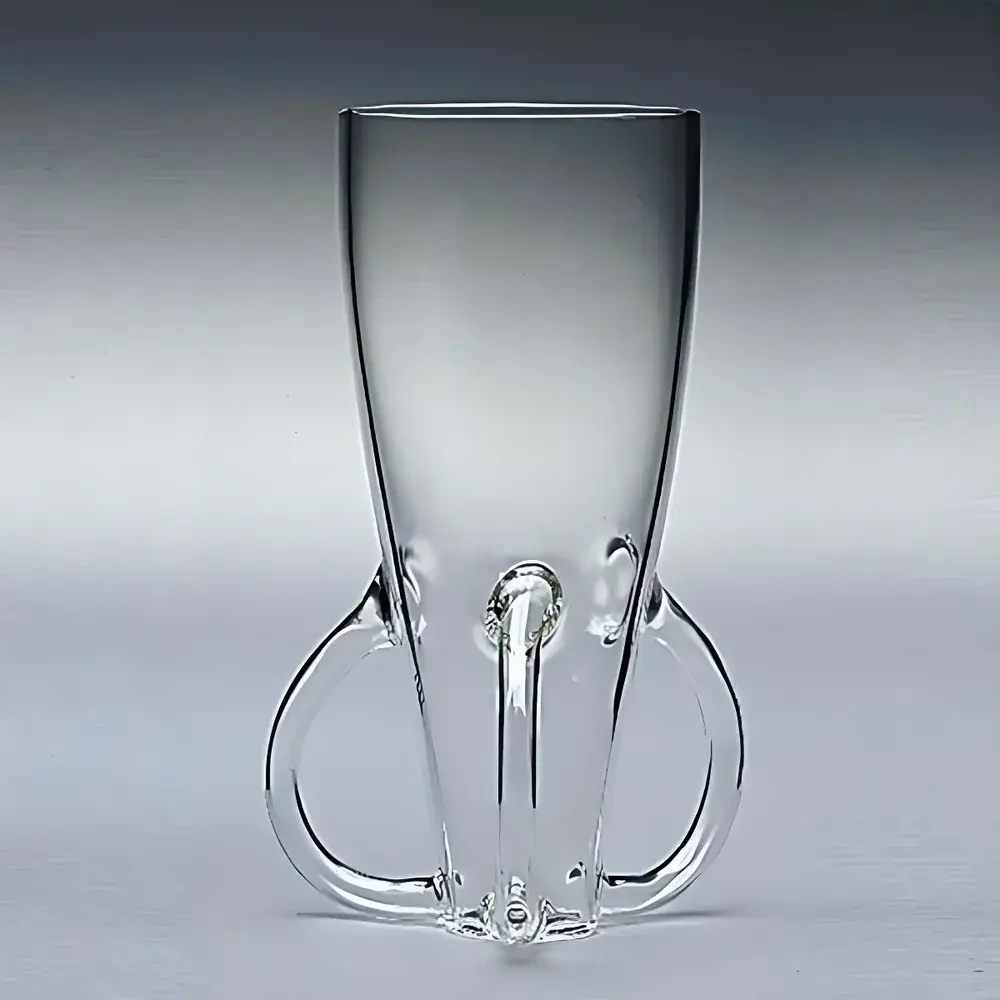
The system accommodates a broad spectrum of sample types—including mammalian cells, bacterial cultures, yeast, plant tissues, soil extracts, polymer dispersions, and colloidal suspensions—with validated performance for ISO 13320 (laser diffraction particle sizing) sample pretreatment and ASTM D7807 (nanoparticle dispersion stability testing). Probes are certified to meet USP particulate matter requirements when used with sterile, pyrogen-free consumables. Optional accessories—including the 04710-38 microtip cup (for biosafety-level 2/3 containment), 04710-89 chilled circulation bath (−10 °C to +40 °C), and 04710-94 aluminum probe holder—enable compliance with CLIA, GLP, and GMP workflows. All electronic controls conform to IEC 61000-4 electromagnetic compatibility standards and carry CE marking per Directive 2014/30/EU.
Software & Data Management
While the base unit operates via front-panel controls, optional integration with Cole-Parmer’s LabConnect™ software (v3.2+) enables remote parameter configuration, real-time data logging (power, energy, time, amplitude), and CSV export for audit-ready traceability. The system supports 21 CFR Part 11–compliant user authentication, electronic signatures, and immutable audit trails when deployed with validated networked workstations. Built-in memory stores up to 10 preprogrammed protocols—including ramp-up profiles, multi-step pulsing sequences, and temperature-triggered shutdown (when paired with 04711-50 CSA-certified temperature probe)—ensuring method standardization across operators and shifts.
Applications
- Cell lysis and nuclear extraction for proteomics and transcriptomics workflows.
- Preparation of antigenic lysates for ELISA and Western blotting.
- Nanoparticle deagglomeration and stabilization in pharmaceutical suspension formulations.
- Extraction of intracellular metabolites under non-denaturing conditions.
- Homogenization of fibrous plant material prior to lignin quantification (TAPPI T 222 om-15).
- Emulsification of silicone oils and fluorinated surfactants in cosmetic R&D.
- Dispersion of carbon nanotubes and graphene oxide in aqueous and organic media.
- Accelerated solvent extraction (ASE) of polycyclic aromatic hydrocarbons (PAHs) from environmental sediment per EPA Method 3540C.
FAQ
What is the difference between the 500 W and 750 W models?
The 750 W variant (e.g., 04711-65) delivers higher acoustic power density at the probe tip, enabling faster processing of high-viscosity or highly resistant samples (e.g., Gram-positive bacteria, fungal mycelia, or crosslinked hydrogels) without requiring extended dwell times.
Can this instrument be used for sterilization or DNA shearing?
No—it is not designed for microbial inactivation or controlled DNA fragmentation; excessive ultrasonic exposure causes random strand scission and protein denaturation. For reproducible DNA shearing, dedicated focused-ultrasonicator systems with calibrated peak incident power and thermal management are recommended.
Is probe calibration required before use?
No routine calibration is mandated; however, annual verification of amplitude linearity and energy delivery accuracy using NIST-traceable acoustic power meters (e.g., Onda MHP series) is advised for ISO/IEC 17025-accredited laboratories.
How do I prevent probe erosion during prolonged operation?
Use appropriate duty cycles (≤70% on-time in pulse mode), maintain probe immersion depth ≥10 mm below liquid surface, avoid contact with container walls, and inspect tip geometry visually after every 50 hours of cumulative use.
Are replacement probes and spare parts available globally?
Yes—Cole-Parmer maintains a centralized inventory of all titanium probes, transducers, footswitches, and cooling accessories with lead times under 5 business days for most regions; OEM service centers support field calibration and transducer refurbishment.



