
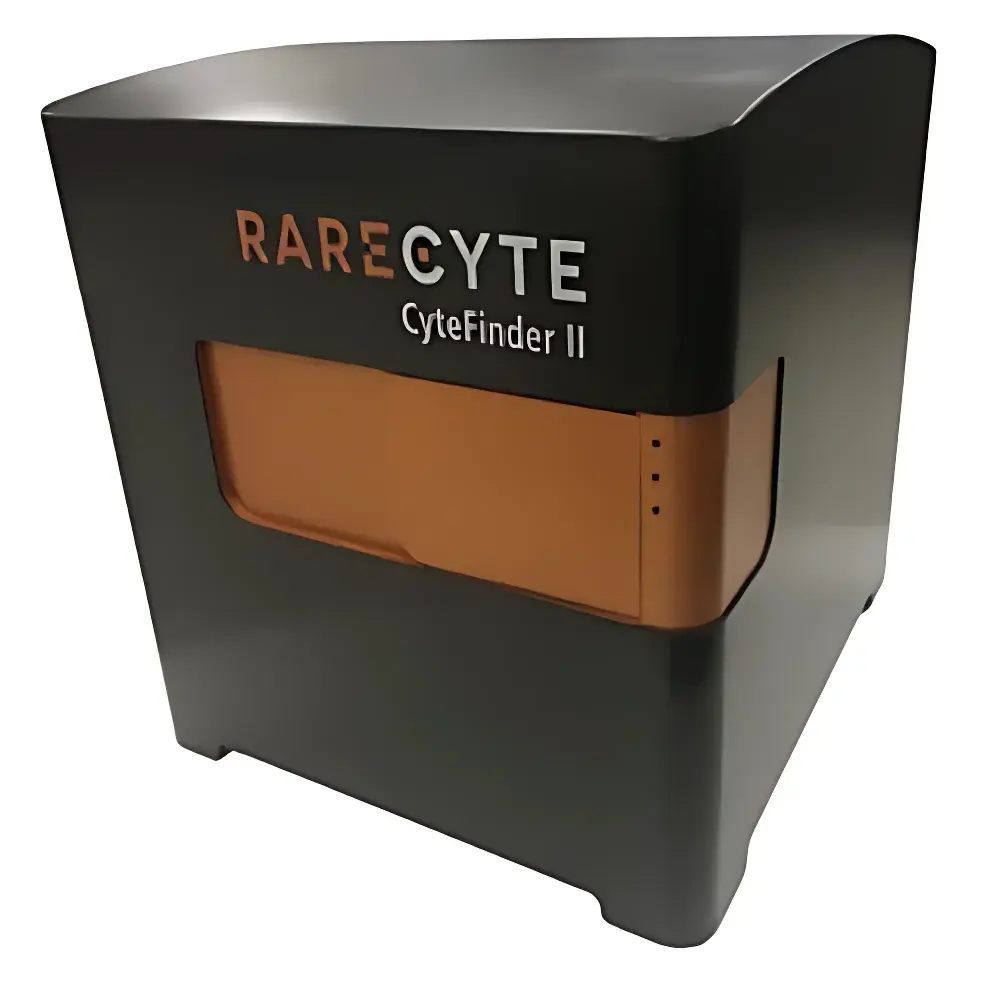
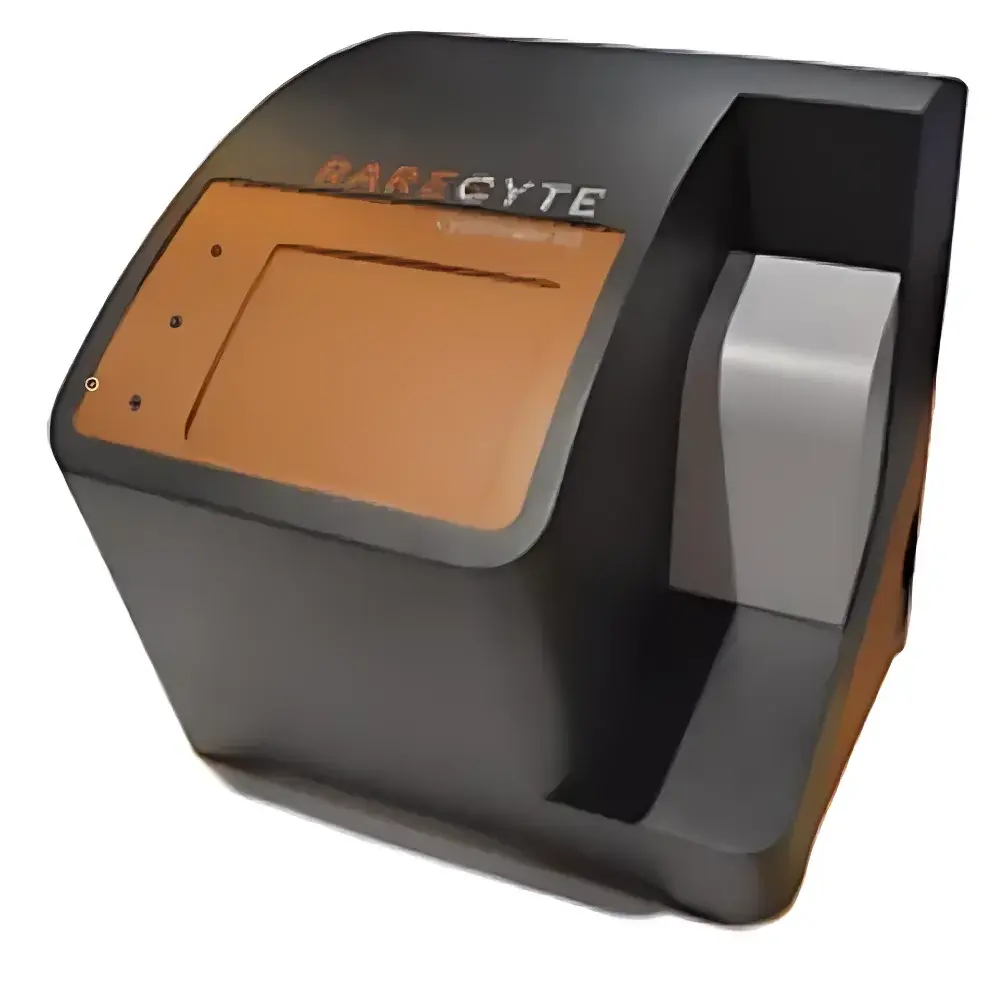
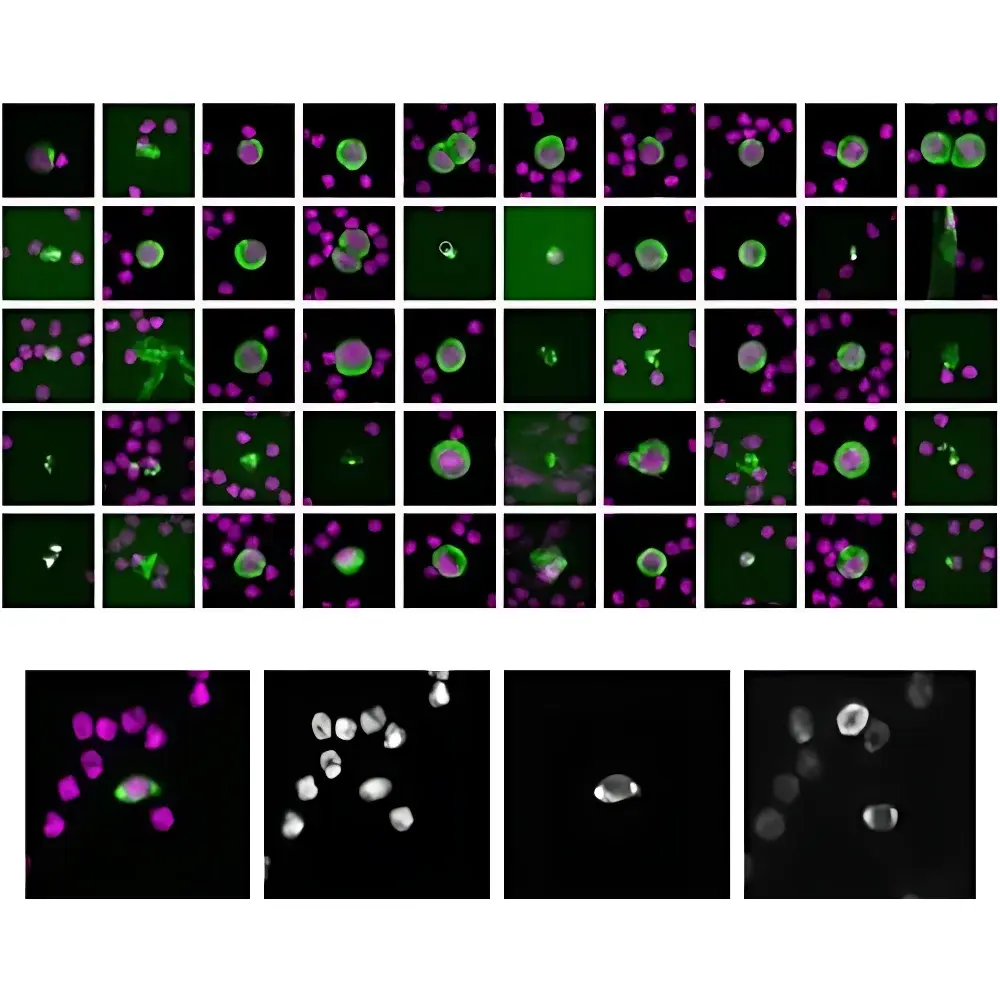
RareCyte CyteFinder II Rare Cell Phenotyping and Single-Cell Extraction System
| Origin | USA |
|---|---|
| Manufacturer Type | Authorized Distributor |
| Import Status | Imported |
| Model | CyteFinder II |
| Pricing | Available Upon Request |
Overview
The RareCyte CyteFinder II is a fully integrated, high-throughput rare cell phenotyping and single-cell extraction platform engineered for precision analysis of ultra-low-abundance cells in complex biological specimens. Built upon a dual-modality architecture—combining whole-slide fluorescence imaging with AI-driven object detection and microscale physical retrieval—the system enables quantitative, morphology-preserving identification and isolation of individual cells from blood, bone marrow, tissue sections, and cytospin preparations. Its core measurement principle relies on multi-channel epifluorescence microscopy (7-color capability) coupled with sub-micron spatial registration, enabling simultaneous immunophenotypic classification and positional mapping of rare events at single-cell resolution. Designed specifically for translational research and clinical assay development, the CyteFinder II supports end-to-end workflows from sample scanning to live-cell recovery, making it suitable for applications requiring intact nucleic acid integrity—including single-cell RNA-seq, DNA methylation profiling, and functional culture assays.
Key Features
- High-speed, 7-channel fluorescence whole-slide imaging with automated focus stacking and dynamic exposure optimization
- AI-powered rare cell detection engine trained on clinically annotated datasets; delivers >95% sensitivity and >90% specificity for CTCs and immune subsets in peripheral blood mononuclear cell (PBMC) preparations
- CytePicker® microfluidic retrieval module: contact-free, non-thermal, pressure-controlled aspiration enabling viable single-cell isolation with >85% post-retrieval viability retention
- Digital pathology-ready tissue imaging workflow supporting multiplexed IF/IHC, brightfield, and DAPI/H&E co-registration at ≤0.25 µm/pixel resolution
- Integrated metadata management: DICOM-SR compliant annotation, region-of-interest (ROI) tagging, and audit-trail logging aligned with GLP/GMP documentation requirements
- Modular hardware expansion: optional liquid biopsy automation kit, tissue microdissection interface, and cryo-compatible slide handling stage
Sample Compatibility & Compliance
The CyteFinder II accepts standard glass microscope slides (1” × 3”), cytospin preparations, FFPE and frozen tissue sections (up to 10 µm thickness), and membrane-filtered blood samples (e.g., IsoFlux, ScreenCell). It supports all common immunostaining protocols—including tyramide signal amplification (TSA), sequential IF, and oligo-conjugated antibody panels—and is compatible with commercially available CTC enrichment platforms (e.g., CellSearch®, AdnaTest®). The system complies with ISO 13485:2016 for medical device quality management systems and includes built-in validation tools for image acquisition consistency per ASTM E2812-22 (Standard Guide for Digital Pathology Imaging Systems). Data security and traceability meet FDA 21 CFR Part 11 requirements through role-based access control, electronic signatures, and immutable audit logs.
Software & Data Management
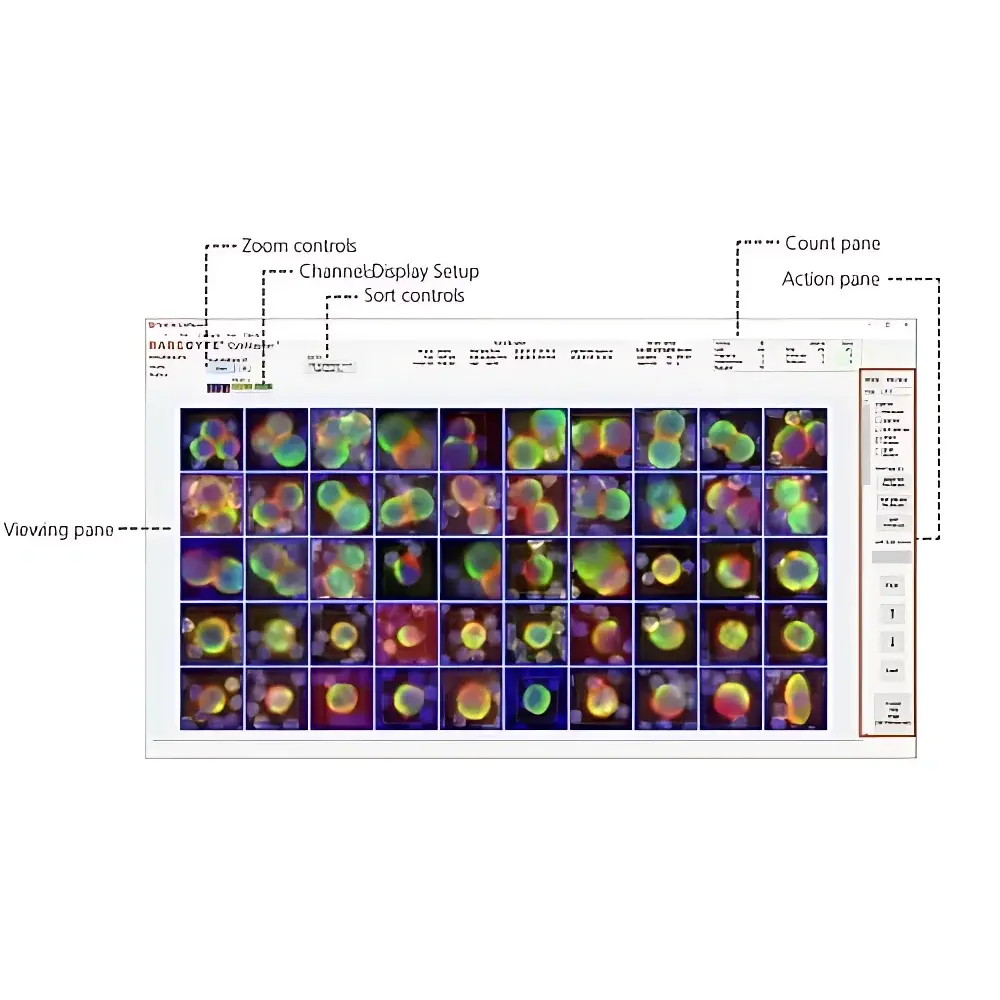
CyteFinder Software v5.x provides a unified interface for acquisition, analysis, review, and export. Its AI inference pipeline integrates convolutional neural networks (CNNs) trained on >50,000 manually verified rare cell annotations across 12 cell types (CTCs, Tregs, NK cells, CD34+ stem cells, nucleated red blood cells, fetal trophoblasts, etc.). Quantitative outputs include morphometric descriptors (area, circularity, nuclear/cytoplasmic ratio), fluorescence intensity distributions per channel, and spatial clustering metrics (Ripley’s K-function, nearest-neighbor distance). All data are stored in vendor-agnostic HDF5 format with embedded MIAME-compliant metadata. Export options include FCS files for flow cytometry reanalysis, GeoJSON for spatial transcriptomics alignment, and DICOM-WSI for PACS integration. Software validation packages support IQ/OQ/PQ documentation per laboratory accreditation standards (CAP, CLIA, ISO/IEC 17025).
Applications
- Liquid biopsy development: longitudinal CTC enumeration, heterogeneity profiling, and molecular characterization in metastatic cancer monitoring
- Immunotherapy R&D: CAR-T persistence tracking, TCR clonotype mapping, and exhaustion marker quantification in PBMC subsets
- Fetal medicine: non-invasive prenatal testing (NIPT) via intact circulating fetal nucleated erythrocytes and trophoblasts
- Tumor microenvironment (TME) analysis: spatial co-localization of immune infiltrates with tumor markers in multiplexed tissue sections
- Stem cell therapy QC: viability assessment, surface marker verification, and clonal derivation confirmation
- Infectious disease research: pathogen-infected cell identification and host response phenotyping in tissue biopsies
- Drug companion diagnostics: real-time pharmacodynamic evaluation using rare immune cell dynamics as surrogate endpoints
FAQ
Does the CyteFinder II support live-cell retrieval for downstream culture or sequencing?
Yes. The CytePicker® module uses gentle hydrodynamic aspiration without thermal or chemical stress, preserving membrane integrity and enabling successful expansion of isolated T cells, CTCs, and stem cells in defined media.
Can the system process FFPE tissue sections for spatial proteomics or transcriptomics?
Yes. With optional high-resolution Z-stack acquisition and antigen retrieval compatibility, the platform delivers registered fluorescence maps suitable for integration with Visium, Xenium, or CosMx spatial omics platforms.
Is software validation documentation available for regulated environments?
Yes. RareCyte provides comprehensive IQ/OQ/PQ test scripts, traceability matrices, and 21 CFR Part 11 compliance reports upon request for GxP laboratories.
What level of AI model customization is supported?
Users may retrain detection models using proprietary training sets via the CyteFinder Training Studio—a secure, on-premise toolkit compliant with HIPAA and GDPR data handling requirements.
How does the system ensure reproducibility across operators and sites?
Through standardized acquisition protocols, embedded reference slide calibration, and inter-laboratory proficiency testing modules aligned with CAP EQC guidelines.




