
Photobioreactor PB250 – High-Performance Algal Cultivation System for Controlled Microalgal Growth
| Origin | Germany |
|---|---|
| Manufacturer Type | Authorized Distributor |
| Import Status | Imported |
| Model | PB250 |
| Capacity | 18 L |
| Internal Diameter | 270 mm |
| Height | 520 mm |
| Controller Dimensions | 220 × 80 × 70 mm |
| Input Voltage/Power | 85–250 VAC / 5 W |
| Illumination | Integrated LED Light Unit |
| Mixing | Magnetic Stirring System |
| Aeration | Built-in Air Pump |
| Medium Exchange Rate | Up to 30% per day (manual or controller-triggered) |
Overview
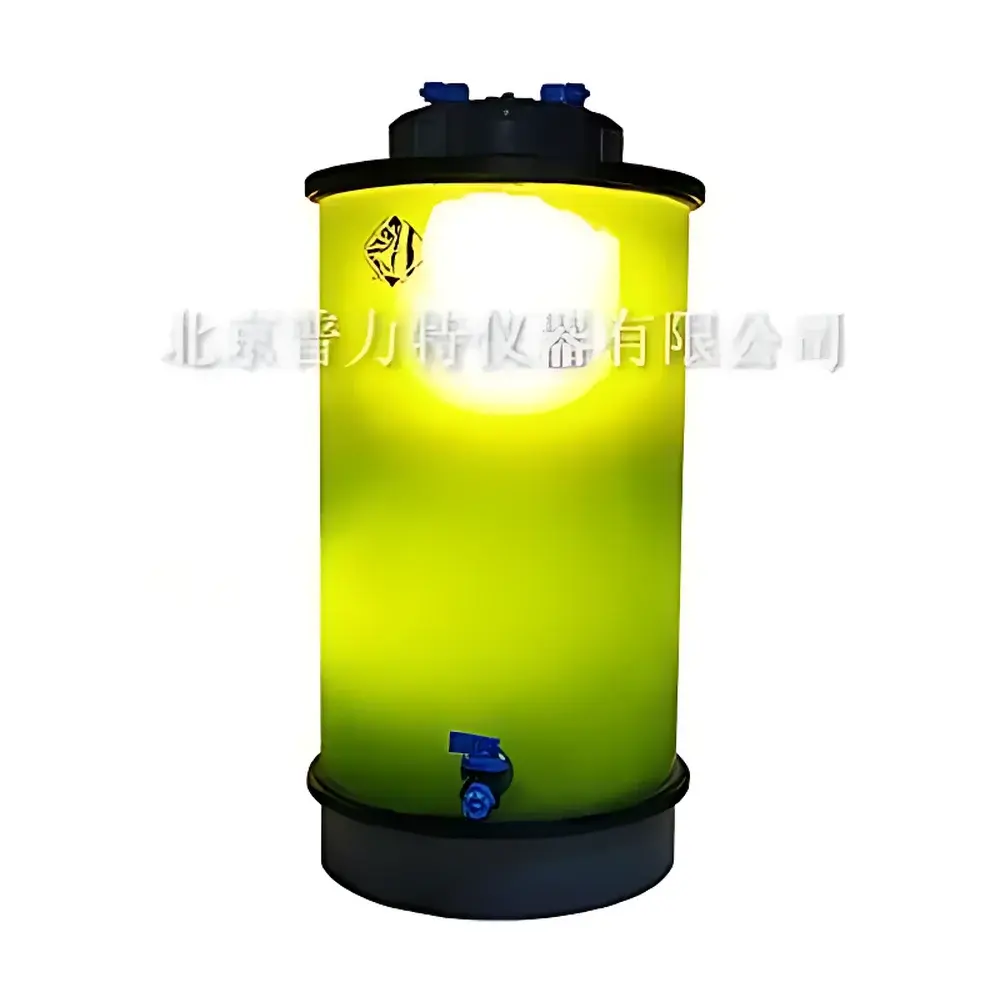
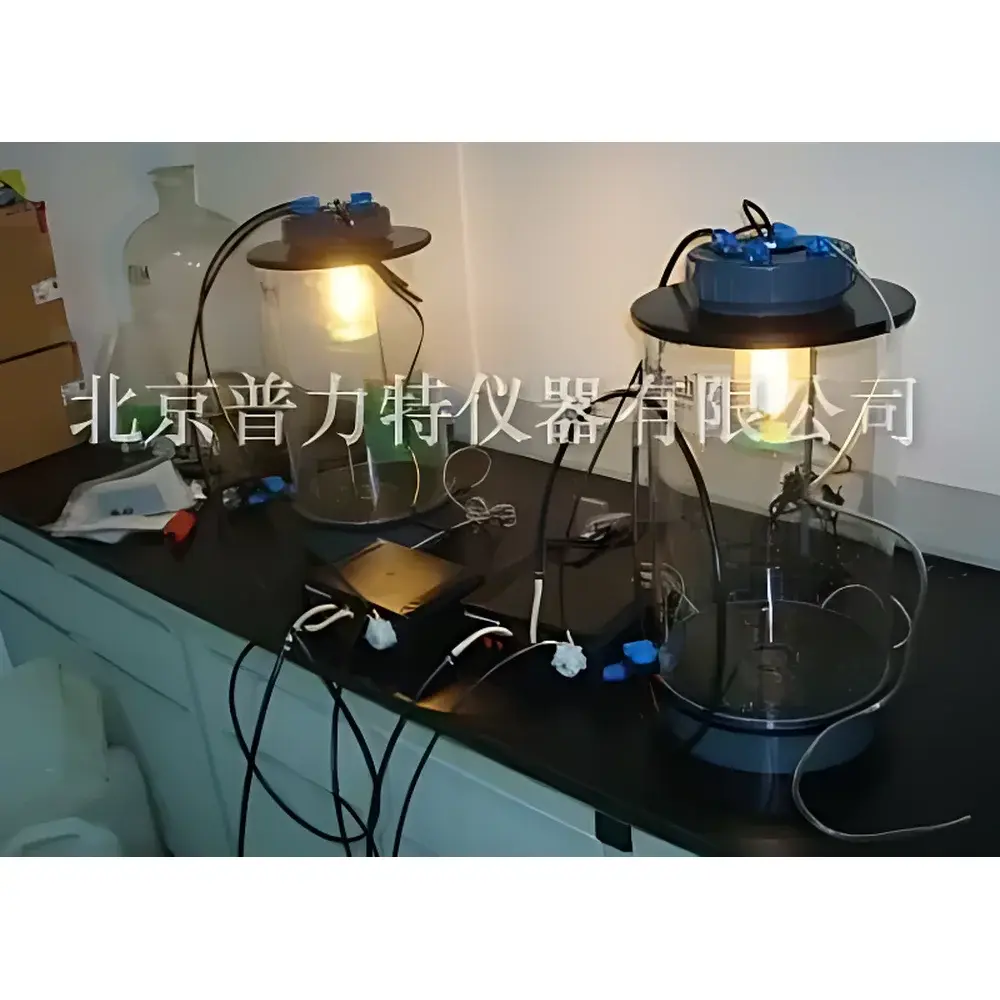
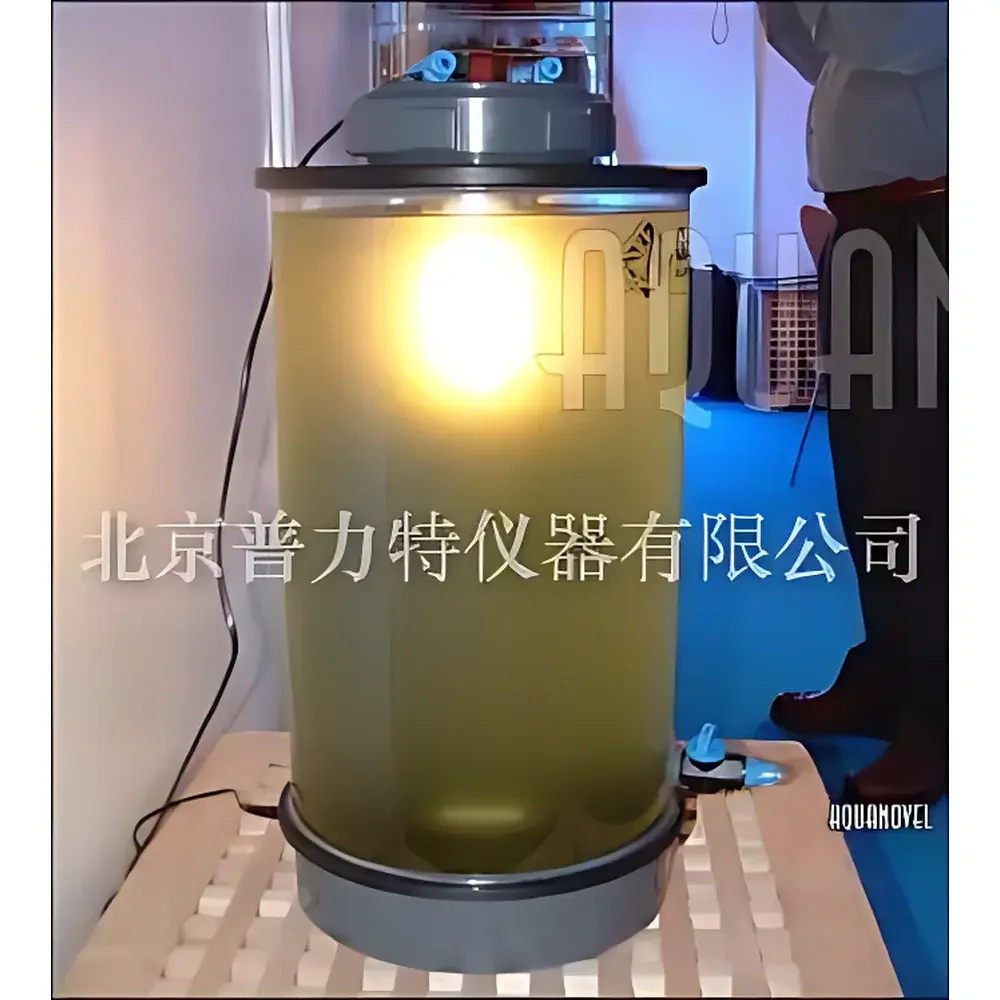
The Photobioreactor PB250 is a purpose-engineered, benchtop-scale photobioreactor designed for reproducible, scalable cultivation of photoautotrophic microalgae and other suspended phytoplankton under tightly controlled environmental conditions. Operating on the principle of continuous or semi-continuous batch culture in a transparent, gas-permeable vessel, the PB250 integrates illumination, mixing, aeration, and programmable process control into a single robust platform. Its cylindrical geometry—optimized for uniform light penetration and hydrodynamic homogeneity—supports high-density algal growth while minimizing shear stress and photoinhibition. The system is particularly suited for laboratory-based strain screening, physiological studies, biomass production optimization, and pre-pilot scale-up of biotechnological applications including biofuel feedstock development, nutraceutical synthesis, carbon capture research, and wastewater remediation studies.
Key Features
- 18-liter transparent cylindrical culture vessel fabricated from optical-grade, UV-stabilized acrylic—ensuring high light transmission (>92% at 400–700 nm) and long-term chemical resistance to common algal media components.
- Integrated, spectrally tunable LED illumination unit with adjustable intensity (0–100%) and programmable photoperiod scheduling—enabling simulation of natural diurnal cycles or experimental light regimes.
- Magnetic stirring system with variable speed control (0–600 rpm), providing gentle yet effective suspension of non-motile and weakly motile microalgae without mechanical agitation-induced cell damage.
- Built-in silent diaphragm air pump delivering sterile-filtered (0.2 µm) air or CO₂-enriched gas mixtures at regulated flow rates; compatible with external mass flow controllers for precise carbon supplementation.
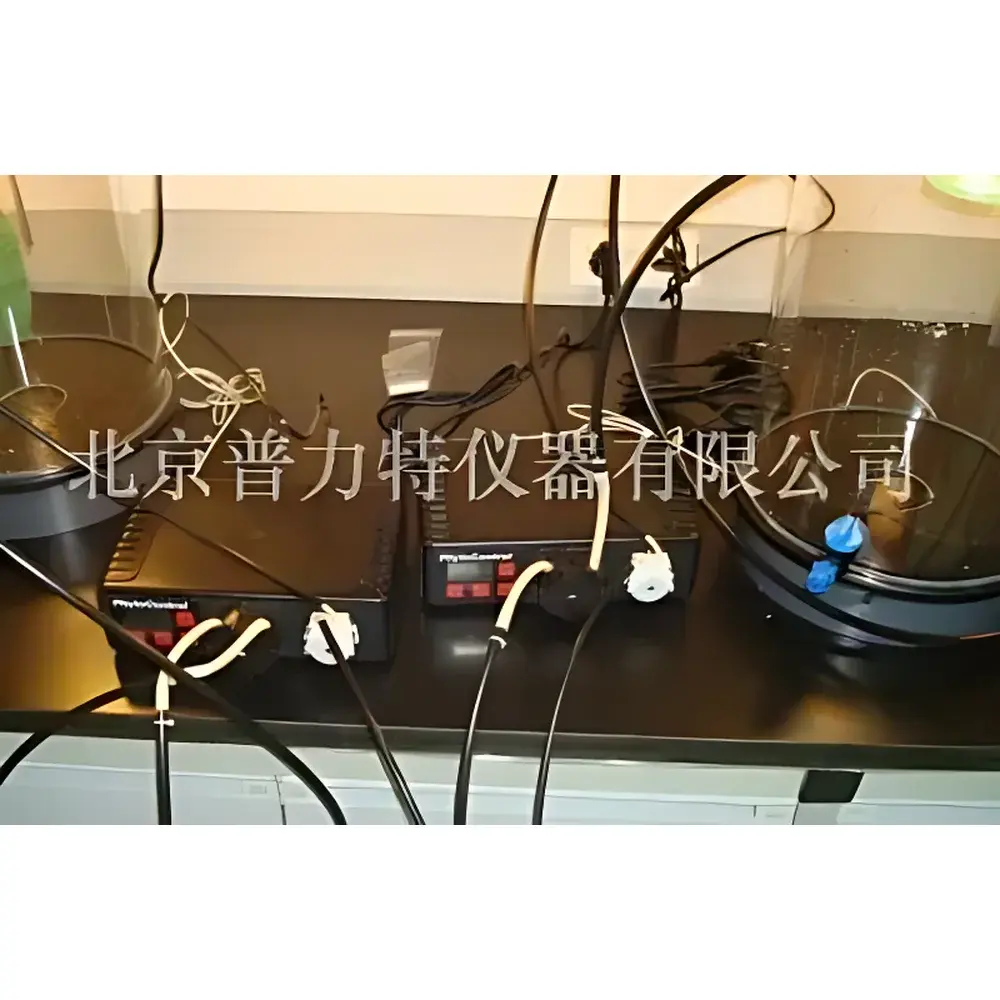
- Dedicated PB250 Cultivation Controller featuring real-time relay outputs for lighting, nutrient dosing pumps (optional), and alarm indicators; supports time-based automation of illumination cycles, periodic medium exchange triggers, and scheduled feeding events.
- Thread-sealed top cap design ensures rapid, tool-free access for sampling, inoculation, or maintenance while maintaining sterility integrity and pressure equilibrium during operation.
Sample Compatibility & Compliance
The PB250 accommodates a broad spectrum of freshwater and marine microalgal species—including Chlorella vulgaris, Scenedesmus obliquus, Nannochloropsis oceanica, Dunaliella salina, and Phaeodactylum tricornutum—as well as cyanobacteria such as Synechocystis sp. PCC 6803. Its modular architecture allows integration with external pH probes, dissolved oxygen sensors, and temperature loggers (via analog input compatibility). All electrical components comply with IEC 61000-6-3 (EMC emission standards) and IEC 61010-1 (safety requirements for laboratory equipment). The controller firmware supports audit-trail-ready operation logs when paired with optional data export modules—facilitating GLP-compliant documentation for regulatory submissions or internal quality assurance protocols.
Software & Data Management
While the PB250 operates autonomously via its embedded controller, it includes RS-232 and USB interfaces for connection to host PCs running custom Python- or LabVIEW-based acquisition scripts. Users may configure logging intervals (1 min to 24 h), store up to 30 days of timestamped event data (light ON/OFF, pump activation, manual interventions), and export CSV-formatted records for post-hoc analysis in MATLAB, R, or Excel. Optional firmware upgrades introduce Modbus RTU support for integration into centralized building management systems (BMS) or industrial SCADA environments—enabling multi-unit synchronization and remote monitoring across distributed lab networks.
Applications
- Physiological characterization of photosynthetic efficiency under variable light spectra, intensities, and CO₂ concentrations.
- Optimization of nitrogen/phosphorus limitation strategies for lipid accumulation in biofuel-oriented strains.
- Production of high-value pigments (e.g., astaxanthin, β-carotene, phycocyanin) under stress-induction protocols.
- Testing of antifouling agents or biostatic compounds in closed-loop aquatic toxicity assays.
- Education and training in photobioreactor engineering principles, microbial kinetics, and sustainable bioprocessing.
FAQ
Can the PB250 be operated under sterile conditions?
Yes—the vessel design supports autoclaving (121°C, 20 min) of the empty acrylic tank and cap; all wetted seals are silicone-based and sterilizable. Aseptic operation requires laminar flow hood inoculation and use of sterile-filtered gas and media.
Is CO₂ supplementation supported out-of-the-box?
The built-in air pump delivers ambient air; for CO₂ enrichment, users must connect an external gas source via the dedicated inlet port and integrate a mass flow controller (not included).
What maintenance is required for long-term reliability?
Monthly cleaning of the LED lens surface with isopropanol; quarterly inspection of magnetic stir bar coating integrity; annual replacement of the air filter cartridge (part no. PB-FIL-01).
Does the controller support external sensor inputs?
Standard configuration includes digital I/O only; analog input expansion (0–5 V or 4–20 mA) is available as an optional hardware module for integration with third-party pH, DO, or temperature transmitters.
Is the PB250 compliant with FDA 21 CFR Part 11 for electronic records?
The base controller does not provide electronic signature capability; however, when interfaced with validated third-party data acquisition software meeting ALCOA+ principles, full Part 11 compliance can be achieved within a qualified system environment.




