
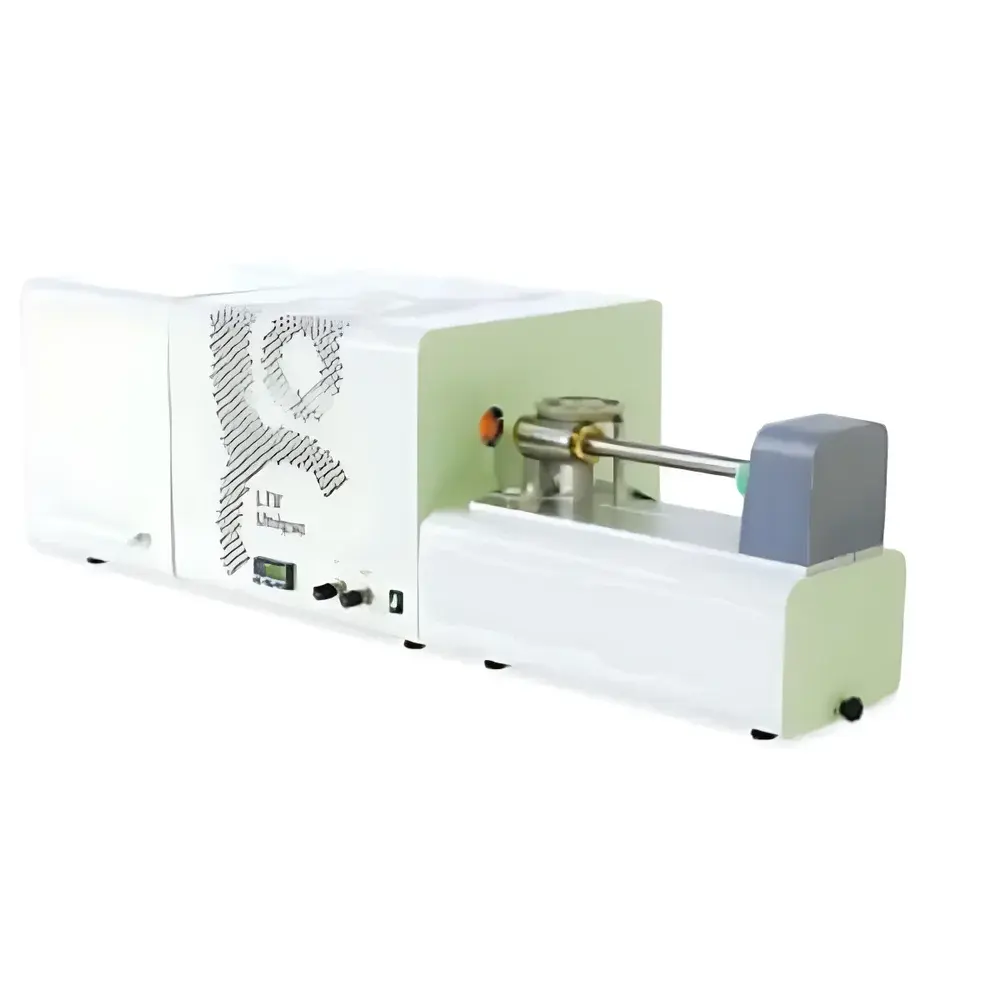
LABTECH LTX Unique Total Organic Halogen (TOX) Analyzer
| Brand | LABTECH (Distributed by Jinhengxiang/JHX) |
|---|---|
| Origin | Czech Republic |
| Manufacturer Type | Authorized Distributor |
| Product Origin | Imported |
| Model | LTX Unique |
| Pricing | Available Upon Request |
Overview
The LABTECH LTX Unique Total Organic Halogen (TOX) Analyzer is a dedicated combustion–microcoulometric instrument engineered for the quantitative determination of total organic halogens (chlorine, bromine, and iodine) in solid, liquid, and gaseous environmental and industrial samples. Based on high-temperature pyrolysis (900–1100 °C) followed by catalytic conversion to hydrogen halides and subsequent detection via microcoulometric titration, the system delivers trace-level sensitivity with high reproducibility and robust inter-laboratory comparability. Designed for routine compliance monitoring and quality assurance workflows, the LTX Unique adheres to core principles of ASTM D7573, ISO 9562, and EPA Method 9096A—enabling laboratories to meet regulatory reporting requirements for halogenated contaminants in waste streams, fuels, petrochemicals, and high-purity chemical intermediates.
Key Features
- Integrated high-temperature quartz furnace with precise temperature control (±5 °C) across 900–1100 °C range, ensuring complete oxidative decomposition of refractory organohalogen compounds.
- Microcoulometric detection cell with silver/silver chloride reference electrode and automatic endpoint recognition, delivering sub-ppb detection limits (as Cl) and linear dynamic range from 10 ng to 100 µg halogen per injection.
- Automated sample introduction via programmable ceramic boat transporter; supports direct analysis of activated carbon, filter media, solids, liquids, and gas-phase samples using appropriate sampling modules.
- Dedicated Windows-based control software compatible with Windows Vista and later (32/64-bit), featuring intuitive menu navigation, real-time signal visualization (potential vs. time), and automated calculation of TOX concentration (µg X/g or µg X/L).
- Self-calibrating system with built-in standard addition capability and drift compensation algorithms to maintain long-term measurement stability over extended operational cycles.
- Robust architecture with integrated gas purification train (O2, CO2, H2O removal), corrosion-resistant flow path components, and fail-safe thermal shutdown protocols.
Sample Compatibility & Compliance
The LTX Unique accommodates diverse matrices without derivatization or pre-concentration: solid samples (e.g., activated carbon, fly ash, cement, plant tissue), liquids (e.g., gasoline, diesel, hydraulic oil, methanol, toluene, crude oil, wastewater), and pressurized gases (e.g., propylene, ethylene, LPG, butadiene). All analyses comply with internationally recognized method frameworks—including ASTM D7573 (Standard Test Method for Total Organic Halides in Water by Microcoulometry), ISO 9562 (Water Quality – Determination of Adsorbable Organic Halogens – AOX), and EPA Method 9096A (Total Organic Halogen by Microcoulometric Detection)—supporting GLP/GMP-aligned data integrity through full audit trail logging, user access controls, and electronic signature readiness per FDA 21 CFR Part 11.
Software & Data Management
The native LTX Control Suite provides comprehensive instrument management: method setup (combustion temperature, carrier gas flow, integration time), real-time electrochemical signal monitoring, automatic baseline correction, and post-run quantification with internal standard normalization. Data files are stored in encrypted binary format with embedded metadata (operator ID, timestamp, calibration history, system diagnostics). Export options include CSV, PDF reports, and XML for LIMS integration. Software logs all user actions, parameter changes, and error events—ensuring full traceability required for regulatory audits and ISO/IEC 17025 accreditation.
Applications
Primary application domains include environmental monitoring (waste incineration residues, landfill leachate, treated effluent), petrochemical QC (naphtha, kerosene, catalyst feedstocks), pharmaceutical excipient screening (halogen impurities in solvents), polymer manufacturing (halogen content in polycarbonates, PVC stabilizers), and high-purity chemical certification (aromatics, alcohols, acetates). The system is routinely deployed in municipal water utilities, independent environmental testing labs, refinery QA departments, and R&D centers focused on green chemistry and halogen-free material development.
FAQ
What halogen species does the LTX Unique quantify?
It measures total oxidizable organic chlorine, bromine, and iodine (expressed as Cl-equivalent); inorganic halides must be removed prior to analysis via pretreatment (e.g., acid washing or ion exchange).
Can it analyze gaseous samples directly?
Yes—using the optional gas sampling module with calibrated mass flow controller and cryo-trap interface for quantitative transfer of volatile organohalogens.
Is the system compliant with FDA 21 CFR Part 11?
The software supports electronic signatures, audit trails, and role-based permissions; full Part 11 compliance requires site-specific validation documentation and IT infrastructure alignment.
What maintenance is required for long-term reliability?
Scheduled replacement of quartz combustion tube (every 6–12 months), Ag anode in coulometric cell (per 500–1000 injections), and periodic verification of gas purity and furnace calibration using certified TOX standards.
Does it support AOX (Adsorbable Organic Halogens) analysis?
Yes—when coupled with the standard adsorption step using activated carbon columns per ISO 9562 or DIN 38409-H15 protocols, the LTX Unique serves as the detection engine for AOX determination.
Related Products





