
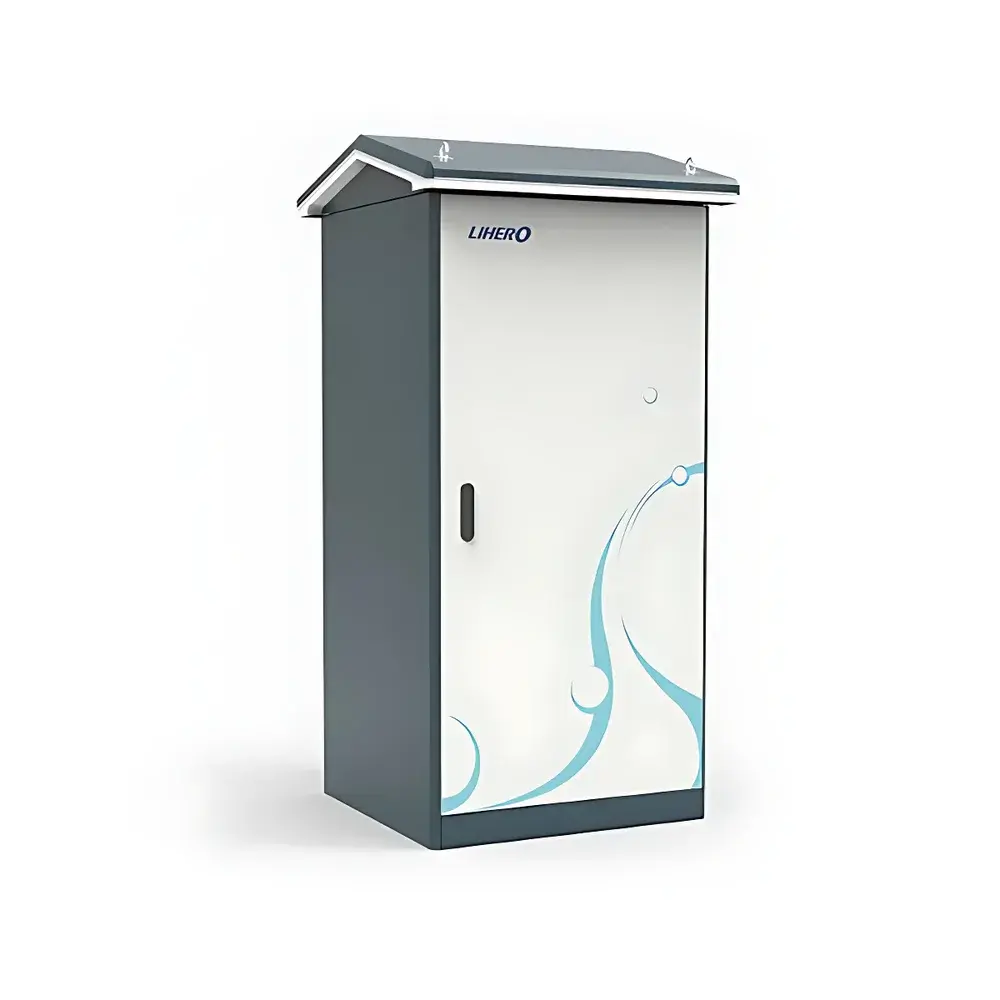
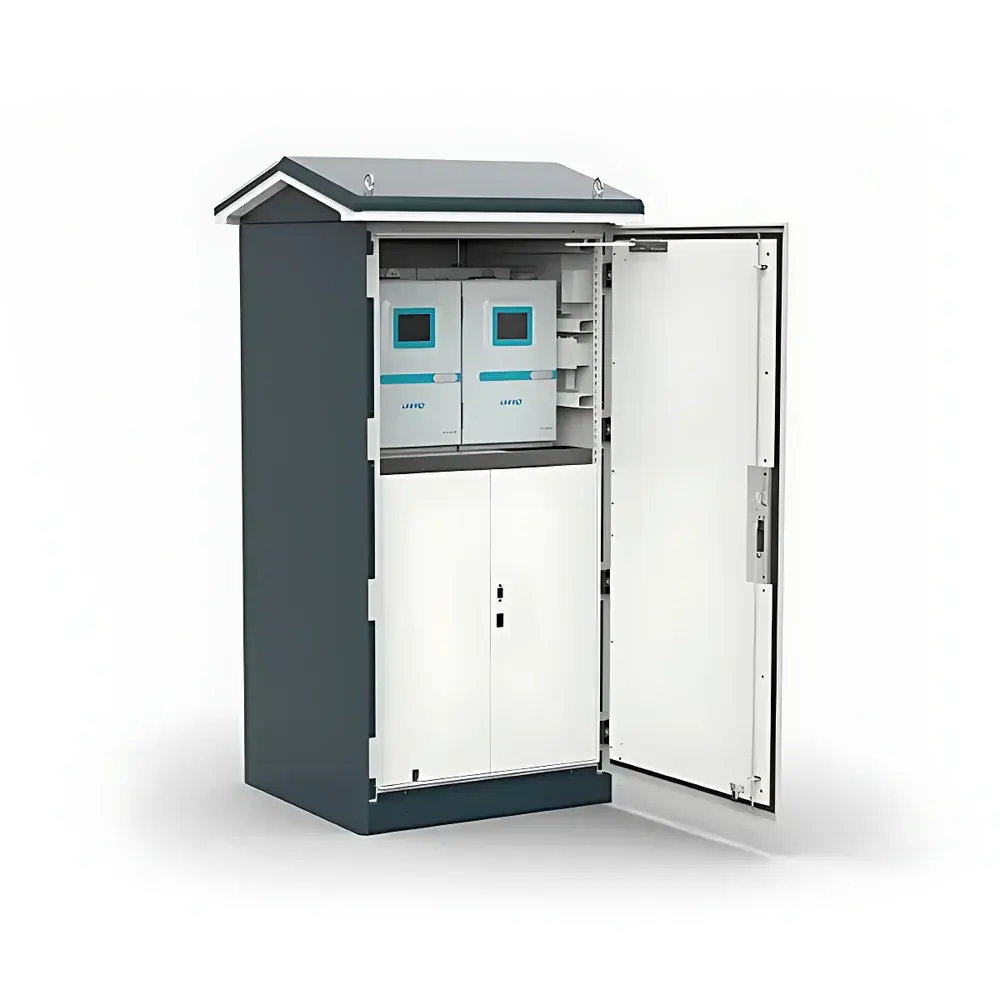
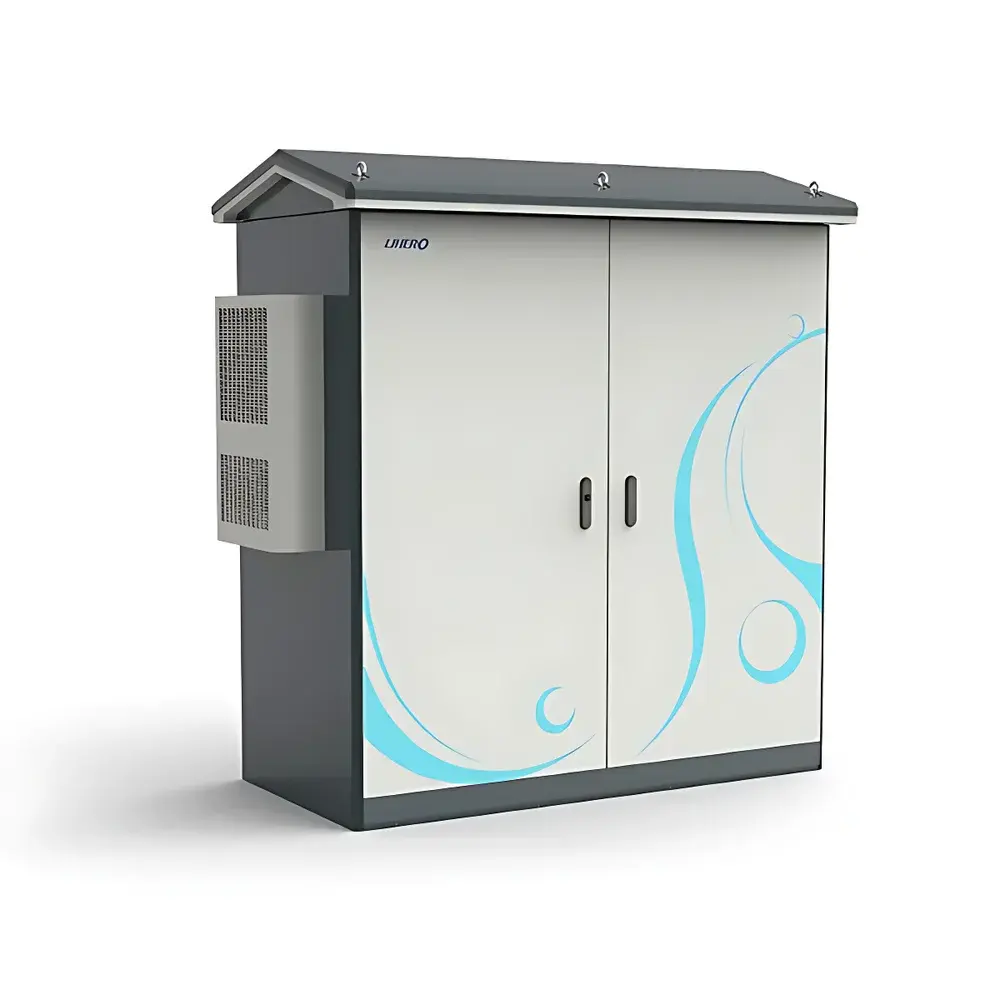
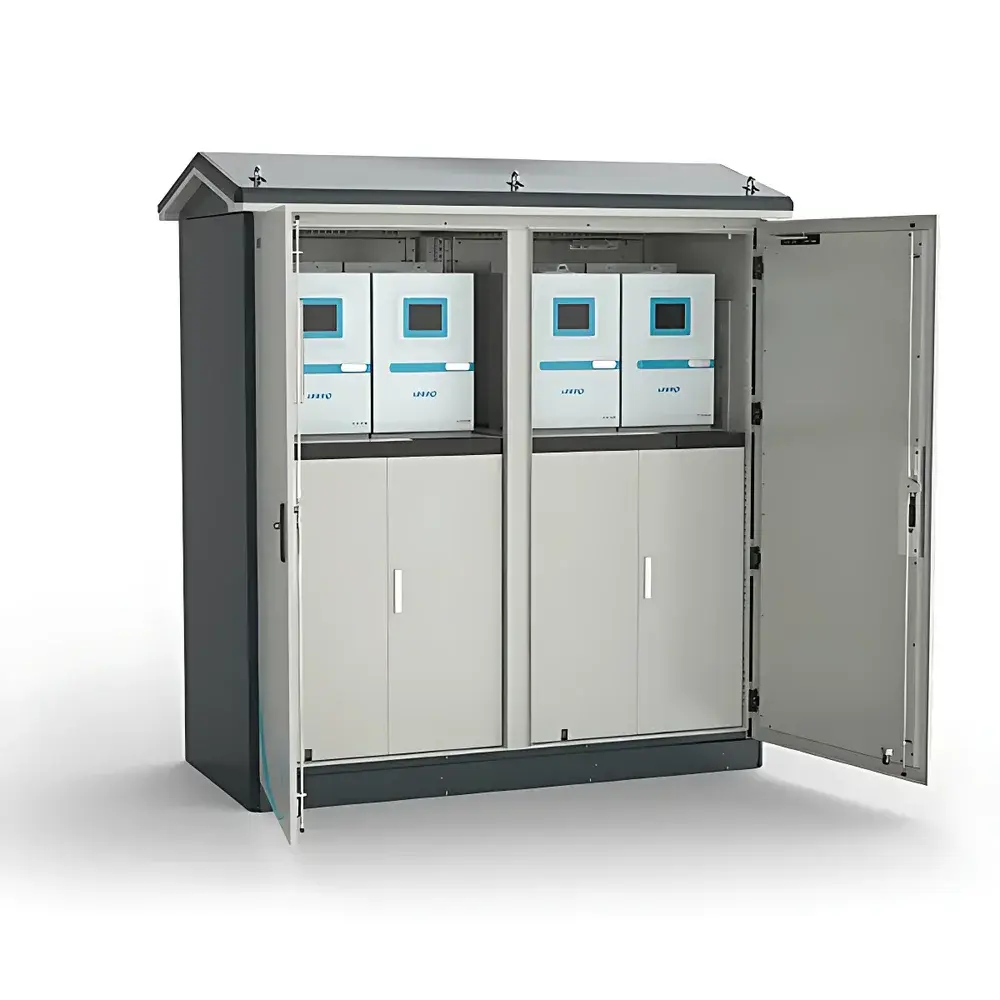
Lihero LFOMS-2012 Outdoor Mini Water Quality Monitoring Station
| Brand | Lihero |
|---|---|
| Origin | Hunan, China |
| Manufacturer Type | Authorized Distributor |
| Country of Manufacture | China |
| Model | LFOMS-2012 |
| Pricing | Available Upon Request |
Overview
The Lihero LFOMS-2012 Outdoor Mini Water Quality Monitoring Station is an integrated, cabinet-based environmental monitoring system engineered for autonomous, long-term deployment in field conditions. It implements a modular architecture that consolidates water intake, sample pretreatment (including filtration, homogenization, and temperature stabilization), multi-parameter analytical instrumentation, embedded data acquisition and telemetry, and comprehensive surge protection into a single weather-resistant enclosure. Designed around the principles of continuous flow-through analysis with periodic discrete sampling, the station supports real-time measurement of core physicochemical parameters via standardized wet-chemistry and electrochemical sensor methodologies. Its compact footprint (< 1.2 m²) and structural integrity—achieved through stainless-steel housing rated IP65—enable rapid deployment on riverbanks, reservoir perimeters, municipal intake points, or industrial outfall zones without civil foundation requirements. The system operates under ambient temperatures ranging from −20 °C to +50 °C, sustained by integrated heating/cooling HVAC and dual-power redundancy (AC mains + optional DC backup).
Key Features
- Stainless-steel cabinet construction (304 grade) ensures corrosion resistance, mechanical durability, and compliance with outdoor industrial enclosures standards (IEC 60529/IP65).
- Integrated climate control system maintains internal operating temperature between 15–25 °C year-round, preserving reagent stability and sensor calibration integrity.
- Multi-stage lightning and surge protection (Type I+II+III per IEC 61643-11) safeguards power input, signal lines, and communication interfaces against transient overvoltage events common in unshielded outdoor installations.
- Full automation cycle: programmable submersible pump-driven sampling, scheduled filter backflushing, auto-calibration using standard solutions, and timed sensor cleaning protocols reduce manual intervention to ≤1 visit per quarter.
- Modular analyzer bays support hot-swappable sensor modules and wet-chemistry analyzers—enabling seamless expansion from standard 9-parameter configuration (pH, conductivity, DO, turbidity, CODMn, NH3-N, TP, TN, temperature) to additional target analytes including heavy metals (e.g., Pb, Cd, As via anodic stripping voltammetry), fluoride, nitrate, or organic micropollutants.
- Human-centered service design includes front-access service panels, tool-free module removal, standardized DIN-rail mounting, and LED status indicators for power, comms, pump operation, and alarm conditions.
Sample Compatibility & Compliance
The LFOMS-2012 accepts raw surface water, groundwater, or treated effluent with suspended solids < 50 mg/L and particle size < 100 µm (pre-filtered on-site if required). All onboard sensors and analyzers comply with relevant national and international method standards, including HJ/T 96–2003 (Chinese EPA), ISO 7027 (turbidity), ISO 5814 (dissolved oxygen), and ASTM D1293 (pH). Data logging and transmission conform to HJ 212–2017 (China’s environmental data communication protocol) and support MQTT/HTTP(S) payloads for interoperability with third-party SCADA or cloud platforms. The system architecture satisfies GLP-aligned operational traceability requirements, with audit logs capturing instrument initialization, calibration events, error codes, and firmware updates.
Software & Data Management
Embedded Linux-based controller runs proprietary firmware supporting local data buffering (≥30 days at 10-min intervals), automated QC flagging (e.g., drift > ±5% of span), and scheduled data push via 4G LTE or Ethernet. Remote configuration, diagnostic viewing, and firmware updates are performed via secure HTTPS web interface or CLI over SSH. All transmitted datasets include timestamp (UTC), measurement uncertainty estimates (where applicable), and metadata tags (location ID, sensor serial, calibration due date). Optional integration with central platforms enables role-based access control, alarm escalation workflows (SMS/email), and statistical process control dashboards compliant with ISO 9001 monitoring requirements.
Applications
- River and lake ecological monitoring networks requiring high spatial density of stations
- Early-warning systems for drinking water source protection zones
- Compliance verification at municipal wastewater discharge points
- Industrial park effluent tracking under environmental permits
- Temporary deployment during construction hydrology studies or post-disaster water safety assessment
- Research-grade longitudinal data collection for watershed modeling and nutrient load estimation
FAQ
What power supply options does the LFOMS-2012 support?
Standard configuration includes 220 VAC ±10%, 50 Hz input with built-in UPS buffer (≥15 min hold-up time); optional 24 VDC input is available for solar-hybrid deployments.
Can the station operate without cellular connectivity?
Yes—local data storage persists autonomously; transmission resumes automatically upon network recovery, with no data loss.
Is remote calibration possible?
Remote initiation of zero/span calibration sequences is supported, but standard reference solutions must be manually loaded prior to execution.
How frequently does maintenance require field technician involvement?
Under typical surface water conditions, preventive maintenance—including reagent replacement, filter inspection, and electrode polishing—is recommended every 90 days.
Does the system meet cybersecurity requirements for critical infrastructure?
Firmware includes TLS 1.2 encryption, disabled default credentials, configurable firewall rules, and firmware signature validation to align with NIST SP 800-82 guidelines for industrial control systems.
Related Products







