
GLTLab SSL150 Heavy-Duty Magnetic Stirrer
| Brand | GLTLab |
|---|---|
| Model | SSL150 |
| Origin | Guangdong, China |
| Manufacturer Type | Direct Manufacturer |
| Instrument Type | Magnetic Stirrer |
| Max. Stirring Volume | 150–200 L |
| Speed Range | 100–2000 rpm |
| Temperature Control | Ambient Only |
| Motor Type | Brushless DC Motor |
| Plate Dimensions | 500 × 500 mm |
| Plate Material | Ceramic-Coated Stainless Steel |
| Display | Digital LED |
| Speed Accuracy | ±5 rpm |
| Timer Function | 1 min – 9 h 59 min or Continuous Operation |
| Max. Stir Bar Length | 180 mm |
| IP Rating | IP56 |
| Adjustable Height Frame | 620 × 500 × 165 mm (H × W × D) |
| Input Voltage | 240 V AC |
Overview
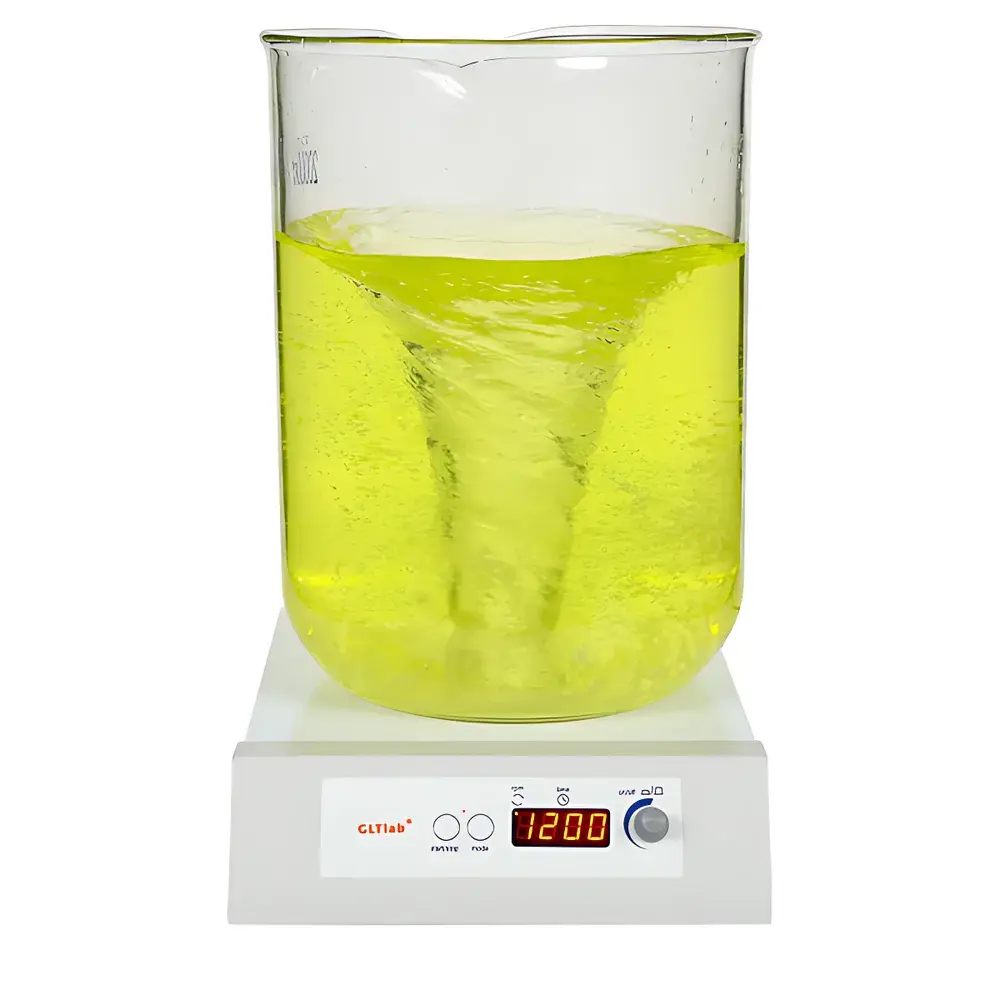
The GLTLab SSL150 Heavy-Duty Magnetic Stirrer is an industrial-grade laboratory stirring system engineered for high-volume, long-duration mixing tasks under ambient conditions. Unlike standard benchtop magnetic stirrers, the SSL150 employs a high-torque brushless DC motor coupled with a large-diameter ceramic-coated stainless steel stirring plate (500 × 500 mm), enabling stable and uniform agitation of viscous or dense solutions across volumes up to 200 liters. Its operation relies on precise magnetic coupling between the rotating field generated beneath the plate and compatible PTFE- or glass-coated stir bars—eliminating mechanical drive shafts and minimizing contamination risk. Designed for reproducible batch processing in regulated environments, the SSL150 delivers consistent rotational energy transfer without thermal drift or speed fluctuation, making it suitable for applications where mixing homogeneity, scalability, and operational continuity are critical.
Key Features
- High-capacity stirring platform supporting vessels from 150 L to 200 L, validated for use with standard lab-scale bioreactors, jacketed reactors, and large-volume reaction flasks.
- Brushless DC motor architecture ensures low maintenance, extended service life (>20,000 hours MTBF), and silent operation even at maximum load and speed (2000 rpm).
- Ceramic-coated stainless steel plate provides exceptional chemical resistance, thermal stability, and surface hardness—resisting scratching, corrosion, and thermal shock during prolonged use.
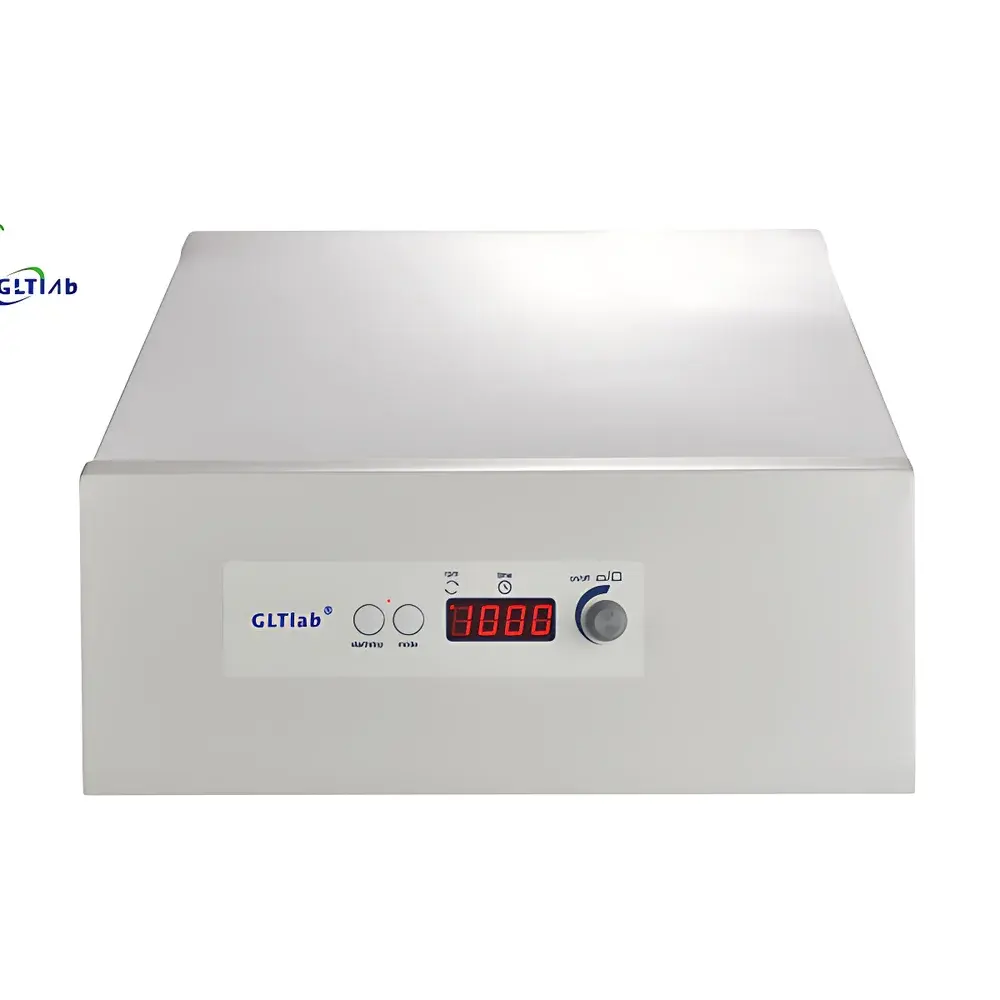
- Digital LED display with real-time rpm readout and ±5 rpm speed accuracy enables traceable process monitoring and documentation.
- Programmable timer supports precise duration control (1 minute to 9 hours 59 minutes) or continuous operation mode for unattended overnight or multi-shift processes.
- IP56-rated enclosure protects internal electronics against dust ingress and water jets—suitable for wet-lab environments, pilot plant floors, and quality control laboratories with stringent hygiene requirements.
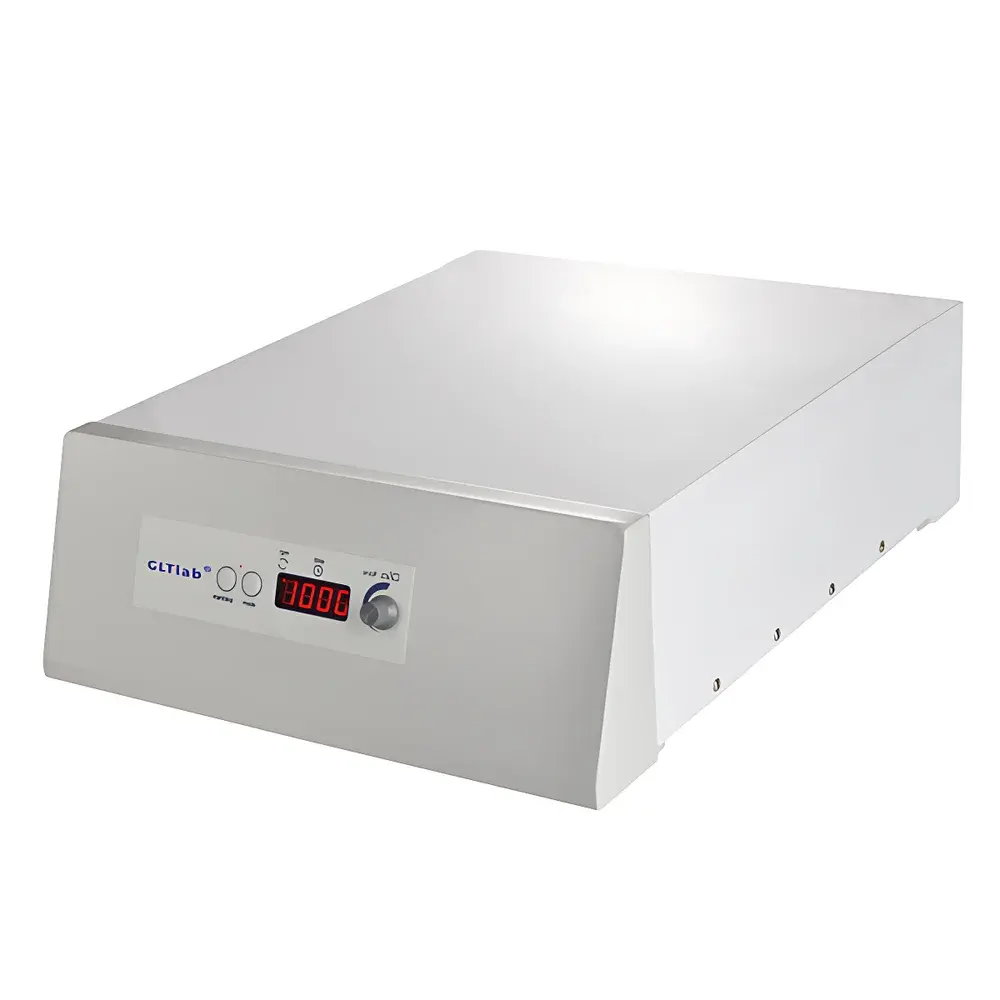
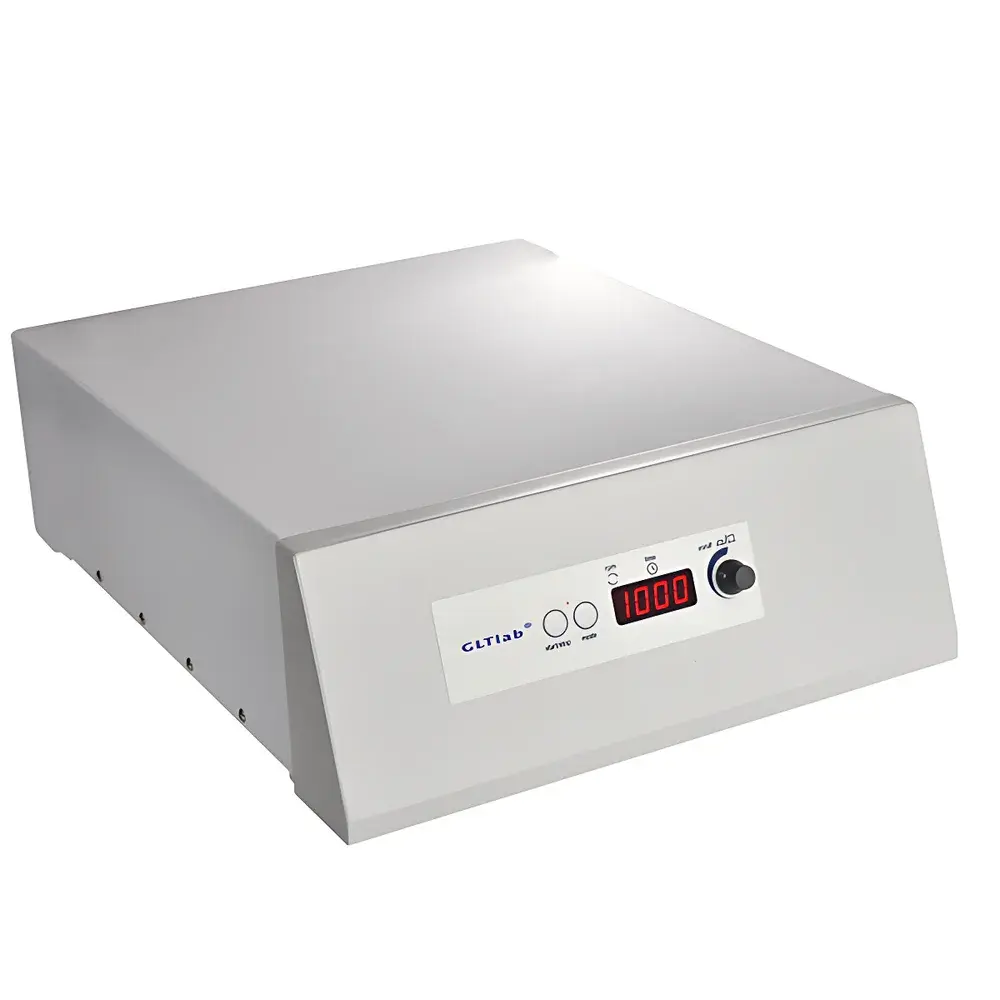
- Height-adjustable structural frame (620 × 500 × 165 mm) accommodates tall vessels and integrates seamlessly with overhead support systems, fume hoods, or temperature-controlled enclosures.
Sample Compatibility & Compliance
The SSL150 is compatible with all standard magnetic stir bars up to 180 mm in length, including PTFE-coated, glass-coated, and elliptical designs optimized for high-viscosity media. It supports common laboratory vessel materials—including borosilicate glass, stainless steel 316, and chemically resistant polymers (e.g., PP, PVDF)—without compromising torque transmission or positional stability. While the unit operates at ambient temperature only, its robust thermal management allows sustained duty cycles without plate overheating. The device complies with IEC 61000-6-3 (EMC emissions) and IEC 61000-6-2 (immunity), and its construction adheres to ISO 9001-certified manufacturing practices. Though not intrinsically safe for explosive atmospheres, its IP56 rating meets EN 60529 requirements for protection in non-hazardous industrial laboratory settings.
Software & Data Management
The SSL150 operates as a standalone instrument with no embedded software or network interface. All operational parameters—including set speed, elapsed time, and run status—are displayed locally via the integrated LED interface. For integration into GLP/GMP-compliant workflows, users may employ external data loggers connected via analog output (0–10 V or 4–20 mA optional upon request) or utilize third-party LabVantage, DeltaV, or custom SCADA systems for event-triggered logging. Audit trails for speed settings and runtime can be maintained manually or through synchronized timestamped video recording—supporting FDA 21 CFR Part 11 alignment when paired with validated electronic record systems.
Applications
- Pharmaceutical formulation development: Homogenization of suspensions, emulsions, and polymer-based drug delivery vehicles in 100+ L batches.
- Academic research: Scalable mixing for catalysis studies, nanoparticle synthesis, and polymerization kinetics under controlled shear conditions.
- Biotechnology: Pre-culture preparation, buffer blending, and media conditioning in upstream processing prior to bioreactor inoculation.
- Quality control labs: Standardized dissolution testing, reagent reconstitution, and sample equilibration per USP and ASTM D2196 protocols.
- Chemical manufacturing R&D: Solvent blending, slurry dispersion, and catalyst slurry suspension in pilot-scale reaction optimization.
FAQ
What is the maximum recommended viscosity for reliable operation at full capacity?
The SSL150 maintains stable rotation up to ~15,000 mPa·s at 150 L volume using a 180 mm elliptical stir bar; performance beyond this depends on vessel geometry and stir bar placement.
Can the SSL150 be used inside a temperature-controlled chamber?
Yes—provided ambient air circulation around the base unit is maintained and chamber humidity remains below 80% RH to preserve IP56 integrity.
Is calibration documentation available for GLP audits?
Factory calibration certificates (speed and timer verification) are provided with each unit; on-site recalibration services are available through authorized GLTLab service centers.
Does the unit support RS-232 or USB connectivity?
No—this is a dedicated analog-control instrument; digital communication modules are not integrated but may be added via third-party signal converters.
What safety interlocks are built into the system?
The unit features overtemperature shutdown, stall detection, and automatic motor current limiting—no external emergency stop is required per EN 61000-6-2.



