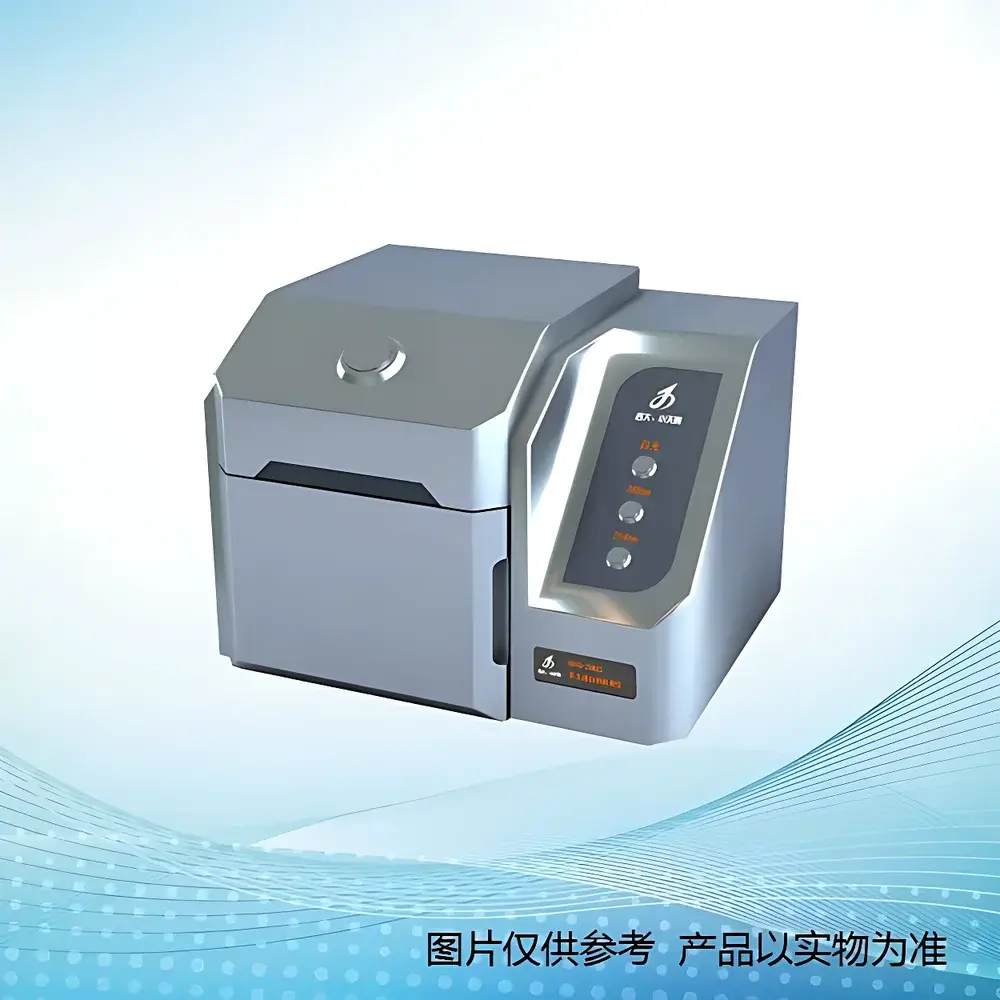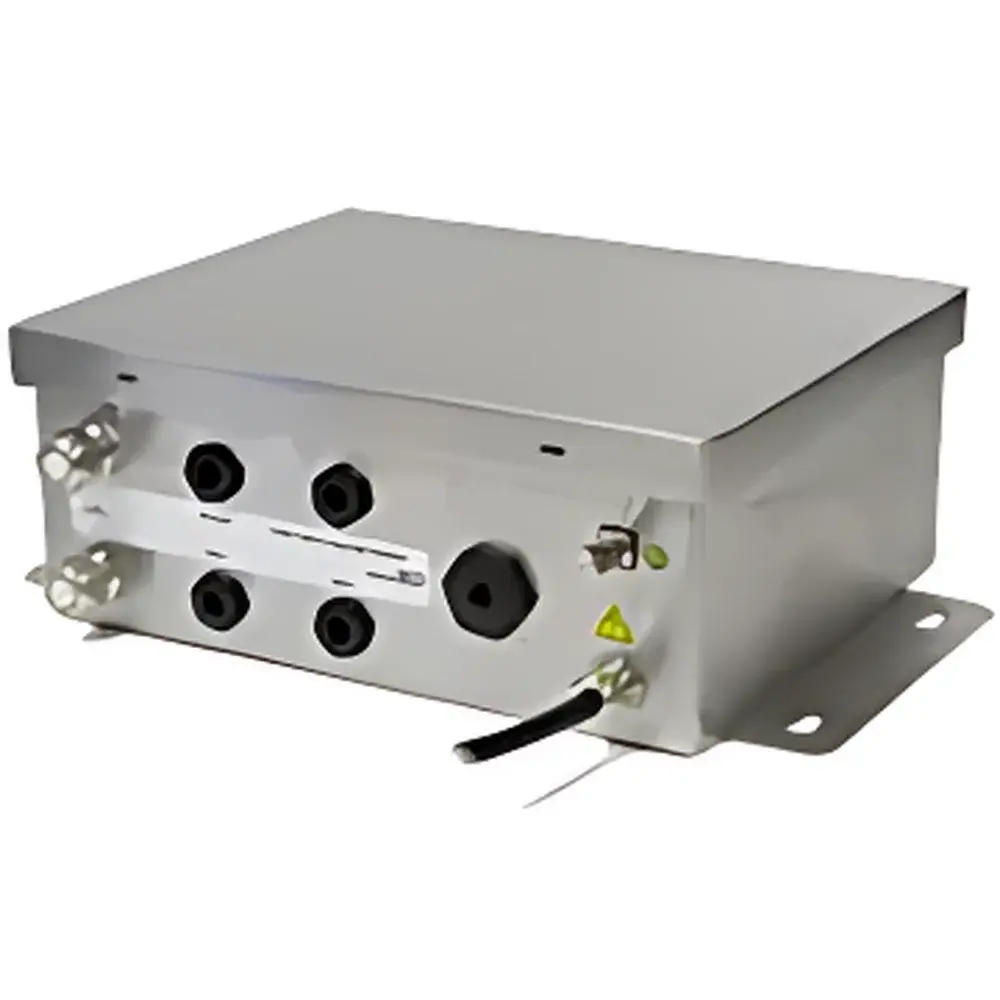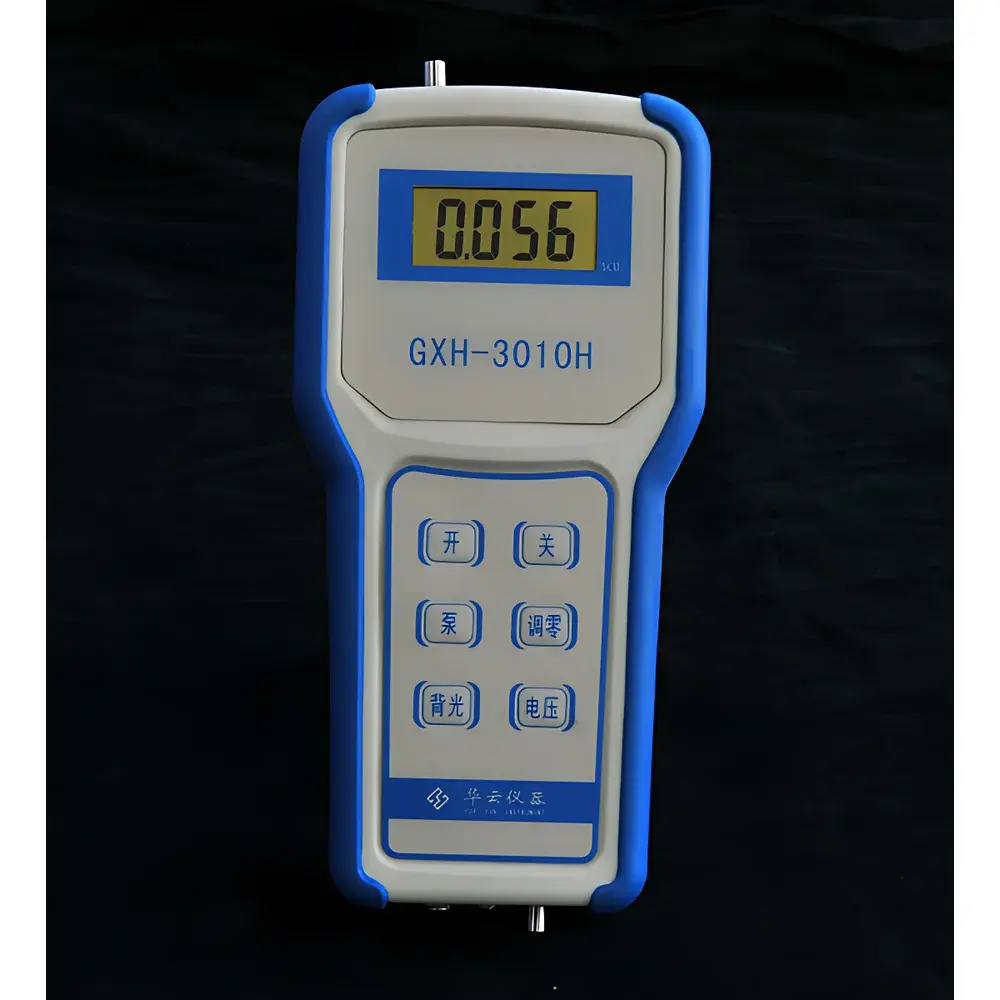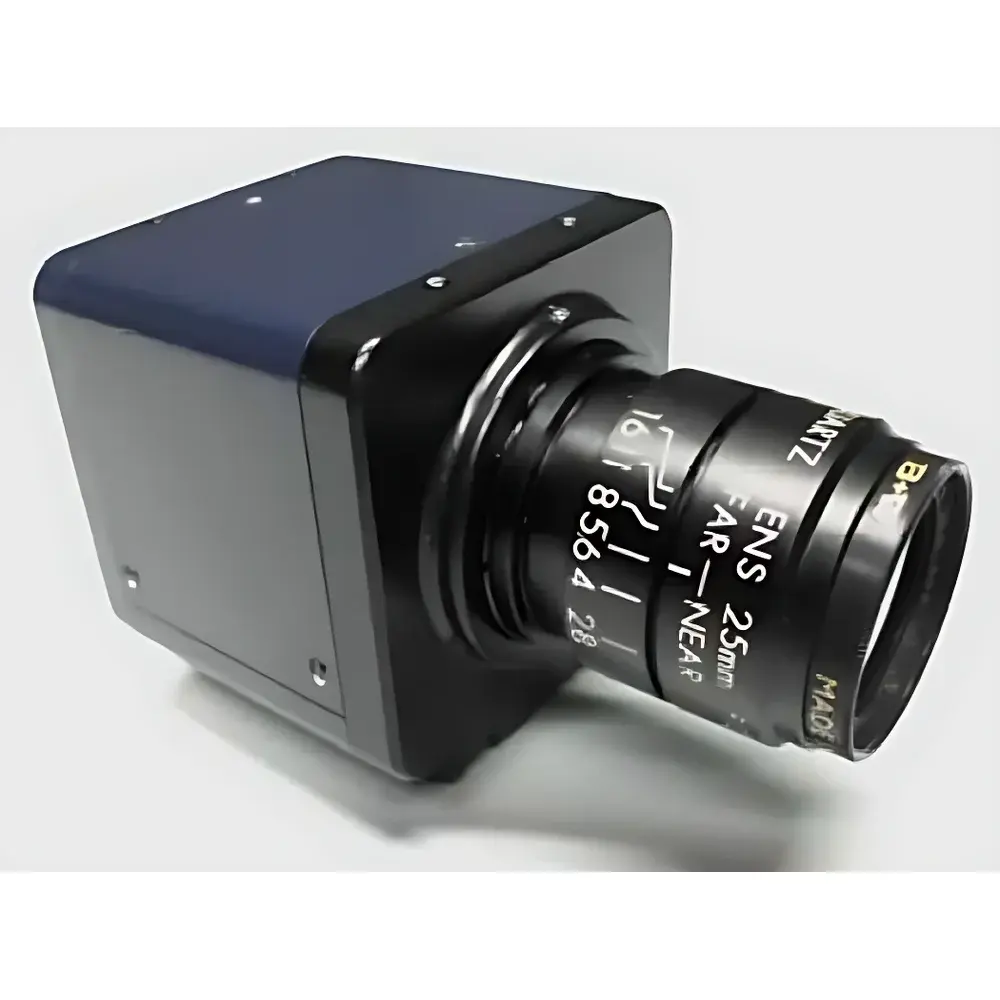
ARTCAM-1300UV UV-Visible-NIR Scientific Camera
| Brand | Auniontech |
|---|---|
| Model | ARTCAM-1300UV |
| Sensor Type | CMOS |
| Resolution | 1280 × 1024 |
| Frame Rate | 28 fps |
| Read Noise | <3 e⁻ RMS |
| Dynamic Range | 12-bit |
| Exposure Time | 31 µs – 1.0 s |
| Spectral Response | 200–1200 nm |
| Shutter Type | Rolling Shutter |
| Interface | USB 2.0 |
| Mount | C-Mount |
| Software Support | SDK & ArtMeasure |
| Triggering | External trigger optional |
Overview
The ARTCAM-1300UV is a high-performance scientific camera engineered for quantitative imaging across the ultraviolet (UV), visible (VIS), and near-infrared (NIR) spectral bands — spanning 200 nm to 1200 nm. Built around a back-illuminated, high-quantum-efficiency CMOS sensor optimized for deep-UV responsivity, it delivers exceptional sensitivity in the critical 200–400 nm range where conventional silicon-based sensors typically exhibit steep quantum efficiency roll-off. Its 12-bit analog-to-digital conversion enables precise radiometric measurement with high linearity and low temporal noise, supporting applications requiring photon-limited detection, such as UV fluorescence microscopy, plasma diagnostics, solar UV monitoring, and semiconductor wafer inspection. The rolling shutter architecture ensures compatibility with pulsed light sources and time-resolved measurements, while maintaining spatial fidelity across the full 1280 × 1024 active pixel array.
Key Features
- High-resolution imaging at 1280 × 1024 pixels with pixel pitch of 5.2 µm — optimized for diffraction-limited performance when coupled with UV-grade optics
- Sustained frame rate of 28 frames per second at full resolution, enabling real-time observation of dynamic UV-emitting phenomena
- Ultra-low read noise (<3 e⁻ RMS) achieved through correlated double sampling (CDS) and optimized analog signal chain design — critical for low-light UV signal recovery
- Adjustable exposure time from 31 µs to 1.0 s, providing flexibility for both transient event capture and integration of weak broadband UV emissions
- Compact, fanless mechanical housing with C-mount interface — compatible with standard UV-transmitting lenses, filter wheels, and spectrograph slit couplers
- USB 2.0 interface with isochronous data transfer mode ensures deterministic latency and robust host communication in lab environments
Sample Compatibility & Compliance
The ARTCAM-1300UV supports direct imaging of UV-fluorescing biological specimens (e.g., tryptophan, NADH, collagen), UV-curable resins, corona discharges, mercury-arc lamp spectra, and laser-induced breakdown plasmas. Its spectral response has been characterized per ISO 15739:2013 (imaging system noise and dynamic range measurement) and exhibits stable responsivity under controlled ambient UV exposure conditions. While not certified to IEC 61000-4 electromagnetic immunity standards out-of-the-box, the camera meets CE marking requirements for laboratory equipment when operated within specified temperature (0–40 °C) and humidity (20–80% RH, non-condensing) ranges. For regulated environments, raw image acquisition via the provided SDK permits full audit trail implementation aligned with GLP/GMP documentation practices.
Software & Data Management
The camera is delivered with a cross-platform Software Development Kit (SDK) supporting Windows, Linux, and macOS — enabling integration into custom LabVIEW, Python (NumPy/SciPy), MATLAB, or C++ acquisition pipelines. ArtMeasure software provides turnkey operation including live histogram display, region-of-interest (ROI) photometry, multi-frame averaging, dark frame subtraction, and TIFF/RAW16 export with embedded metadata (exposure time, timestamp, gain setting). All acquired images retain EXIF-compatible headers compliant with ASTM E2912-13 (standard guide for digital image data interchange in scientific imaging), facilitating traceable data exchange in collaborative research settings. The SDK includes callback-based triggering APIs suitable for synchronization with external TTL signals — essential for pump-probe experiments or gated UV imaging.
Applications
- UV fluorescence lifetime imaging (FLIM) in life sciences, particularly for endogenous fluorophore mapping without exogenous dyes
- Real-time monitoring of UV LED curing processes in printed electronics and adhesive manufacturing
- Spectral calibration of monochromators and UV spectroradiometers using deuterium and xenon arc lamps
- Non-destructive inspection of UV-absorbing defects in optical coatings, fused silica components, and EUV mask blanks
- Atmospheric science — ground-based solar UV-B (280–315 nm) irradiance monitoring using calibrated diffusers and narrowband filters
- Plasma physics — spatially resolved intensity profiling of nitrogen and oxygen emission lines in low-pressure glow discharges
FAQ
Is the ARTCAM-1300UV sensitive below 220 nm?
The sensor exhibits measurable quantum efficiency down to ~200 nm when used with appropriate quartz or MgF₂ window optics and anti-reflection coatings; however, atmospheric oxygen absorption limits practical use below 220 nm without purged or vacuum optical paths.
Does the camera support hardware binning or region-of-interest readout?
No hardware binning is implemented; however, ROI readout is fully supported via software control, enabling increased frame rates for sub-window acquisitions.
Can the camera be synchronized with pulsed lasers operating at kHz repetition rates?
Yes — external triggering supports TTL-compatible input with configurable polarity and delay compensation, allowing precise alignment with laser pulses up to 10 kHz when paired with appropriate timing electronics.
Is dark current characterization data available for quantitative radiometry?
Yes — factory-measured dark current maps and temperature-dependent dark frame libraries are included with the SDK for pixel-wise correction in scientific applications.
What is the maximum sustained data throughput over USB 2.0?
At full resolution and 28 fps, the camera operates at ~27 MB/s — within the practical bandwidth limit of high-quality USB 2.0 controllers, assuming proper driver configuration and host-side buffering.