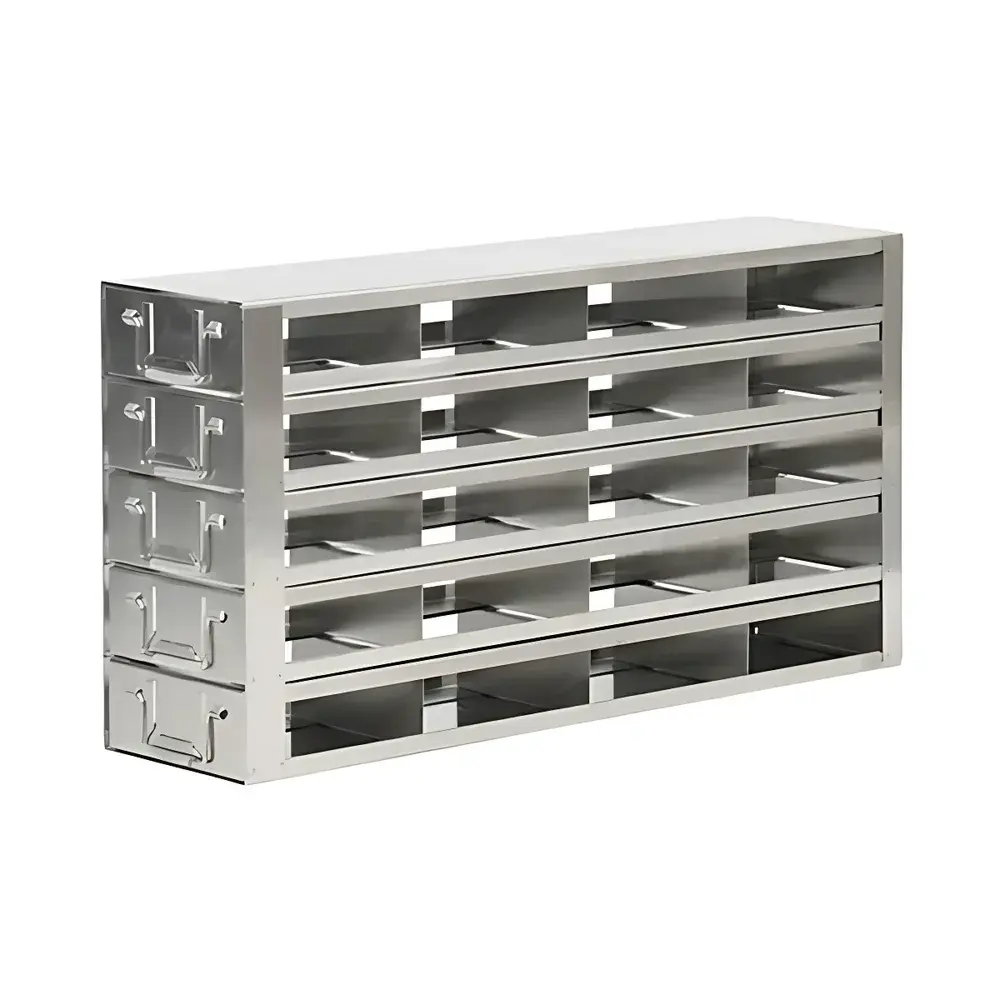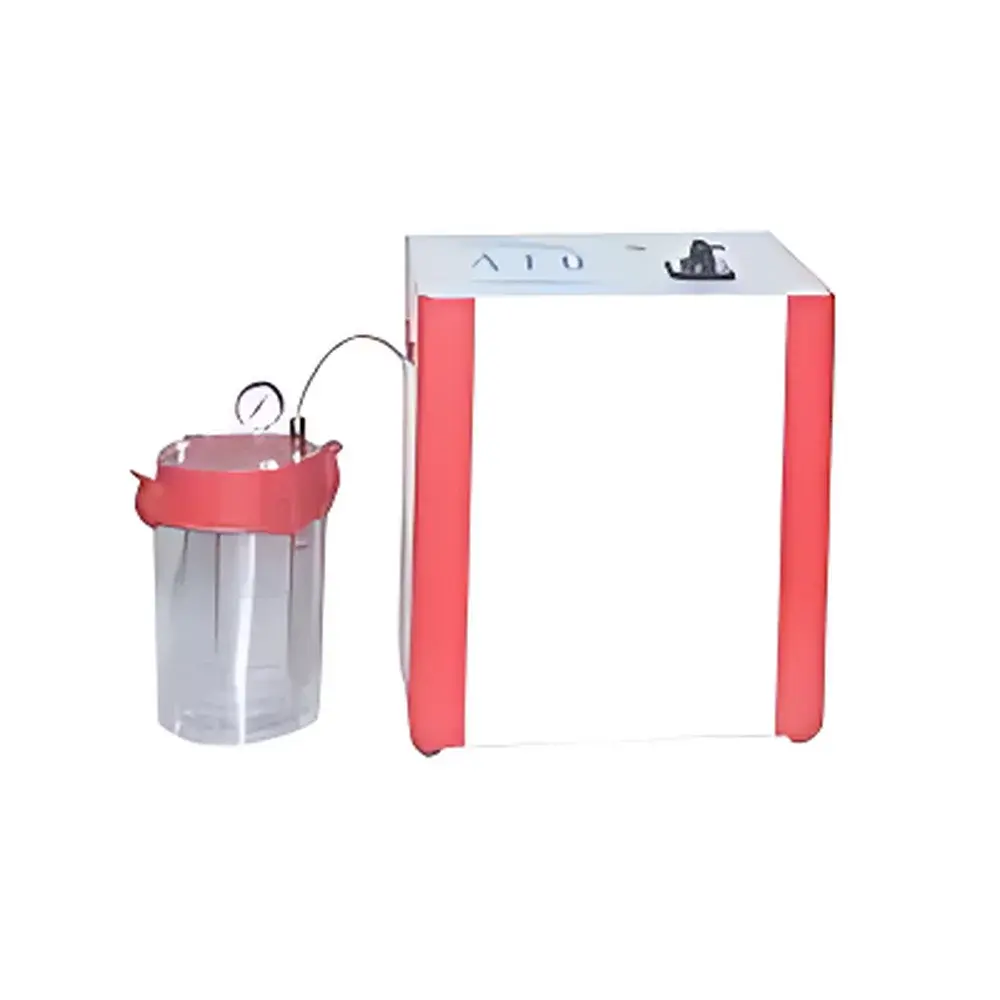
GeneScience A10 Mini Anaerobic Chamber System
| Brand | GeneScience |
|---|---|
| Origin | USA |
| Model | A10 MINI |
| Incubation Temperature Range | +3°C to 52°C |
| Temperature Uniformity | ±0.3°C |
| Humidity Range | Ambient to 85% RH |
| Final Vacuum Pressure | < 50 mbar |
| Max Gas Injection Pressure | 1050 mbar |
| Gas Flow Rate (50 Hz) | 0.9 m³/h |
| External Dimensions | 14.5 × 23.5 × 28 cm |
| Net Weight | 5 kg |
| Chamber Volume | 3.5 L |
| Power Supply | 220 V, 50 Hz |
Overview
The GeneScience A10 Mini Anaerobic Chamber System is a compact, benchtop-scale anaerobic workstation engineered for precise oxygen-free cultivation of obligate and facultative anaerobes in research and quality control laboratories. Unlike conventional water-jacketed or gas-purged incubators, the A10 Mini employs a dry, vacuum-assisted gas exchange mechanism based on sequential evacuation and controlled re-filling with pre-mixed anaerobic gases (e.g., 5% H₂ / 10% CO₂ / 85% N₂). This principle eliminates reliance on liquid media or oil-sealed pumps, ensuring sterility integrity, minimizing maintenance overhead, and avoiding condensation-related contamination risks. Its modular architecture integrates a sealed 3.5 L reaction chamber with an integrated vacuum pump, solenoid-controlled gas manifold, and microprocessor-based controller — enabling reproducible establishment of <10 ppm O₂ environments within minutes. Designed for GLP-compliant workflows, the system supports traceable parameter logging and repeatable cycle execution across microbiological, clinical, and pharmaceutical applications.
Key Features
- Dry, oil-free operation: Eliminates water reservoirs and lubricated vacuum components, reducing microbial cross-contamination risk and service intervals.
- Programmable multi-cycle gas exchange: Users define vacuum depth, fill pressure, dwell time, and number of purge-refill iterations to optimize O₂ removal efficiency for sensitive strains.
- High-precision environmental control: Maintains temperature stability of ±0.3°C across the full +3°C–52°C range, with active humidity retention up to 85% RH via passive vapor equilibrium.
- Compact footprint (14.5 × 23.5 × 28 cm) and low mass (5 kg): Enables deployment in biosafety cabinets, laminar flow hoods, or constrained lab spaces without structural reinforcement.
- Integrated safety monitoring: Real-time display of chamber pressure, cycle progress, and fault diagnostics (e.g., leak detection, pump timeout, valve actuation failure).
- Gas compatibility: Supports standard anaerobic mixtures (H₂/CO₂/N₂), CO₂-only, or custom blends; inlet pressure tolerance up to 1050 mbar ensures compatibility with regulated gas cylinders and centralized lab supply lines.
Sample Compatibility & Compliance
The A10 Mini accommodates Petri dishes (up to 100 mm diameter), anaerobic jars, microtiter plates, and small-volume bioreactors (≤3.5 L total volume). Its chamber design conforms to ISO 11133:2014 requirements for microbiological culture media preparation and incubation validation. All wetted materials — including silicone gaskets, borosilicate viewport, and stainless-steel gas pathways — are USP Class VI compliant and resistant to ethanol, hydrogen peroxide vapor, and common disinfectants. The system supports audit-ready documentation when paired with external data loggers meeting FDA 21 CFR Part 11 requirements for electronic records and signatures.
Software & Data Management
While the A10 Mini operates via an intuitive front-panel interface with LED status indicators and tactile membrane buttons, optional RS-232 or USB-to-serial connectivity enables integration with laboratory information management systems (LIMS) or custom SCADA platforms. Cycle parameters (vacuum setpoint, fill pressure, iteration count, dwell duration) are stored in non-volatile memory with timestamped execution logs. For GMP environments, users may configure external PLC-triggered start/stop signals and generate CSV-formatted reports for batch record compilation and regulatory review.
Applications
- Cultivation of strict anaerobes including Clostridium difficile, Bacteroides fragilis, and Fusobacterium nucleatum in clinical microbiology labs.
- Preparation and incubation of anaerobic blood culture bottles and selective isolation media (e.g., CDC anaerobe agar, Brucella blood agar).
- Microbiome research involving fecal sample processing, short-chain fatty acid production assays, and host-microbe interaction studies under physiologically relevant O₂ gradients.
- Pharmaceutical QC testing of probiotic viability, antimicrobial susceptibility under anaerobic conditions (CLSI M11-A9), and stability assessment of oxygen-sensitive biologics.
- Educational use in undergraduate and graduate microbiology courses requiring hands-on exposure to anaerobic methodology without infrastructure-intensive glove boxes.
FAQ
What is the minimum detectable oxygen concentration achievable in the chamber?
The A10 Mini achieves residual O₂ levels below 10 ppm after three standardized purge-refill cycles using certified 5% H₂ / 10% CO₂ / 85% N₂ gas. Actual performance depends on initial ambient O₂, seal integrity, and gas purity.
Can the system be used for microaerophilic cultures?
Yes — by adjusting the final gas composition (e.g., 5–10% O₂ balanced with CO₂ and N₂) and modifying cycle parameters, the A10 Mini supports microaerophilic protocols per CLSI M45 guidelines.
Is calibration required prior to first use?
No factory calibration is needed; however, users should verify chamber seal integrity using the built-in leak test function and confirm temperature uniformity with an NIST-traceable probe before routine operation.
Does the unit comply with electrical safety standards for international use?
The A10 Mini meets IEC 61010-1:2010 for laboratory equipment and carries CE marking. Voltage input is fixed at 220 V, 50 Hz; a step-down transformer is required for 110 V / 60 Hz regions.
How often does the vacuum pump require maintenance?
Under normal usage (≤10 cycles/day), the diaphragm pump requires no scheduled servicing for ≥12 months. Replacement of the integrated particulate filter is recommended every 6 months or after 500 operating hours.