
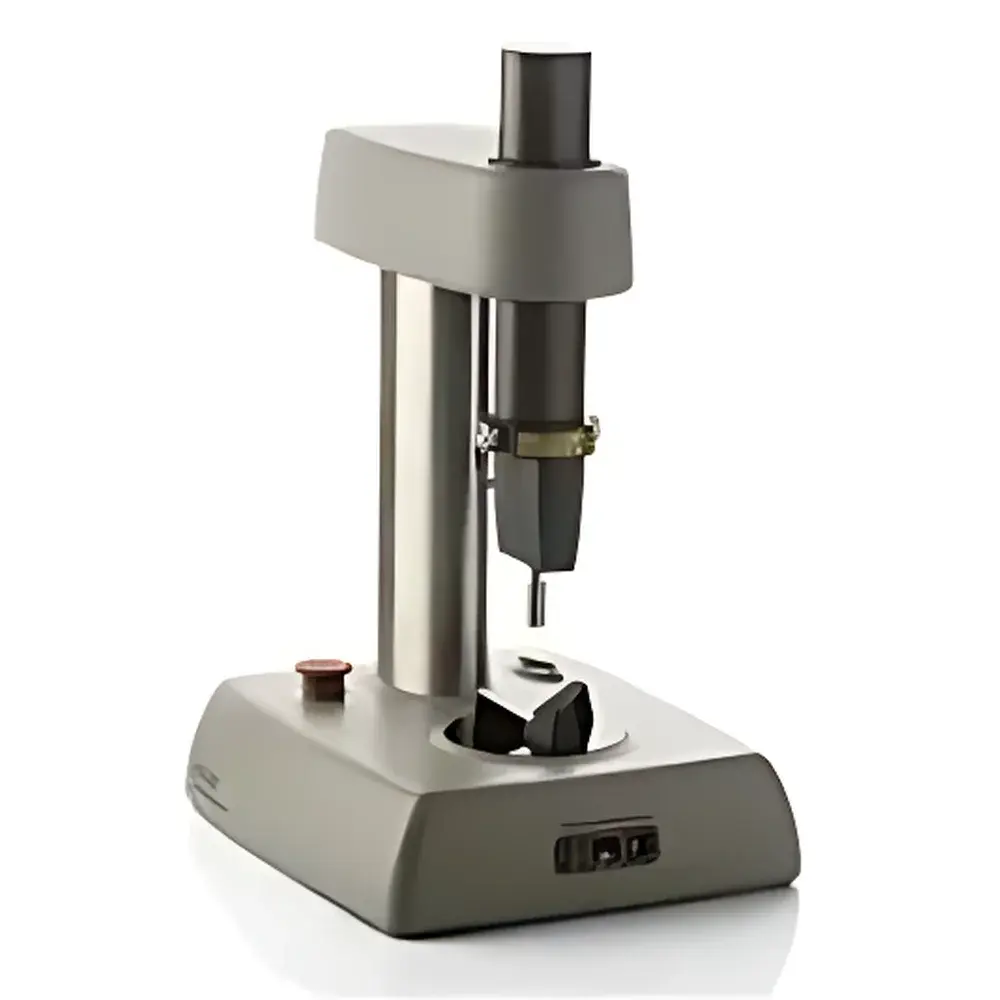
FTA Fruit Texture Analyzer – South African Imported Precision Instrument for Hardness, Diameter & Weight Measurement
| Origin | South Africa |
|---|---|
| Manufacturer Type | Authorized Distributor |
| Import Status | Imported |
| Model | FTA (GS-15 / GS-25) |
| Hardness Range | 0–15 kg (GS-15) / 0–25 kg (GS-25) |
| Hardness Resolution | 0.02 kg / 0.04 lb / 0.2 N |
| Repeatability | ±0.5% (GS-15) / ±0.4% (GS-25) |
| Probe Speed | 5–35 mm/s |
| Sample Mass Range | 30–14,000 g (GS-15) / 30–20,000 g (GS-25) |
| Max Fruit Diameter | 120 mm |
| Depth Unit | mm or in |
| Hardness Units | kg, lb, N |
| Power Supply | 110 V or 220 V AC, 50/60 Hz |
| Power Consumption | 100 W (GS-15) / 120 W (GS-25) |
| Interface Options | EFM (optional), Barcode Input (optional), LCD/Keyboard Display Module (optional) |
Overview
The FTA Fruit Texture Analyzer is a dedicated mechanical testing instrument engineered for objective, reproducible quantification of three critical postharvest quality parameters in intact fruits: puncture hardness (firmness), equatorial diameter, and mass. Unlike subjective manual assessments or generic force gauges, the FTA employs a motorized, programmable probe system that advances at a controlled, constant velocity (5–35 mm/s) into the fruit tissue—typically at the equatorial region—to measure the maximum force required to penetrate the peel and underlying parenchyma. This standardized puncture test follows principles aligned with ASTM F3198–21 (Standard Test Method for Measuring Firmness of Fresh Fruits Using a Penetrometer) and ISO 11348-2 (for consistency in horticultural texture evaluation). The instrument’s rigid frame, calibrated load cell, and real-time displacement feedback ensure high inter-instrument and intra-laboratory reproducibility—critical for longitudinal shelf-life studies, cultivar screening, harvest timing decisions, and quality assurance protocols across commercial packinghouses and research stations.
Key Features
- Motor-driven, velocity-controlled probe insertion with adjustable speed (5–35 mm/s) to maintain consistent strain rate across diverse fruit textures—from soft berries to dense pome fruits.
- Dual-range load cell options: GS-15 (0–15 kgf) and GS-25 (0–25 kgf), each calibrated to ±0.02 kg resolution and certified traceability to national standards.
- Integrated digital measurement modules for simultaneous acquisition of hardness (kg, lb, N), diameter (mm/in), and mass (g), eliminating manual transcription errors.
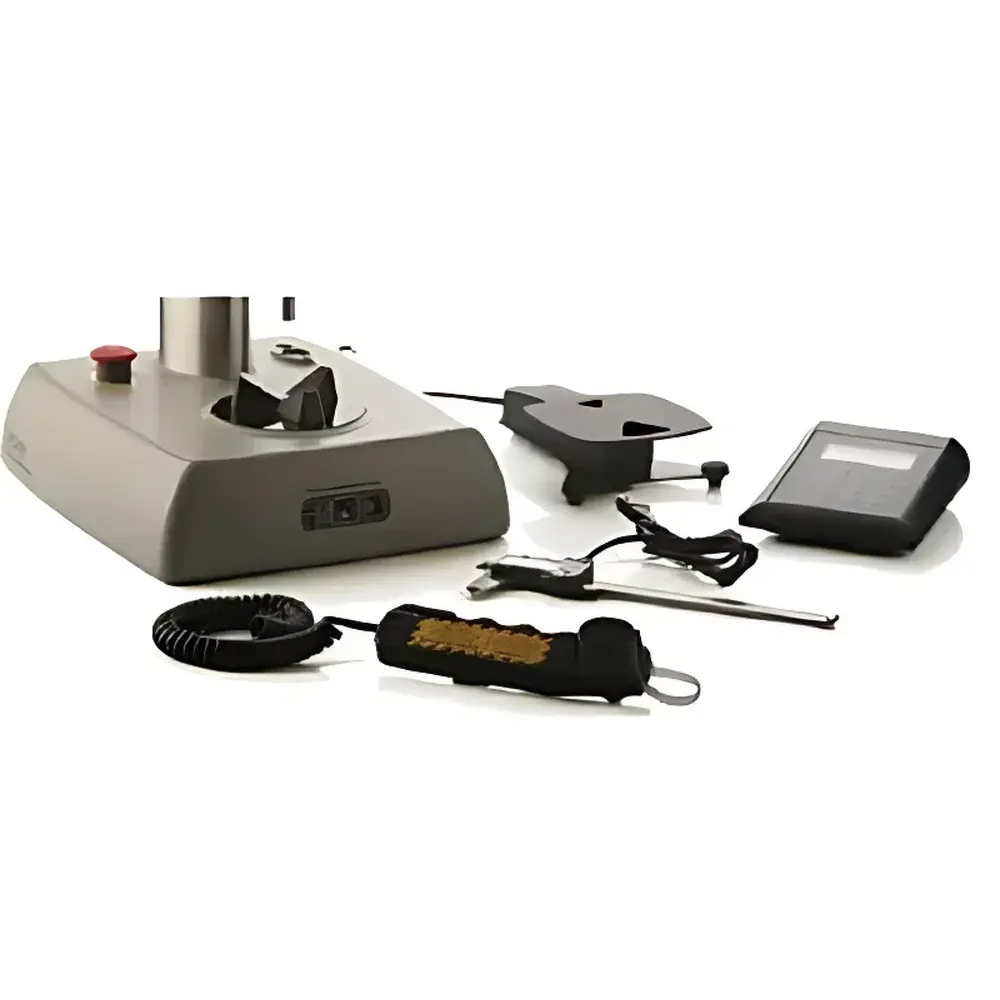
- Modular accessory architecture: Optional EFM-compatible diameter gauge (12–100 mm range), precision weighing module (0.1 g resolution), and standalone LCD/keyboard display unit for field-deployable operation without PC dependency.
- Robust mechanical construction (12 kg base mass) minimizes vibration-induced noise during penetration; stainless-steel probe tips resist corrosion from organic acids and juice residues.
- Compliance-ready design: Supports audit trails via timestamped data export; compatible with laboratory information management systems (LIMS) through ASCII/CSV output protocols.
Sample Compatibility & Compliance
The FTA is validated for direct measurement on whole, unpeeled fruits including apple, pear, peach, nectarine, plum, citrus (orange, mandarin), kiwifruit, melon (cantaloupe, honeydew), tomato, mango, and olive. Its 120 mm maximum sample diameter accommodates standard commercial fruit sizes without sectioning or preparation. All measurements adhere to internationally recognized horticultural testing conventions: hardness values correlate directly with USDA Agricultural Handbook No. 66 firmness thresholds and EU Regulation (EC) No. 1221/2008 sensory grading benchmarks. The instrument’s electrical safety conforms to IEC 61010-1:2010 for laboratory equipment, and its CE marking verifies electromagnetic compatibility (EMC Directive 2014/30/EU). For regulated environments (e.g., GMP-compliant QA labs), optional barcode input enables sample ID traceability linked to batch records.
Software & Data Management
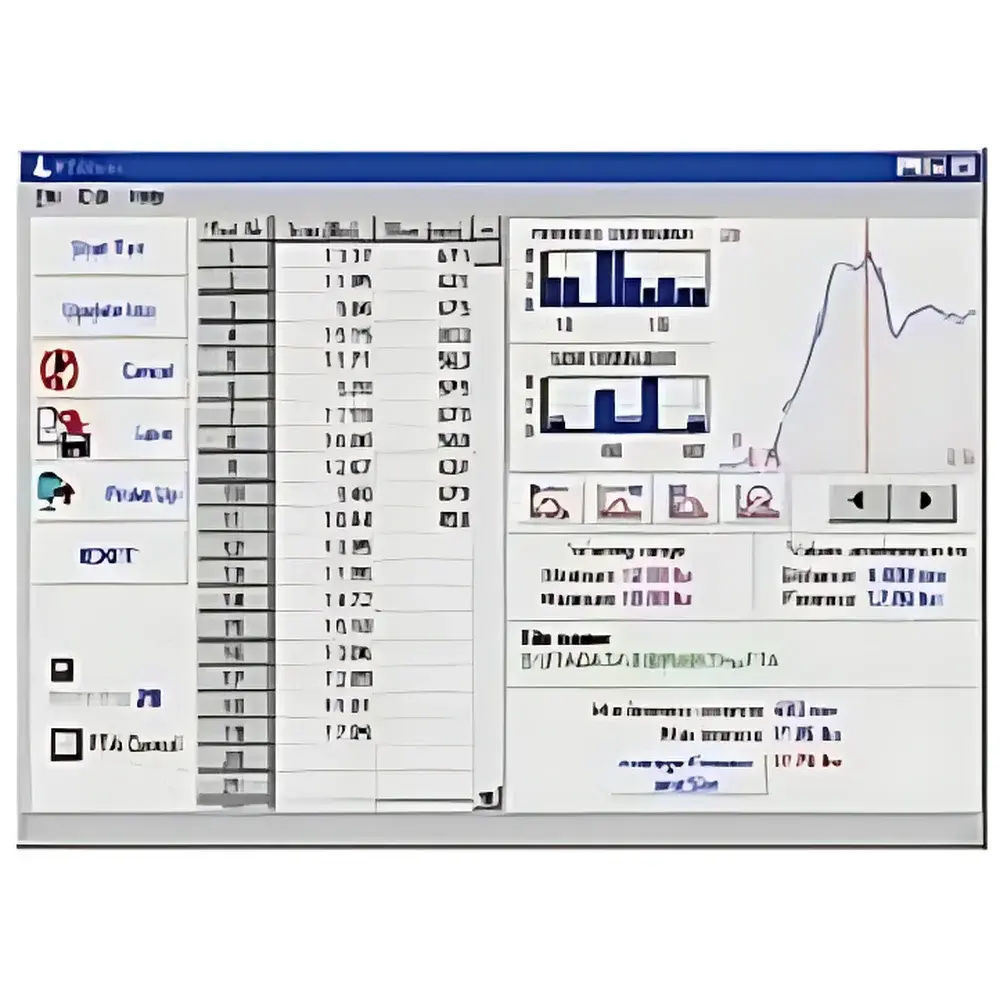
The included Windows-compatible control software (supports Windows 98 through Windows 10 x64) provides real-time force–displacement curve visualization, configurable test sequences, and automated pass/fail flagging against user-defined limits. Raw data are stored in native .FTA binary format and exportable in three interoperable formats: Microsoft Excel (.xlsx), Word (.docx), and Access (.accdb)—enabling seamless integration into statistical analysis pipelines (e.g., JMP, R, SAS). Each exported file contains embedded metadata: operator ID, timestamp, probe ID, calibration certificate number, ambient temperature/humidity (if logged externally), and measurement units. Audit-trail functionality logs all parameter changes, data exports, and software updates—supporting compliance with FDA 21 CFR Part 11 requirements when paired with institutional electronic signature policies. Software installation requires <5 minutes and no administrative privileges.
Applications
- Postharvest physiology research: Quantifying ethylene-induced softening kinetics during ripening or cold storage.
- Cultivar development programs: High-throughput screening of breeding lines for firmness stability under varying irrigation or nutrient regimes.
- Supply chain quality monitoring: In-line verification of maturity at packinghouse receiving docks using pre-set tolerance bands.
- Regulatory compliance reporting: Generating auditable firmness datasets for export certifications (e.g., SPS measures under WTO agreements).
- Educational laboratories: Teaching biomechanics of plant tissues through hands-on puncture modulus calculation and stress–strain curve interpretation.
FAQ
What standards does the FTA comply with for fruit firmness testing?
The FTA implements test methodology consistent with ASTM F3198–21 and ISO 11348-2. Calibration certificates reference NIST-traceable force standards.
Can the FTA operate without a computer?
Yes—when equipped with the optional LCD/keyboard display module, all measurements (hardness, diameter, weight) are shown locally in real time with no PC required.
How often does the load cell require recalibration?
Annual recalibration is recommended; however, daily zero-checks and quarterly verification using certified test weights are advised for GLP-compliant workflows.
Is the probe interchangeable for different fruit types?
Standard probes are 7.9 mm diameter cylindrical tips (ASTM-compliant); custom diameters (e.g., 3.2 mm for small berries) are available as OEM accessories.
Does the software support multi-user permissions?
The current version supports operator-level login but does not include role-based access control (RBAC); this feature is available in enterprise LIMS-integrated deployments.
Related Products



