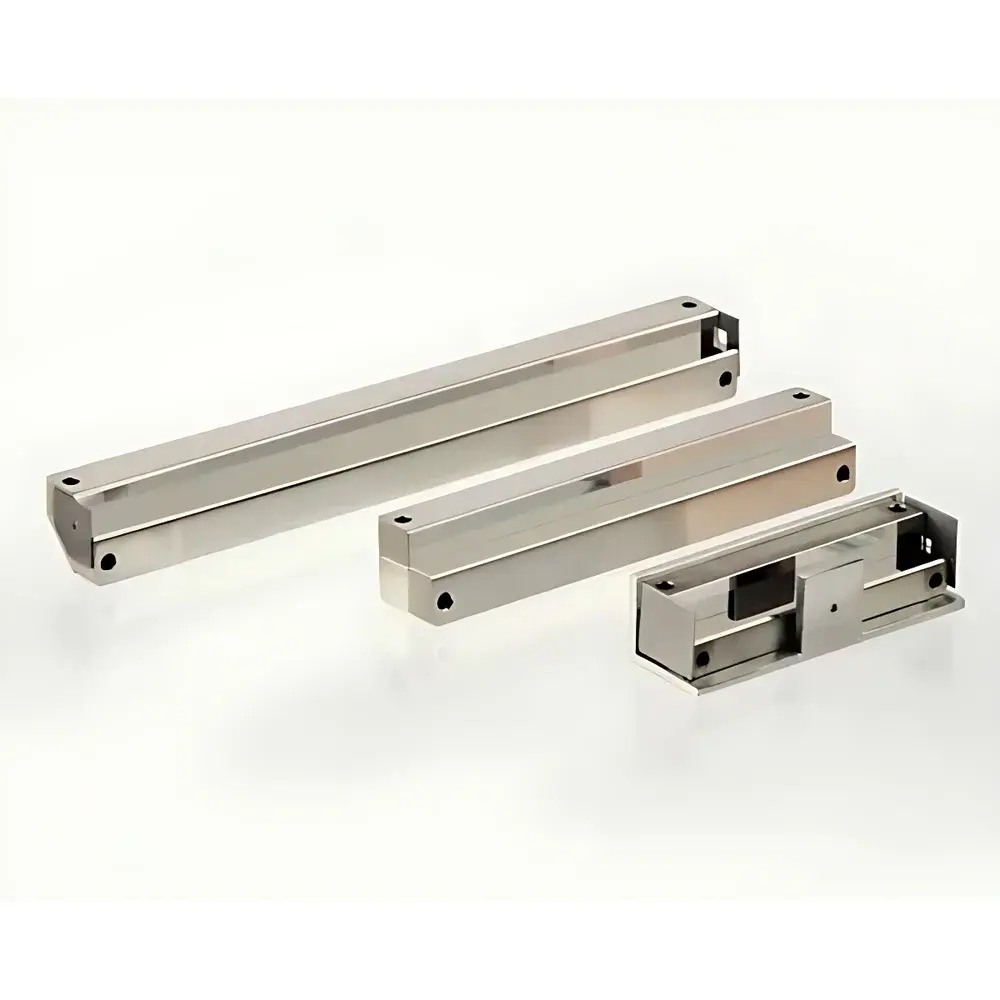
Incoatec MX Multilayer X-ray Optics

| Brand | Incoatec |
|---|---|
| Origin | Germany |
| Model | MX Multilayer Optics |
| Application | Protein Crystallography |
| Radiation Source Compatibility | Cu Kα (λ = 1.5418 Å) |
| Focal Spot Size | ≤ 0.11 mm (FWHM) |
| Beam Divergence | ≤ 7.6 mrad |
| Photon Flux Density | Up to 1 × 10¹⁰ photons/s·mm² |
| Coating Architecture | Depth-graded multilayer (e.g., W/Si or Ni/C) |
| Mounting Interface | Standard kinematic flange (CF-63 or CF-100, configurable) |
| Thermal Stability | Engineered for long-term stability under high-flux synchrotron and laboratory microfocus source operation |
Ask about pricing, availability and specifications.
Overview
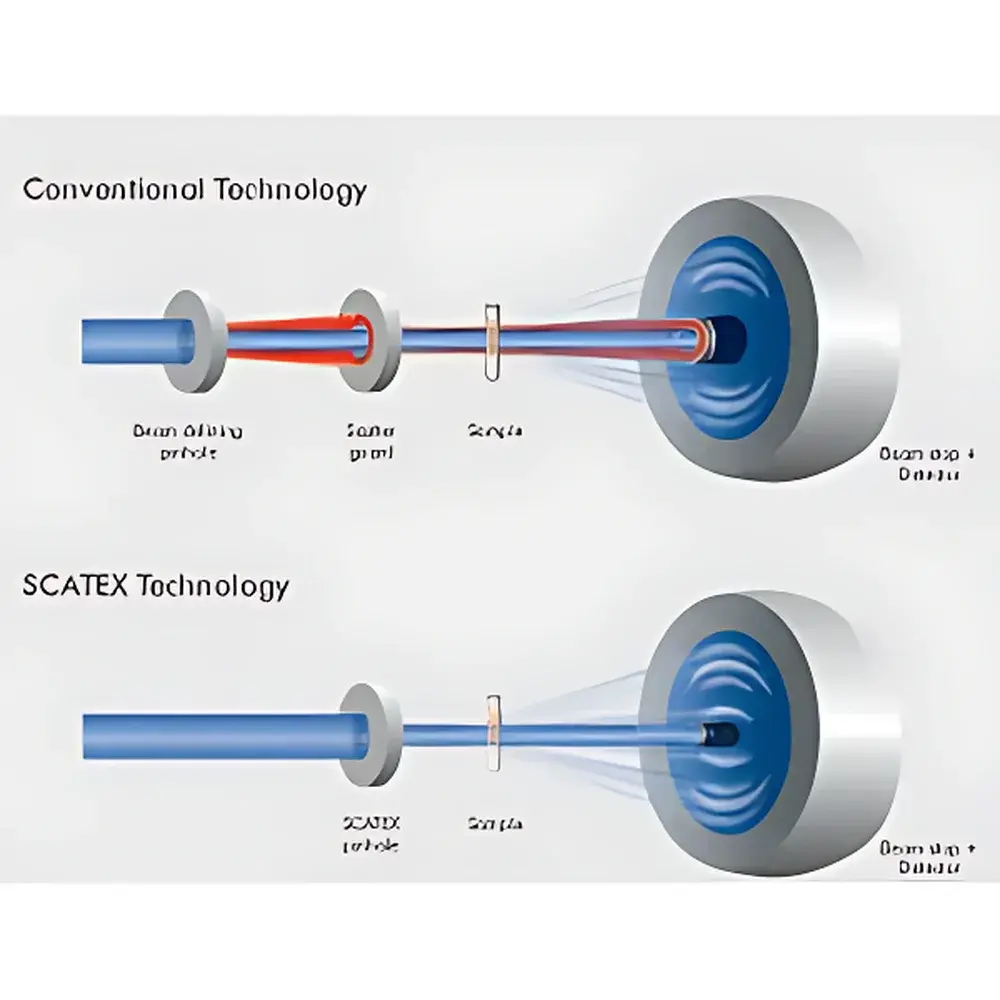
Incoatec MX Multilayer X-ray Optics represent a purpose-engineered advancement in laboratory-scale X-ray beam conditioning for macromolecular crystallography (MX). These optics operate on the principle of total external reflection combined with constructive interference from depth-graded multilayer coatings—typically alternating nanoscale layers of high-Z (e.g., tungsten or nickel) and low-Z (e.g., silicon or carbon) materials. This architecture enables efficient monochromatic focusing of Cu Kα radiation (1.5418 Å) at near-normal incidence angles, delivering sub-100 µm focal spots with enhanced flux density and reduced angular divergence compared to conventional elliptical mirrors or polycapillary optics. Designed specifically for microcrystallography workflows, the MX optics minimize background scatter from cryoprotectants, air, and mounting media by concentrating photon flux into a tightly confined volume—thereby improving signal-to-noise ratio (SNR), reducing radiation damage per diffraction image, and enabling higher-resolution data collection from sub-micron or mosaic-limited crystals.
Key Features
- Sub-0.12 mm FWHM focal spot size optimized for microcrystal diffraction and serial crystallography applications
- Depth-graded multilayer coating (e.g., W/Si or Ni/C) engineered for peak reflectivity (>65%) at Cu Kα wavelength
- Thermally stable substrate geometry minimizing focal drift during extended exposure sequences
- Kinematic mounting interface compatible with standard UHV/X-ray vacuum flanges (CF-63 or CF-100)
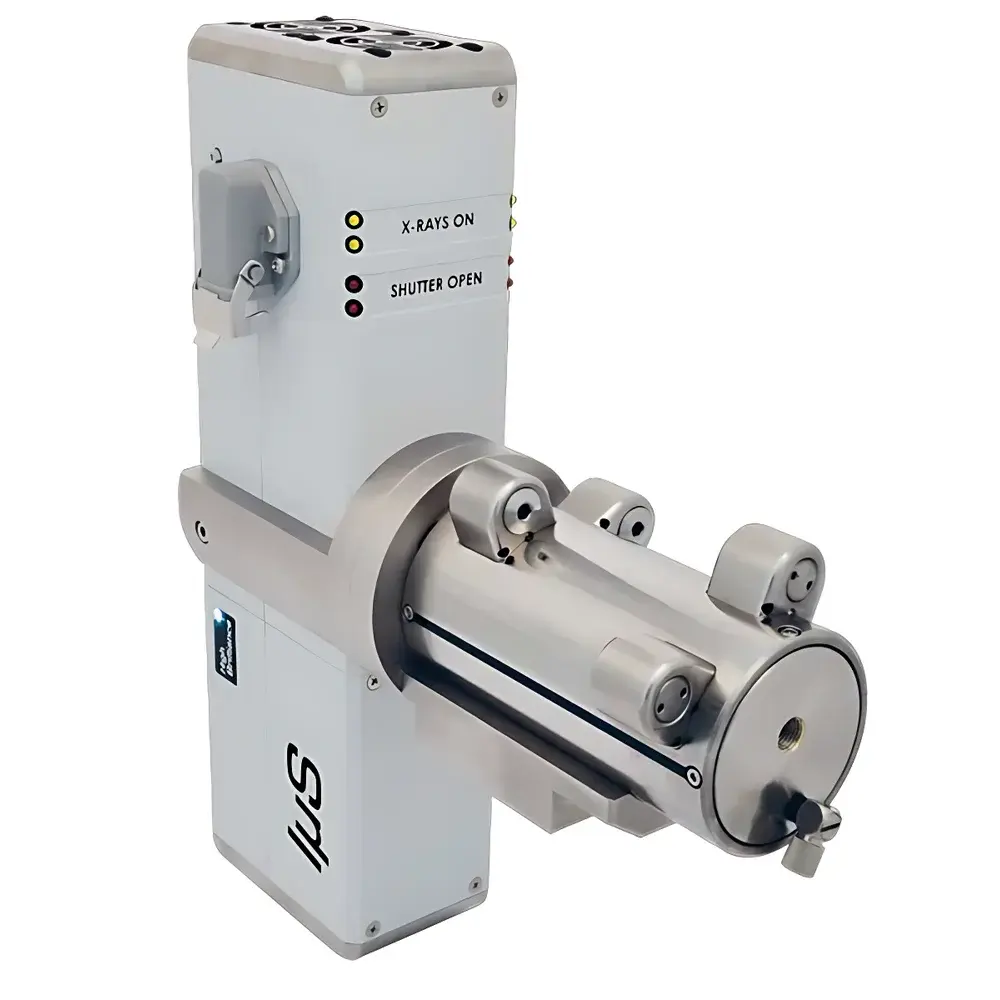
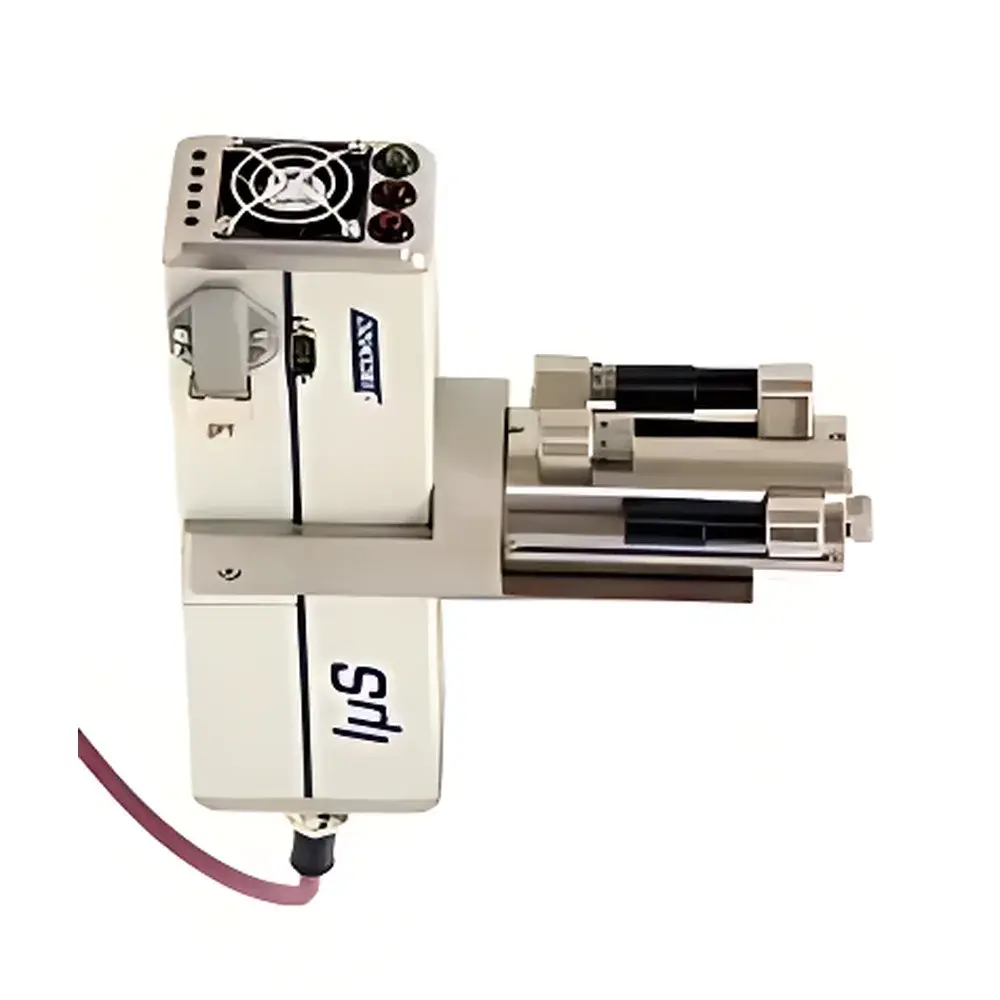
- Optimized for integration with Incoatec’s μS and μS-MX microfocus X-ray sources, as well as rotating anode generators (e.g., Rigaku FR-E+, Bruker MicroStar)
- No moving parts; maintenance-free operation under high-vacuum or He-purged beam paths
Sample Compatibility & Compliance
The MX optics are routinely deployed in GLP-compliant structural biology laboratories conducting crystallographic screening, ligand soaking studies, and time-resolved diffraction experiments. Their performance is validated against ISO 17025-accredited calibration protocols for beam characterization (e.g., knife-edge scanning, pinhole imaging). The optical design conforms to IUCr-recommended beamline specifications for microfocus MX, supporting compliance with PDB deposition requirements for resolution cutoff, completeness, and multiplicity. When integrated into automated goniometer systems (e.g., Arinax, Huber), the optics support full traceability of beam parameters per data collection run—meeting audit requirements under FDA 21 CFR Part 11 when paired with compliant LIMS and data acquisition software.
Software & Data Management
While the MX optics themselves are passive components, their performance is fully characterized and documented via Incoatec’s OptiCal beam metrology suite—a Python-based toolkit that interfaces with standard CCD/CMOS detectors (e.g., Dectris EIGER, Rayonix MX300HS) to quantify focal size, intensity profile, and divergence. Beam parameter logs are exportable in HDF5 format and can be embedded directly into ISPyB or XChem database entries. For automated beamline control, the optics integrate seamlessly with EPICS IOC drivers and Bluesky-based experiment orchestration frameworks, enabling closed-loop optimization of focus position relative to sample centering routines.
Applications
- Routine high-throughput crystallographic screening of membrane proteins and large complexes
- Time-resolved Laue and monochromatic diffraction using rapid-readout detectors
- Micro-diffraction from in situ crystallization plates (e.g., MRC, SwissCI) with minimal beamstop shadowing
- Serial femtosecond crystallography (SFX) pre-characterization using lab-based sources
- Small-angle X-ray scattering (SAXS) beam conditioning for hybrid MX/SAXS experiments
- Validation of beamline optics performance prior to synchrotron access proposals
FAQ
What is the typical lifetime of the MX multilayer coating under continuous Cu Kα irradiation?
The depth-graded multilayer retains >95% initial reflectivity after 5,000 hours of operation with a 50 W microfocus source under He-purged conditions. Degradation is monitored via periodic beam profile scans.
Can the MX optics be used with Mo Kα radiation?
No—they are specifically optimized for Cu Kα (1.5418 Å); Mo Kα (0.7107 Å) requires alternative multilayer designs (e.g., Ni/C or Cr/Sc) not covered by the MX series.
Is alignment required after installation?
Yes—initial alignment uses a laser pointer and X-ray fluorescence scan; subsequent re-alignment is rarely needed unless mechanical disturbance occurs.
Does Incoatec provide beamline integration support?
Yes—application engineers offer remote and on-site commissioning services, including beam characterization reports and SOP documentation aligned with ISO/IEC 17025.
Are custom focal lengths or working distances available?
Yes—custom curvature radii and substrate geometries are offered under NRE agreements for OEM integration into proprietary diffractometers or compact beamlines.