
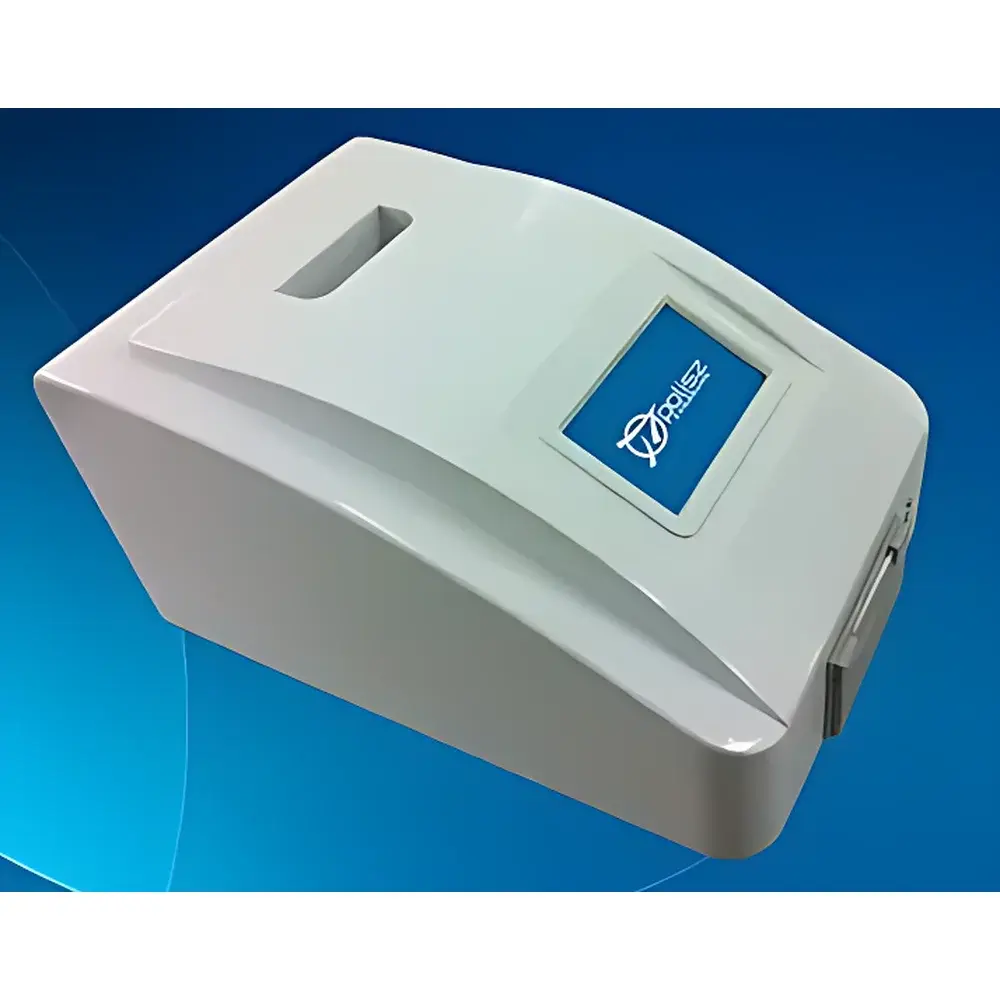
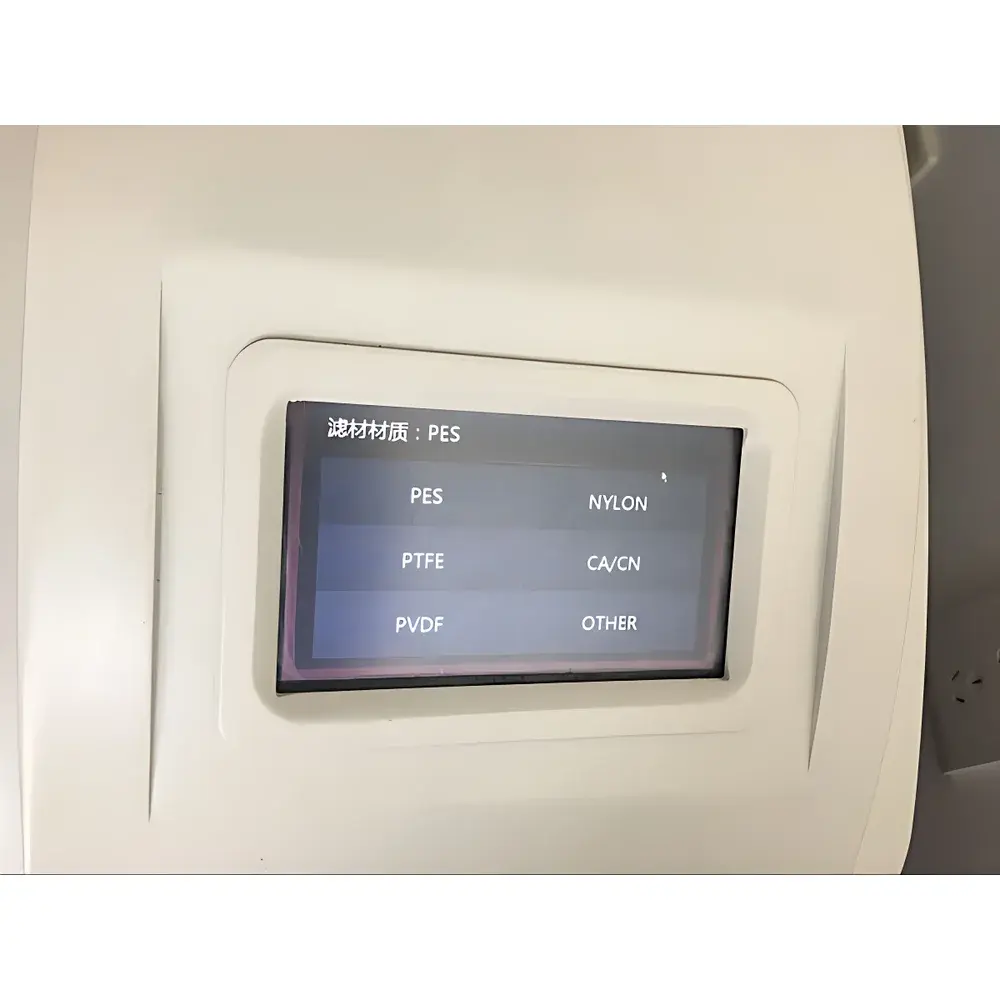
Beijing North Guang Precision Instruments BQS-19 Filter Integrity Tester
| Brand | Beijing North Guang Precision Instruments |
|---|---|
| Origin | Beijing, China |
| Manufacturer Type | OEM Manufacturer |
| Product Category | Domestic |
| Model | BQS-19 |
| Power Supply | 170–240 V AC, 50/60 Hz, 100 W |
| Max Operating Pressure | 7999 mbar |
| Minimum Inlet Pressure | 3000 mbar |
| Test Pressure Range | 500–6900 mbar |
| Pressure Sensitivity | ±1.0 mbar |
| Bubble Point Accuracy | ±60 mbar |
| Dimensions (W×D×H) | 240 × 320 × 260 mm |
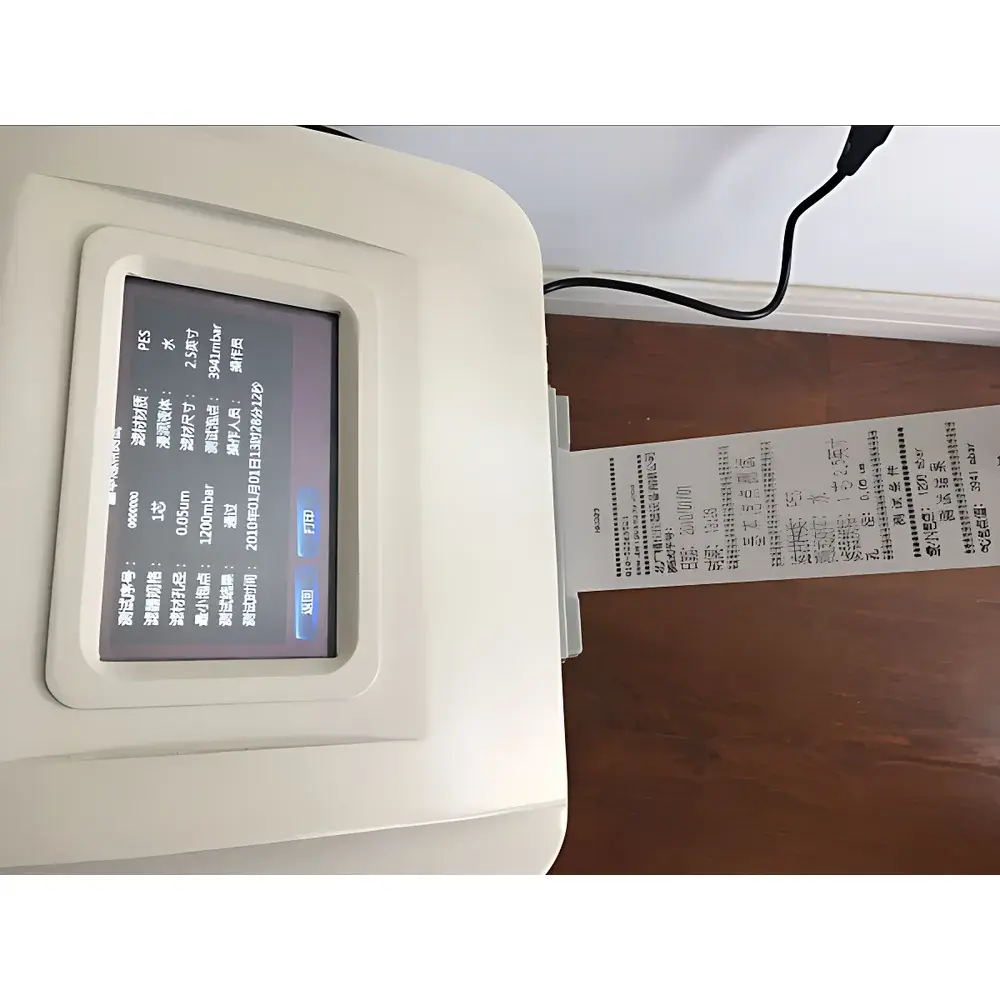
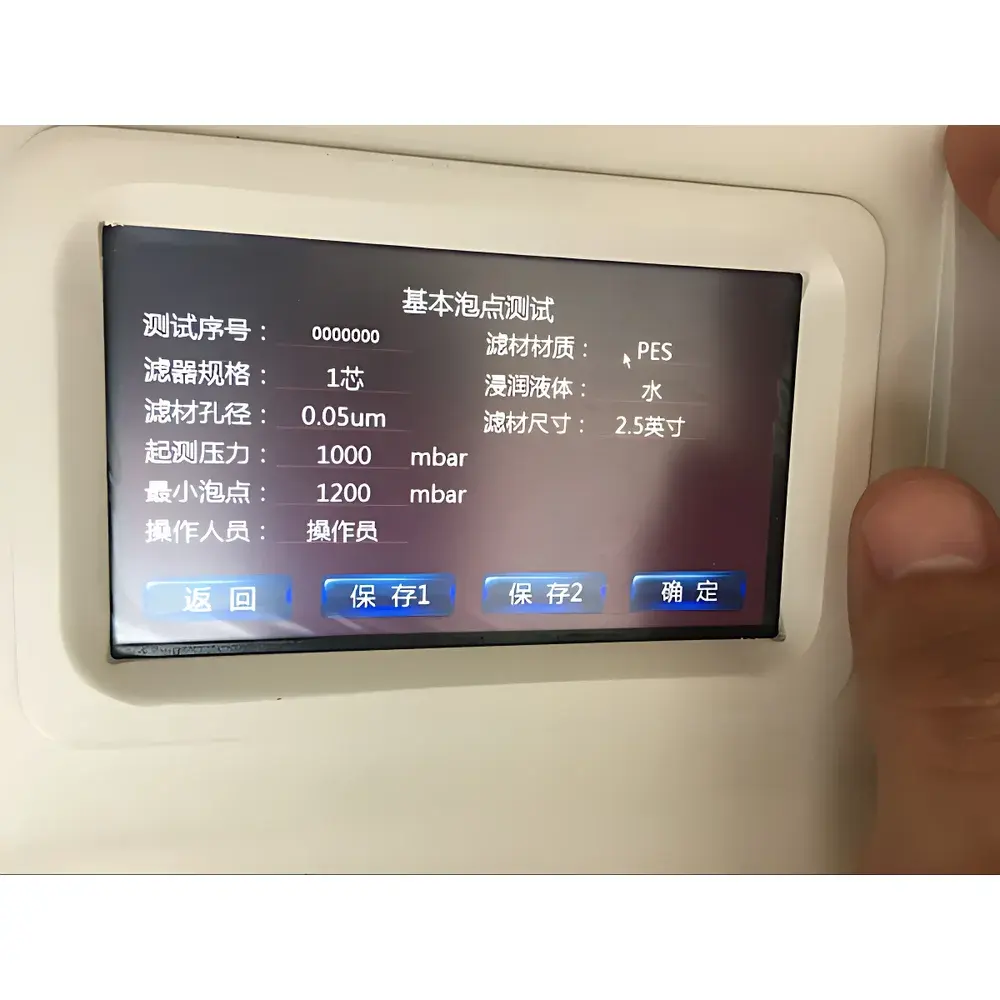
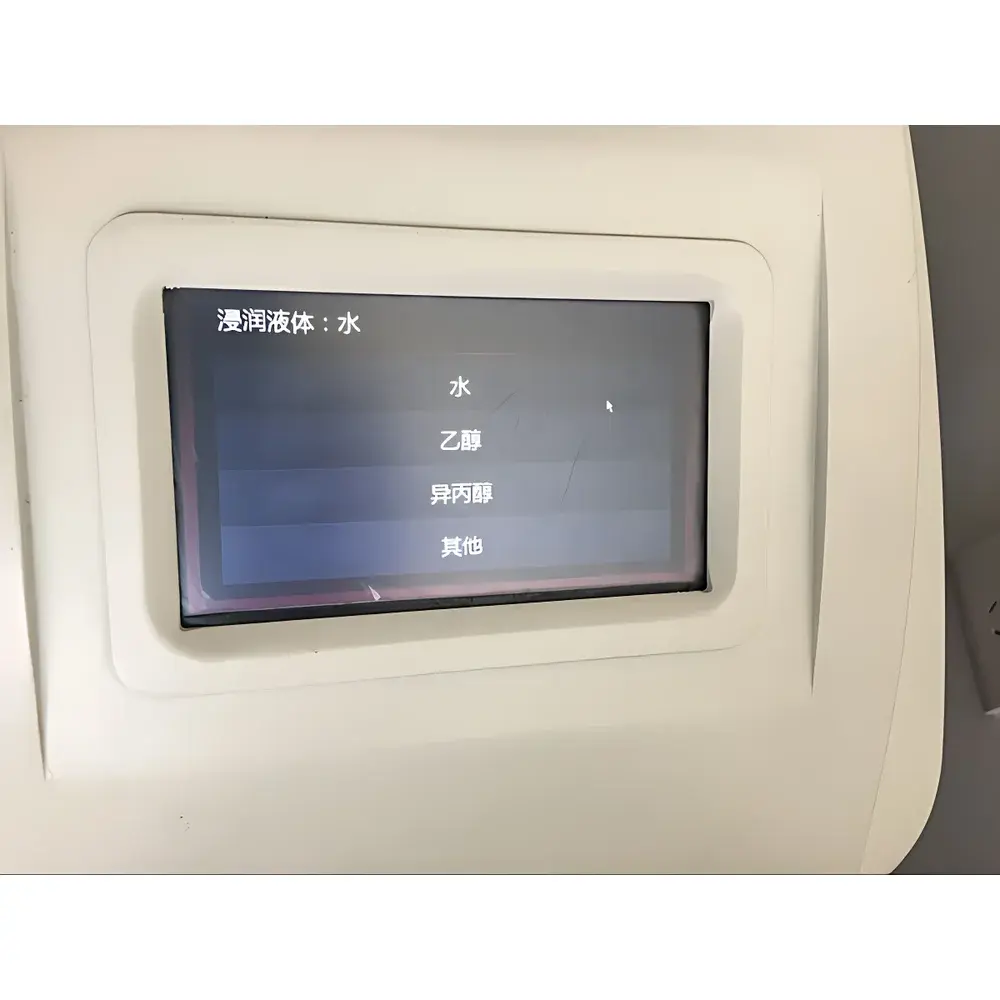
| Display | 5.7–7-inch color TFT touchscreen, 256-color, bilingual (English/Chinese) interface |
| Storage Capacity | 32 GB (≥1 million test records) |
| Operating Temperature | 0–50 °C |
| Relative Humidity | 10–80% RH |
| Test Duration (typical) | Bubble Point: 2 ± 2 min |
| Diffusion Flow | 7 ± 2 min |
| Water Intrusion | 7 ± 2 min |
| System Leak Check | 3 ± 1 min |
| Compliance | Designed to support GMP, FDA 21 CFR Part 11 (audit trail enabled), ISO 13408-2, ASTM F838, USP <1207> |
Overview
The Beijing North Guang Precision Instruments BQS-19 Filter Integrity Tester is an engineered solution for quantitative, non-destructive assessment of membrane and cartridge filter integrity in regulated pharmaceutical, biotechnology, and sterile manufacturing environments. It operates on three internationally recognized physical principles: bubble point (BP), diffusion flow (DF), and water intrusion (WI), each aligned with pharmacopoeial standards including USP , ISO 13408-2, and ASTM F838. The instrument employs a digitally controlled pressure ramping system based on ARM9 architecture and Windows CE 6.0 real-time OS, enabling precise regulation of upstream gas pressure and high-resolution detection of gas flow or liquid intrusion under defined thermodynamic conditions. Its design prioritizes repeatability, traceability, and compliance—critical attributes for validation protocols, routine QC release testing, and post-sterilization integrity verification of hydrophilic and hydrophobic filters.
Key Features
- Digital automatic gas inlet control: Eliminates manual needle-valve adjustment; maintains stable test pressure regardless of supply pressure fluctuations (3000–7999 mbar range).
- Auto-exit upon pass criterion: Terminates test sequence immediately after meeting pre-defined acceptance criteria, reducing unnecessary exposure time and extending filter service life.
- Bilingual touchscreen interface (English/Chinese) with contextual on-screen prompts and “one-touch repeat” functionality for standardized test re-execution.
- Integrated thermal and pressure safety interlocks: Continuous self-diagnostic monitoring ensures automatic venting if internal pressure exceeds safe thresholds during standby or operation.
- Onboard 32 GB flash storage supporting ≥1 million full-test records—including test parameters, raw pressure/time curves, and final pass/fail determinations.
- RS232 and USB interfaces for bidirectional communication with LIMS or PC-based data management software; supports remote configuration, batch reporting, and unlimited historical archive export.
- Comprehensive user access control: Three-tier permission structure (Operator, Supervisor, Administrator) with customizable passwords and audit-trail logging per FDA 21 CFR Part 11 requirements.
Sample Compatibility & Compliance
The BQS-19 accommodates a broad spectrum of sterile-grade filtration configurations: disc membranes (Φ25–Φ300 mm), standard cartridges (2.5″–40″, 1–9 cores), capsule filters, mini-cartridges, and vent filters. It supports both hydrophilic (e.g., PVDF, PES, nylon) and hydrophobic (e.g., PTFE, PP) media via appropriate wetting protocols—ethanol/water for hydrophobics in BP/DF mode, and pure water for WI testing. All test methods conform to regulatory expectations for filter qualification and process validation. The instrument’s pressure control resolution (±1.0 mbar) and calibrated flow measurement enable correlation with microbial challenge data per HIMA guidelines. Its firmware and electronic architecture are designed to meet GLP/GMP documentation requirements, including electronic signatures, change control logs, and tamper-evident data storage.
Software & Data Management
The embedded Windows CE 6.0 platform hosts a deterministic real-time test engine with deterministic timing loops for pressure ramping, stabilization, and flow acquisition. Each test generates a timestamped record containing metadata (operator ID, filter ID, lot number), configurable test parameters (target pressure, hold time, sensitivity threshold), and time-series pressure/flow datasets. Reports are exportable in PDF or CSV format and include graphical overlays of pressure decay or water intrusion curves. When connected to a host PC, the optional desktop application enables centralized fleet management, statistical trend analysis (e.g., Cpk, control charts), and automated report generation compliant with Annex 1 and EU GMP Chapter 4. Audit trails record all parameter modifications, user logins, and report exports with immutable timestamps.
Applications
This instrument serves as a critical quality gate in aseptic processing workflows: pre-use post-sterilization integrity verification of sterilizing-grade filters in bioreactor harvest lines; final fill filtration systems; and compressed gas distribution networks. It is routinely deployed by vaccine manufacturers, parenteral drug producers, and filter OEMs for incoming inspection, in-process release, and stability-indicating shelf-life studies. The water intrusion method enables post-steam-in-place (SIP) validation without solvent handling—reducing operator exposure risk and eliminating residual solvent clearance validation. Its diffusion flow capability provides quantitative insight into membrane pore structure degradation, making it suitable for lifecycle monitoring of reusable filters and root cause analysis of unexpected filtration failures.
FAQ
What regulatory standards does the BQS-19 support?
It supports USP , ISO 13408-2, ASTM F838, and aligns with FDA 21 CFR Part 11 requirements for electronic records and signatures when used with configured audit-trail settings.
Can the BQS-19 perform water intrusion testing on hydrophobic filters without organic solvents?
Yes—the instrument implements true water intrusion methodology at sub-penetration pressures, eliminating need for IPA/water mixtures and enabling post-SIP testing in situ.
How does the auto-exit function improve operational efficiency?
Upon achieving pass criteria (e.g., diffusion flow below limit), the system terminates pressure hold and initiates reporting—reducing average test cycle time by up to 40% compared to fixed-duration protocols.
Is upstream volume measurement automated?
Yes—integrated volumetric calibration routines allow fully automated diffusion flow calculation without manual input of filter housing volume.
What level of data security and traceability is built in?
All user actions, parameter changes, and test executions are logged with immutable timestamps, operator IDs, and digital signatures—fully auditable for regulatory inspections.





