
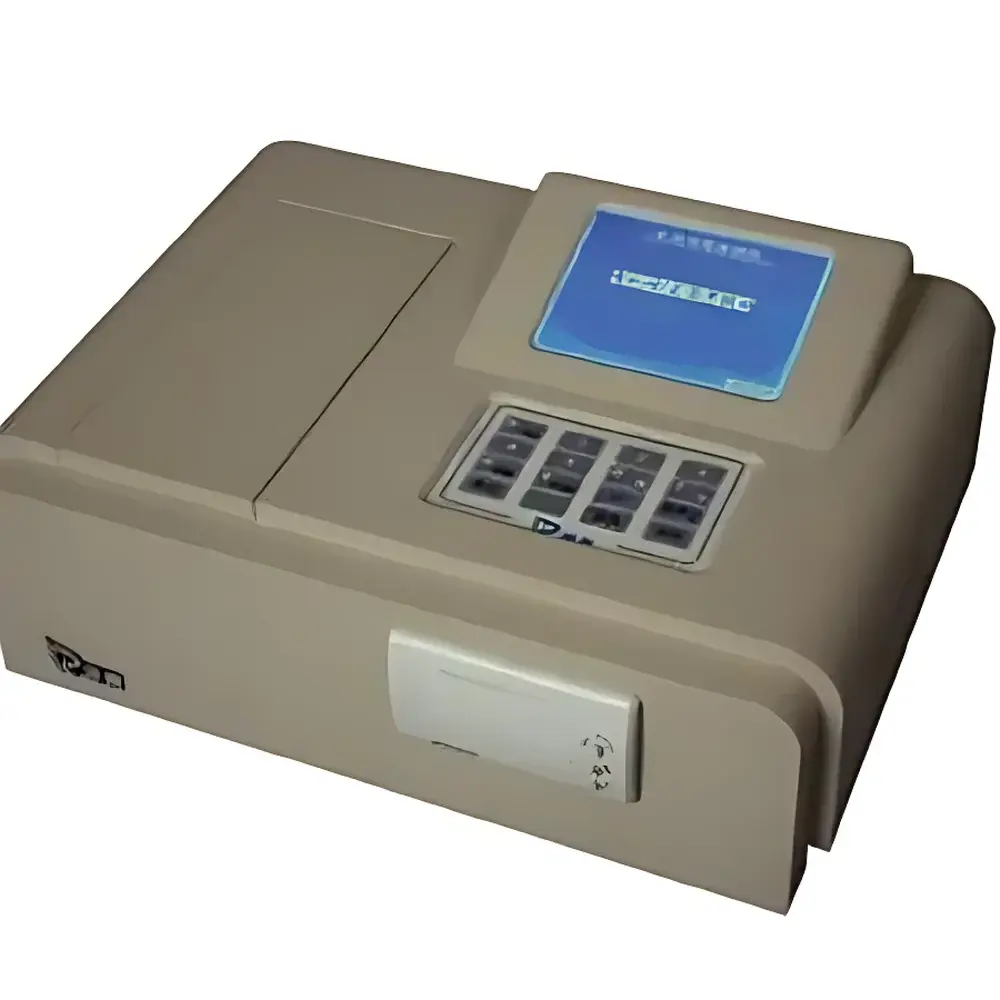
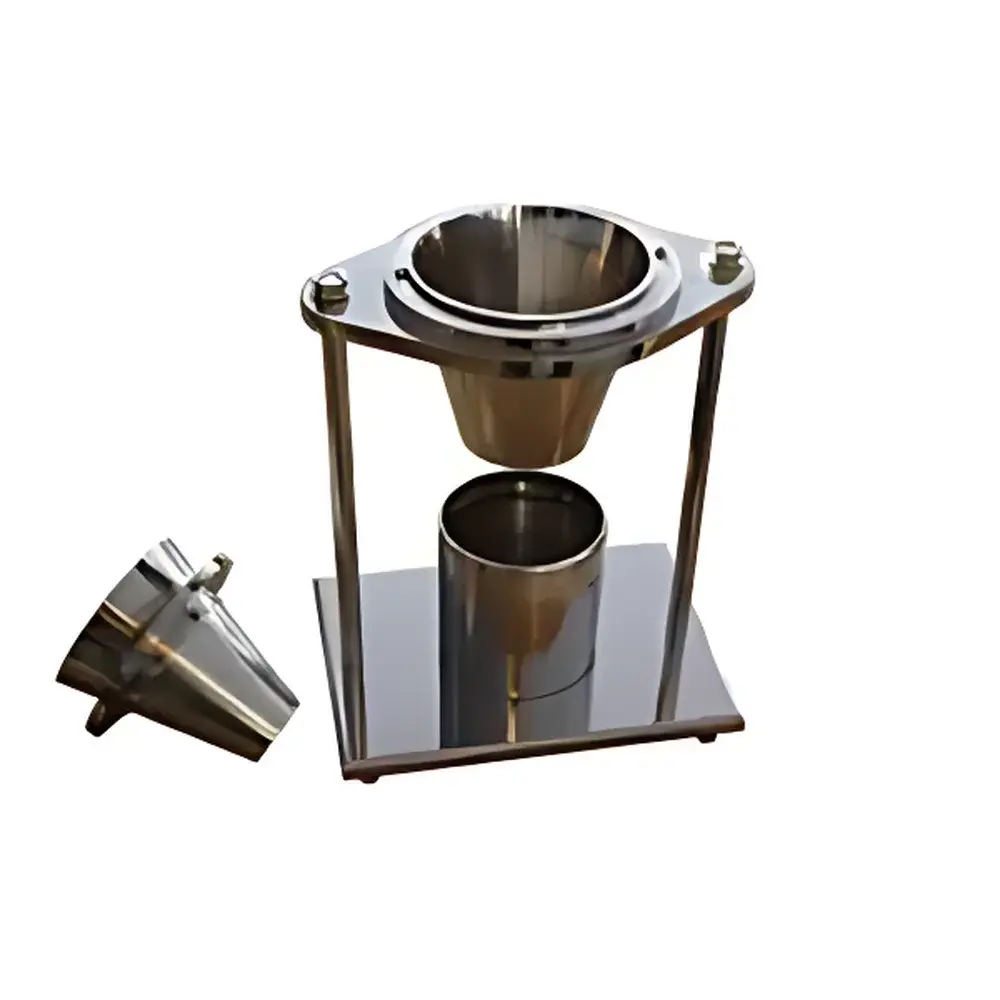
HengaoDe HAD-0537 Wax Content Analyzer for Crude Oil per SY/T 0537
| Brand | HengaoDe |
|---|---|
| Origin | Beijing, China |
| Manufacturer Type | Authorized Distributor |
| Product Origin | Domestic (China) |
| Model | HAD-0537 |
| Price | USD 138 (FOB Beijing) |
| Power Supply | AC 220 V ±10%, 50 Hz |
| Hot Bath Heating Power | 2.0 kW |
| Hot Bath Temperature Range | Ambient to 90 °C |
| Cold Bath Configuration | Dual-bath, four-position, isothermal |
| Cold Bath Temperature Range | Ambient to −30 °C |
| Cooling System | Compressor-based refrigeration |
| Temperature Control Accuracy | ≤ ±0.5 °C |
| Temperature Display | LED digital |
Overview
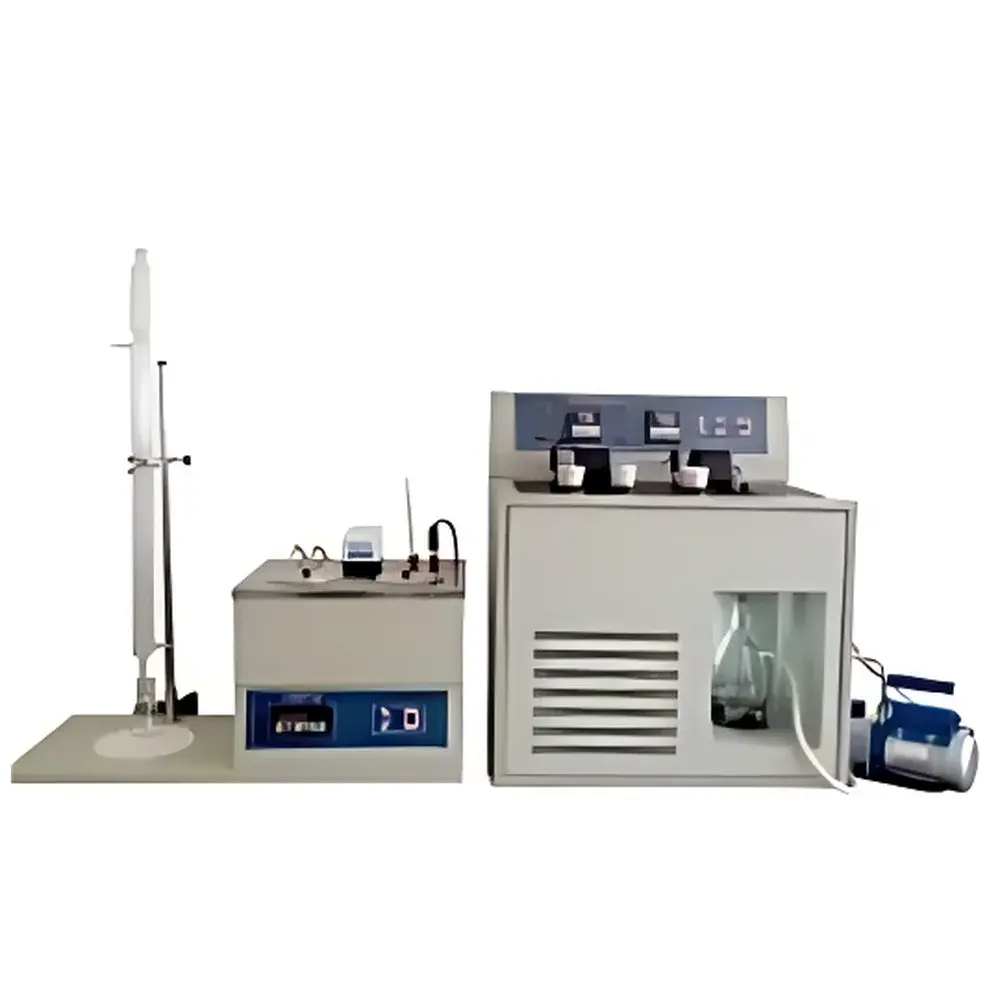
The HengaoDe HAD-0537 Wax Content Analyzer is a dedicated laboratory instrument engineered for the quantitative determination of wax content in crude oil and related petroleum fractions, strictly conforming to the methodology outlined in SY/T 0537—2016, “Determination of Wax Content in Crude Oil.” This standard specifies a cold-filtration gravimetric procedure wherein wax is precipitated from a toluene–methanol solution at controlled subzero temperatures, followed by vacuum filtration, solvent removal, and precise mass measurement. The analyzer integrates dual independent thermal control zones: a high-precision hot water bath for sample dissolution and homogenization, and a cryogenic cold bath for reproducible wax crystallization and separation. Its architecture ensures strict adherence to the thermal ramping, hold-time, and filtration timing requirements defined in SY/T 0537, thereby supporting regulatory compliance and inter-laboratory comparability in upstream and refinery QC laboratories.
Key Features
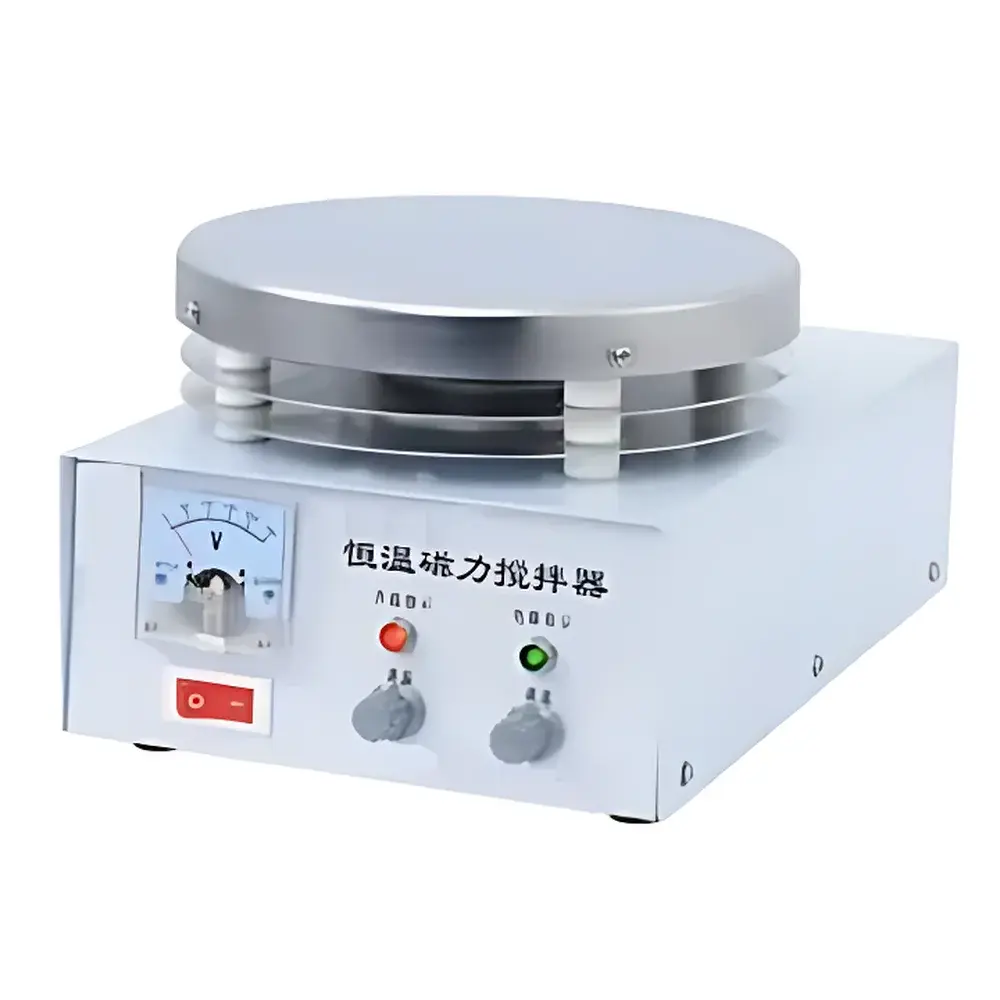
- Dual-zone thermal management system: independently programmable hot bath (ambient to 90 °C) and cold bath (ambient to −30 °C), both with ≤±0.5 °C stability over 30 min
- Four-position cold bath configuration enabling parallel analysis of up to four samples under identical isothermal conditions
- Compressor-based refrigeration unit delivering rapid cooldown and stable low-temperature operation without liquid nitrogen or dry ice dependency
- LED digital temperature display with real-time monitoring and manual setpoint adjustment for both baths
- Stainless-steel construction for corrosion resistance and long-term reliability in organic solvent environments (toluene, methanol)
- Integrated safety features including over-temperature cutoff, ground-fault protection, and insulated bath housings
Sample Compatibility & Compliance
The HAD-0537 is validated for use with crude oils, atmospheric and vacuum distillates, and heavy fuel oils meeting the solubility and volatility criteria specified in SY/T 0537. It supports sample volumes of 10–25 g as required by the standard. The instrument’s thermal performance has been verified against reference materials traceable to NIM (National Institute of Metrology, China). While SY/T 0537 is a national petroleum standard, the underlying cold-filtration principle aligns with internationally recognized practices such as ASTM D721–18 (“Standard Test Method for Wax Content of Petroleum Oils”) and IP 130 (“Determination of Wax Content of Mineral Oils”). Data generated using this system are suitable for inclusion in GLP-compliant test reports and refinery process documentation.
Software & Data Management
The HAD-0537 operates as a hardware-controlled analytical platform without embedded software or touchscreen interface; all operational parameters are manually configured via front-panel controls. Temperature setpoints, hold durations, and bath activation sequences follow the fixed procedural steps mandated by SY/T 0537. Users maintain full procedural traceability through standardized laboratory notebooks or LIMS-integrated electronic records. For laboratories requiring audit-ready documentation, the instrument’s stable thermal performance supports integration with external data loggers compliant with ISO/IEC 17025:2017 clause 7.5.2 (equipment calibration and verification). No firmware updates or proprietary drivers are required — power-on readiness is achieved within 15 minutes of startup.
Applications
This analyzer serves critical functions across petroleum exploration, production, and refining workflows: quantifying wax deposition potential in pipeline transport simulations; evaluating crude assay data for desalter and heater-treater design; screening feedstocks for hydroprocessing units; and verifying wax inhibitor efficacy in field trials. It is routinely deployed in CNPC, Sinopec, and CNOOC-affiliated laboratories, as well as third-party testing facilities accredited to CNAS (China National Accreditation Service). Beyond SY/T 0537, the system can be adapted—under method validation—to modified protocols for waxy distillates per GB/T 11138 or residual fuel oils per ISO 8754, provided thermal and filtration parameters are re-qualified.
FAQ
Does the HAD-0537 include filtration assemblies or vacuum manifolds?
No. The instrument supplies only the thermal conditioning subsystems (hot/cold baths). Filtration apparatus—including Buchner funnels, filter papers, vacuum flasks, and vacuum pumps—must be sourced separately per SY/T 0537 Section 5.2.
Is calibration certification included with shipment?
A factory calibration report verifying bath temperature accuracy at three points (25 °C, 60 °C, and −20 °C) is provided. NIST-traceable calibration certificates require optional third-party service.
Can the cold bath accommodate custom filtration holders?
Yes. The four-position cold bath features standardized 60 mm-diameter wells compatible with common 47-mm diameter filtration funnels and clamping fixtures.
What maintenance is required for the compressor cooling system?
Annual inspection of refrigerant charge and condenser coil cleaning is recommended. No user-serviceable parts exist inside the sealed refrigeration module.
Is the HAD-0537 compatible with ASTM D721 test conditions?
With minor procedural adaptation (e.g., solvent ratio, filtration temperature), it meets the thermal control specifications of ASTM D721—though formal cross-validation per ASTM E1488 is required for method equivalence claims.





