
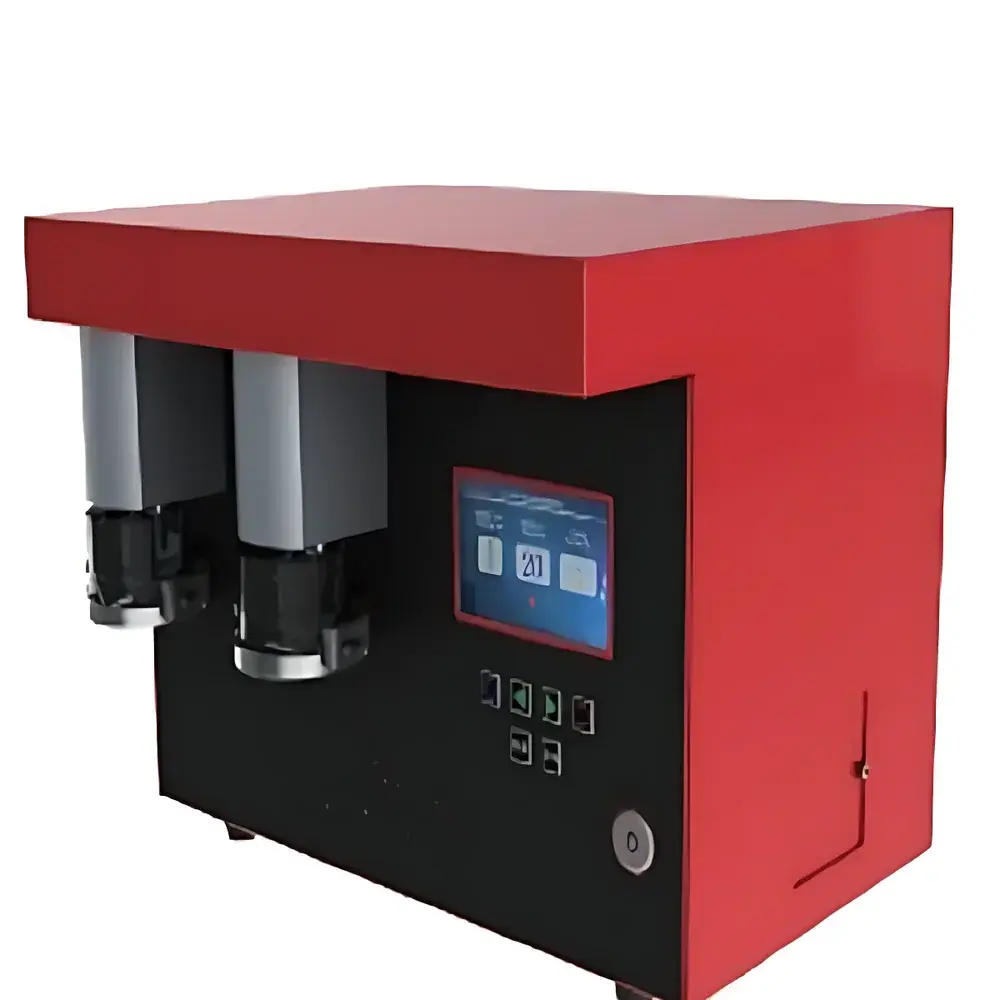
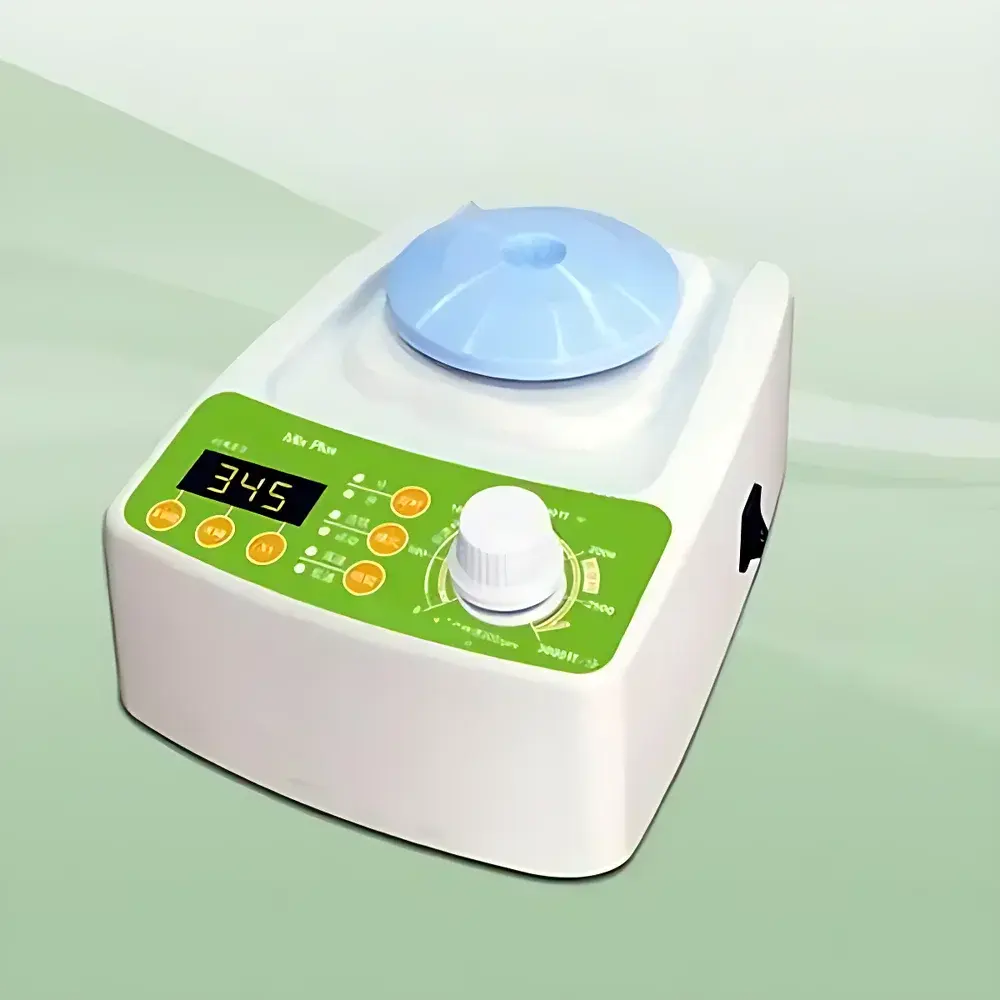
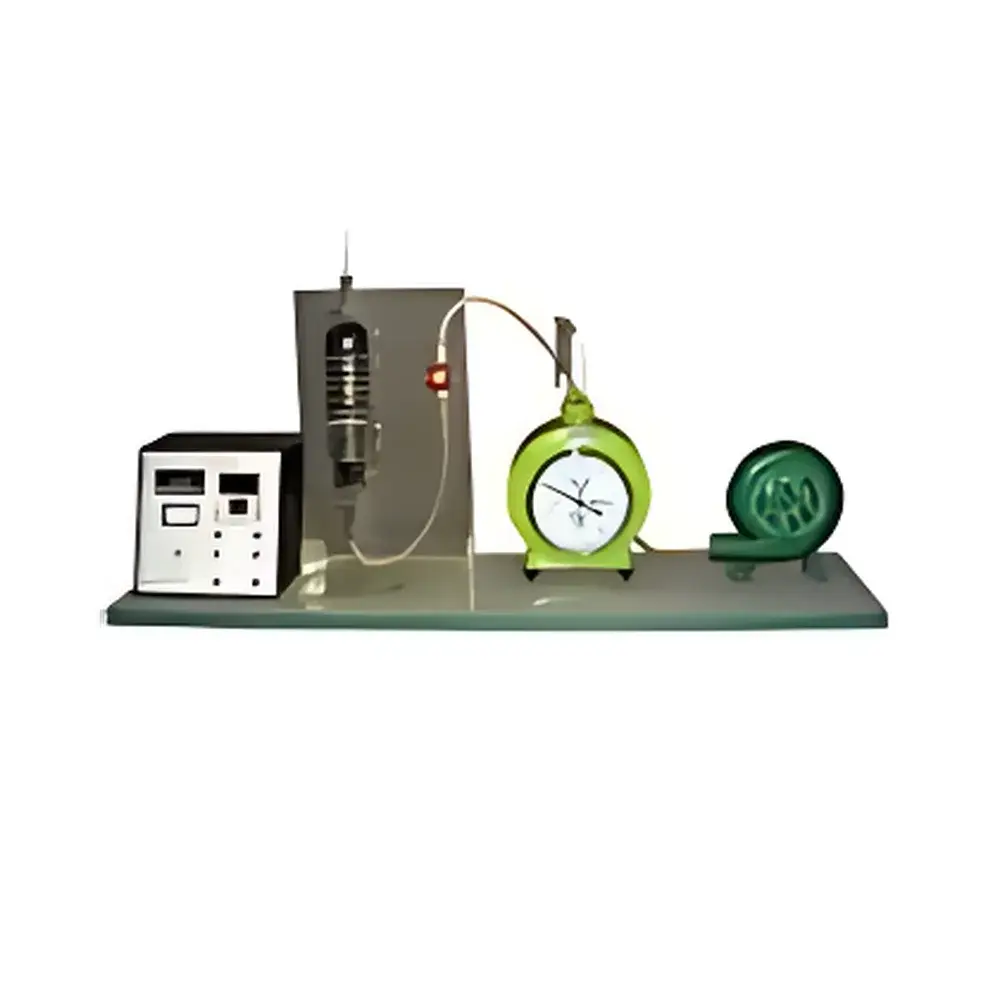
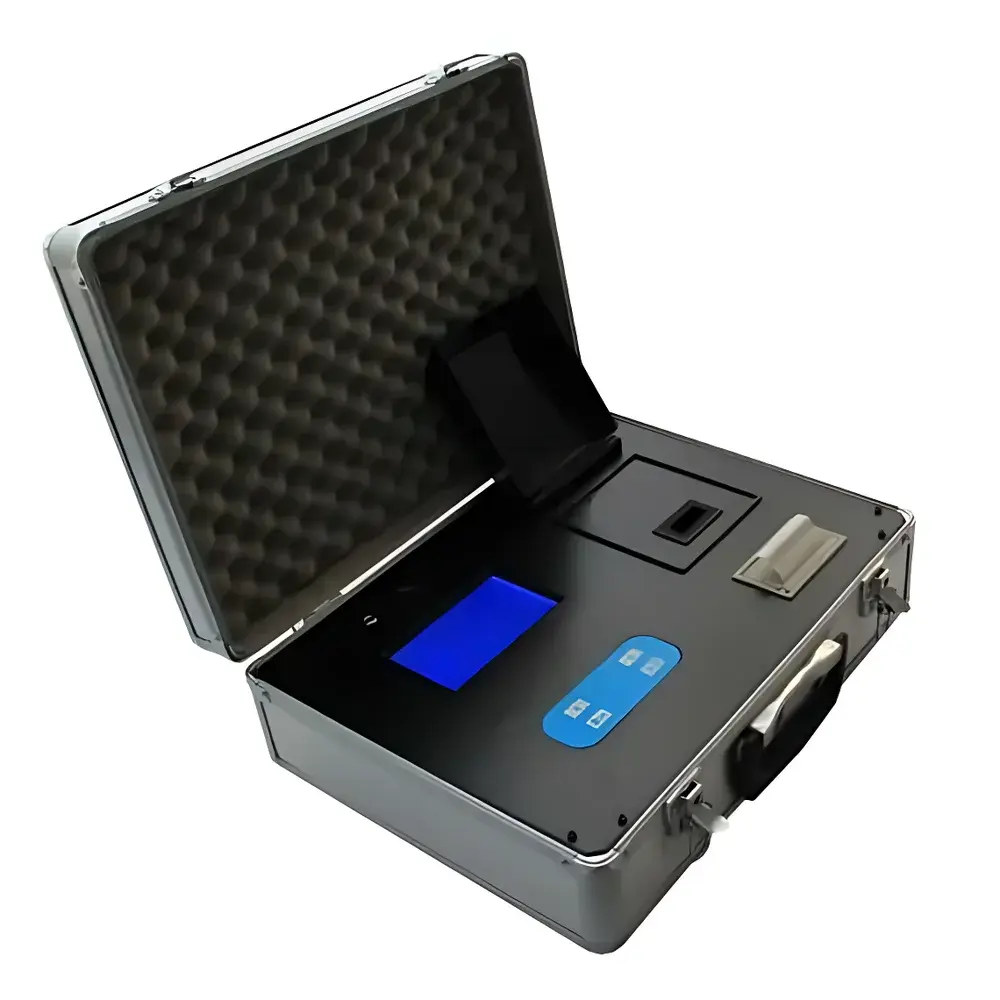
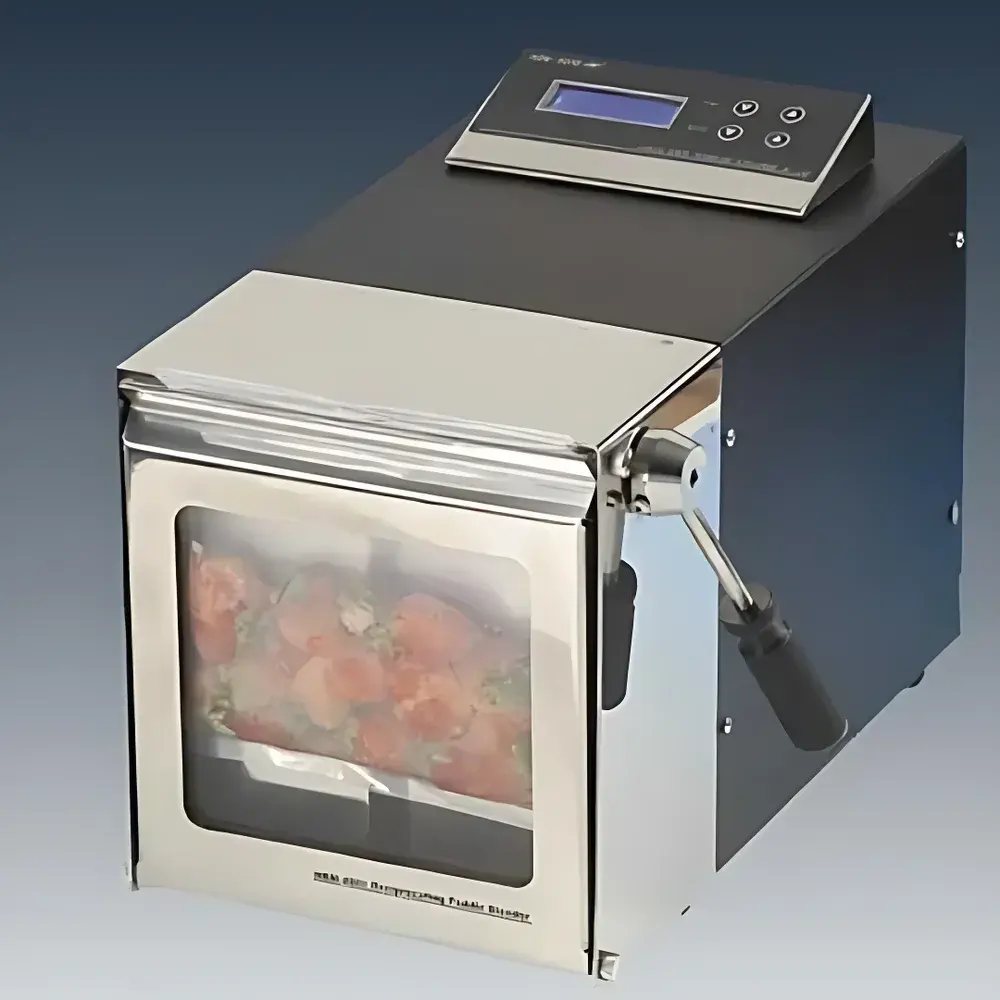
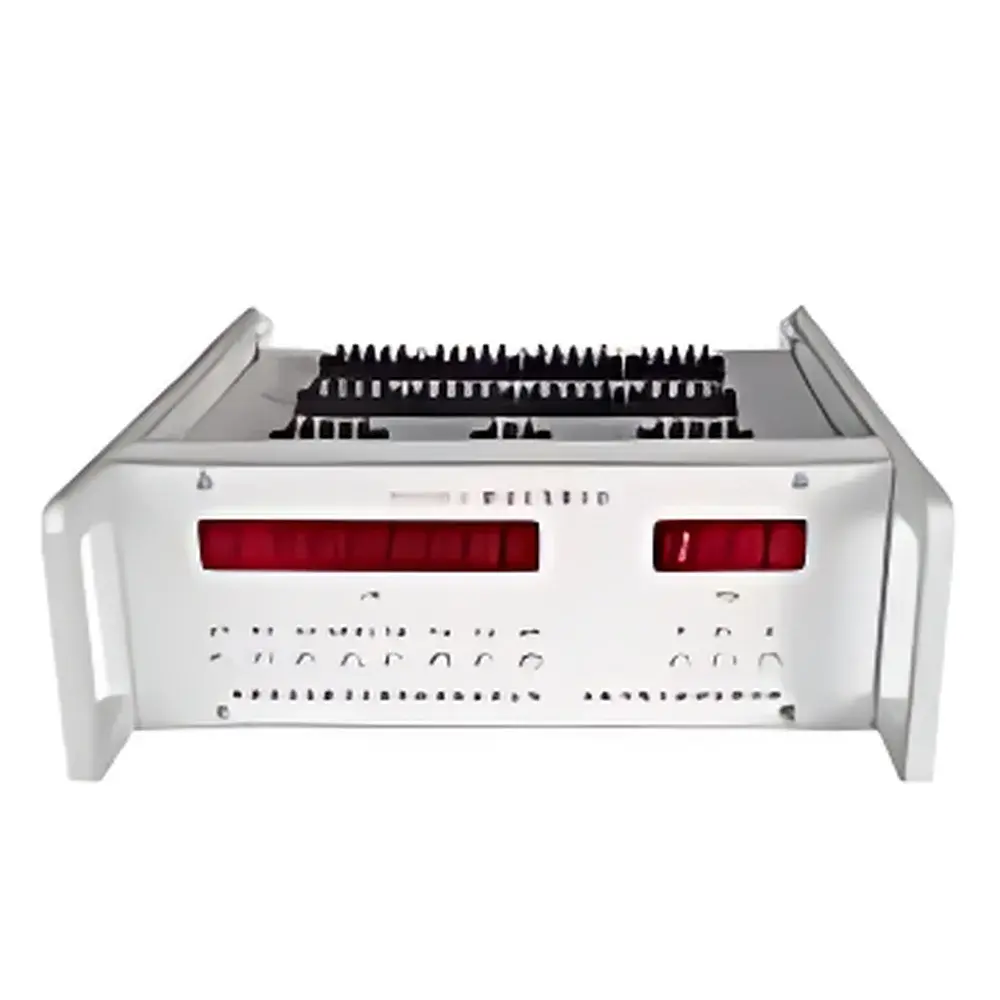
Hengao De HAD-G2850 Automated Gluten Determination System for Wet & Dry Gluten Content and Gluten Index Measurement
| Brand | Hengao De |
|---|---|
| Origin | Beijing, China |
| Manufacturer Type | Authorized Distributor |
| Product Origin | Domestic (China) |
| Model | HAD-G2850 |
| Price | USD 138 |
| Power Supply | 220 V AC, 50 Hz, 180 W |
| Wash Liquid Flow Rate | 50–56 mL/min |
| Pipette Range | 0–5 mL |
| Calibration Gauges | 0.6 mm, 0.7 mm, 0.8 mm (set of three) |
| Dimensions (L×W×H) | 180 × 440 × 520 mm |
| Wet Gluten Content Repeatability | ≤0.5% RSD (dual determination) |
| Dry Gluten Content Repeatability | ≤0.2% RSD (dual determination) |
| Kneading Speed | 120 rpm |
| Kneading Time | 20 s (adjustable from 5–75 s in 1 s increments) |
Overview
The Hengao De HAD-G2850 Automated Gluten Determination System is an integrated laboratory instrument engineered for standardized, reproducible quantification of wet gluten content, dry gluten yield, and gluten index — key functional parameters defining wheat flour quality and processing suitability. Based on the internationally accepted centrifugal washing principle (ISO 21415-1:2006, ICC Standard No. 137 & 155, AACC Method 38-12), the system automates the complete sequence from flour hydration and dough formation to gluten washing, centrifugal separation, and optional drying. It operates by hydrating a precisely weighed flour sample (typically 10 g), kneading it into a cohesive dough under controlled mechanical shear, then washing away starch and soluble components using a calibrated flow of neutral saline solution. The residual viscoelastic gluten mass is retained on a standardized sieve (0.6–0.8 mm aperture) within a centrifuge rotor; subsequent centrifugation isolates wash-resistant gluten, enabling calculation of wet gluten percentage. Optional integration with a dedicated drying oven permits gravimetric determination of dry gluten and derivation of gluten water absorption capacity (i.e., gluten index = [wet gluten mass after centrifugation / original flour mass] × 100). This methodology delivers objective, operator-independent data essential for wheat breeding programs, mill quality control, and regulatory compliance in grain trade.
Key Features
- Fully automated workflow: synchronized control of hydration, kneading (120 rpm, programmable 5–75 s duration), washing (50–56 mL/min flow rate), and centrifugal separation
- Traceable calibration suite: includes certified stainless-steel gauge wires (0.6 mm, 0.7 mm, 0.8 mm) for routine verification of sieve integrity per ISO 21415-2
- High repeatability: wet gluten measurement precision ≤0.5% RSD; dry gluten ≤0.2% RSD across duplicate determinations
- Compliance-ready design: conforms to GB/T 14608–1993 (Chinese National Standard), LS/T 6102–1995 (Grain Industry Standard), and harmonized international protocols (ICC 137, AACC 38-12)
- Modular architecture: supports optional high-precision brushless centrifuge (6000 ± 2 rpm) and programmable drying oven (150–200 °C, 1–10 min timer)
- Robust construction: corrosion-resistant housing and sealed drive mechanisms ensure long-term stability in high-humidity laboratory environments
Sample Compatibility & Compliance
The HAD-G2850 is validated for use with wheat flour, durum semolina, whole wheat flour, vital wheat gluten, and coarse-ground cereal products. Its standardized protocol ensures compatibility with raw materials exhibiting broad rheological variability — from soft pastry flours to high-protein bread-making grades. All operational parameters (kneading torque, wash volume, centrifugal force, sieve geometry) are aligned with ISO/IEC 17025 requirements for method validation. Instrument performance is routinely verifiable against certified reference materials (CRMs) for gluten content, and documentation supports GLP-compliant audit trails when paired with optional data logging modules. Regulatory alignment extends to food safety frameworks including China’s GB 1355–2021 (Wheat Flour Standard) and international export certification schemes requiring documented gluten quantification.
Software & Data Management
While the base HAD-G2850 operates via front-panel digital controls with LED status indicators, optional PC-based software enables full traceability and data governance. The software records timestamped measurements, operator ID, sample ID, environmental conditions (ambient temperature/humidity), and all critical process parameters (kneading time, wash volume, centrifuge speed/duration). Export functions generate CSV or PDF reports compliant with 21 CFR Part 11 requirements when configured with user authentication, electronic signatures, and audit trail activation. Raw data files retain uneditable metadata, supporting retrospective analysis and method transfer validation in regulated QA/QC laboratories.
Applications
- Agricultural research: screening wheat cultivars for gluten quantity and strength during breeding trials
- Flour milling QC: real-time monitoring of batch-to-batch consistency and deviation detection
- Food manufacturing: specification verification for bakery ingredient suppliers and gluten-free cross-contamination risk assessment
- Commodity inspection: statutory testing for import/export clearance under national grain standards
- Academic teaching: hands-on instruction in cereal science, food chemistry, and analytical method standardization
FAQ
What international standards does the HAD-G2850 comply with?
It meets ICC Standard No. 137 (Wet Gluten Determination), ICC No. 155 (Gluten Index), AACC Method 38-12, ISO 21415-1:2006, and Chinese National Standard GB/T 14608–1993.
Can the system measure gluten index without purchasing the optional centrifuge?
No — the gluten index calculation requires precise centrifugal separation at 6000 ± 2 rpm; the integrated centrifuge module is mandatory for this parameter.
Is calibration verification required before each test series?
Yes — daily verification using the supplied 0.6/0.7/0.8 mm gauge set is recommended to confirm sieve aperture integrity per ISO 21415-2.
What sample throughput can be achieved in an 8-hour shift?
Approximately 24–30 determinations per operator, assuming parallel operation of kneading/washing and centrifugation cycles.
Does the system support LIMS integration?
Yes — optional RS232/RS485 interfaces and structured data export enable direct ingestion into Laboratory Information Management Systems.



