
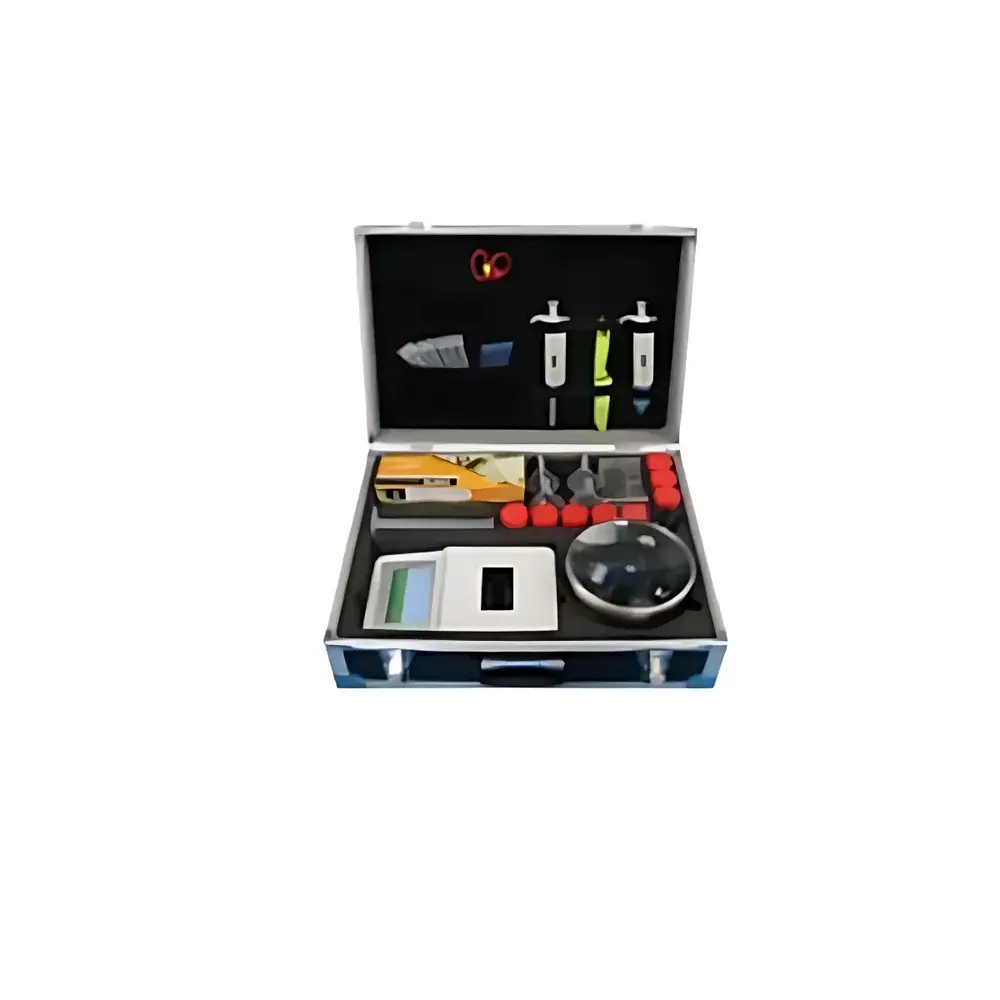
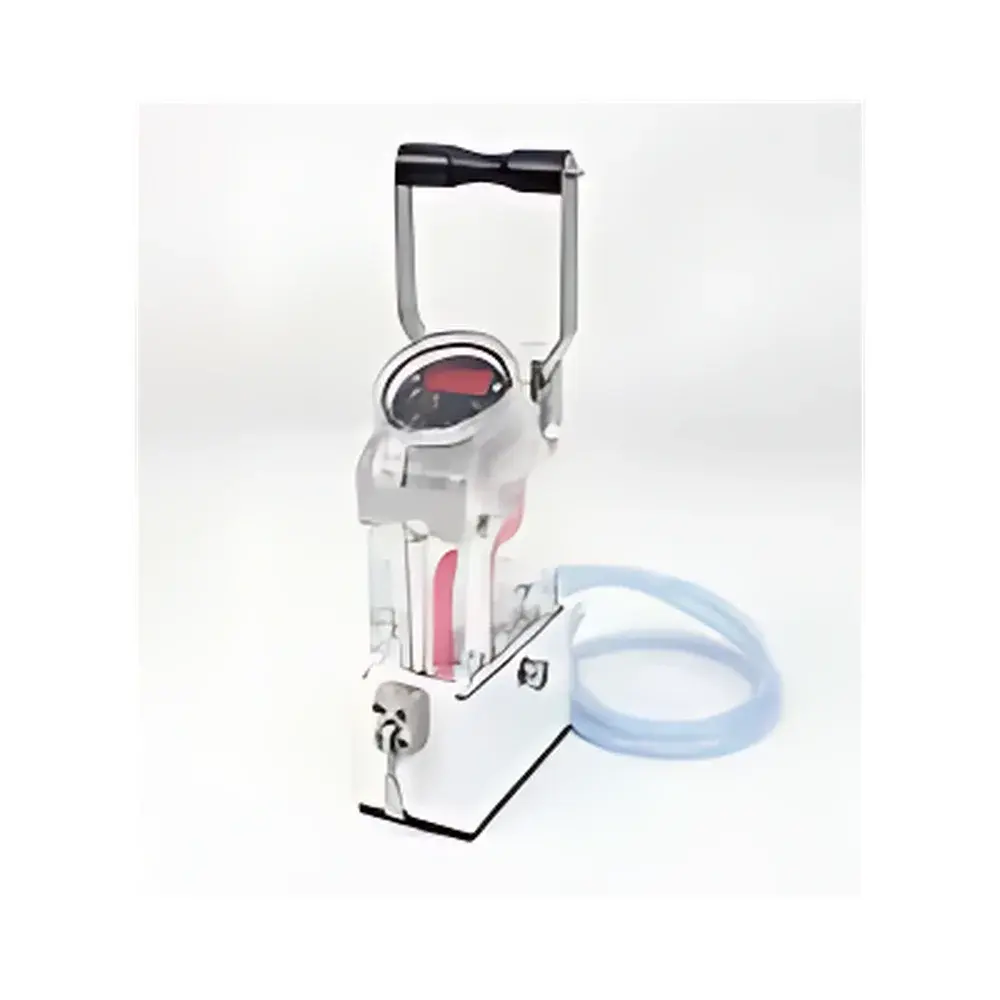
HengaoDe HAD-X7533 Multi-Function Laboratory Analyzer for Crystallization Point, Glass Warp Measurement, Ubbelohde Kinematic Viscosity, Urea Nitrogen, and CO₂ Quantification
| Brand | HengaoDe |
|---|---|
| Origin | Beijing, China |
| Manufacturer Type | Authorized Distributor |
| Country of Origin | China |
| Model | HAD-X7533 |
| Price | USD 28.50 (FOB) |
Overview
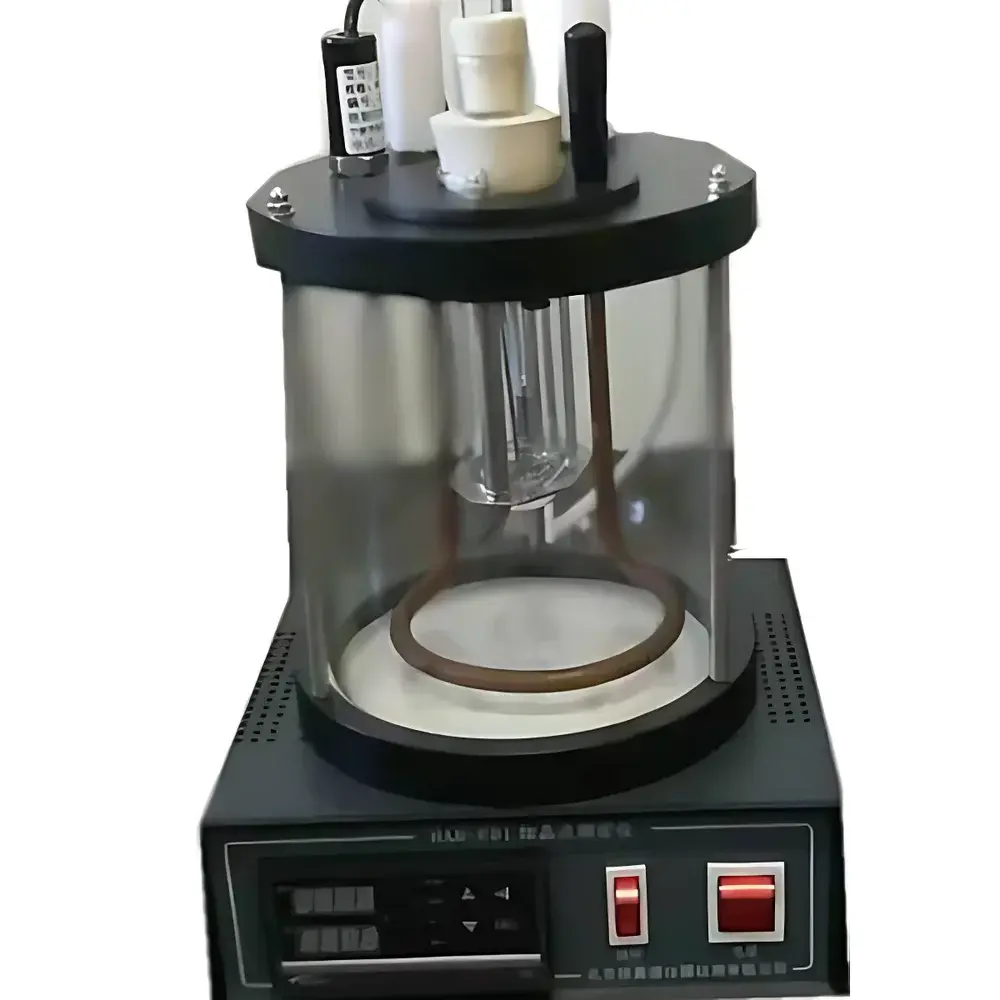
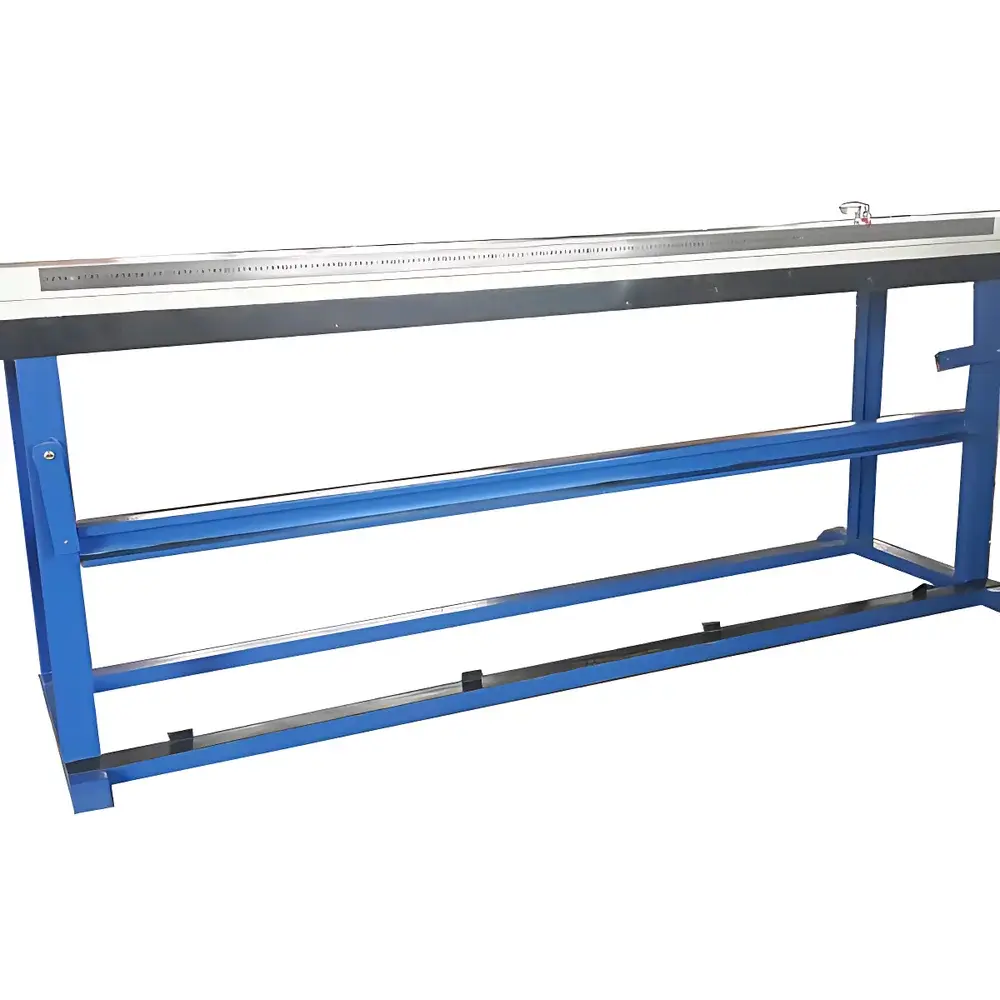
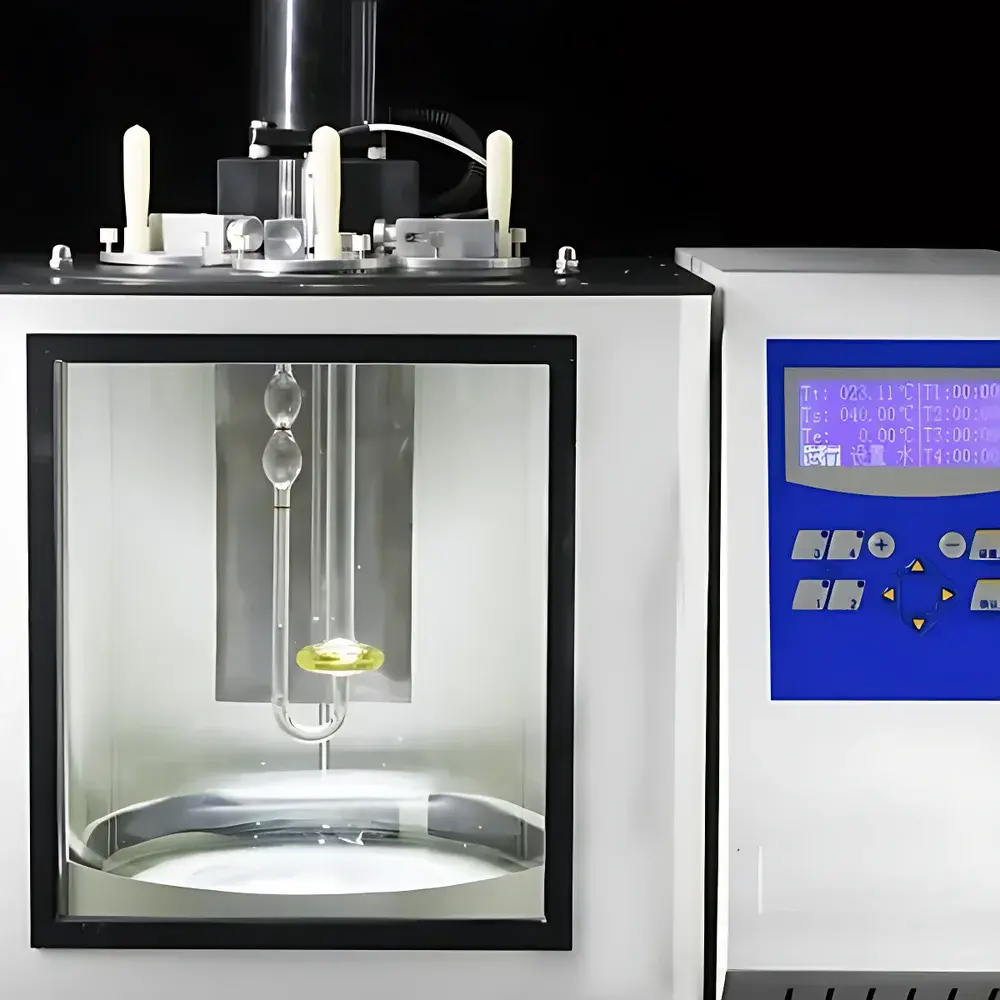
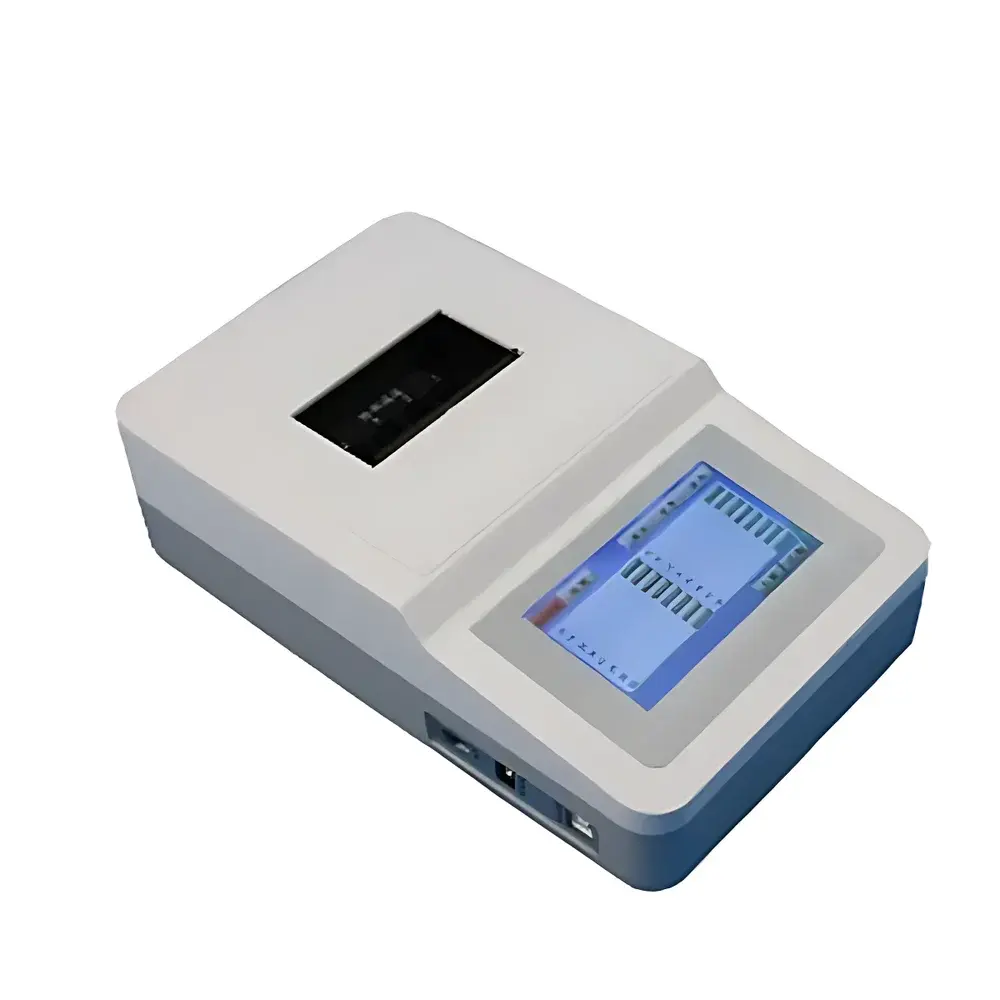
The HengaoDe HAD-X7533 Multi-Function Laboratory Analyzer is a modular benchtop instrumentation platform engineered for routine quality control and compositional analysis across diverse industrial and regulatory testing environments. It integrates five distinct analytical modules into a single unified chassis: (1) a crystallization point determination system based on controlled cooling and phase-transition detection via precision Pt100 thermometry; (2) a mechanical glass warp measurement module compliant with GB 11614–2009 for flat-glass flatness evaluation; (3) a Ubbelohde capillary viscometer system operating per ASTM D445 and GB/T 265–1988 for kinematic viscosity determination in transparent Newtonian fluids; (4) a dual-wavelength photometric analyzer for rapid quantification of urea nitrogen (0–60% w/w) in fertilizers using standardized colorimetric reaction protocols; and (5) a portable electrochemical CO₂ dissolution analyzer for real-time g/L measurement in carbonated beverages and beer, employing platinum-electrode-driven electrolytic equilibration. Each module shares a common microprocessor architecture, USB/RS485 interface infrastructure, and embedded calibration memory—enabling traceable, repeatable operation without external PC dependency during standard assays.
Key Features
- Modular design with independent thermal, optical, and electrochemical subsystems—each validated against national and international reference standards (GB, ASTM, ISO)
- Pt100-based temperature control with ±0.1 °C stability across –10 °C to 150 °C range; programmable ramp rates and hold durations for crystallization profiling
- Mechanical warp measurement using high-resolution digital dial indicator (0.01 mm resolution) mounted on precision linear guide rail; calibrated steel wire reference baseline with ≤0.08 mm straightness error
- Ubbelohde viscometer module with integrated thermostatic bath, automatic timing circuitry, and viscosity calculation engine supporting kinematic viscosity reporting in mm²/s (cSt)
- Photometric module featuring 4.3″ capacitive touchscreen, dual-mode display (absorbance 0.000–4.000 AU / transmittance 0.00–100.00%), and built-in self-calibration via optical path auto-zeroing
- CO₂ analyzer with electrolytic gas-release cell, integrated pressure (-0.5 to 4 bar) and temperature (-10 to 60 °C) sensors, and direct g/L readout compliant with ASBC Methods of Analysis Section 12
- Embedded data logging with timestamped storage for ≥10,000 test records; export via USB to CSV or PDF report formats
Sample Compatibility & Compliance
The HAD-X7533 supports solid, liquid, and semi-solid matrices within defined physical constraints: crystallization tests accommodate 10–50 mL organic solvents and petroleum distillates; glass warp assessment covers specimens up to 2000 mm length and 20 mm thickness; Ubbelohde viscosity measurements require clear, particle-free liquids with kinematic viscosity between 0.2 and 100,000 mm²/s; urea nitrogen analysis applies to homogenized fertilizer powders digested in acidic medium; CO₂ quantification is validated for beer, soft drinks, and wine at temperatures between 0 °C and 25 °C prior to injection. All modules conform to GLP documentation requirements, including audit-trail-capable user login, parameter change logs, and electronic signature support for regulated laboratories. The photometric and CO₂ modules meet FDA 21 CFR Part 11 readiness criteria when operated with optional software validation package.
Software & Data Management
Instrument firmware supports both standalone and PC-connected operation. Local touchscreen interface provides guided workflow navigation, method selection, and real-time result visualization. Raw sensor data—including temperature curves, voltage outputs from strain gauges (in optional HAD-L2101DS8 add-on), and absorbance kinetics—are stored with metadata (operator ID, sample ID, timestamp, environmental conditions). USB export enables seamless integration with LIMS platforms. Optional Windows-based desktop software (HAD-DataLink v3.2) adds advanced features: statistical process control charts (X̄-R, Cpk), multi-curve overlay for comparative crystallization profiling, automated viscosity unit conversion (cSt → cP → mPa·s), and PDF report generation with embedded QR-coded assay certificates. All data files are encrypted and checksum-verified to ensure integrity during transfer.
Applications
This system serves QC laboratories in chemical manufacturing, food & beverage production, agricultural input verification, and building materials certification. Specific use cases include: monitoring freezing point depression in antifreeze formulations; verifying flatness compliance of architectural float glass before tempering; certifying lubricant viscosity grade per ISO 3104; validating urea content in granular NPK blends for Ministry of Agriculture audits; ensuring CO₂ saturation consistency in craft brewery batch release; and assessing aluminum potassium sulfate (alum) residue in bakery products per GB 2760–2022 limits. Its modular architecture allows selective activation of only required modules—reducing energy consumption and extending service intervals.
FAQ
Does the HAD-X7533 require external calibration standards for daily operation?
No—each module includes factory-applied calibration coefficients stored in non-volatile memory. Photometric and CO₂ modules perform automatic optical/electrochemical zeroing at power-on; temperature sensors are traceably calibrated to NIST SRM 1750. Periodic verification using certified reference materials (e.g., NIST SRM 2361 for viscosity) is recommended every 6 months per ISO/IEC 17025.
Can the glass warp module measure curved or tempered glass?
It is designed exclusively for flat, untempered specimens per GB 11614–2009. Tempered or laminated glass induces residual stress that interferes with mechanical deflection measurement accuracy.
Is the CO₂ analyzer suitable for high-pressure kegged beer analysis?
Yes—rated for continuous operation up to 5 bar working pressure. Sample inlet uses insulated PTFE-lined tubing to minimize thermal drift during pressurized transfer.
What is the maximum sample throughput for urea nitrogen analysis?
Approximately 12 samples per hour, assuming standard digestion (15 min), color development (10 min), and measurement (30 sec per sample).
Does the system support third-party sensor integration?
Via RS485 daisy-chain, yes—strain gauges, load cells, and thermocouples compatible with 1/4-bridge or full-bridge configurations can be connected to the optional HAD-L2101DS8 expansion module (8-channel base, scalable to 128 points).






