
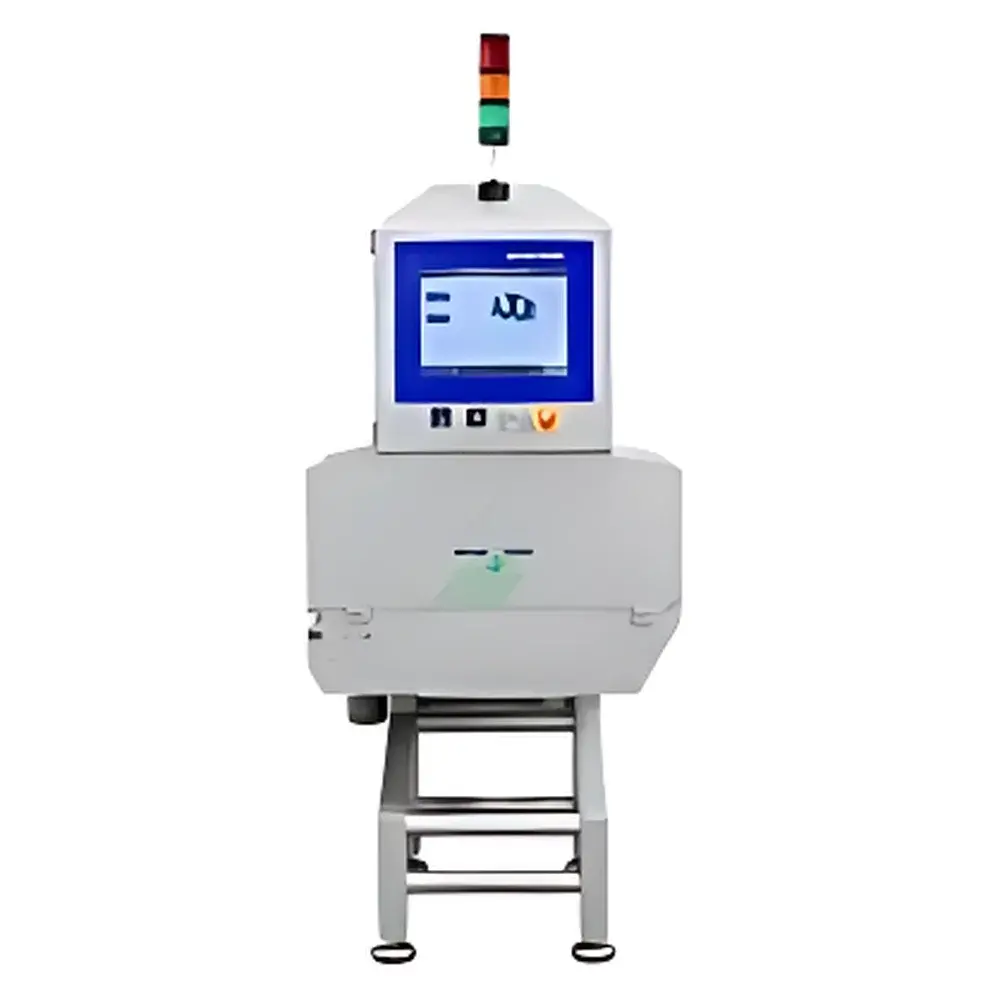
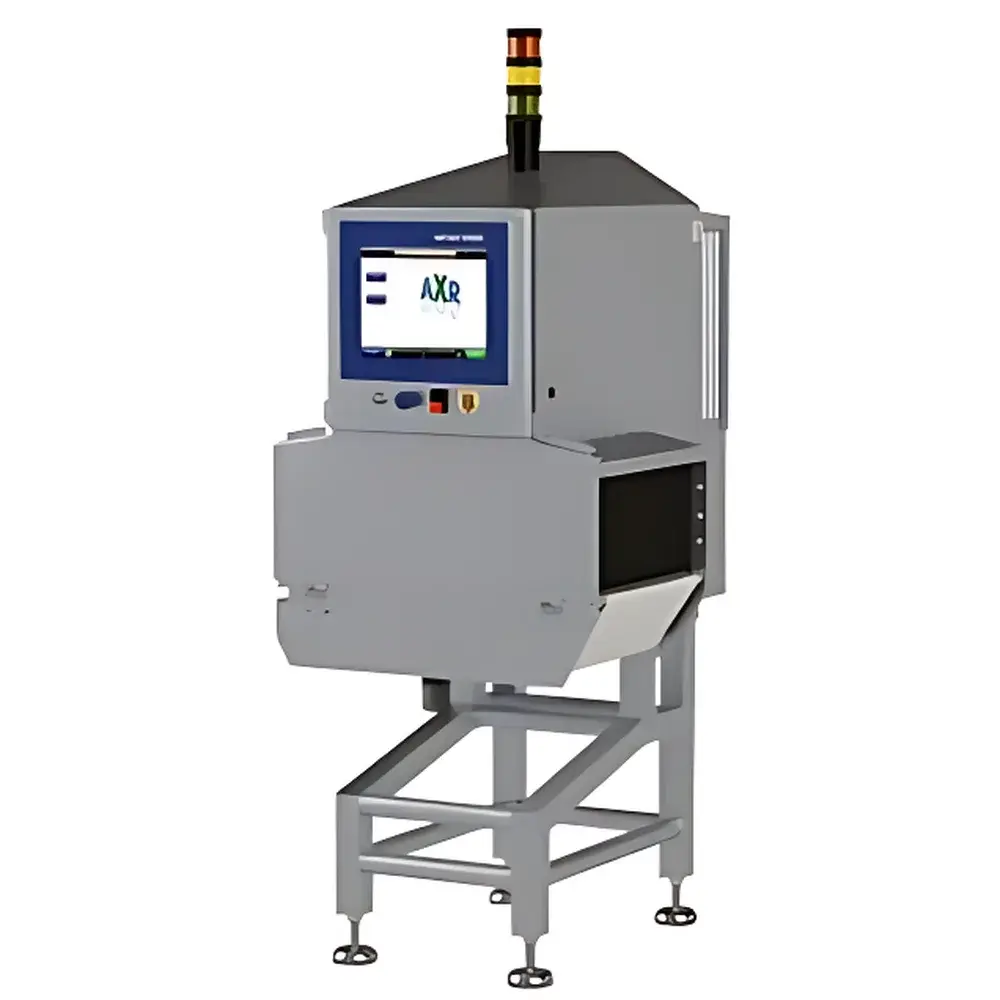
METTLER TOLEDO AXR Industrial Micro-CT X-ray Inspection System
| Brand | METTLER TOLEDO |
|---|---|
| Origin | Switzerland |
| Manufacturer Type | Authorized Distributor |
| Origin Category | Imported |
| Model | AXR |
| Pricing | Upon Request |
Overview
The METTLER TOLEDO AXR Industrial Micro-CT X-ray Inspection System is a high-performance, inline non-destructive testing (NDT) platform engineered for food and pharmaceutical manufacturing environments. Utilizing dual-energy X-ray imaging and advanced reconstruction algorithms, the AXR system performs real-time volumetric inspection—enabling both surface-level defect identification and internal structural analysis without sample preparation or physical contact. Unlike conventional 2D X-ray systems, the AXR leverages micro-computed tomography (micro-CT) principles to generate cross-sectional slices and 3D density maps, supporting quantitative assessment of product integrity, fill level consistency, and foreign body localization with sub-millimeter spatial resolution. Its design prioritizes regulatory alignment, operational robustness, and seamless integration into high-speed packaging lines—making it suitable for GMP-compliant facilities requiring audit-ready traceability and repeatable metrological performance.
Key Features
- Dual-energy X-ray source: 400 W high-stability generator with adjustable kV/mA output, optimized for material discrimination across heterogeneous product matrices (e.g., wet vs. dry foods, blister-packed tablets).
- Modular detection zone: Configurable aperture width from 300 mm to 600 mm; supports single-lane, multi-lane (up to 4 lanes in packaged mode), and bulk-flow (up to 8 zones) inspection architectures.
- Throughput-optimized transport: Conveyor speed up to 500 packages per minute; synchronized trigger interface compatible with PLC-controlled line speeds and variable pitch spacing.
- GMP-grade hygienic construction: IP65 standard enclosure (IP66-rated conveyor section); optional IP69K-rated modules for CIP/SIP environments; quick-release belt assembly and lead-curtain removal for validated cleaning cycles.
- Automated defect classification engine: AI-assisted pattern recognition trained on >12,000 reference samples; configurable sensitivity thresholds for glass, stainless steel, calcified bone, ceramic, and high-Z plastics—even within metallized film or aluminum-laminated packaging.
Sample Compatibility & Compliance
The AXR system accommodates a broad spectrum of production formats: flow-wrapped confectionery, vacuum-sealed meat trays, blister-packed oral solids, sachets, pouches, bottles, and bulk granular streams. It complies with international food safety and pharmaceutical quality frameworks including ISO 22000, IFS Food v7, BRCGS Packaging Materials Issue 6, and USP on Radiographic Imaging for Sterile Product Inspection. All firmware and image processing modules are designed to meet FDA 21 CFR Part 11 requirements for electronic records and signatures, featuring time-stamped audit trails, role-based user access control, and immutable data archiving. Validation documentation—including IQ/OQ/PQ protocols, risk assessments per ISO 14971, and measurement uncertainty reports—is supplied as part of the commissioning package.
Software & Data Management
Controlled via METTLER TOLEDO’s proprietary X-View™ software suite, the AXR provides centralized configuration management, real-time image preview, and post-acquisition volumetric analysis. The software includes embedded statistical process control (SPC) dashboards compliant with ISO 22514-2, automatic report generation in PDF/CSV/XML formats, and native OPC UA connectivity for MES/SCADA integration. Image datasets adhere to DICOM 3.0 standards for interoperability with enterprise quality management systems (QMS). All raw projections and reconstructed volumes are stored with SHA-256 checksums to ensure data integrity; retention policies support configurable auto-purge schedules aligned with internal document retention policies and regional regulatory mandates (e.g., EU Annex 11, MHRA GxP Data Integrity Guidance).
Applications
- Detection of physical contaminants—including stainless steel fragments, tempered glass shards, calcified bone chips, and dense polymer shards—in final packaged goods.
- Quantitative fill-level verification for viscous liquids, powders, and semi-solids in rigid and flexible containers.
- Integrity validation of sealed blister cavities, crimped caps, and heat-sealed pouches via density gradient mapping.
- Count verification and orientation monitoring for multi-component assemblies (e.g., syringe kits, diagnostic test strips).
- Structural defect identification in porous pharmaceutical tablets, lyophilized cakes, and coated pellets using grayscale threshold segmentation.
FAQ
Does the AXR system require radioactive sources or external shielding infrastructure?
No. The AXR uses an electrically powered X-ray tube operating below 160 kV; all radiation containment is fully integrated within the cabinet structure, meeting IEC 61000-6-4 and EN 62471 safety classifications without need for additional room shielding.
Can the system be validated for use in regulated pharmaceutical environments?
Yes. Full GAMP 5-aligned validation support is provided, including FAT/SAT documentation, URS traceability matrix, and qualification protocols covering mechanical, electrical, and software components.
Is remote diagnostics and firmware updates supported?
Yes. Secure TLS 1.2-enabled remote access allows authorized service engineers to perform health checks, calibrate detectors, and deploy certified firmware patches without onsite intervention.
How does the AXR handle products with varying density profiles, such as layered snacks or combination meals?
The dual-energy acquisition mode enables material-specific attenuation correction, allowing accurate contaminant localization regardless of background heterogeneity—validated per ASTM F2962-15 for multi-layer food inspection.
What training options are available for operators and QA personnel?
METTLER TOLEDO offers tiered training programs: basic operation certification (8 hours), advanced image analysis workshops (16 hours), and GxP-compliant SOP development consulting delivered by qualified subject matter experts.



