
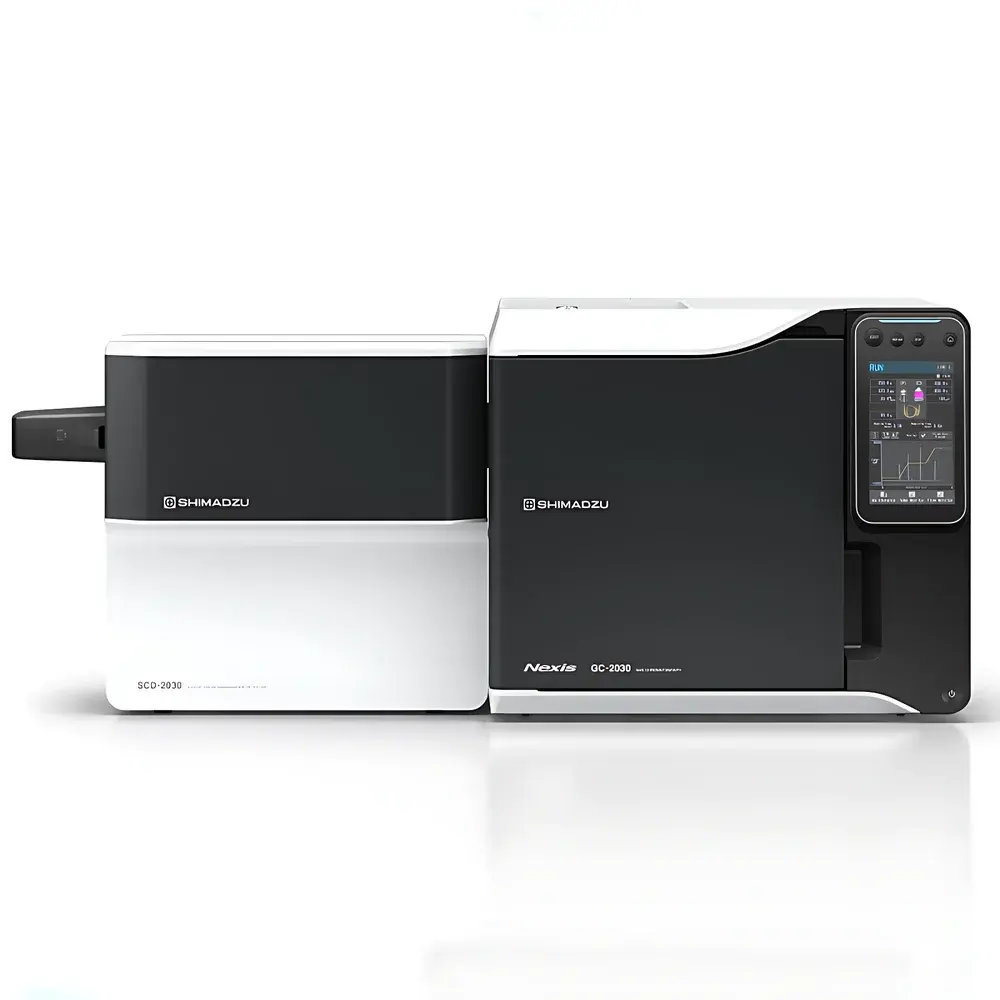
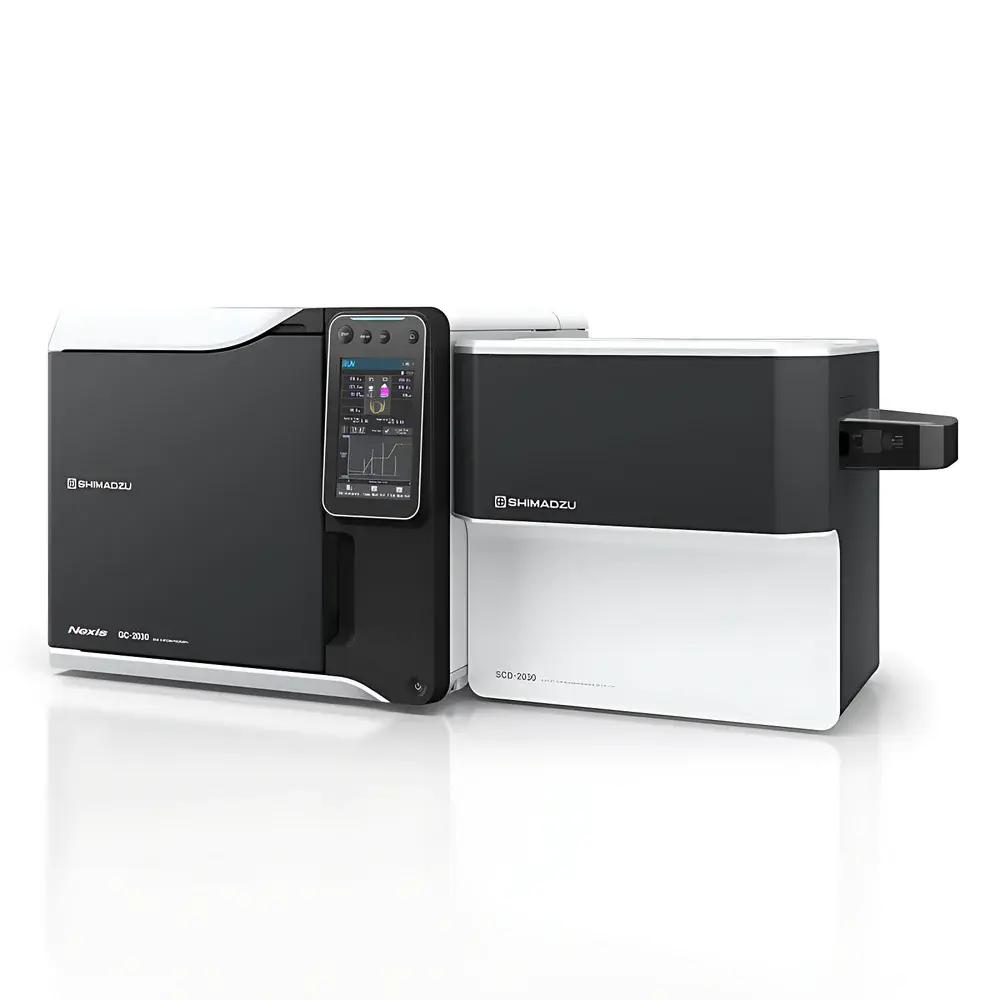
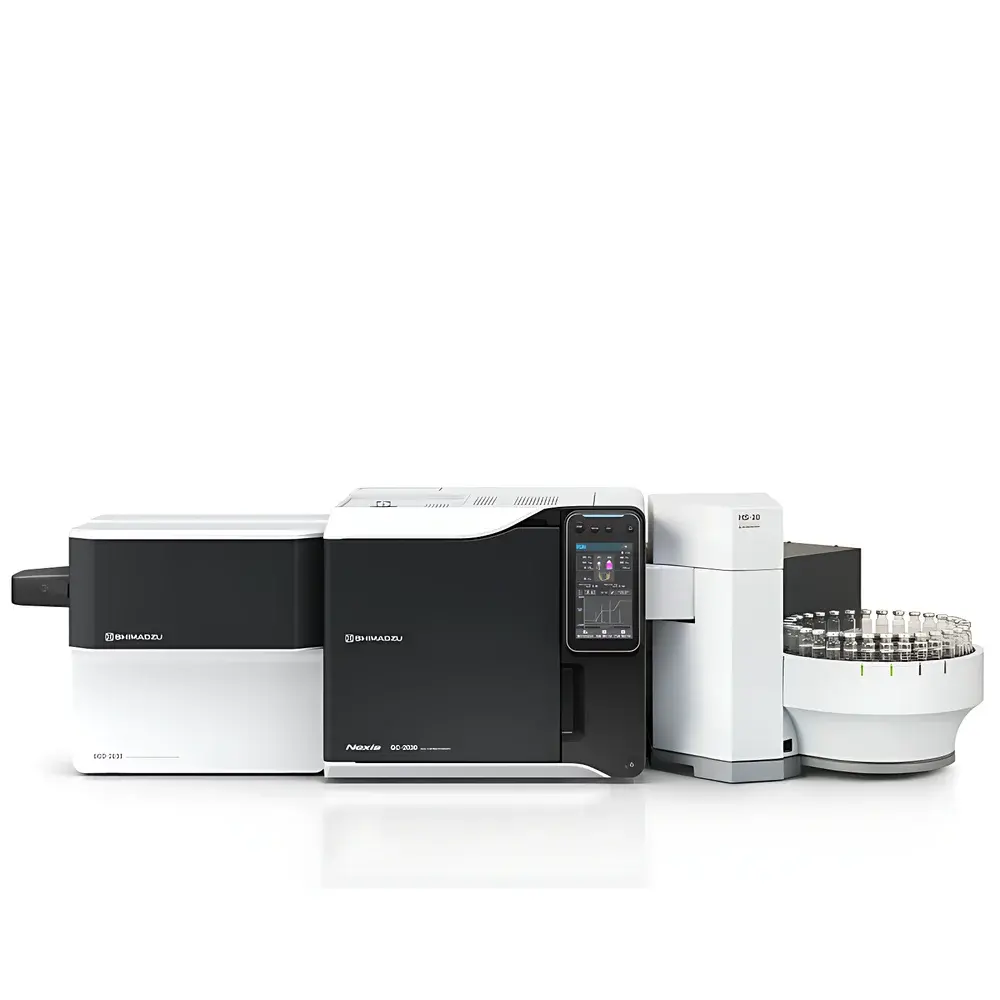
Shimadzu Nexis SCD-2030 Sulfur Chemiluminescence Detector
| Brand | Shimadzu |
|---|---|
| Origin | Japan |
| Manufacturer Type | Original Equipment Manufacturer (OEM) |
| Product Origin | Imported |
| Model | Nexis SCD-2030 |
| Instrument Category | Sulfur-Specific Chromatographic Detector |
| Flow Path Design | Horizontal Combustion Chamber with Ultra-Short Reaction Pathway |
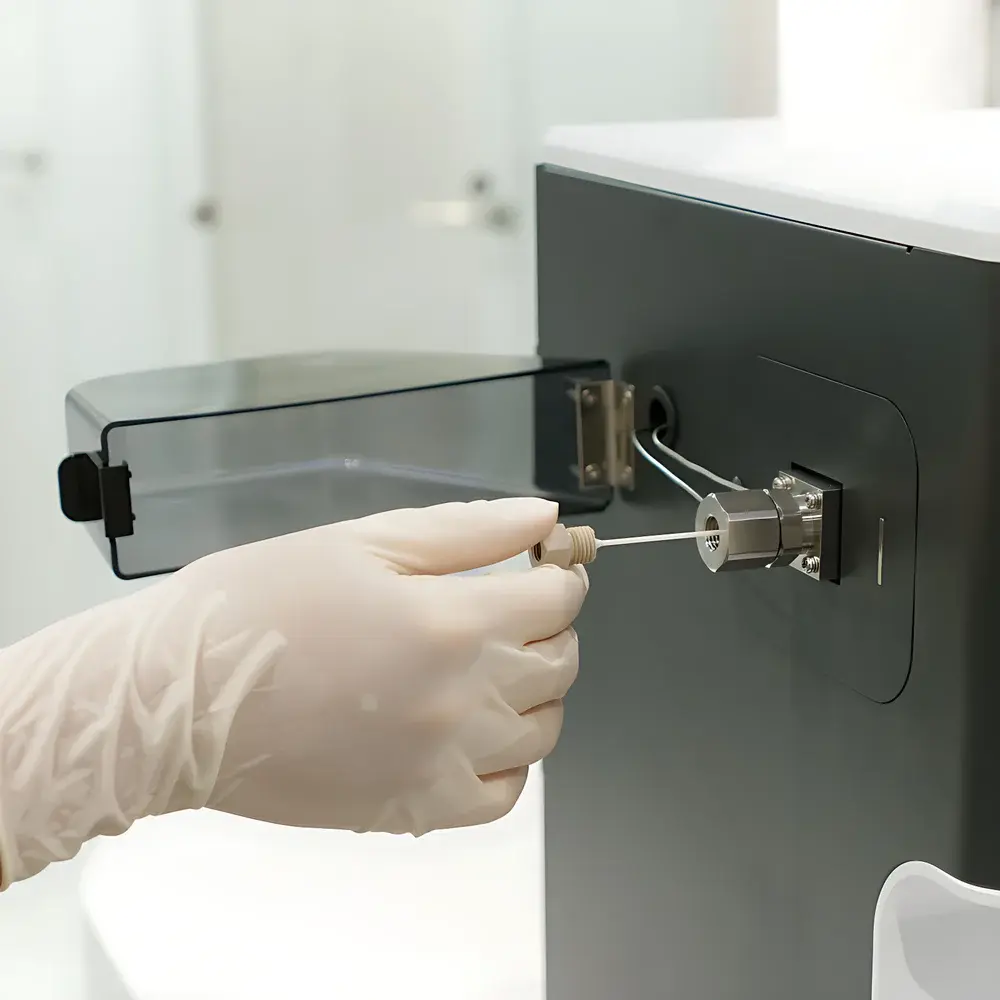
| Maintenance Interval | Ceramic Reactor Tube Replacement in ≤5 Minutes |
| Automation Level | Fully Automated Startup, Vacuum Initiation, Gas Flow Optimization, Baseline Stabilization, Analysis Execution, and Shutdown Sequence |
| Compliance Ready | Designed for GLP/GMP environments with audit-trail-capable software integration |
Overview
The Shimadzu Nexis SCD-2030 is a sulfur-specific chemiluminescence detector engineered for high-performance gas chromatography (GC) systems. It operates on the fundamental principle of sulfur-selective chemiluminescence detection: sulfur-containing compounds are combusted in an oxygen-rich hydrogen flame to generate excited-state SO2*, which emits characteristic photons at ~394 nm upon relaxation. This emitted light is collected by a low-noise photomultiplier tube (PMT), enabling quantitative detection with exceptional selectivity and sensitivity—typically sub-picomole (≤0.1 pg S/sec) detection limits for thiophenes, mercaptans, sulfides, and other volatile/semi-volatile organosulfur species. The Nexis SCD-2030 is purpose-built to integrate seamlessly with the Shimadzu Nexis GC-2030 platform, leveraging synchronized hardware control and optimized thermal management to minimize analyte degradation and maximize signal fidelity.
Key Features
- Horizontal Combustion Architecture: Eliminates vertical flow path inconsistencies; ensures uniform flame geometry, stable combustion stoichiometry, and reproducible oxidation kinetics across diverse sulfur compound classes.
- Ultra-Short Reaction Pathway: Reduces residence time between combustion zone and PMT detection window by ≥33% versus conventional SCDs—critical for preserving labile sulfur species (e.g., sulfoxides, disulfides) and minimizing peak broadening.
- Automated Burner Aging Protocol: Integrates real-time flame emission monitoring and adaptive H2/O2 ratio adjustment to maintain optimal combustion efficiency without manual intervention or downtime.
- Self-Diagnostic System: Continuously monitors vacuum integrity, PMT voltage stability, gas pressure differentials, and ceramic reactor temperature gradients; logs diagnostic events with timestamped severity classification for preventive maintenance planning.
- Tool-Free Ceramic Reactor Exchange: Modular ceramic tube assembly enables full replacement in ≤5 minutes with no calibration revalidation required—validated per ASTM D5453 and ISO 20846 protocols.
Sample Compatibility & Compliance
The Nexis SCD-2030 supports analysis of liquid, gaseous, and dissolved sulfur compounds across petroleum, environmental, pharmaceutical, and food safety applications. Compatible sample matrices include gasoline, diesel, jet fuel, natural gas condensates, wastewater extracts, and pharmaceutical excipient solutions. Its sulfur-specific response eliminates interferences from hydrocarbons, nitrogen oxides, and halogenated compounds—enabling compliance with regulatory methods including ASTM D5453 (determination of total sulfur in light hydrocarbons), ASTM D7039 (gasoline and diesel), ISO 20846 (petroleum products), and U.S. EPA Method 1664B (sulfur in wastewater). Hardware and firmware architecture support 21 CFR Part 11-compliant electronic records and signatures when deployed with LabSolutions GC software v5.9 or later.
Software & Data Management
Controlled via Shimadzu LabSolutions GC software, the Nexis SCD-2030 provides integrated method setup, real-time signal visualization, multi-point calibration curve generation (linear/logarithmic), and automated report generation compliant with GLP audit requirements. Raw data files (.gcd) retain full metadata—including detector status flags, gas flow logs, vacuum pressure traces, and diagnostic event timestamps. Audit trail functionality records all user actions (method edits, calibration updates, result approvals) with immutable timestamps and operator IDs. Export options include CSV, PDF, and XML formats compatible with LIMS platforms supporting ASTM E1384 and ISO/IEC 17025 data exchange standards.
Applications
- Ultra-low sulfur diesel (ULSD) certification per ASTM D7039 and EN 590
- Total sulfur quantification in refinery process streams and catalyst poisons
- Sulfur speciation in biofuels and synthetic aviation fuels (SAF)
- Residual sulfur monitoring in pharmaceutical solvents (ICH Q3D elemental impurities)
- Odorant (e.g., tert-butylthiol) quantification in natural gas distribution networks
- Environmental fate studies of organosulfur pesticides in soil/water matrices
FAQ
Does the Nexis SCD-2030 require external ozone generators or secondary reactors?
No. It employs direct chemiluminescence detection without ozone addition—reducing complexity, consumables cost, and potential background noise from ozone decomposition byproducts.
Is baseline stabilization time reduced compared to legacy SCD systems?
Yes. Full thermal and electronic stabilization is achieved within 15 minutes post-startup due to optimized heater zoning and closed-loop PMT voltage regulation.
Can the detector be retrofitted onto non-Shimadzu GC platforms?
Mechanical and electrical interfaces are proprietary to the Nexis GC-2030; third-party integration is not supported by Shimadzu and voids regulatory compliance certifications.
What maintenance documentation is provided for GxP audits?
Shimadzu supplies a complete validation package including IQ/OQ protocols, preventive maintenance checklists, and calibration certificate templates aligned with ISO/IEC 17025 requirements.
How does the system handle high-sulfur samples that may cause carbon buildup?
The horizontal burner design incorporates continuous ash evacuation pathways and programmable high-temperature bake-out cycles (up to 1100°C) to prevent soot accumulation without disassembly.




