
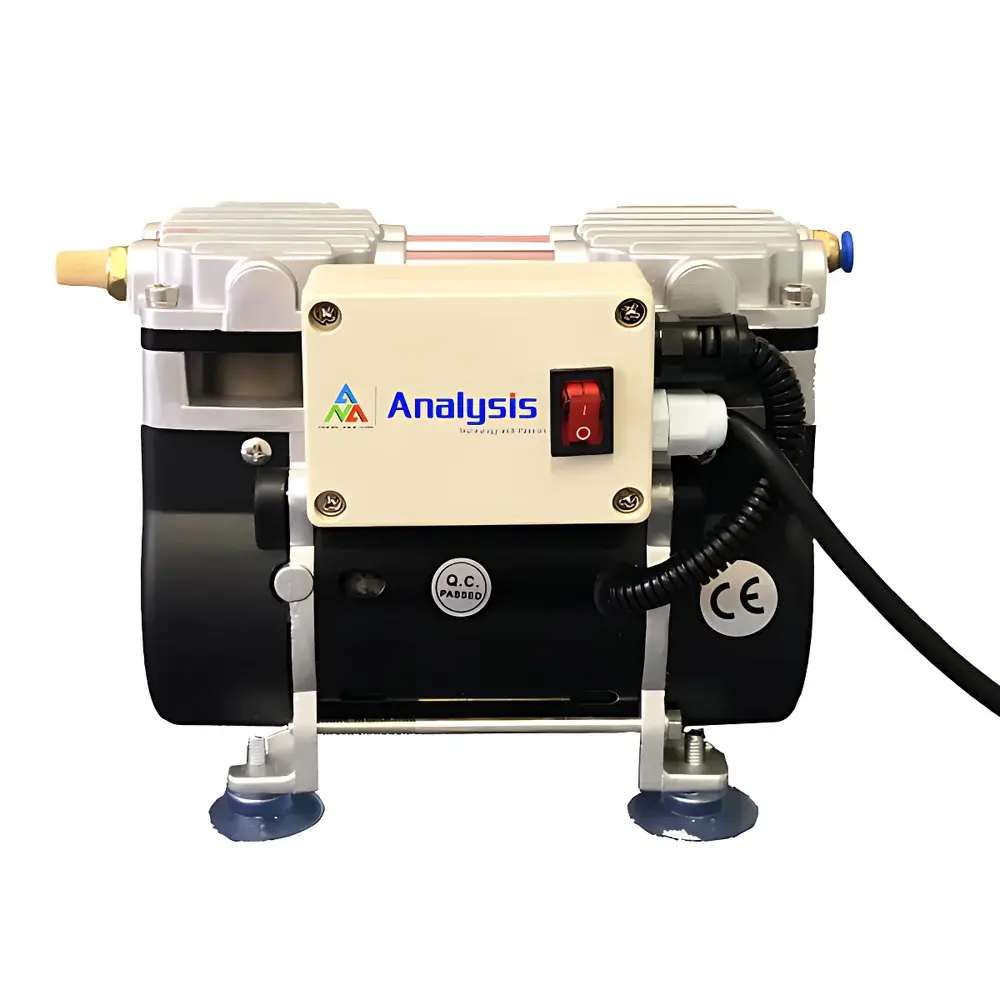
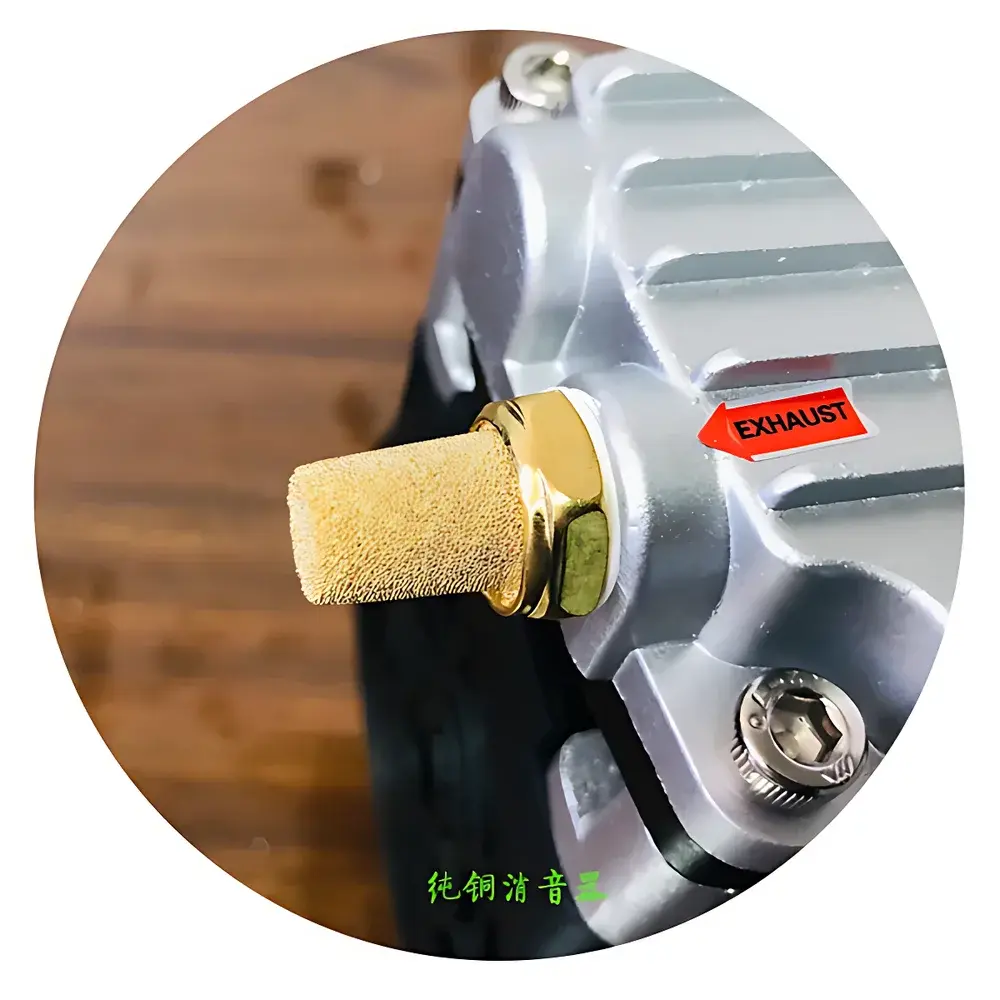
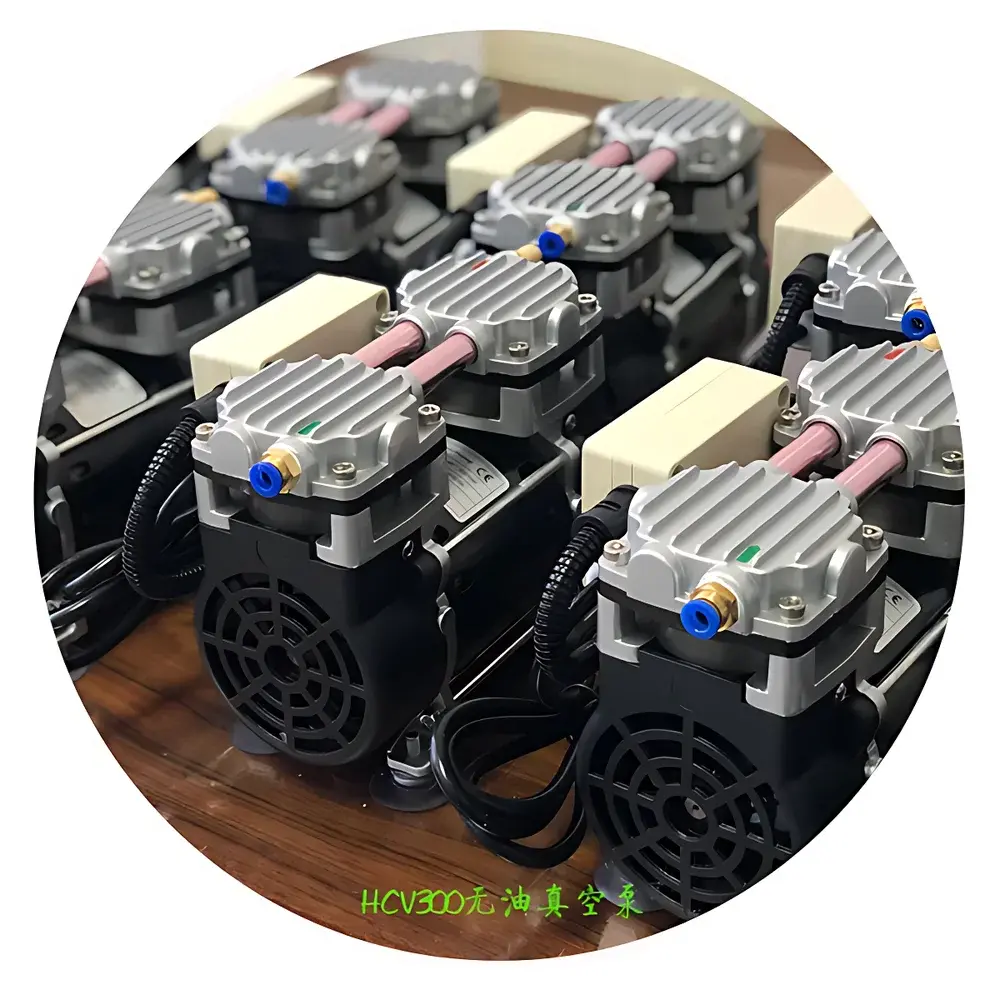
Analysis HCV300 Oil-Free Vacuum Pump
| Brand | Analysis |
|---|---|
| Origin | Beijing, China |
| Model | HCV300 |
| Pump Type | Oil-Free Diaphragm Vacuum Pump |
| Ultimate Vacuum | -86 kPa |
| Pumping Speed | 55 L/min |
| Motor Power | 200 W |
| Dimensions (L×W×H) | 170 × 124 × 134 mm |
| Weight | 3.5 kg |
| Operating Temperature Range | 5–40 °C |
| Insulation Class | B |
| Thermal Protector | Auto-reset at 130 ± 5 °C |
| Inlet/Outlet Port | G1/4" NPT |
| Tubing Connection | 6 mm × 4 mm (ID × OD) |
| Voltage/Frequency | 220 V / 50 Hz (customizable) |
Overview
The Analysis HCV300 is a compact, oil-free diaphragm vacuum pump engineered for precision laboratory and light industrial applications requiring clean, dry, and hydrocarbon-free vacuum generation. Unlike rotary vane or piston pumps that rely on lubricating oil—posing contamination risks in sensitive processes—the HCV300 employs a sealed, elastomeric diaphragm driven by an eccentric cam mechanism. This design eliminates oil vapor backstreaming, ensuring vacuum integrity in analytical instrumentation, pharmaceutical processing, and biological sample handling. Its operating principle is based on positive displacement: rotational motion of the motor shaft drives an eccentric cam, which actuates a flexible diaphragm via a connecting rod assembly. This cyclic deformation creates alternating suction and compression phases, enabling continuous air intake, compression, and exhaust through unidirectional check valves. With an ultimate vacuum of –86 kPa (absolute pressure ≈ 14 kPa) and a nominal pumping speed of 55 L/min at atmospheric inlet conditions, the HCV300 delivers stable performance across ambient temperatures from 5 to 40 °C—making it suitable for integration into enclosed systems, benchtop analyzers, and automated vacuum-assisted workflows.
Key Features
- Oil-free operation ensures zero hydrocarbon contamination—critical for GC-MS sample introduction, lyophilizer secondary drying, and cell culture vacuum manifolds.
- Compact footprint (170 × 124 × 134 mm) and lightweight construction (3.5 kg) enable seamless integration into space-constrained lab benches or portable instrument enclosures.
- Low-noise design (<52 dB(A) at 1 m) supports quiet operation in shared laboratory environments and QA/QC testing suites.
- Thermally protected motor with auto-resetting thermal cut-off (130 ± 5 °C) enhances operational safety and long-term reliability under intermittent or continuous duty cycles.
- B-class insulation and optimized electromagnetic design deliver high energy efficiency—200 W input power sustains rated flow without excessive heat buildup.
- G1/4″ NPT inlet/outlet ports and standardized 6 mm ID tubing compatibility simplify connection to common vacuum accessories, including pressure gauges, solenoid valves, and filtration traps.
Sample Compatibility & Compliance
The HCV300 is compatible with non-corrosive, non-condensable gases and dry air streams. It is not intended for solvent vapors, acidic or alkaline gases, or particulate-laden media without upstream filtration. When used within specified environmental limits (5–40 °C, ≤80% RH, non-condensing), the pump meets general-purpose laboratory equipment requirements per IEC 61010-1:2010 (Safety Requirements for Electrical Equipment for Measurement, Control, and Laboratory Use). Its oil-free architecture inherently satisfies ISO 8573-1 Class 0 purity requirements for compressed air/vacuum systems where contamination control is mandated—such as in USP packaging integrity testing or ISO 13485-certified medical device manufacturing environments. While not certified to FDA 21 CFR Part 11 out-of-the-box, its stable analog output and mechanical simplicity support audit-ready integration into validated systems when paired with compliant data loggers.
Software & Data Management
The HCV300 operates as a standalone analog vacuum source and does not include embedded digital controls or communication interfaces (e.g., RS-485, USB, or Ethernet). However, its consistent pressure response and low vibration profile make it highly compatible with external vacuum controllers, PID-based pressure regulation modules, and SCADA-integrated lab automation platforms. Users may monitor inlet pressure using standard analog vacuum transducers (0–5 V or 4–20 mA output) connected downstream; data acquisition is typically managed via third-party DAQ systems compliant with GLP/GMP traceability standards—including timestamped logging, user-access controls, and electronic signature capability when deployed in regulated QC laboratories.
Applications
- Vacuum-assisted sample preparation: filtration, degassing, and solvent removal in HPLC mobile phase conditioning and ICP-MS sample introduction lines.
- Lab-scale vacuum drying ovens and desiccators requiring stable sub-atmospheric conditions without oil residue concerns.
- Automated vacuum hold-down in precision metrology fixtures and PCB assembly jigs.
- Support vacuum for gas chromatography carrier gas purging and mass spectrometer roughing stages.
- Vacuum packaging R&D for food, pharmaceutical blister packs, and sterile barrier systems.
- Leak testing of small-volume components (e.g., microfluidic devices, IV bags) using decay-rate or pressure-rise methodologies.
FAQ
Is the HCV300 suitable for continuous 24/7 operation?
Yes—its thermally protected motor and robust diaphragm assembly are rated for extended duty cycles; however, optimal service life is achieved with periodic rest intervals in high-load applications.
Can it be used with aggressive chemical vapors?
No—only non-corrosive, dry gases are recommended. For solvent-laden or acidic streams, install a cold trap and chemical scrubber upstream.
What maintenance is required?
None beyond periodic inspection of inlet filters and diaphragm integrity every 6–12 months under typical lab use; no oil changes or valve replacements are necessary.
Does it comply with CE or UL safety directives?
It conforms to IEC 61010-1:2010; CE marking is available upon request for EU-market configurations with appropriate documentation.
How does it compare to scroll or turbomolecular pumps?
The HCV300 is a roughing pump—not a high-vacuum solution. It complements, rather than replaces, secondary pumps in multi-stage vacuum systems requiring base pressures below 1 Pa.



