
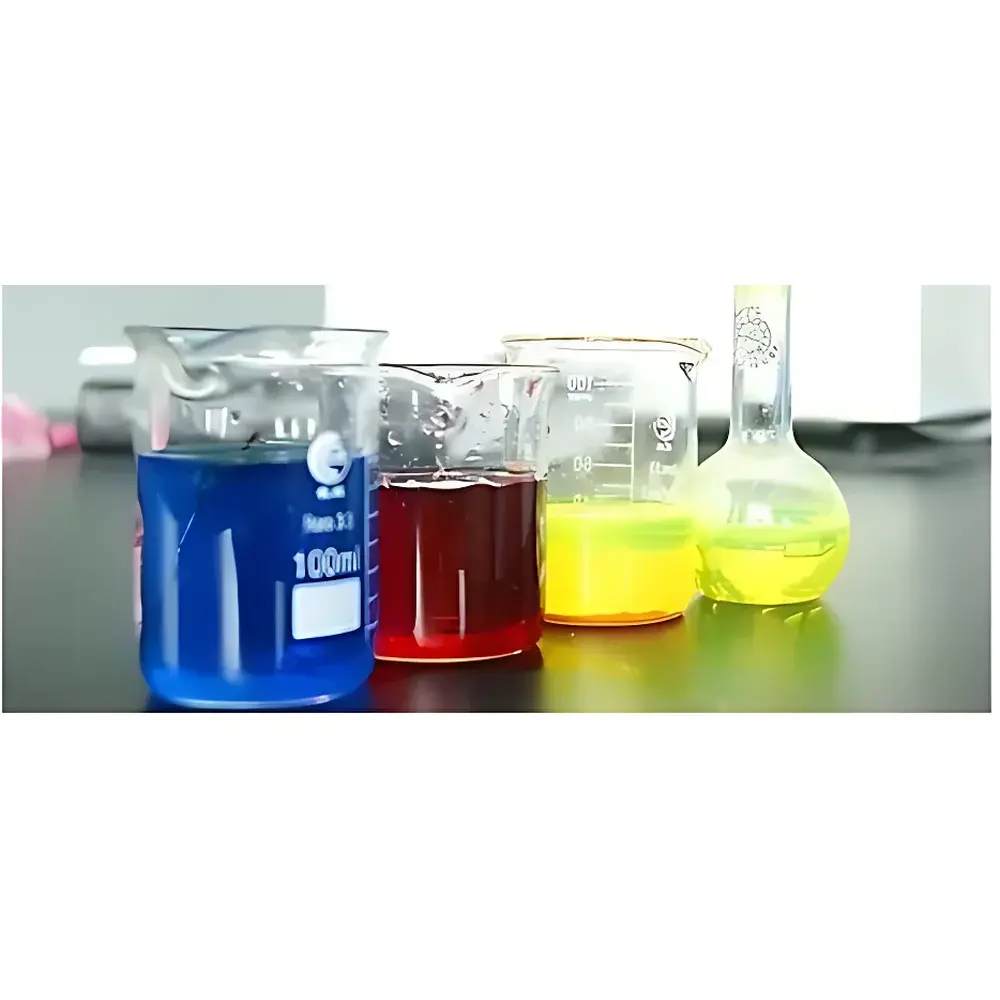
Chemical Precipitation COD Removal System – Xinbaili New Biolink Model XP-COD-P
No specifications available.
Overview
The Xinbaili New Biolink XP-COD-P is a laboratory-scale chemical precipitation system engineered for the targeted removal of chemical oxygen demand (COD) from industrial wastewater streams. Unlike oxidative treatment methods—such as ozone-based, Fenton, or electrochemical oxidation—which rely on radical-mediated mineralization of organic pollutants to CO2 and H2O, this system operates on stoichiometric and co-precipitation principles. It introduces proprietary multi-functional precipitants that selectively complex with non-biodegradable, refractory, or toxic organic species—including aromatic compounds, halogenated organics, and certain nitrogen- or sulfur-containing molecules—converting them into insoluble, filterable particulates under controlled pH and mixing conditions. Designed for benchtop deployment in R&D laboratories, pilot-scale validation facilities, and QC/QA units of environmental engineering firms, the XP-COD-P supports rapid feasibility assessment, reagent dosage optimization, and sludge characterization prior to full-scale implementation.
Key Features
- Modular reactor architecture with adjustable retention time (1–30 min), pH-controlled dosing manifold, and integrated rapid-mixing/low-shear flocculation zones
- Reagent delivery system calibrated for precise stoichiometric addition of proprietary precipitant formulations (liquid or powder form)
- Onboard turbidity and redox potential monitoring for real-time process feedback and endpoint detection
- Compact footprint (< 0.8 m²) compatible with standard fume hoods and ISO Class 7 cleanroom environments
- Corrosion-resistant wetted components (316L stainless steel, PTFE-lined valves, borosilicate glass viewing ports)
- No requirement for UV lamps, ozone generators, or peroxide storage—reducing operational safety hazards and maintenance complexity
Sample Compatibility & Compliance
The XP-COD-P is validated for use with high-salinity effluents (TDS up to 80,000 mg/L), low-BOD/COD ratio wastewaters (90% of tested matrices when paired with recommended coagulant aids.
Software & Data Management
The system includes an embedded microcontroller interface with USB-C and RS-485 connectivity. Raw sensor logs (pH, ORP, turbidity, flow rate, dosing volume) are timestamped and exportable in CSV format. Optional integration with LIMS platforms (e.g., LabVantage, Thermo Fisher SampleManager) is supported via OPC UA protocol. All operational parameters—including reagent batch ID, operator ID, sample ID, and ambient temperature—are recorded with audit-trail capability satisfying basic 21 CFR Part 11 read-only compliance for internal QA records. No cloud storage or remote access functionality is included by default; data residency remains fully on-site.
Applications
- Pretreatment of biotoxic industrial wastewater (e.g., pharmaceutical synthesis, dye manufacturing, pesticide formulation) prior to biological treatment trains
- Direct treatment of recalcitrant effluents where BOD5/COD < 0.1 and conventional activated sludge shows <30% removal efficiency
- RO concentrate polishing in zero-liquid-discharge (ZLD) systems where COD exceeds 150 mg/L and membrane fouling limits further concentration
- Tertiary polishing of municipal or industrial secondary effluent failing discharge limits (e.g., China’s GB 8978-1996, EU Urban Wastewater Directive Annex I)
- Stabilization of high-salinity brines (e.g., from chlor-alkali or desalination reject streams) without chloride interference on precipitant efficacy
FAQ
Is the XP-COD-P suitable for continuous-flow operation?
Yes—it supports semi-continuous mode with automated batch cycling (up to 12 batches/day) and optional peristaltic feed/pump integration for pilot-line simulation.
What analytical methods are recommended for verifying COD removal efficiency?
Standard closed-reflux colorimetric COD analysis (APHA 5220 D) is required; IC/TOC correlation is not advised due to incomplete mineralization and residual soluble complexes.
Does the system require hazardous chemical handling certification?
Operators must be trained in GHS-compliant handling of co-precipitants; SDS documentation is provided for all reagents supplied under Xinbaili’s quality assurance program.
Can the precipitated sludge be dewatered using standard lab-scale equipment?
Yes—centrifugation (3,000–5,000 × g), vacuum filtration, or plate-and-frame press testing can be conducted directly on collected slurry without conditioning additives in most cases.
Is third-party performance validation data available?
Xinbaili provides application notes with anonymized case studies from textile, electroplating, and fine chemical clients; full validation reports require NDA execution and are subject to project-specific scope definition.



