
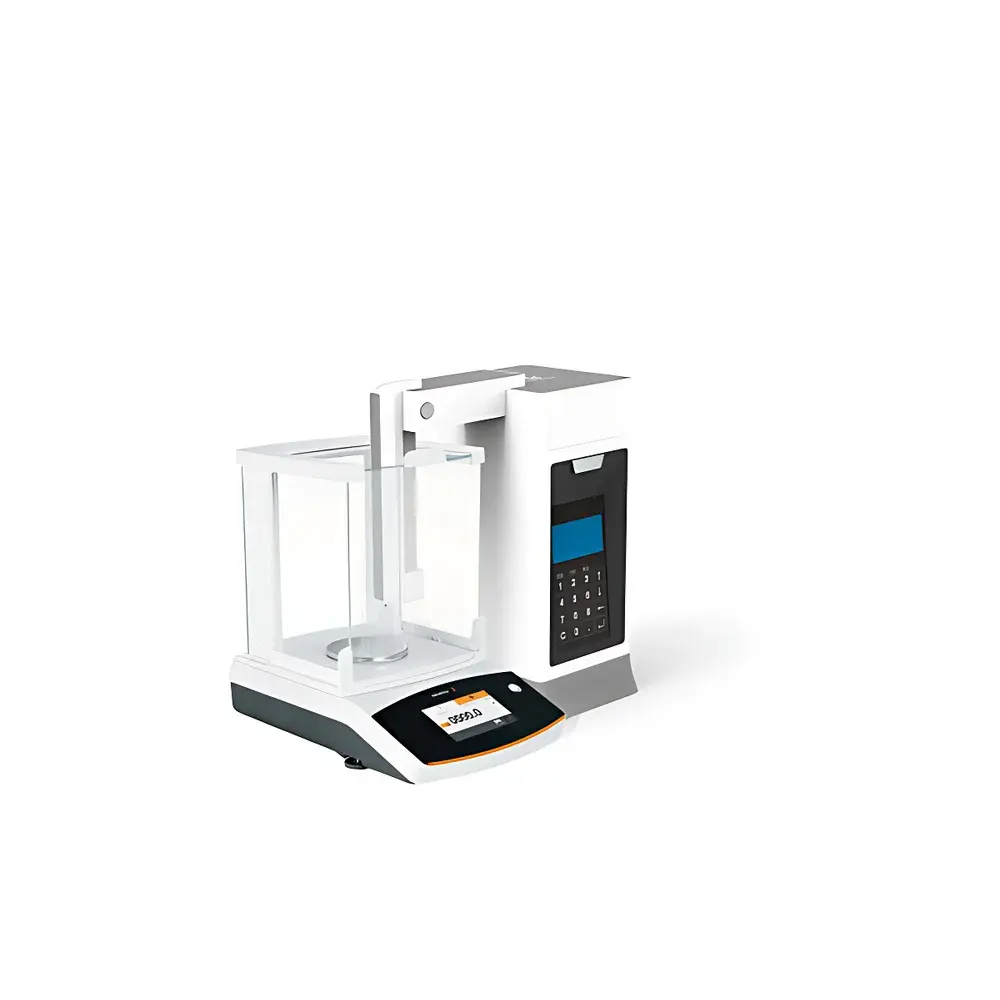
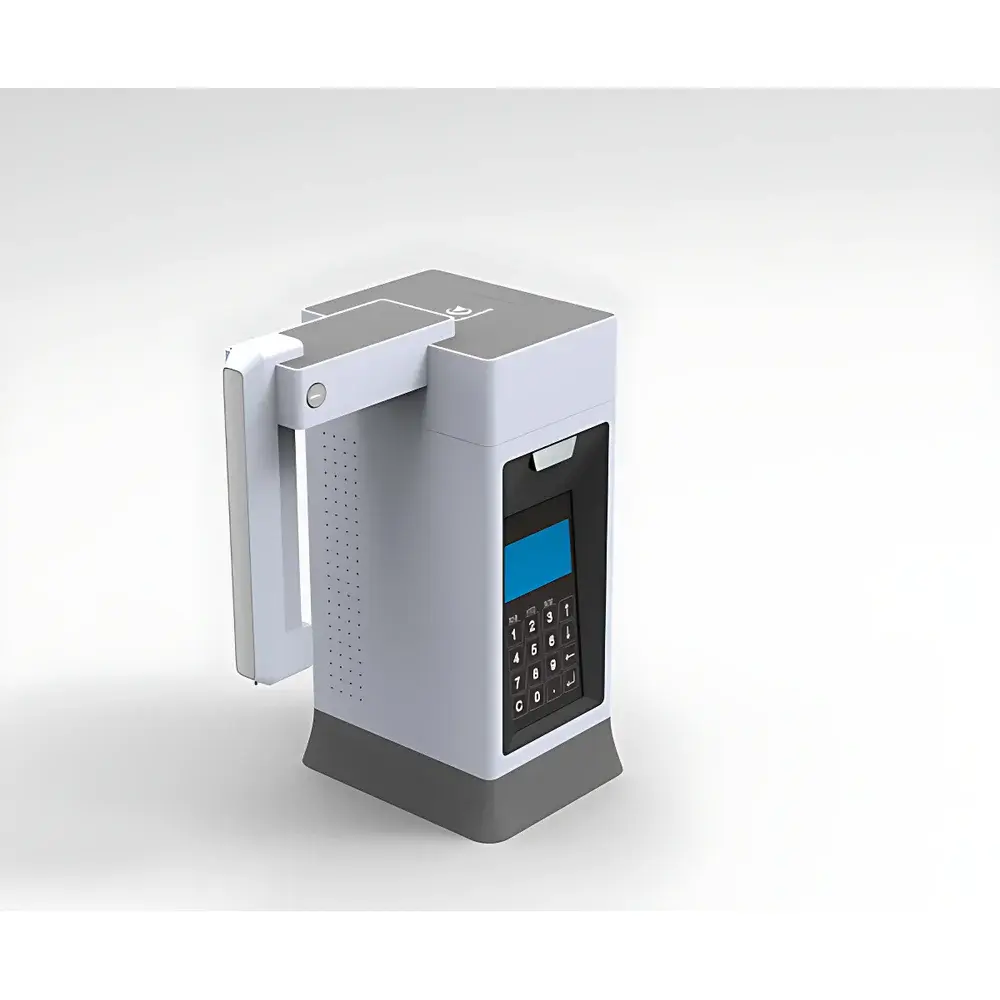
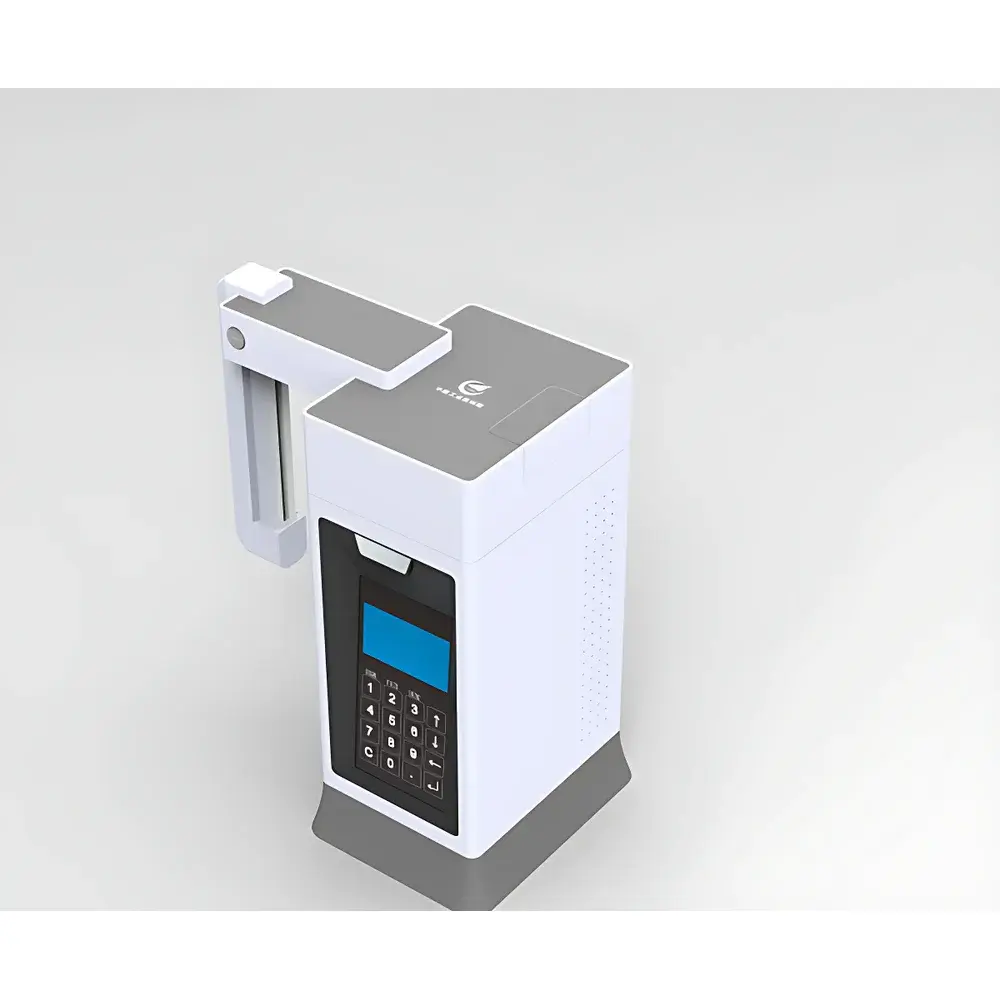
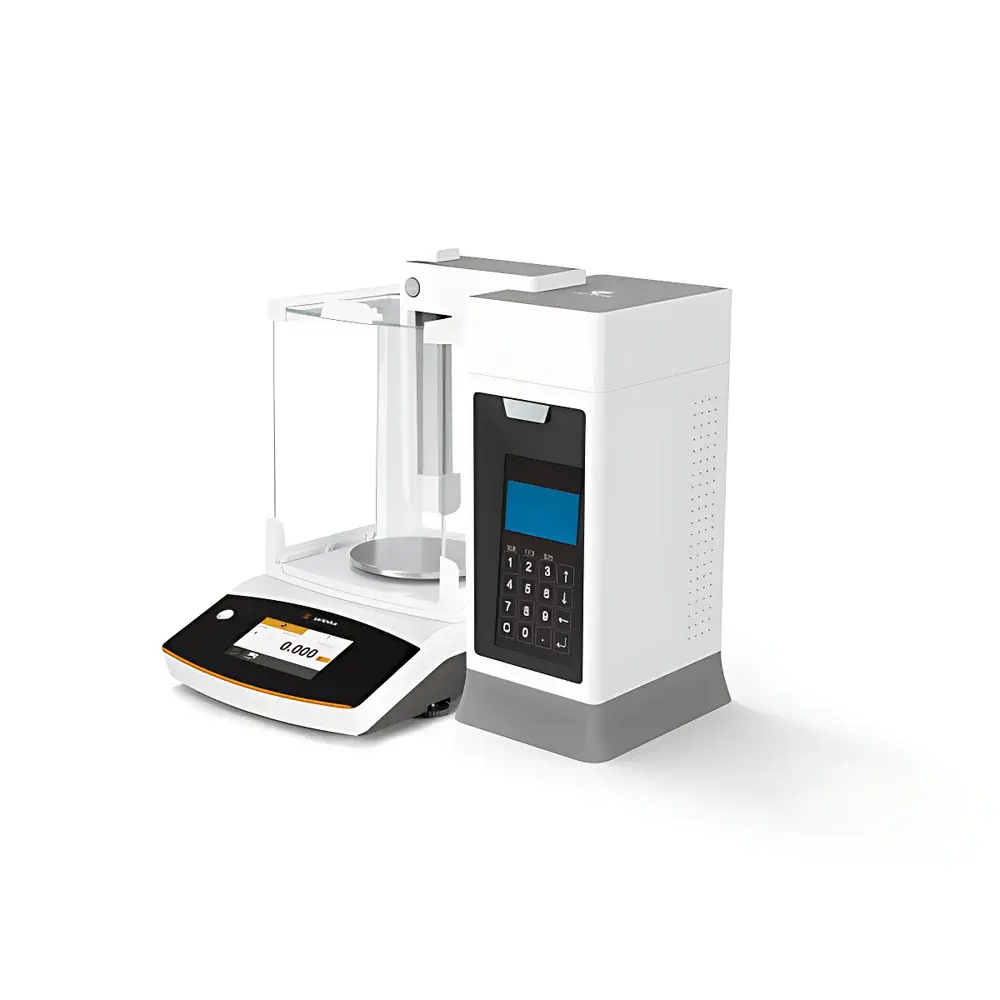
AECC DR100 Precision Mass-Based Volumetric Dispenser
| Brand | AECC (Aviation Industry Corporation of China) |
|---|---|
| Origin | Beijing, China |
| Model | DR100 |
| Instrument Type | Single-Channel Electric Pipette |
| Automation Level | Motorized |
| Capacity Range | 0.5 g to 500 g (dependent on connected analytical balance) |
| Accuracy | ±0.03 g |
| Dimensions (L×W×H) | 140 mm × 180 mm × 360 mm |
| Weight | 4.4 kg |
| Power Input | 100–240 V AC, 50–60 Hz, 2.5 A |
| Output Voltage | 24 V DC, 5 A |
| Operating Temperature | 10–30 °C |
| Relative Humidity | 0–80 % RH |
| Compatible Liquids | Water and neutral aqueous solutions |
| Calibration | Supplied with certificate of conformity and traceable calibration report |
Overview
The AECC DR100 Precision Mass-Based Volumetric Dispenser is an engineered solution for laboratory liquid handling that replaces conventional volumetric calibration with real-time mass-based dispensing. Unlike traditional pipettes or volumetric flasks—whose accuracy is compromised by temperature-dependent liquid density, meniscus reading errors, and glassware tolerance—the DR100 integrates seamlessly with a standard analytical balance to dispense liquids based on target mass. This approach leverages the inherent stability and traceability of mass measurement under ISO/IEC 17025 and ASTM E2029 guidelines, delivering improved reproducibility across ambient lab conditions (10–30 °C, ≤80 % RH). The system operates on the principle of closed-loop gravimetric feedback: the integrated motorized piston actuator dispenses liquid incrementally while continuously monitoring mass gain via the balance interface; dispensing terminates automatically upon reaching the user-defined target mass. This eliminates dependence on volumetric markings, parallax correction, or temperature-corrected volume conversion—making it especially suitable for high-precision analytical workflows where uncertainty budgets must be minimized.
Key Features
- Gravimetric dispensing architecture ensures consistent accuracy independent of liquid density, temperature drift, or container geometry
- Motorized single-channel design with programmable dispensing steps and pause intervals for controlled addition in sensitive assays
- Compact benchtop footprint (140 × 180 × 360 mm) and lightweight construction (4.4 kg) for flexible integration into fume hoods, clean benches, or QC labs
- Universal compatibility with standard analytical balances via RS232 or USB-to-serial interface (supports METTLER TOLEDO, SARTORIUS, OHAUS, and other GLP-compliant models)
- Industrial design co-developed with Tsinghua University Academy of Arts & Design—ergonomic housing, intuitive tactile controls, and chemical-resistant surface finish
- Firmware upgradable over USB; no license fees for future feature enhancements or regulatory compliance updates
Sample Compatibility & Compliance
The DR100 is validated for use with water and neutral aqueous solutions (pH 5–9), including dilute acids and buffers commonly employed in elemental analysis and wet chemistry. It is not intended for viscous, volatile, corrosive, or particulate-laden liquids without prior validation. Each unit ships with a manufacturer-issued Certificate of Conformity and a NIST-traceable calibration report verifying mass delivery accuracy within ±0.03 g across its operational range (0.5–500 g). The device supports GLP and GMP-aligned documentation practices: dispensing logs—including timestamp, target mass, actual delivered mass, balance ID, operator ID, and environmental conditions—can be exported in CSV or PDF format. While not classified as a medical device, its performance aligns with relevant clauses of ISO 8655-5 (piston-operated volumetric apparatus) and ASTM E542 (practice for calibration of laboratory balances).
Software & Data Management
The DR100 operates via embedded firmware with a menu-driven LCD interface—no PC required for basic operation. Optional PC software (Windows/macOS) enables method storage, audit trail generation, and electronic signature support compliant with FDA 21 CFR Part 11 requirements when paired with validated IT infrastructure. All dispensing events are time-stamped and logged locally with non-volatile memory retention (≥10,000 entries). Data export supports direct integration into LIMS platforms via delimited text files. Firmware updates preserve user-defined methods and calibration offsets, ensuring continuity during routine maintenance or regulatory requalification.
Applications
The DR100 serves as a primary liquid handling tool in accredited testing laboratories performing ICP-AES, ICP-MS, atomic absorption spectroscopy (AAS), gravimetric analysis, titrimetry, UV-Vis spectrophotometry, and electrochemical measurements. Its mass-based paradigm simplifies preparation of calibration standards, spike recovery solutions, and matrix-matched reference materials—particularly where volumetric error propagation would otherwise dominate total uncertainty. It also streamlines sample digestion workflows requiring precise acid addition (e.g., HNO₃/HF mixtures for silicate dissolution), provided compatibility with the selected balance pan and containment vessel is confirmed.
FAQ
Does the DR100 require dedicated volumetric glassware?
No. The system eliminates reliance on class-A volumetric flasks, pipettes, or burettes by using mass as the primary metrological reference.
Can it be used with non-aqueous solvents?
Not without validation. Performance is certified only for water and neutral aqueous solutions; ethanol, acetone, or organic solvents may affect sealing integrity and require risk assessment per ISO/IEC 17025 clause 7.2.2.
Is balance calibration required before each use?
Balance calibration must follow the laboratory’s SOP—typically daily or per batch—but the DR100 itself does not require recalibration between uses if operated within specified environmental limits.
What happens if the balance communication fails mid-dispense?
The DR100 halts actuation immediately and triggers an audible alert; dispensing resumes only after communication is restored and user confirmation is given.
Is the device compatible with regulated environments subject to audit?
Yes—when deployed with validated balances and documented procedures, its data logging, electronic signatures, and change control capabilities meet core expectations of ISO/IEC 17025, USP <1058>, and EU Annex 11.
Related Products



